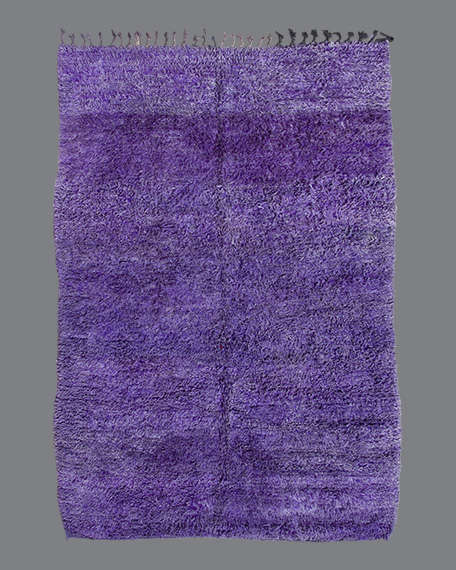
Some rugs politely enter a room. Jewel-toned Berber rugs do not. They arrive like a tiny Moroccan jazz band, wearing sapphire, emerald, amethyst, ochre, and ruby, then quietly dare your beige sofa to develop a personality. And somehow, through the design filter of Brooklynwhere vintage denim, hand-thrown mugs, and “accidental minimalism” all live in suspicious harmonythese richly colored Moroccan rugs feel both worldly and perfectly at home.
The phrase “Jewel-Toned Berber Rugs, by Way of Brooklyn” points to a specific design story: Brooklyn-based sourcing, Moroccan textile heritage, and the kind of saturated color that can rescue a room from looking like it was decorated entirely with oatmeal. The original buzz centered around Breuckelen Berber, a Brooklyn husband-and-wife venture founded by Brin Reinhardt and Nathan Ursch after they discovered Moroccan Berber textile arts and began importing vintage carpets, including vivid Beni M’Guild rugs in rare monochromatic jewel tones.
But this is bigger than one beautiful rug shop or one very photogenic purple carpet. Jewel-toned Berber rugs represent a meeting point between heritage craft and contemporary interiors. They are practical floor coverings, yes, but also mood-setters, cultural objects, color lessons, and occasionally the main reason guests say, “Wait, where did you get that?” before they even take off their shoes.
What Makes a Berber Rug Different?
“Berber rug” is the term most commonly used in the design market for rugs woven by Amazigh communities of North Africa, particularly in Morocco. The word “Amazigh” is the people’s own name for themselves, while “Berber” remains widely used in rug retail, interior design, and historical writing. These rugs are traditionally associated with the Atlas Mountains and surrounding regions, where weaving has long been practiced by women using knowledge passed through families and communities.
Unlike formal workshop carpets that often follow exact cartoons or repeated courtly motifs, many Moroccan tribal rugs grew from domestic, personal, and regional traditions. That means a real vintage Berber rug may have irregular diamonds, unexpected stripes, color shifts, wandering borders, or little design decisions that look like “mistakes” only if your soul has been laminated. In truth, those variations are the charm. They tell you a human being made the rug, not a committee of robots with a beige mood board.
Materials matter, too. The most admired pieces are often wool, prized for warmth, resilience, texture, and the way it holds dye. Depending on region and type, rugs can be high-pile, low-pile, flatwoven, densely knotted, loose and shaggy, or wonderfully somewhere in between. The result is a category with enormous range: quiet ivory Beni Ourain rugs, electric Azilal designs, warm Boujad pieces, recycled Boucherouite rugs, and the jewel-toned Beni M’Guild carpets that make color lovers briefly forget how to blink.
Beni M’Guild: The Jewel Box of Moroccan Rugs
If Beni Ourain rugs are the classic black-and-white linen shirt of Moroccan interiors, Beni M’Guild rugs are the velvet dinner jacket. Originating from the Middle Atlas region, Beni M’Guild carpets are known for dense wool pile, substantial texture, and deep, atmospheric color. They can appear in shades of purple, jade, indigo, wine, saffron, olive, or rust, often with tonal variation known as abrash. Abrash is the subtle color shifting that happens when dye lots, wool, age, and hand processes create visual movement. In plain English: the rug shimmers without needing sequins, which is a public service.
Many Beni M’Guild rugs are reversible or double-sided, with one side offering plush pile and the other showing a flatter woven structure. This makes them especially interesting as design objects because they are not just decorative on the surface; they reveal construction, technique, and use. A saturated amethyst Beni M’Guild might look dramatic in a white loft, cozy in a brownstone living room, and downright cinematic under a walnut dining table.
The jewel-tone palette is not random. These colors carry visual weight. Sapphire blue feels calm but confident. Emerald and jade suggest freshness, sophistication, and a little old-world glamour. Ochre and amber bring warmth without screaming “pumpkin spice emergency.” Violet and aubergine add mystery, especially when paired with plaster walls, dark wood, or brass lighting. In a rug, these colors land differently than they would on a wall. They anchor the room from below, letting the floor become the design’s secret handshake.
Why Brooklyn Became the Perfect Design Filter
Brooklyn has a talent for making global craft feel personal rather than showroom-stiff. A Brooklyn interior might include a vintage Moroccan rug, a clean-lined sofa, a flea-market lamp, a stack of art books, a plant that is either thriving or emotionally complicated, and a coffee table that looks casual but took six months to find. Jewel-toned Berber rugs fit beautifully into that mix because they bring depth without demanding a palace.
The Brooklyn “by way of” angle is important. These rugs are not Brooklyn-made in origin; they are Moroccan in heritage. Brooklyn’s role is curation, context, and contemporary styling. Shops and designers in New York helped translate vintage Moroccan carpets for American homes that wanted warmth, texture, and authenticity but did not want everything to look imported from the same catalog page. In that sense, a jewel-toned Berber rug becomes a bridge: handmade in Morocco, sourced through modern design channels, and styled in spaces where old and new are expected to flirt politely.
Breuckelen Berber’s story captures that bridge nicely. Its founders came from design retail backgrounds, traveled to Morocco, encountered Berber textile traditions, and began importing vintage carpets after falling for the craft. Their eye helped introduce American design readers to the idea that Moroccan rugs were not limited to cream fields and black diamonds. They could be saturated, moody, colorful, and still sophisticated enough for rooms with serious chairs and people who say “sightline” in normal conversation.
How Jewel-Toned Berber Rugs Change a Room
A good rug does three things: it defines the space, softens the acoustics, and gives your furniture a reason to stop looking like it is waiting in a bus station. Jewel-toned Berber rugs go further. They create atmosphere. They can make a rental apartment feel collected, a minimal room feel warm, and a traditional room feel less predictable.
They Add Color Without Painting the Walls
For renters, commitment-phobes, and anyone who has ever stared at paint chips until losing the will to choose “deep teal” over “mysterious lagoon,” a rug is a brilliant color move. It gives you impact without requiring a ladder, painter’s tape, or a weekend spent arguing with primer. A ruby or sapphire Berber rug can transform a white room while still leaving your walls landlord-approved.
They Balance Modern Furniture
Midcentury chairs, modular sofas, glass tables, and minimalist shelving all benefit from something tactile underfoot. A high-pile Moroccan rug introduces softness and irregularity, preventing the room from feeling too rigid. The handwoven texture makes modern furniture look more relaxed, as if the sofa finally exhaled.
They Work With Both Neutrals and Maximalism
One myth about colorful rugs is that they require a fearless maximalist home. Not true. A jewel-toned Berber rug can be the single bold element in a neutral space. Picture creamy walls, a linen sofa, a black floor lamp, and an emerald rug. Done. The room has a pulse. On the other hand, if your style includes art, pattern, velvet, books, ceramics, and at least one object no one can identify but everyone admires, a jewel-toned rug can join the party without acting like it owns the playlist.
Choosing the Right Jewel Tone
Color selection should begin with the mood you want, not simply the shade that looks best on a screen. Handmade and vintage rugs can shift dramatically depending on light, pile direction, and surrounding materials. A violet rug may look royal in daylight and smoky at night. A jade rug may feel fresh beside pale oak but richer next to walnut. A golden ochre rug may warm up concrete floors and make a room feel sunlit even when the weather outside is doing its best impression of wet cardboard.
Sapphire and Indigo
Blue jewel-toned rugs are ideal for bedrooms, studies, and living rooms where you want calm with personality. Indigo pairs beautifully with white walls, camel leather, black metal, walnut, and warm brass. It also handles pattern mixing well, especially with stripes, block prints, and small-scale florals.
Emerald, Jade, and Olive
Green rugs bring an organic richness that works well with plants, wood, stone, and natural textiles. A jade Beni M’Guild can feel surprisingly versatile because it sits between bold and earthy. Pair it with ivory upholstery, tobacco leather, or dark-stained furniture for a room that looks considered but not precious.
Amethyst, Violet, and Aubergine
Purple is the risk-taker’s neutral. Deep violet and aubergine rugs can look moody, elegant, and slightly theatrical, especially in rooms with soft lighting. The trick is to keep surrounding colors grounded: cream, charcoal, chocolate brown, aged brass, and muted pinks all play well. Avoid pairing a strong purple rug with too many bright candy colors unless your design goal is “boutique hotel lobby during a magic show.”
Ochre, Amber, and Saffron
Yellow-based jewel tones bring warmth and energy. Ochre rugs are excellent in dining rooms, entryways, and creative spaces because they feel inviting without being sugary. They pair nicely with navy, clay, olive, burgundy, and natural wood.
How to Style a Jewel-Toned Berber Rug
The easiest way to style a vivid Moroccan rug is to let it lead. Choose two or three supporting colors from the rug and repeat them lightly around the room. That might mean a blue book spine, a moss-green pillow, a brass lamp, or a piece of art with a similar undertone. The goal is not to match everything. Matching too perfectly makes a room look nervous. Echoing color makes it look intentional.
Scale is another big factor. In a living room, the rug should be large enough for at least the front legs of the sofa and chairs to sit on it. In a bedroom, it should extend generously beyond the bed so your feet land on wool instead of cold floorboards, which is one of life’s small but important victories. In a hallway, a runner can deliver color in a narrow space that often gets ignored, despite doing the emotional labor of connecting the whole home.
Layering can also work. A jewel-toned Berber rug over sisal or jute creates texture and helps a smaller vintage rug feel more substantial. This is especially useful when the rug you love is an unusual size, as vintage rugs often are. The rug does not care that your floor plan prefers an exact 8-by-10. It has lived a life. Respect its boundaries.
What to Look for When Buying
Buying a vintage Moroccan rug requires a mix of romance and practical thinking. Romance says, “This indigo beauty was meant for me.” Practical thinking says, “Will the front door open over it?” Both voices deserve a seat at the table.
Check Size and Layout First
Measure your space before shopping. Then measure again because optimism has ruined many rug purchases. High-pile rugs can interfere with doors, rolling chairs, or low-clearance furniture. If the rug is going under a dining table, make sure chairs can slide in and out without catching awkwardly on the edges.
Understand Age and Condition
Vintage rugs may show wear, fading, repairs, or irregularities. These are not automatically flaws. They can add character. However, inspect for structural damage, weak areas, stains, odor, and edge stability. A reputable seller should provide clear photos, dimensions, material information, and condition notes.
Ask About Origin and Materials
Not every “Moroccan-style” rug is Moroccan, and not every “Berber-inspired” rug is handmade. If authenticity matters to you, ask whether the rug is vintage, handwoven, wool, Moroccan-made, and sourced from a known region or tribe. Contemporary Moroccan rug brands may also offer custom pieces made with artisan partnerships, which can be a good option if you need specific sizing or colors.
Caring for Wool Berber Rugs
Wool is naturally resilient, but handmade rugs still need thoughtful care. Vacuum gently, preferably without aggressive beater bars that can tug at fibers. Rotate the rug every few months to balance wear and fading. Blot spills immediately with a clean cloth; do not scrub like you are trying to erase a crime scene. For serious stains or deep cleaning, use a professional cleaner familiar with wool and handmade rugs.
Newer wool rugs may shed at first, especially high-pile pieces. This is normal. Regular gentle vacuuming helps. A good rug pad is also worth buying because it reduces slipping, protects the rug, adds comfort, and prevents your living room from becoming a low-budget ice rink.
Why These Rugs Still Feel Fresh
Design trends move quickly. One year everyone wants pale oak and boucle; the next year people are color-drenching powder rooms in garnet and calling brown “espresso” so it sounds more awake. Yet Moroccan Berber rugs remain relevant because they are not only trends. They are handmade textiles with history, utility, and visual depth.
The current interest in craft, sustainability, vintage sourcing, and layered interiors only strengthens their appeal. Homeowners and designers increasingly want pieces that feel personal rather than disposable. A jewel-toned Berber rug answers that desire with texture, age, color, and a little mystery. It does not look like it was chosen by an algorithm trying to optimize “cozy modern global neutral.” It looks found, loved, and lived with.
That is the Brooklyn connection at its best: not appropriation of a look as a passing fad, but appreciation for objects with origin and character, styled in a way that makes them part of daily life. A rug can come from the Middle Atlas and still look perfectly natural beneath a Brooklyn coffee table holding an oat milk latte, a ceramics catalog, and three remotes nobody admits owning.
Experience Notes: Living With Jewel-Toned Berber Rugs
Living with a jewel-toned Berber rug teaches you several things quickly. First, color on the floor is less intimidating than color on the wall. A deep amethyst rug may sound dramatic in theory, but once it is under the sofa, it behaves more like a rich foundation than a design tantrum. It grounds everything. Suddenly the white walls look intentional, the wood furniture looks warmer, and even the old side table you almost donated starts acting like it belongs in a magazine spread.
Second, these rugs change throughout the day. Morning light can reveal subtle lavender or teal notes in the wool, while evening lamps bring out deeper wine, navy, or charcoal tones. This is one reason jewel-toned Berber rugs are more interesting than flat, machine-perfect color. They have movement. They respond to light. They seem to have moods, which is more than can be said for certain mass-produced gray rugs that look tired before anyone steps on them.
Third, texture matters as much as color. A high-pile Beni M’Guild under bare feet feels comforting in a way that is hard to describe without sounding like a person who writes love letters to textiles. It softens the room physically and visually. In apartments with hardwood floors, exposed brick, metal shelving, or large windows, the wool adds warmth and absorbs sound. The space feels less echoey, less sharp, and more human.
There are practical lessons, too. Pets may love the rug with alarming enthusiasm. Children may treat it like a tiny indoor meadow. Guests may ask if they should remove their shoes, then stand there admiring it long enough to block the doorway. A rug pad becomes nonnegotiable. So does regular vacuuming. And if coffee spills, panic helps no one. Blot first, breathe second, investigate cleaning options third.
The biggest experience-related surprise is how versatile these rugs can be. A jade rug that seems bold online may become almost neutral when paired with linen, black accents, and plants. An ochre rug can brighten a north-facing room without resorting to neon cheerfulness. A sapphire rug can make a basic bedroom feel like a boutique retreat. Even purple, the color many people fear, can look grown-up when it leans smoky and is balanced with warm wood or cream upholstery.
Most importantly, a jewel-toned Berber rug gives a home a story. It suggests travel, craft, patience, and personal taste. It says someone cared enough to choose an object with texture and history instead of simply filling floor space. It also forgives imperfection. The irregularities in the weave make the rest of the room feel less pressured to be flawless. Books can be stacked. Pillows can be slightly crooked. Life can happen. The rug has seen things. It is not judging you.
Conclusion
Jewel-toned Berber rugs, by way of Brooklyn, are more than colorful floor coverings. They are a design conversation between Moroccan Amazigh weaving traditions and modern American interiors that crave warmth, craft, and individuality. Whether you choose sapphire, emerald, amethyst, ochre, or ruby, the right rug can turn a plain room into a layered, soulful space without repainting a single wall.
The best examples balance beauty and utility: handwoven wool, rich color variation, strong texture, and enough personality to anchor a room without overpowering it. They work in minimalist apartments, historic brownstones, creative studios, family homes, and anywhere else that could use a little less beige resignation. Choose carefully, care for it well, and your rug may become the piece that makes the whole room make sense.
Note: This article is written for web publication and synthesizes real design, textile, sourcing, and rug-care information into original, plagiarism-free content.