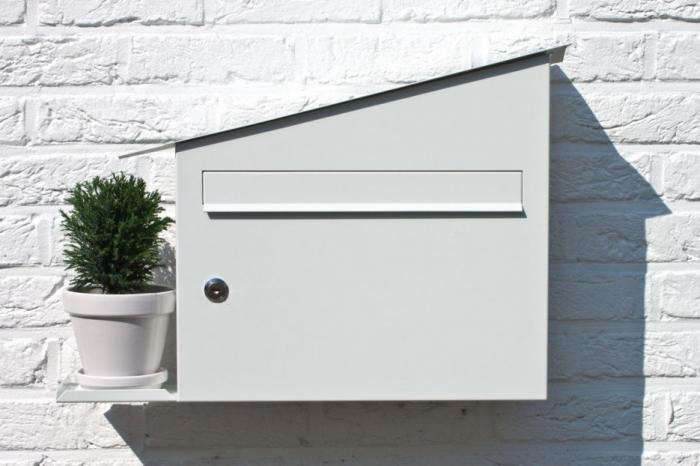
A white mailbox looks simple, clean, and classic. It says, “Welcome, we probably know where the rake is.” But a white mailbox that is green? That is where curb appeal gets a clever little wink. We are not talking about painting it lime, although your homeowners association may need a chair and a glass of water if you try. We are talking about a mailbox that stays bright, useful, and charming while making smarter environmental choices.
The humble mailbox is easy to overlook. It stands at the edge of the property like a tiny house for bills, birthday cards, grocery coupons, and mysterious envelopes from companies you swear you never contacted. Yet it is one of the first details people see from the street. A chipped, leaning, rusty mailbox can make even a lovely home look tired. A fresh white mailbox surrounded by thoughtful, low-maintenance greenery can make a home feel polished before guests even reach the driveway.
Better still, this small upgrade does not require a giant budget, a contractor, or a dramatic renovation montage. With durable materials, careful installation, low-VOC paint, native plants, compost, smart water use, and maybe a solar accent light, a regular mailbox can become a tiny symbol of sustainable curb appeal. It is proof that “green” living does not always begin with a roof full of solar panels. Sometimes, it begins with a post, a box, and the decision not to buy three new things when one restored thing will do.
What Does “A White Mailbox That’s Green” Actually Mean?
The phrase sounds like a riddle your neighbor might ask while holding pruning shears. In practice, it means combining a white mailbox design with eco-friendly choices. The mailbox may be white in color, but “green” in how it is chosen, installed, maintained, and landscaped.
A green white mailbox can mean refurbishing an existing mailbox instead of sending it to the landfill. It can mean choosing recyclable metal, using durable exterior paint so the finish lasts longer, planting native flowers around the post, avoiding thirsty turf, improving soil with compost, and lighting the area with a small solar fixture instead of running new electrical wiring. None of these steps is flashy. That is the point. Sustainability often works best when it is practical enough to become a habit.
White is also a smart design choice. It reflects light, looks crisp against green plants, pairs easily with black, bronze, wood, brick, stone, and cottage-style fencing, and helps house numbers stand out when applied with strong contrast. A white mailbox has the visual manners of a button-down shirt: clean, adaptable, and rarely embarrassed in public.
Start With the Rules: A Pretty Mailbox Still Has a Job
Before the fun partpaint, plants, and pretending you are the creative director of your drivewaystart with function. A curbside mailbox must be easy for the mail carrier to reach safely. In the United States, curbside mailboxes are generally installed with the bottom of the box or mail entry point 41 to 45 inches above the road surface and placed about 6 to 8 inches back from the curb. The house number should be clearly visible, and if the mailbox sits on a different street from the house, the full street address should be included.
That means the greenest mailbox is not the one hidden behind a jungle of enthusiastic daisies. It is the one that is accessible, readable, sturdy, and safe. If the mail carrier has to wrestle a rose bush to deliver your electric bill, the garden has gone from charming to medieval.
Mailbox Placement Tips That Save Trouble Later
Keep plants low enough that they do not block the mailbox door, flag, address numbers, or the carrier’s approach. Leave a clear path around the post. If snowplows, road salt, sprinklers, or strong afternoon sun affect your curb area, choose materials and plants that can handle those conditions. A mailbox lives a tougher life than most porch decorations. It stands out there through rain, heat, cold, lawn equipment, passing dogs, and the occasional basketball with poor directional judgment.
Choose Materials That Last Longer
Durability is a major part of sustainability. A cheap mailbox that rusts, warps, or fades quickly is not really a bargain if it needs replacing every few seasons. A long-lasting mailbox reduces waste, saves money, and keeps the front of the home looking cared for.
Metal mailboxes made from galvanized steel or aluminum are common choices because they are sturdy, weather-resistant, and widely available. Aluminum is lightweight and corrosion-resistant, while steel offers strength and can be recycled. Powder-coated finishes may also help extend the life of a mailbox by resisting scratches and weather damage better than thin paint alone.
If you already own a structurally sound mailbox, restoration is often the greenest choice. Sand the surface, remove rust, clean it thoroughly, prime properly, and repaint it with exterior-rated paint. Reusing what you have follows the simple environmental hierarchy: reduce first, reuse second, recycle when needed. In other words, the planet appreciates a makeover episode more than a shopping spree.
When Replacement Makes Sense
There are times when a new mailbox is the better option. If the door no longer closes, the flag is broken, the metal is deeply corroded, the post is unstable, or the box is not large enough for your mail volume, replacement may improve both safety and function. In that case, look for a USPS-approved design, recyclable materials, replaceable parts, and a finish that can be maintained rather than discarded at the first scratch.
Paint It White the Smarter Way
A white mailbox sounds easy until you meet outdoor reality. Sunlight fades paint. Rain tests adhesion. Dust settles. Birds offer unsolicited reviews. The secret is not just choosing white paint; it is preparing the surface so the paint has a fighting chance.
For a metal mailbox, remove old loose paint and rust with sandpaper or a wire brush. Clean away dust, grease, and grime. Let the surface dry completely. Use a primer designed for the mailbox material, then apply several light coats of exterior-rated paint rather than one heroic, drippy coat. Thin coats dry more evenly, look smoother, and reduce the chance of peeling.
Low-VOC or zero-VOC paint can be a better choice for many projects because volatile organic compounds contribute to air pollution and unpleasant fumes. For exterior projects, durability still matters. A paint that fails quickly can create more waste over time, so balance lower emissions with weather resistance. The best green choice is not paint that sounds saintly on the label but gives up after one thunderstorm.
White Paint Design Ideas
A classic white mailbox with black numbers is timeless. A white mailbox on a natural wood post feels warm and farmhouse-friendly. A white box with a matte black flag looks modern without trying too hard. For coastal homes, white with soft blue-gray accents can feel breezy. For brick homes, white offers clean contrast and prevents the mailbox from visually disappearing into darker masonry.
Just make sure the numbers are easy to read from the street. Fancy script may look adorable online, but emergency responders, delivery drivers, and guests should not need a decoder ring.
Landscape Around the Mailbox With Native Plants
A mailbox garden can turn a plain curb area into a small focal point. But the greenest mailbox landscaping is not a thirsty, high-maintenance flower bed that demands constant watering, fertilizer, and apologies. Native plants are often the smarter choice because they are adapted to local conditions, support pollinators, help conserve water, and usually require less fuss once established.
The best plants depend on your region, sunlight, soil, and local rules. In many sunny areas, tough perennials such as black-eyed Susan, coneflower, yarrow, sedum, bee balm, salvia, or native grasses can work well. In hotter, drier climates, drought-tolerant plants and gravel mulch may fit the site better. In shadier areas, native ferns, sedges, or shade-tolerant perennials may be more appropriate.
The goal is not to create a botanical opera at the curb. Keep it simple. A few layered plants, a clean edge, and a tidy mulch ring can do more for curb appeal than a chaotic pile of “clearance rack optimism.”
Mailbox Garden Layout That Works
Place the tallest plants behind or beside the mailbox, not in front of the door. Use medium-height plants around the base and low-growing ground covers or mulch near the curb. Avoid thorny plants where people need to reach. Leave enough room for the door to open fully and for maintenance. If the area is near the road, choose plants that can tolerate heat, reflected light, compacted soil, and occasional splashes from passing traffic.
Use Mulch, Compost, and Water Wisely
Water use matters in front-yard design. Outdoor water use accounts for a large share of residential water consumption in the United States, especially for lawns and gardens. A mailbox garden is small, but it can still demonstrate better habits: mulch the soil, choose climate-appropriate plants, water deeply during establishment, and avoid sprinklers that mostly water the street. Asphalt, unfortunately, does not bloom.
Compost is another simple upgrade. Mixing compost into poor soil can improve plant growth, help soil hold moisture, reduce erosion, and lower reliance on synthetic fertilizers. If you compost at home, using a little finished compost around the mailbox bed gives kitchen scraps and yard trimmings a second act. Banana peels becoming curb appeal? That is character development.
Mulch helps moderate soil temperature, suppress weeds, and reduce evaporation. Organic mulch, such as shredded bark or leaf mulch, slowly breaks down and feeds the soil. In very dry or fire-prone regions, gravel or stone may be better near the curb, depending on local conditions. The best choice is the one that fits your climate, safety needs, and maintenance style.
Add Solar Lighting Without Overdoing It
A small solar light near a white mailbox can improve visibility, highlight address numbers, and make the entry feel more welcoming at night. Outdoor solar lights convert sunlight into electricity during the day and store it for use after dark. They are usually easy to install because they do not require trenching or wiring, and they do not add to the electric bill.
Keep the lighting subtle. The goal is “warm welcome,” not “airport runway.” A small solar post cap, a low pathway light, or a discreet spotlight aimed at the address can be enough. Make sure the solar panel receives adequate sunlight, and clean it occasionally so dust and pollen do not reduce performance.
LEDs Are the Better Bulb Choice
LED lighting is more efficient and longer-lasting than traditional incandescent lighting. For mailbox accents, that means fewer replacements, lower energy demand, and less maintenance. A mailbox that glows gently without eating electricity is the kind of small win homeowners can appreciate every night.
Keep Maintenance Easy and Eco-Friendly
The greenest project is one you can maintain without turning Saturday into a punishment. Check the mailbox every few months for loose screws, rust spots, peeling paint, leaning posts, blocked numbers, or overgrown plants. A ten-minute touch-up can prevent a full replacement later.
Clean the white surface with mild soap and water instead of harsh chemicals. Remove pollen, mud, and bird decorations before they become permanent design features. Trim plants before they crowd the door or flag. Refresh mulch once or twice a year. Touch up paint chips quickly so moisture does not sneak under the finish.
Seasonal updates can be sustainable too. Use natural wreaths, reusable ribbons, solar string lights, or potted plants instead of disposable plastic decorations. A mailbox can look festive without wearing enough glitter to be visible from space.
Specific Example: A Simple Green Mailbox Makeover
Imagine a basic metal mailbox that has faded from white to “forgotten oatmeal.” The post is still solid, and the door works. Instead of replacing the whole setup, the homeowner removes the box, sands rust spots, cleans it, applies metal primer, and repaints it bright white with exterior-rated low-VOC paint. New black address numbers go on both sides for visibility.
Next, the homeowner adds a neat mulch bed around the post, using cardboard under the mulch as a biodegradable weed barrier. A few native perennials go in: coneflowers for summer bloom, sedum for late-season interest, and a small clump of native grass for texture. Finished compost is mixed into the planting holes. A low solar light points gently toward the numbers.
The result is not expensive or complicated. It is clean, useful, and greener than buying a new decorative mailbox just because the old one looked tired. The mailbox is still white, but the choices behind it are green.
Common Mistakes to Avoid
Blocking Access
Never let plants, stones, edging, or decorations interfere with delivery. Beauty loses points when the mail carrier has to perform driveway gymnastics.
Choosing the Wrong Plants
Plants that need constant watering, rich soil, or shade may struggle beside a hot curb. Match plants to the actual site, not the dreamy garden photo that ignored your climate.
Skipping Surface Prep
Painting over dirt, rust, or peeling paint is like putting a tuxedo on a raccoon. It may look interesting for a minute, but the chaos underneath will win.
Using Tiny Address Numbers
House numbers should be clear, high-contrast, and readable from the road. This helps visitors, delivery drivers, and emergency services.
Why This Small Project Matters
A mailbox makeover will not solve every environmental problem. It will not reverse climate change, refill aquifers, or convince your neighbor to stop leaf-blowing at sunrise. But it can represent a better mindset: repair before replacing, choose durable materials, reduce waste, conserve water, support local wildlife, and make the home more welcoming.
Small projects also build momentum. Once you refresh the mailbox, you may notice the thirsty strip of lawn beside the driveway. Then the unused corner near the sidewalk. Then the old plastic planters behind the garage. Sustainable home improvement often begins with one manageable upgrade. The mailbox is a perfect starting point because it is visible, affordable, and satisfyingly finite. You can finish it before your enthusiasm wanders off to reorganize the spice cabinet.
of Real-Life Experience: What a Green White Mailbox Teaches You
The funny thing about improving a mailbox is that it feels too small to matter until you actually do it. Then, suddenly, it becomes the tiny front desk of your home. Every time you pull into the driveway, there it is: clean, bright, and standing upright like it finally got its life together.
One of the best experiences with a white mailbox that is green is the satisfaction of restoring instead of replacing. At first, an old mailbox can look hopeless. The paint is dull, the flag is faded, the post is dusty, and the whole thing seems to be whispering, “I have seen every utility bill since 2009.” But after sanding, cleaning, priming, and repainting, it becomes clear how much life was still there. That realization changes how you look at other household items. Suddenly, the old bench, planter, and garden tools are not junk. They are candidates.
The second experience is learning that white is not boring. A white mailbox can make the surrounding plants look greener, the house numbers look sharper, and the whole curb feel cleaner. It gives the eye a resting point. Against mulch, stone, native flowers, or ornamental grasses, white looks intentional. It does not shout. It simply stands there looking fresh while the flowers do the jazz hands.
Another lesson is that mailbox gardens are tougher than they look. The curbside environment can be hot, dry, windy, salty, compacted, and occasionally visited by tires that have no respect for horticulture. That is why native and climate-adapted plants are so helpful. Once established, they tend to behave like they belong therebecause they do. They do not need constant pampering, and they bring more life to the curb. Bees, butterflies, and birds may begin treating your mailbox area like a neighborhood café.
Maintenance becomes pleasantly simple when the design is sensible. A quick wipe of the mailbox, a trim around the plants, a little mulch, and an occasional paint touch-up can keep everything looking good. The project teaches you that eco-friendly design is not always about buying specialized products. Often, it is about reducing waste, choosing better materials, and making practical decisions that last.
There is also a neighborly effect. A tidy mailbox suggests care without showing off. People walking by may notice the flowers, the clean numbers, or the solar light at dusk. Some may ask what plants you used. Others may quietly fix their own mailbox the following weekend. This is how small improvements spreadnot through lectures, but through curb appeal peer pressure, the most polite form of competition known to suburbia.
In the end, a white mailbox that is green is more than a cute phrase. It is a small home project with a big personality. It proves that sustainability can be practical, attractive, affordable, and even a little funny. The mailbox still holds envelopes, flyers, and the occasional catalog thick enough to qualify as gym equipment. But now it also holds a message: good design starts at the curb, and green choices can be beautifully simple.
Conclusion
A white mailbox that is green combines classic curb appeal with smarter environmental choices. By restoring instead of replacing, choosing durable and recyclable materials, using lower-impact paint, planting native species, improving soil with compost, conserving water, and adding efficient solar lighting, homeowners can transform a basic mailbox into a small but meaningful sustainability project.
The beauty of this idea is its scale. You do not need a massive budget or a professional crew. You need a weekend, a plan, and the willingness to see a mailbox as more than a box. It is the first handshake of the home, the curbside punctuation mark, and, with a little effort, a cheerful reminder that greener living can start with one bright white detail.