CPAPs may not look glamorous on the nightstand, but neither does waking up feeling like you wrestled a leaf blower in your sleep. For millions of people with obstructive sleep apnea, a CPAP machine can turn noisy, fragmented nights into steadier breathing, quieter sleep, and mornings that do not begin with a foggy stare into the coffee maker.
CPAP stands for continuous positive airway pressure. In plain English, it is a small bedside machine that sends a gentle, steady stream of pressurized air through a mask while you sleep. That air helps keep the upper airway open so breathing does not repeatedly stop, start, gasp, or snore its way through the night like a tiny chainsaw convention.
This guide explains how CPAP therapy works, who may need it, what benefits to expect, how to handle common side effects, and how real people often adjust during the first few weeks. It is not a substitute for medical care, but it can help you have a smarter conversation with a sleep specialist, primary care clinician, or respiratory therapist.
What Is Sleep Apnea, and Why Does Snoring Matter?
Obstructive sleep apnea, often shortened to OSA, happens when the muscles and soft tissues in the throat relax during sleep and partially or fully block airflow. When the airway narrows, breathing can become shallow. When it closes, breathing may pause. The brain notices the oxygen drop or breathing effort and briefly wakes the body enough to reopen the airway. The person may not remember waking up, but the body keeps the receipt.
Snoring is one common clue because it often happens when air vibrates through a narrowed airway. However, snoring alone does not always mean sleep apnea, and not everyone with sleep apnea snores dramatically. Other warning signs include gasping, choking, witnessed pauses in breathing, morning headaches, dry mouth, restless sleep, daytime sleepiness, trouble focusing, irritability, and falling asleep at deeply inconvenient moments, such as during meetings where someone says “synergy” for the sixth time.
Untreated sleep apnea can affect more than bedtime. It may contribute to daytime fatigue, poor concentration, high blood pressure, heart strain, metabolic problems, and greater risk of accidents. That is why loud snoring plus daytime exhaustion should not be brushed off as “just how I sleep.” Sleep is not supposed to sound like a haunted accordion.
How CPAP Machines Work
A CPAP machine works by delivering one continuous level of air pressure. The pressure is not oxygen therapy in the usual sense; it is room air pushed gently through tubing and a mask. The goal is to create a pneumatic splint, which is a fancy way of saying the air pressure helps hold the airway open.
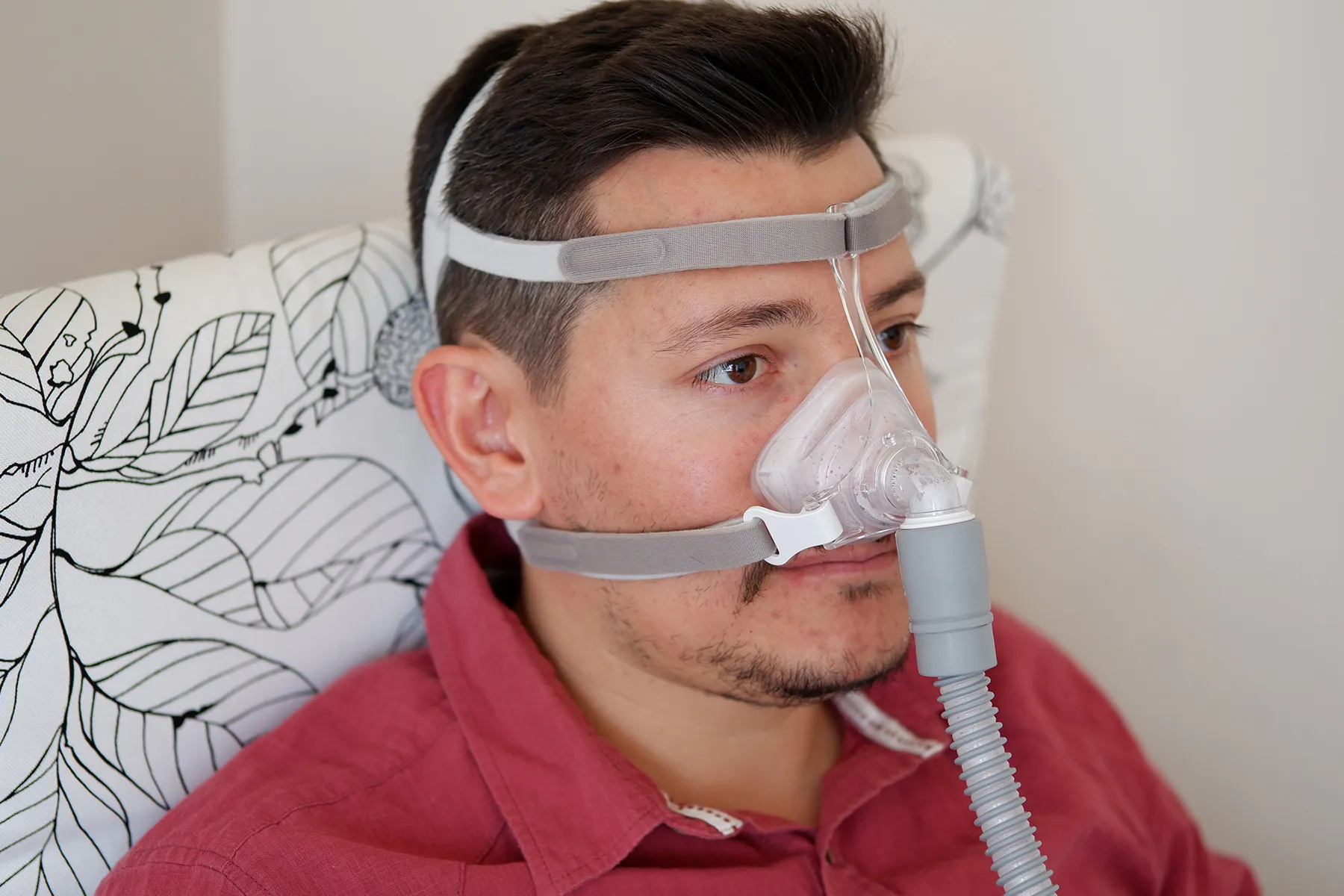
The setup usually includes a small machine, a hose, a mask, filters, and often a humidifier chamber. The mask may cover the nose, the mouth, or both. Some people use nasal pillows that sit at the nostrils. Others need a full-face mask, especially if they breathe through the mouth at night. The best mask is not the fanciest one; it is the one you will actually wear.
CPAP vs. APAP vs. BiPAP
CPAP uses a fixed pressure prescribed after a sleep study or clinical evaluation. APAP, or automatic positive airway pressure, adjusts pressure within a prescribed range based on breathing patterns. BiPAP, or bilevel positive airway pressure, uses one pressure for inhaling and a lower pressure for exhaling. BiPAP may be considered for some people who cannot tolerate CPAP, need higher pressures, or have certain breathing conditions. The right device depends on the diagnosis, comfort, pressure needs, insurance requirements, and medical history.
Why CPAPs Help You Sleep Soundly and Snore Less
The main purpose of CPAP therapy is not simply to silence snoring for the benefit of the person sleeping six inches away with a pillow over their head. The bigger goal is to prevent airway collapse and reduce repeated breathing interruptions. When breathing is steadier, sleep can become deeper and less fragmented.
Many people who use CPAP consistently report waking up more refreshed, having fewer morning headaches, feeling less daytime sleepiness, and noticing better mood or concentration. Bed partners may report less snoring, fewer gasping episodes, and a dramatic reduction in the urge to relocate to the couch at 2:14 a.m.
CPAP therapy may also help reduce the stress that untreated sleep apnea places on the cardiovascular system. When breathing repeatedly stops, the body can experience oxygen dips and stress responses that affect heart rate and blood pressure. Keeping the airway open can help reduce those nightly disruptions.
Who Should Consider CPAP Therapy?
CPAP is commonly prescribed for people diagnosed with obstructive sleep apnea, especially moderate to severe OSA. It may also be recommended for mild sleep apnea when symptoms are disruptive or when other health risks are present. A diagnosis typically involves a sleep study, either at home or in a sleep lab, depending on symptoms and medical complexity.
You should talk with a healthcare professional about sleep apnea testing if you regularly snore loudly, wake up choking or gasping, feel exhausted despite enough hours in bed, have morning headaches, or have a partner who has witnessed breathing pauses. People with high blood pressure, obesity, type 2 diabetes, heart rhythm problems, or a family history of sleep apnea may also have increased risk.
What to Expect During the First Nights With a CPAP
The first night with a CPAP can feel strange. You may be aware of the mask, the airflow, the hose, the machine sounds, and the dramatic realization that bedtime now includes equipment. This does not mean you are failing. It means you are a human being wearing a breathing machine on your face while trying to relax. That is a learning curve, not a character flaw.
Some people adapt quickly. Others need several weeks. The key is not perfection on night one. The key is steady troubleshooting. Mask leaks, dry mouth, nasal congestion, claustrophobia, pressure discomfort, and hose tangles are common problems, and most have practical fixes.
Common CPAP Problems and Simple Fixes
Mask leaks: A leaking mask may whistle, blow air into the eyes, or reduce treatment effectiveness. The solution may be a different mask size, gentler strap adjustment, replacing worn cushions, or trying another mask style.
Dry mouth or dry nose: Heated humidification, a heated hose, nasal saline, or a better-fitting mask can help. Mouth breathing with a nasal mask may require a chin strap or switching to a full-face mask.
Pressure feels too strong: Many machines have a ramp feature that starts at a lower pressure and gradually increases after you fall asleep. Pressure relief settings may also make exhaling feel easier.
Claustrophobia: Practice wearing the mask while awake for short periods. Read, watch television, or listen to music with the machine on. Teach your brain that the mask is boring, not threatening.
Skin irritation: Clean the mask regularly, avoid overtightening, and consider mask liners or a different cushion material. If irritation persists, ask your clinician or equipment provider for help.
How to Make CPAP Therapy Easier to Stick With
CPAP success often depends less on willpower and more on setup. A person who has the wrong mask, dry air, poor instructions, and no follow-up is not “noncompliant.” They are under-supported. The first few weeks matter because early comfort problems can decide whether the machine becomes a nightly habit or an expensive dust collector with a hose.
Start With the Right Mask
Mask comfort is the heart of CPAP adherence. Nasal pillows may feel minimal and lightweight, but they may not suit people who need higher pressures or breathe through the mouth. Nasal masks work well for many users. Full-face masks can help mouth breathers or people with chronic nasal blockage. There is no gold medal for choosing the smallest mask. The winner is the mask that seals well and lets you sleep.
Use the Humidifier
Dry air can irritate the nose and throat. A heated humidifier adds moisture, making therapy more comfortable for many users. If you wake with a desert in your mouth, the humidifier is not a luxury spa feature. It may be the difference between “I can do this” and “absolutely not.”
Clean the Equipment Without Turning It Into a Hobby
CPAP cleaning matters, but it does not need to become a second job. Follow the manufacturer’s instructions for washing the mask cushion, tubing, and humidifier chamber. Use mild soap and water when recommended, let parts air-dry, and replace filters and cushions on schedule. Avoid harsh chemicals unless the manufacturer specifically allows them.
Track Your Data
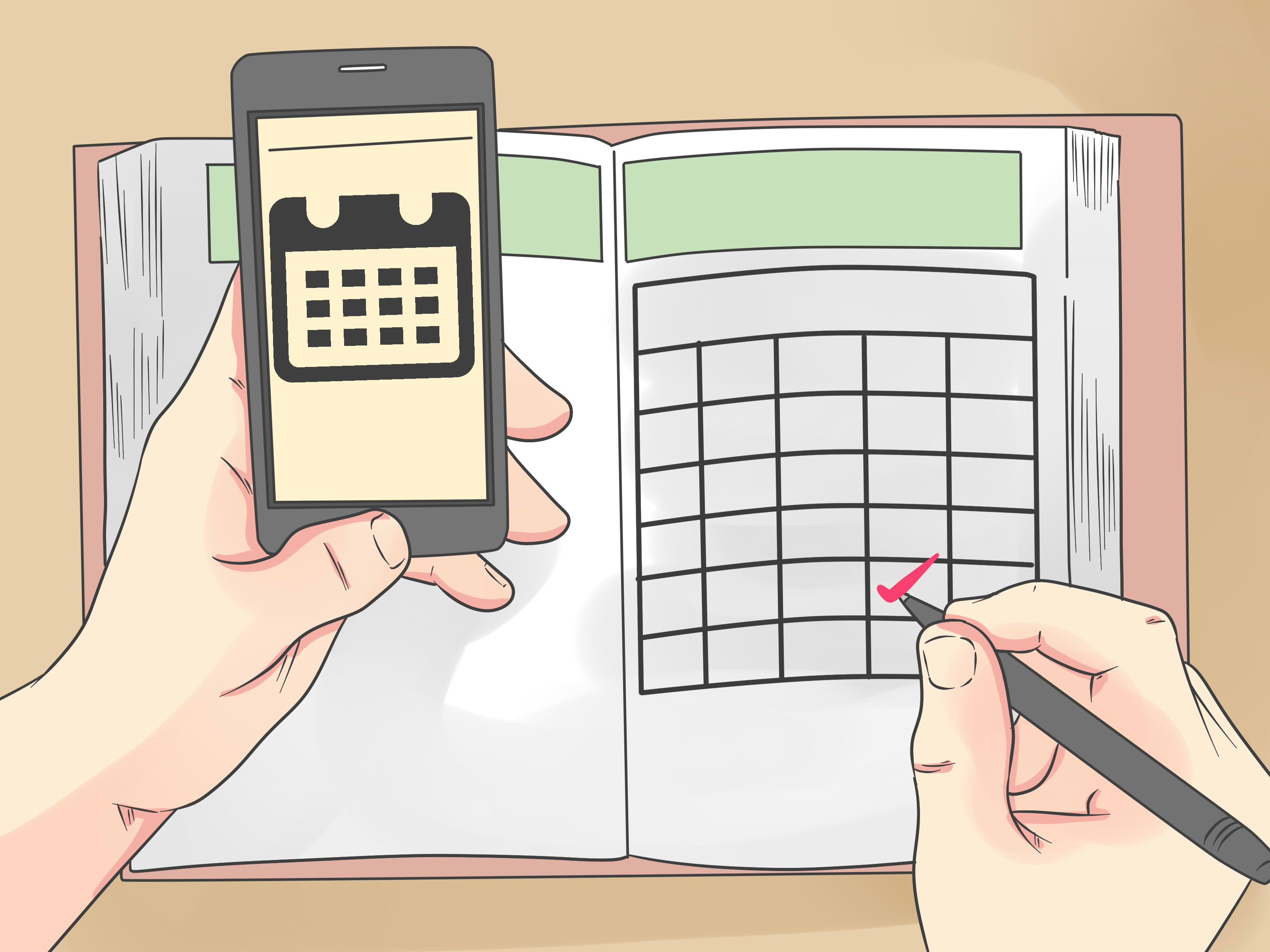
Many modern CPAP machines record usage, mask leak, and apnea-hypopnea index estimates. This data can help clinicians fine-tune therapy. It can also motivate users. Seeing progress makes the whole thing feel less like sleeping with a gadget and more like training for a championship in breathing.
Traveling With a CPAP
Traveling with a CPAP is easier than many beginners expect. Most machines are compact enough to carry, and many travelers bring them as medical devices. Pack the machine, mask, hose, power cord, adapter if needed, and distilled water if practical. For flights, check airline and airport rules in advance. A travel CPAP may be useful for frequent travelers, campers, or people who dislike giving half their suitcase to a bedside machine.
Do not skip therapy just because you are on vacation. Sleep apnea does not politely stay home and water your plants. If anything, travel can worsen sleep because of alcohol, irregular sleep schedules, unfamiliar beds, and sleeping on your back.
CPAP Safety and Device Awareness
CPAP machines are medical devices, so safety matters. Use the device as prescribed, keep it clean, and report discomfort, bloating, worsening symptoms, or unusual device behavior to a healthcare professional. People with implanted medical devices should ask about mask magnets, because some masks have magnetic clips that may interfere with certain implants.
Device recalls have affected some CPAP, BiPAP, and ventilator products in recent years, which is a reminder to register equipment with the manufacturer, watch for safety notices, and talk to your provider before stopping therapy. If a device is recalled, the safest next step depends on the model, the reason for the recall, and your personal health risks.
When CPAP Is Not Enough or Not Tolerated
CPAP is highly effective for many people, but it is not the only possible treatment. Alternatives may include oral appliance therapy, weight management when appropriate, positional therapy, nasal treatment, surgery, or hypoglossal nerve stimulation for selected patients. Some people use a combination of approaches. The best plan depends on anatomy, severity, symptoms, other health conditions, and what the person can realistically maintain.
The important thing is not to quietly abandon treatment. If CPAP feels impossible, tell your sleep team. There may be a different mask, pressure setting, humidification adjustment, device type, or treatment path that works better.
Real-World CPAP Experiences: The First 30 Nights
Many CPAP users describe the first week as a mix of hope, awkwardness, and mild betrayal by their own face. The mask may feel strange. The hose may flop around. The machine may seem louder than it actually is because the user is listening for it. A common first-night thought is, “People sleep like this?” The answer is yes, but usually after some experimenting.
One common experience is the mask shuffle. A person starts with nasal pillows because they look small and friendly, then discovers that mouth breathing turns their throat into toast. They try a chin strap, adjust humidity, and maybe switch to a full-face mask. Suddenly, the leak numbers improve, the mouth dryness fades, and therapy becomes less dramatic. The lesson: the first mask is not always the forever mask.
Another common experience is pressure panic. The airflow feels too strong at first, especially when lying awake. Ramp settings can help because the machine begins gently and rises later. Some people practice for 20 minutes before bed while reading or watching a calm show. This trains the brain to stop treating the mask like an emergency squid attached to the nose.
Bed partners often notice changes before the CPAP user does. The room becomes quieter. Gasping decreases. The partner may sleep more deeply because they are no longer monitoring breathing like an unpaid night-shift respiratory therapist. In many households, CPAP therapy improves sleep for two people, not one.
Morning results vary. Some users feel better within days. Others improve gradually over weeks as sleep debt begins to lift. A realistic goal is not waking up as a brand-new superhero after one night. It is noticing fewer headaches, less afternoon sleepiness, steadier energy, or better concentration over time.
There can also be emotional resistance. Some people feel embarrassed by the mask or worry it affects intimacy. That is normal. Humor helps. So does remembering that untreated sleep apnea is far less romantic than a quiet machine that helps someone breathe. Confidence grows when CPAP becomes part of the bedtime routine instead of a nightly negotiation.
The most successful users often become practical problem-solvers. They keep wipes or cleaning supplies nearby. They refill the humidifier before getting sleepy. They place the hose where it will not tug. They contact the equipment provider instead of suffering through leaks for three months. They treat CPAP like eyeglasses: maybe not thrilling, but extremely useful when properly fitted.
By the end of the first month, many people who stuck with troubleshooting say the machine feels ordinary. Not glamorous. Not invisible. Just ordinary. And ordinary is a victory when it means better breathing, quieter nights, and fewer mornings that feel like waking up inside a fog machine.
Conclusion: Better Breathing, Better Nights
CPAP therapy is one of the most common and effective treatments for obstructive sleep apnea. It helps keep the airway open, reduces breathing interruptions, and often helps people snore less and sleep more soundly. The machine may look intimidating at first, but most CPAP problems are solvable with the right mask, humidity settings, pressure adjustments, cleaning routine, and follow-up support.
If you suspect sleep apnea, do not diagnose yourself based on snoring volume alone, even if your dog has started sleeping in another room. Talk with a healthcare professional about symptoms and testing. If you already have a CPAP and hate it, do not give up silently. Better sleep may be one mask fitting, humidifier tweak, or pressure adjustment away.
Note: This article is for general educational purposes only and does not replace professional medical advice, diagnosis, or treatment. Always follow your clinician’s instructions for CPAP pressure, mask type, cleaning, and device safety.