Everyone has a few things they would rather not leave sitting in plain sight: emergency cash, spare keys, family keepsakes, passports, jewelry, backup drives, or that one birthday card from Grandma with money still inside because you are “saving it for something special.” The problem is simple: obvious hiding places are obvious for a reason. A sock drawer is not exactly Fort Knox. A jewelry box on a dresser might as well be wearing a neon sign that says, “Tiny valuable things live here.”
That is where clever secret hiding places come in. The best hidden storage ideas are not dramatic movie-vault setups with lasers and a soundtrack. They are ordinary, boring, easily overlooked spaces that blend into daily life. A great hiding place should be discreet, dry, safe, legal, and practical enough that you can remember where you put the item. Because nothing ruins a “secret spot” faster than becoming your own treasure-hunting villain.
Before we begin, a smart note: these ideas are for lawful valuables, emergency documents, small keepsakes, and household organization. Do not use hidden compartments for unsafe, illegal, hazardous, or stolen items. For irreplaceable documents, expensive jewelry, or large amounts of cash, a fireproof and waterproof safepreferably anchoredis still the grown-up answer. Secret hiding places are a useful layer of protection, not a substitute for locks, insurance, alarms, and common sense.
Why Secret Hiding Places Work
Most quick home thefts are about speed. A person looking for valuables usually checks predictable places first: dresser drawers, nightstands, closet shelves, jewelry boxes, office desks, medicine cabinets, and anywhere that looks like it was designed to hold money. Clever hiding places work because they interrupt that pattern. They place ordinary valuables inside ordinary-looking surroundings.
The trick is not to make your home look like a spy museum. The trick is to choose hiding spots that match your lifestyle. A fake book safe in a house with no books is suspicious. A hidden box inside a bin labeled “Old Tax Receipts 2014” is believable, because nobody wants to read old tax receipts. Not even tax receipts want to read old tax receipts.
12 Clever Secret Hiding Places for Your Home
1. Inside a Box Within a Box
This is one of the simplest secret hiding places because it uses camouflage, not construction. Place a small container with valuables inside a larger storage bin filled with boring household items. Think spare extension cords, old craft supplies, seasonal decorations, or appliance manuals you are emotionally unable to throw away.
The key is labeling. A bin marked “Holiday LightsHalf Broken” is far less tempting than one labeled “Important Stuff.” Use a sturdy inner box, keep items sealed in a pouch, and avoid storing anything delicate where heat, dust, or moisture could cause damage.
2. Behind a False Bottom in a Drawer
A false-bottom drawer is a classic hidden storage idea because it keeps items close but out of sight. It works best for small documents, cash envelopes, backup keys, or flat keepsakes. The goal is to create a shallow layer beneath the visible drawer contents.
You do not need to turn the drawer into a magician’s cabinet. A thin removable panel cut to fit the drawer can create a discreet compartment. Put normal items on top: socks, scarves, office supplies, or old instruction manuals. Just make sure the drawer still opens smoothly. If it suddenly weighs as much as a bowling ball, the secret is no longer subtle.
3. In a Hollowed-Out Book on a Crowded Shelf
The book safe is famous for a reason. It blends beautifully into homes where books are already part of the decor. The mistake is placing one lonely “dictionary” on a shelf in a house where nobody owns a dictionary, reads dictionaries, or has even said the word dictionary since 2006.
Use this idea only if it fits naturally. A hollow book tucked among similar hardcovers can hold small items like keys, memory cards, or emergency cash. Avoid storing irreplaceable documents there, especially if the book might be donated during a cleaning spree. Nothing says tragedy like accidentally giving your emergency fund to a community book sale for one dollar.
4. Inside a Wall Clock with Hidden Storage
A wall clock with a hidden compartment is a practical “hide in plain sight” option. It looks decorative, serves a normal purpose, and can store small lightweight items. It is especially useful in a home office, hallway, laundry room, or guest room where the clock does not look staged.
Choose a clock that matches your decor. If every room in your home is minimalist and suddenly there is a giant antique clock shaped like a pirate ship, people may ask questions. Keep the contents light, avoid anything that rattles, and place it where it is not constantly handled.
5. In an Empty Cleaning Product ContainerSafely Prepared
An empty container can become a clever decoy, but safety matters. Never use a container that still has chemicals, residue, strong odors, or moisture. Clean and dry it completely, and do not store anything edible or child-accessible inside it. Better yet, use a purpose-made diversion container that only looks like a household product.
This hiding place works because most people are not excited to inspect a bottle of “floor cleaner.” Still, use caution. Keep it away from children, pets, and actual cleaning supplies so nobody accidentally treats it like the real thing. A secret spot should not create confusion during chore day.
6. Under a Removable Stair Tread
If your home has stairs, a removable stair tread or discreet under-stair compartment can provide hidden storage for small valuables or documents in protective sleeves. This option is more involved than using a box or book, but it can be excellent when built properly.
The compartment should not weaken the stairs, squeak loudly, or require suspicious gymnastics to access. If you are not handy, ask a professional carpenter. “I made a secret compartment” sounds cool; “I made the stairs collapse” sounds like an insurance conversation.
7. Behind a Removable Air Vent Cover
A faux vent or a nonfunctional vent-style storage panel can be a smart hiding place, especially in hallways or utility areas. It should be installed safely and should never block real airflow, heating, cooling, or ventilation. Blocking an actual vent can affect your HVAC system and may create moisture or air-quality problems.
The safest route is to use a purpose-built fake vent compartment rather than modifying an active vent. Store only small items, keep them in sealed bags, and avoid heavy objects that could fall or damage the wall.
8. Inside a Storage Ottoman or Bench
Furniture with built-in storage is not always “secret,” but it is excellent for hidden-in-plain-sight organization. Storage ottomans, benches, and lift-top coffee tables can conceal important items inside ordinary living-room furniture. This works best when the storage space also contains everyday items, like blankets, board games, or seasonal pillow covers.
For added discretion, place valuables inside a smaller pouch or box beneath the regular contents. Just do not bury them under so many blankets that retrieving your passport requires an archaeological permit.
9. In the Back of a Closet, Above Eye Level
High closet shelves are easy to overlook, especially when they hold labeled bins that look boring and ordinary. Use a lidded container placed behind other containers, and choose labels that sound dull but believable: “Winter Gloves,” “Old Cables,” “Extra Curtains,” or “Warranty Papers.”
This spot is best for items you do not need every day. Keep important papers in waterproof sleeves, avoid extreme heat or humidity, and do not stack the container so high that you need mountain-climbing gear to reach it.
10. Inside a Plain Kitchen Pantry Box
A pantry can be a clever place for small hidden storage, but only when done safely. Use an empty dry-goods box that is clean, dry, and clearly separated from actual food. A sealed inner pouch can hold emergency cash, a spare key, or a small backup drive.
Choose something boring and shelf-stable-looking, not a snack everyone loves. Hiding cash in a cookie box is risky if someone in the house has a midnight dessert personality. The best decoy is the item nobody wants to touch, like plain bran cereal. Bran cereal: protecting valuables through sheer lack of popularity.
11. Behind Framed Art or a Mirror
A small wall safe or flat hidden pouch behind framed art can work well when installed carefully. The frame should hang naturally and not look like it is guarding the crown jewels. Heavy safes need proper anchoring into studs or masonry, and renters should check lease rules before drilling.
This is a smart place for documents, jewelry, or backup cash, especially when combined with a locking safe. The best version looks like normal decor. The worst version is a crooked painting that everyone bumps into and says, “Why does this landscape clank?”
12. In a Fireproof, Waterproof Safe Hidden in a Boring Place
The smartest hiding place may still be a safejust not one sitting in the most obvious location. A portable safe in a bedroom closet is better than nothing, but a heavy, anchored safe in a less predictable location is better. Basements, utility rooms, built-in cabinets, and concealed wall spaces can work, depending on the home.
Use this for passports, birth certificates, insurance documents, property records, external drives, and valuables that would be painful or impossible to replace. Choose fire and water protection when documents are involved. A hidden spot may fool a thief, but it will not impress a house fire or flood. Fire and water do not care how clever your label maker is.
Secret Hiding Places to Avoid
Some hiding places are famous because everyone has heard of them. That means they are not very secret anymore. Avoid placing valuables under mattresses, inside sock drawers, in jewelry boxes, in nightstands, beneath welcome mats, inside obvious fake rocks by the front door, or in the medicine cabinet. These are the “greatest hits” of places people check first.
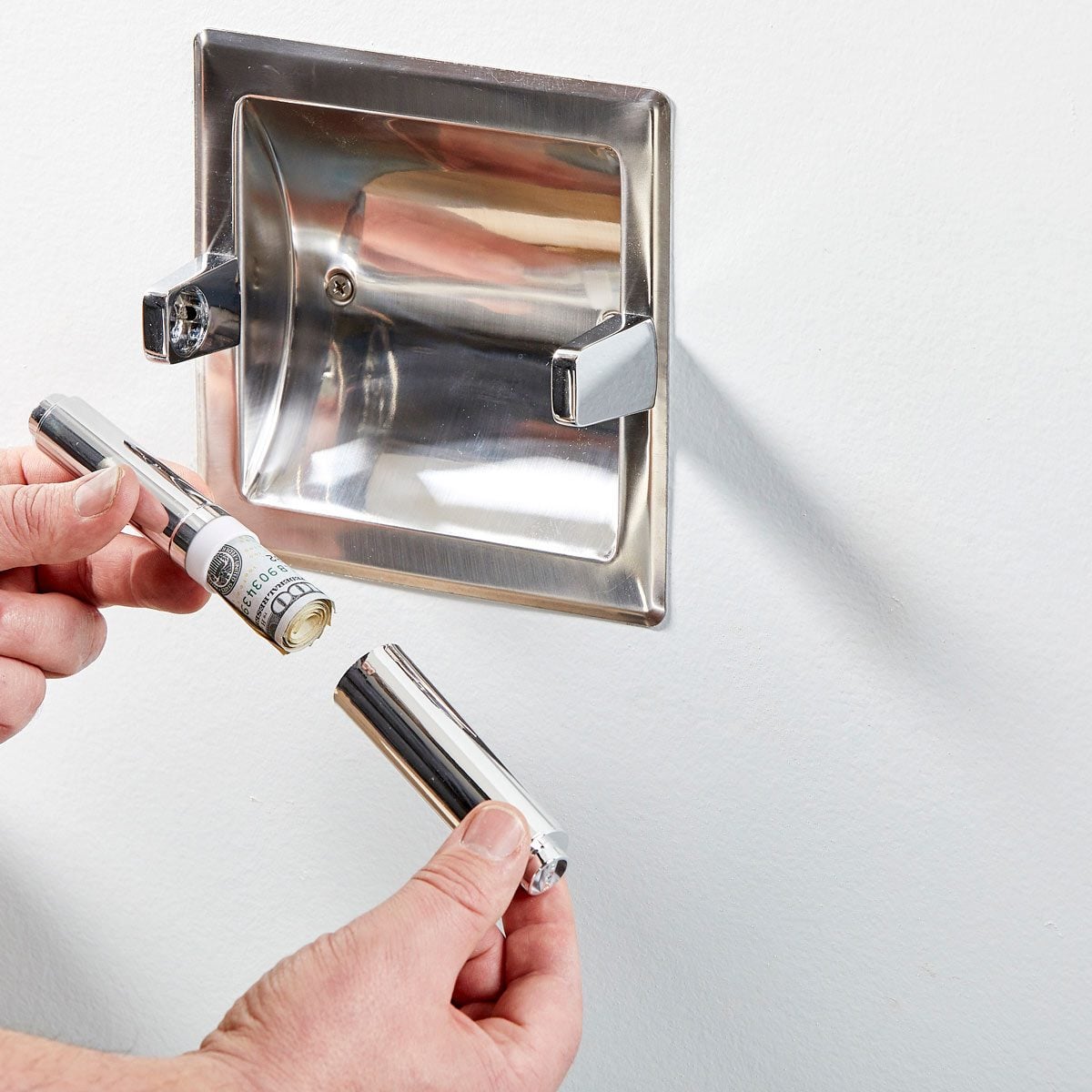
Also avoid locations that can damage your valuables. Toilet tanks, damp garages, unsealed outdoor containers, food jars, paint cans, and chemical containers can ruin paper, electronics, jewelry, or photos. A hiding place is not clever if it turns your passport into soup.
How to Choose the Best Hiding Place
A good secret hiding place should pass five tests. First, it should be believable in your home. Second, it should protect the item from heat, moisture, pests, and accidental damage. Third, it should be accessible to you but not obvious to guests. Fourth, it should not create safety risks. Fifth, it should not be so clever that you forget it exists.
Make a private inventory of important items and store that inventory securely. You do not need to write “cash hidden in cereal box” on a sticky note stuck to the fridge. But you should have a safe, private way to remember where important documents and valuables are located. Your future self will thank you, possibly with snacks.
Smart Security Layers Beyond Hidden Storage
Secret hiding places are only one part of home security. Strong locks, window security, outdoor lighting, trimmed landscaping, security cameras, alarms, and good neighborhood awareness all matter. Keep valuables away from windows where they can be seen from outside. Lock doors and garages even when you are home. Do not advertise travel plans publicly. And when possible, store high-value or irreplaceable items in a properly rated safe or bank safe deposit box.
Think of hidden storage as the backup singer, not the whole band. It adds harmony, but it should not be responsible for the entire concert.
Real-Life Experience: What Actually Works at Home
After years of seeing how people organize homes, move apartments, clean garages, and panic-search for passports the night before a flight, one lesson becomes clear: the best secret hiding places are not the most dramatic. They are the ones that fit smoothly into a normal routine. A hidden wall compartment sounds exciting, but if you need a screwdriver, flashlight, and emotional support just to access your spare cash, you will eventually stop using it.
The most practical approach is to divide valuables into categories. Daily-use items should not be deeply hidden. Spare keys, a little emergency cash, and backup cards should be reachable but not obvious. Important documents should be protected from fire and water, not just from curious eyes. Sentimental items should be stored where they will not be crushed, forgotten, or accidentally donated. This system prevents the classic problem of creating one “super secret” location that becomes cluttered with everything from old coins to expired coupons.
One surprisingly effective experience-based tip is to use boring labels. People underestimate the power of dullness. A box labeled “Photos” might attract curiosity. A box labeled “Old Router Cables” is basically invisible. Nobody wants to open that. Not even you. Especially not you. The same principle works in closets, garages, laundry rooms, and home offices. The more ordinary the container looks, the less attention it receives.
Another lesson: never hide valuables in places that other household members regularly clean, reorganize, or raid for snacks. A pantry hiding spot is clever until someone decides to declutter expired food. A book safe is clever until a family member donates old books. A storage ottoman is useful until guests start searching for blankets. Before choosing a hiding place, ask, “Who else touches this area?” If the answer is “everyone, including the dog,” choose somewhere else.
Moisture is another real-world problem. Garages, basements, bathrooms, laundry rooms, and kitchens can be risky for documents and electronics. Even a clever hiding place can fail if humidity curls paper, rusts metal, or damages a flash drive. Use sealed pouches, document sleeves, and waterproof containers for anything sensitive. For truly important papers, use a fireproof and waterproof safe. It may not feel as sneaky as a fake soup can, but it is much better when life gets messy.
Finally, the best hiding system includes memory. People often hide items “temporarily” and then forget where temporary went. Create a private, secure record for yourself, especially for documents your family may need in an emergency. A hiding place should reduce stress, not create a household escape room called “Where Did I Put the Birth Certificate?” Clever is good. Practical is better. Clever and practical together? That is the secret compartment jackpot.
Conclusion
Clever secret hiding places work best when they are simple, safe, believable, and supported by real security habits. A box inside a boring box, a false-bottom drawer, a hidden clock, a high closet bin, or a properly concealed safe can help keep small valuables and important documents out of plain sight. But the smartest strategy is layered: hide wisely, lock properly, protect against fire and water, and avoid obvious places that thieves already know.
The goal is not to turn your home into a spy thriller. The goal is to make your valuables harder to find, easier to protect, and less likely to wander off during daily life. Choose hiding places that match your home, label boringly, store safely, and remember where everything is. Because the only thing worse than a thief finding your secret spot is you not finding it either.