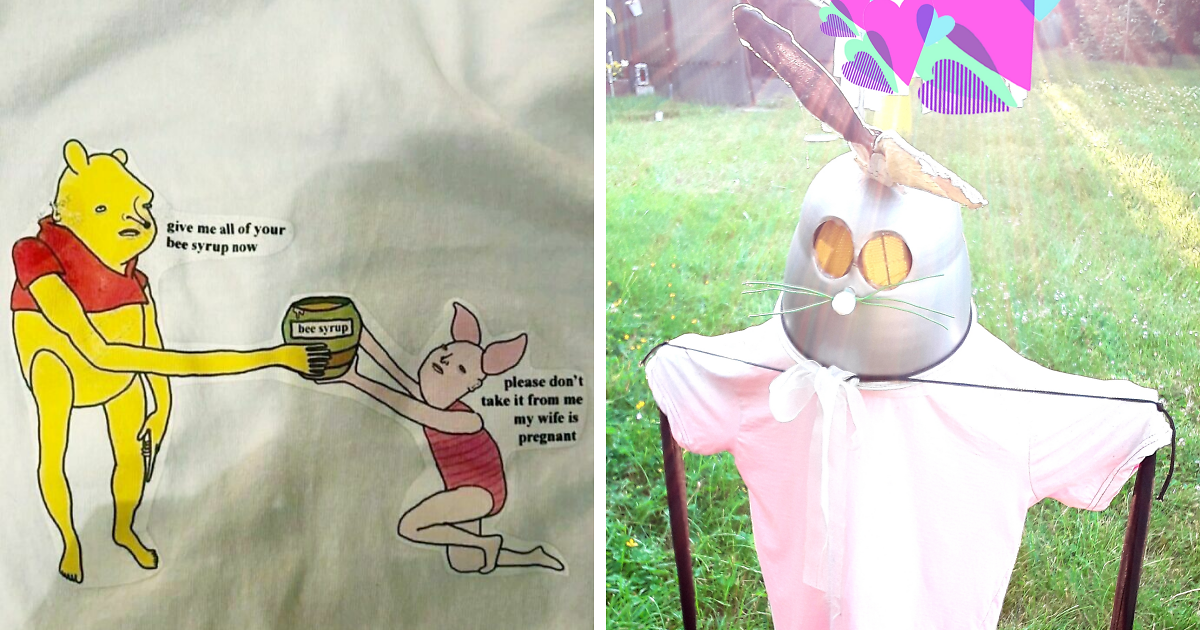
Everybody owns at least one object that raises questions. Maybe it is a porcelain frog dressed like a Victorian lawyer. Maybe it is a jar of beach sand labeled “Probably Delaware.” Maybe it is a tiny plastic baby found in a king cake five years ago and kept in a jewelry box like a cursed heirloom. Whatever it is, the weirdest thing you have is rarely just “stuff.” It is a story wearing a disguise.
The prompt “Hey Pandas, Show Us The Weirdest Thing You Have?” works because it taps into something delightfully human: our love of odd objects, strange keepsakes, funny collectibles, and personal treasures that make no sense until someone explains them. A weird item can be a souvenir, a joke, a family mystery, a thrift-store triumph, or evidence that you once had too much free time and access to glue.
In a world full of polished photos and perfect shelves, weird things feel refreshingly real. They remind us that people are not minimalist showroom catalogs. We are walking museums of impulse buys, emotional attachments, half-finished hobbies, and “I don’t know why I still have this, but don’t touch it.”
Why We Love Weird Things
Weird objects pull attention because they interrupt the expected. A regular spoon is just a spoon. A spoon with a tiny carved wizard at the end becomes a conversation. Our brains notice novelty quickly, and unusual items often feel more memorable than ordinary ones. That is why a strange object on someone’s desk can start a better conversation than a weather report ever could.
People also collect weird things because objects help organize memory. A cracked mug may remind someone of a road trip. A broken key might belong to a first apartment. A rubber chicken could be from a college prank that somehow survived three moves, two jobs, and one very confused landlord. The object is small, but the story attached to it is huge.
Weird Does Not Mean Worthless
One of the best parts of unusual personal items is that their value often has nothing to do with money. A rare antique may be valuable to collectors, but a goofy refrigerator magnet from a disastrous vacation may be priceless to the person who lived through it. Weird things people own often become emotional bookmarks. They say, “This happened. I was there. And yes, apparently I bought a ceramic possum.”
Museums understand this better than anyone. Institutions preserve ordinary and extraordinary items because objects can tell stories that words alone cannot. A dress, a lunchbox, a tool, a ticket stub, or a toy can reveal how people lived, what they valued, and what made them laugh. On a smaller scale, our homes do the same thing. A drawer full of strange objects is basically a private museum with worse lighting.
The Most Common Types of Weird Things People Keep
When people respond to a funny show-and-tell prompt like “Hey Pandas, Show Us The Weirdest Thing You Have?”, their answers usually fall into a few gloriously odd categories. Some are sweet, some are hilarious, and some make you whisper, “Please explain immediately.”
1. Thrift Store Mysteries
Thrift stores are the natural habitat of weird objects. They contain lamps shaped like ducks, portraits of strangers, decorative plates with oddly intense messages, and figurines that look like they were designed during a fever dream. The appeal is simple: thrift-store weirdness feels like treasure hunting. You are not just buying an item; you are adopting a question mark.
Examples include a painting of a cat in military uniform, a mug that says “World’s Okayest Uncle,” or a ceramic clown that looks emotionally unavailable. These items often become favorites because they arrive with mystery already built in. Who owned this? Why did they give it away? Why does the clown know my secrets?
2. Family Oddities
Some of the weirdest possessions come from relatives. Families pass down rings, recipes, photographs, and occasionally objects that nobody can identify. Maybe it is a wooden tool from a great-grandfather’s workshop. Maybe it is a box of buttons organized by “vibes.” Maybe it is a stuffed fish wearing sunglasses because Aunt Linda had range.
Family oddities are special because they mix history with confusion. Even when the story has been lost, the object still feels important. It becomes a family riddle, and every holiday someone repeats the same line: “We should really ask Grandma what this is.” Then nobody does, because pie happens.
3. Childhood Relics
Childhood keepsakes can be wonderfully strange. Kids attach meaning to objects adults would throw away in seven seconds: a shiny rock, a plastic dinosaur missing a leg, a sticker collection, a tiny toy from a cereal box, or a notebook full of dramatic dragon sketches. Years later, those things become tiny time machines.
Keeping a weird childhood item is not silly. It can be a way of staying connected to an earlier version of yourselfthe one who believed a marble was treasure and a cardboard box was real estate. Honestly, that kid had vision.
4. Travel Souvenirs That Got Out of Hand
Travel souvenirs are supposed to be simple: postcards, magnets, maybe a tasteful ornament. But sometimes people come home with something much stranger. A coconut painted like a pirate. A tiny bottle of sand. A carved mask that looks judgmental. A souvenir spoon from a city they did not even visit because the airport gift shop was persuasive.
These odd personal items often become proof that travel does not always go as planned. The weirder the souvenir, the better the story. Nobody asks about the normal postcard. Everybody asks why there is a taxidermy-looking squirrel wearing a cowboy hat on the bookshelf.
5. Hobby Evidence
Hobbies produce weird objects at an alarming rate. Knitters have yarn that looks like it came from a mythical sheep. Gamers have limited-edition items only three people understand. Gardeners keep oddly shaped vegetables. Crafters save scraps “for later,” a magical time that may or may not arrive before the heat death of the universe.
Hobby-related weirdness is wonderful because it shows passion. It says, “I cared enough about this activity to own specialized tools, experimental materials, and at least one object that scares guests.”
Why Weird Objects Make Great Conversation Starters
A strange item can do what small talk often cannot: create instant curiosity. “Nice weather” gets a polite nod. “Why do you have a framed photo of a raccoon eating spaghetti?” gets the room’s full attention.
This is why questions about weird possessions work so well as icebreakers. They are personal without being too invasive. They invite humor, storytelling, and surprise. They also allow people to share something memorable without needing to reveal anything too private. A weird object is a safe doorway into personality.
Weird Items Reveal Taste, Humor, and History
What people keep says something about them. A shelf of miniatures may reveal a love of detail. A collection of vintage keys may show fascination with history. A rubber alien wearing a cowboy hat may reveal that someone should not be left unsupervised near novelty bins. Either way, the item becomes a little portrait of the owner.
That is why online communities love this kind of prompt. It turns passive scrolling into participation. Instead of simply viewing content, people become contributors. They upload photos, write captions, compare stories, and suddenly everyone is united by the universal truth that humans are charmingly strange.
Collecting vs. Clutter: When Weird Stuff Is Healthy
There is a difference between collecting odd objects and being overwhelmed by possessions. Healthy collecting usually brings joy, order, and meaning. The items are displayed, organized, or at least intentionally kept. The collector can explain why the objects matter, even if the explanation begins with, “Okay, this sounds ridiculous, but…”
Problematic clutter is different. When possessions create distress, block living spaces, cause safety concerns, or become impossible to part with, the issue may go beyond collecting. Weird stuff should add personality to life, not trap someone under a landslide of mystery cables and old cereal boxes.
The good news is that most unusual personal items are harmless and even healthy. They can spark creativity, preserve memories, and strengthen social connection. The key is intention. Keep the weird thing because it means something, not because every object in the house has declared itself emotionally irreplaceable.
How to Share the Weirdest Thing You Have
If you are joining a “show us your weirdest thing” challenge, the best posts usually combine a clear photo with a short story. The object matters, but the caption is where the magic happens. A blurry picture of a strange lamp is fine. A blurry picture of a strange lamp with the caption “My uncle won this in a bowling tournament and refused to explain how” is excellent.
Use These Simple Tips
- Explain the origin: Where did it come from? A thrift store, a relative, a vacation, a yard sale, or the mysterious back of a closet?
- Add the emotional hook: Is it funny, creepy, nostalgic, confusing, or oddly comforting?
- Keep privacy in mind: Avoid showing addresses, personal documents, private photos, or anything that reveals information about someone else.
- Be respectful: If the object is connected to a culture, religion, or personal loss, describe it thoughtfully rather than turning it into a cheap joke.
- Let the weirdness breathe: Do not over-explain everything. Sometimes “I found it in the wall during renovation” is all the internet needs.
Specific Examples of Weird Things Worth Sharing
Need inspiration? Look around your home. The weirdest thing you have may not be hidden in a dramatic attic chest. It may be sitting on your desk, silently waiting for its moment.
A Tiny Chair With No Doll
A miniature chair can be adorable or mildly unsettling depending on lighting. People collect miniatures because they make familiar objects feel magical. A tiny chair, tiny frying pan, or tiny mailbox can trigger curiosity because it is recognizable but impractical. It is furniture for an invisible roommate.
A Rock That Looks Like Food
Many people keep rocks shaped like potatoes, hearts, animals, or suspiciously realistic bread. Nature has a sense of humor, and sometimes it makes geology look like lunch. These objects are great because they are both ordinary and absurd. It is just a rockuntil someone says, “Why do you have a biscuit on your bookshelf?”
A Weird Gift You Secretly Love
Bad gifts can become legendary. A mug shaped like a toilet, socks with your own face on them, a screaming goat figurine, or a calendar featuring dogs in historical costumes may not be elegant, but it is unforgettable. Sometimes the weirdest gifts become the best because they prove someone saw your personality and thought, “Yes, this person can handle a ceramic raccoon.”
An Object With No Known Purpose
Every household has at least one object nobody can identify. It looks useful. It may belong to a tool, a kitchen device, a game, a machine, or a civilization we have not yet discovered. Sharing these mystery items can be surprisingly fun because people love solving puzzles. The internet may identify it in five minutes, or it may collectively agree that you own a haunted bottle opener.
Why Weird Things Make Us Feel Less Alone
There is comfort in discovering that other people are just as odd as we are. When someone shares a shelf full of rubber ducks, a drawer of movie ticket stubs, or a framed photo of a stranger purchased at a flea market, it gives everyone else permission to admit, “Actually, I also have something weird.”
This is the deeper charm behind “Hey Pandas, Show Us The Weirdest Thing You Have?” It is not only about objects. It is about connection. Weirdness becomes a shared language. The stranger the item, the more likely it is to make someone laugh, remember, or say, “Wait, I have one too!”
The Beauty of Owning Something Completely Ridiculous
Modern life often pressures people to curate everything: homes, photos, hobbies, even personalities. Weird objects resist that pressure. They are not always aesthetic. They do not always match the furniture. They may not make sense in a lifestyle video. But they are real.
A weird thing can be a rebellion against boring perfection. It says your life has corners, jokes, mysteries, and stories that cannot be purchased as a matching set. That is worth celebrating. Besides, a house with one odd object is usually more interesting than a house where every item is beige and afraid of itself.
Extra Experiences: Real-Life Moments Inspired by Weird Possessions
One of the funniest experiences related to weird objects happens when guests notice something you forgot was strange. You have lived with the item so long it has become invisible. Then a friend stops mid-sentence and asks, “Why is there a tiny plastic skeleton in your plant?” Suddenly you remember that, yes, you placed it there during Halloween three years ago and decided the fern needed a guardian.
Another classic experience is the accidental collection. Nobody plans to collect bottle caps, frog figurines, hotel pens, or miniature spoons. It starts with one. Then someone gives you another because they think it is “your thing.” Before long, every birthday includes a frog-shaped item, and you are the frog person now. Congratulations. The frogs have chosen you.
Moving homes also reveals the true power of weird possessions. Packing forces you to ask hard questions. Do you need the broken alarm clock shaped like a hamburger? Probably not. Are you emotionally prepared to throw it away? Also no. The weird item survives because it has become part of your personal mythology. It may never be useful, but it has seniority.
Weird things can also become family legends. A strange lamp, ugly vase, or creepy doll may get passed from room to room as a prank. Someone hides it in a cabinet. Someone else finds it and places it on a pillow. Years later, nobody remembers who bought it, but everyone remembers the time it appeared in the refrigerator wearing sunglasses. That is not clutter. That is tradition with eyebrows.
There is also the joy of explaining a weird object to a child. Adults may see an odd souvenir and think, “Why did I buy that?” A child sees it and immediately builds a universe around it. A carved wooden bird becomes a magical messenger. A cracked teacup becomes a fairy bathtub. A weird item invites imagination because it does not fit neatly into normal categories.
Online sharing adds another layer. When people post their weirdest possessions, the comment section often becomes half comedy club, half detective agency. Someone identifies the object. Someone tells a similar story. Someone makes a joke so specific it deserves its own award. A simple photo becomes a community event.
Perhaps the best experience is realizing that your weird thing is not embarrassing at all. It is evidence of a life lived with curiosity. It shows you noticed something unusual and cared enough to keep it. In a world where many things are disposable, keeping a strange little treasure can be surprisingly meaningful.
Conclusion
The weirdest thing you have might be funny, spooky, sentimental, useless, beautiful, or impossible to explain without a ten-minute backstory and hand gestures. That is exactly why it matters. Weird objects remind us that personality lives in the details. They turn rooms into stories, shelves into memory archives, and ordinary conversations into unforgettable moments.
So the next time someone asks, “Hey Pandas, Show Us The Weirdest Thing You Have?”, do not panic. Look around. Open the drawer. Check the bookshelf. Investigate the box you labeled “miscellaneous” in 2018 and have feared ever since. Somewhere in your home is an object waiting for its spotlight. It may be strange, but it is yoursand that makes it wonderfully worth sharing.
SEO Tags
Note: This original article is written for web publishing in standard American English, with no copied source text, no unnecessary citation placeholders, and no private contributor details.