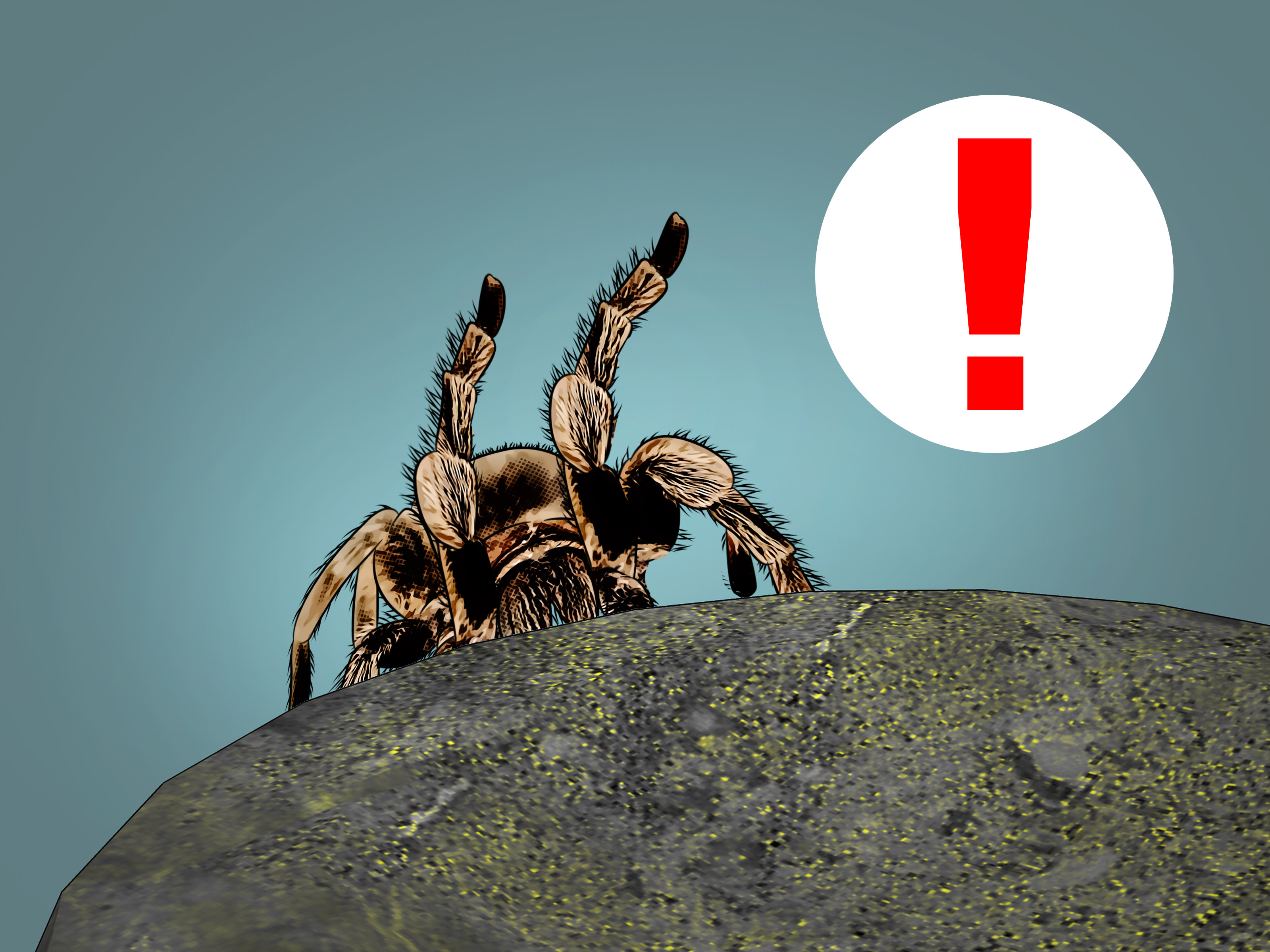
Bringing home a tarantula is not quite like adopting a golden retriever. There will be no squeaky toys, no dramatic tail wagging, and absolutely no need to buy a tiny sweater unless you enjoy confusing both yourself and the spider. Still, a tarantula can be one of the most fascinating pets you will ever keep. Quiet, mysterious, low-odor, and surprisingly delicate, this eight-legged roommate rewards patience more than cuddles.
Good tarantula care is not complicated, but it is specific. These animals are not decorations with legs. They need the right enclosure, a safe feeding routine, proper moisture, a peaceful environment, and an owner who knows when to leave them alone. In fact, “leave it alone” may be the most underrated tarantula care tip ever written.
This guide breaks tarantula care into three practical ways: creating the right habitat, feeding and hydrating correctly, and protecting your spider through molting, handling, and long-term health. Whether you are caring for a curly hair tarantula, Chilean rose tarantula, Mexican red-knee tarantula, pink-toe tarantula, or another beginner-friendly species, the goal is the same: give your tarantula a stable, species-appropriate life with as little stress as possible.
Way 1: Build a Safe, Species-Appropriate Tarantula Habitat
A tarantula’s enclosure is its entire universe. It is the bedroom, dining room, panic room, hunting ground, and spa retreat, all in one glass or acrylic box. Set it up correctly, and your tarantula can spend years calmly webbing, burrowing, hiding, and occasionally appearing at night like a tiny hairy landlord checking the rent.
Choose the Right Enclosure Size
The best tarantula enclosure is secure, ventilated, and sized for the spider’s body type. Bigger is not always better. A massive tank may look impressive to humans, but it can make prey harder to catch and increase fall risk for terrestrial species.
For most ground-dwelling tarantulas, such as curly hair, Chilean rose, or Mexican red-knee tarantulas, the enclosure should be longer than it is tall. A good rule is to provide floor space about three times the tarantula’s leg span in length and about two times the leg span in width. Height should be modest because terrestrial tarantulas are heavy-bodied and fragile. A fall from even a short distance can injure or rupture the abdomen.
For arboreal species, such as pink-toe tarantulas, height matters more. These spiders need vertical climbing space, cork bark, branches, and anchor points for webbing. Still, the enclosure must be escape-proof. Tarantulas are surprisingly talented at slipping through gaps, and nobody wants to discover a tarantula behind the bookshelf during tax season.
Use Safe Substrate
Substrate is not just “dirt for decoration.” It supports burrowing, helps manage humidity, softens movement, and gives your tarantula something natural to interact with. Coconut fiber, organic topsoil without fertilizers, peat-free reptile-safe mixes, or other arachnid-safe substrates are common choices.
Ground-dwelling tarantulas often appreciate several inches of substrate, especially burrowing species. Spiderlings and juveniles may dig more than adults, but even an adult tarantula benefits from a soft, stable floor. Avoid cedar, pine, scented bedding, gravel, sharp rocks, dyed mulch, or anything treated with chemicals. If it smells like a craft store candle aisle, it does not belong under your spider.
Add Hides, Cork Bark, and Simple Enrichment
Tarantulas are shy, solitary animals. They do not need a playground, but they do need places to feel hidden and secure. A half-log, cork bark slab, half flowerpot, or reptile hide gives your spider a retreat. For burrowers, partially burying cork bark can help them begin a tunnel. For arboreal species, upright cork bark and climbing structure are essential.
Keep decorations simple and stable. Heavy stones, sharp plastic plants, and unstable branches can become hazards. Every object should pass the “could this crush my spider?” test. If the answer is “maybe,” remove it. Tarantulas are impressive predators, but they are not built for interior design accidents.
Control Temperature and Humidity Without Overdoing It
Most commonly kept tarantulas do well around normal warm room temperatures, often in the 70°F to low 80°F range. Species vary, so research your exact tarantula before setting up heat. Many owners do not need special heating if the room is comfortable and stable. If supplemental heat is necessary, warm the room or use safe external heating methods carefully monitored with a thermometer. Avoid heat rocks and intense lamps. Tarantulas dislike bright light, and direct heat can dry or overheat the enclosure quickly.
Humidity depends heavily on species. Desert and scrubland tarantulas generally need drier conditions with access to fresh water. Tropical species may need more moisture, but “humid” does not mean “swamp.” Constantly wet substrate can encourage mold, mites, and poor ventilation. A better approach is to keep part of the substrate slightly moist when needed, provide a water dish, and maintain airflow.
A hygrometer can help, but do not worship the number like it is a sacred spider horoscope. Observe the animal and the enclosure. Is the substrate molding? Is condensation everywhere? Is the tarantula sitting constantly on the wall or water dish? Those are clues that something may be off.
Way 2: Feed and Hydrate Your Tarantula Properly
Tarantulas are carnivores, but they are not tiny garbage disposals. Feeding them correctly means offering safe prey, removing leftovers, respecting fasting periods, and keeping fresh water available. A healthy feeding routine is simple once you understand one golden rule: the prey should not become the villain in your spider’s story.
Feed Captive-Bred Insects
The best staple foods for pet tarantulas are captive-bred insects such as crickets, dubia roaches, locusts, and occasionally mealworms or superworms. Avoid wild-caught insects because they may carry pesticides, parasites, or other contaminants. That backyard grasshopper may look like a free snack, but it could be a tiny chemical mystery box.
Choose prey that is appropriately sized. A safe guideline is to offer insects no larger than the tarantula’s abdomen or body length, depending on the spider’s size and confidence. Small spiderlings need tiny prey or pre-killed food. Adult tarantulas can take larger insects, but there is rarely a need to offer vertebrate prey. Pinkie mice and lizards are sometimes mentioned in exotic pet circles, but they are messy, unnecessary for most pet tarantulas, and can foul the enclosure quickly.
Set a Sensible Feeding Schedule
Adult tarantulas commonly eat once every one to two weeks, though some species and individuals eat less often. Juveniles and spiderlings usually eat more frequently because they are growing. A fast-growing young tarantula may accept food several times per week, while a mature adult may ignore dinner for weeks and still be perfectly fine.
This is where new owners often panic. A tarantula refusing food does not automatically mean disaster. Tarantulas may fast before molting, after a large meal, during seasonal changes, or simply because they are tarantulas and enjoy keeping humans emotionally humble. As long as the abdomen remains reasonably full and the spider is not showing signs of injury or severe dehydration, short-term food refusal is often normal.
Remove Uneaten Prey
Never leave live prey in the enclosure for long periods. Crickets, especially, can bite a resting or molting tarantula. If the tarantula does not eat within a reasonable time, remove the prey. Many keepers remove uneaten insects within 24 hours, and much sooner if the spider appears to be in premolt.
Premolt signs may include refusing food, becoming sluggish, hiding more than usual, laying down extra webbing, or developing a darker abdomen. During this period, live feeders are risky. Imagine trying to change clothes while a cricket with poor boundaries nibbles your ankle. That is basically what a molting tarantula is trying to avoid.
Provide Fresh Water at All Times
Even tarantulas from drier habitats need access to water. Provide a shallow, clean water dish. The dish should be easy for the tarantula to access and not so deep that small spiders or feeder insects drown easily. For spiderlings, water can be offered with careful moisture management or a tiny dish appropriate to their size.
Change water regularly and clean the dish when it becomes dirty. Tarantulas may fill their dishes with substrate, web over them, or use them as construction materials. This is normal. It is also annoying. Congratulations: you now own a spider that redecorates badly.
Way 3: Support Molting, Low-Stress Handling, and Long-Term Health
Molting is one of the most important parts of tarantula care. It is also the part most likely to terrify beginners. A tarantula lying on its back can look like a tragedy, but it is often completely normal. During a molt, the spider sheds its old exoskeleton and emerges soft, vulnerable, and temporarily unable to defend itself well.
Understand the Molting Process
Before molting, a tarantula may stop eating, move less, darken in color, create a silk mat, or seal itself inside a hide or burrow. Some will flip onto their backs or sides when the molt begins. Do not touch, feed, poke, mist aggressively, or attempt a dramatic rescue. The best thing you can do is maintain stable conditions and leave the spider alone.
After the molt, the tarantula’s body and fangs are soft. Feeding too soon can result in injury because the spider cannot safely bite or digest prey. Juveniles may be ready sooner, but adult tarantulas often need a week or more before eating again. Larger species may need even longer. Wait until the fangs darken and the spider appears steady before offering a small meal.
Handle Only When Necessary
Tarantulas are best viewed, not handled. This may disappoint people who imagined a loyal shoulder spider, but handling is more for humans than for the animal. A tarantula gains little from being held and can suffer from stress, falls, or defensive reactions.
New World tarantulas may flick urticating hairs when threatened. These tiny barbed hairs can irritate skin and eyes. Old World tarantulas generally lack urticating hairs but are often faster and more defensive, with medically significant bites in some species. Either way, “look but do not grab” is a wise policy.
If you must move a tarantula, use the catch-cup method. Gently guide the spider with a soft brush into a clear plastic cup, slide a lid or card underneath, and move it safely. Keep movements slow and calm. Do not chase the spider around the enclosure like a villain in a low-budget monster movie.
Watch for Health Problems
A well-kept tarantula is generally hardy, but problems can happen. Warning signs include a severely shriveled abdomen, difficulty moving, injury, fluid leakage, persistent curling of the legs under the body, moldy enclosure conditions, unusual mouth residue, or extreme lethargy outside normal premolt behavior.
Dehydration is one of the more common issues. A dehydrated tarantula may appear weak or have a shrunken abdomen. Provide fresh water immediately and review temperature, ventilation, and humidity. If injury or illness is suspected, contact an exotic veterinarian or an experienced arachnid specialist. Not every clinic treats tarantulas, so it is smart to locate an exotic pet veterinarian before an emergency happens.
Choose the Right Tarantula From the Start
Good care begins before the spider comes home. Beginner keepers should consider hardy, captive-bred species known for calmer behavior and manageable care requirements. Curly hair tarantulas, Chilean rose tarantulas, Arizona blonde tarantulas, and Mexican red-knee tarantulas are commonly recommended for beginners, though individual temperament varies.
Buy from reputable breeders or rescues whenever possible. Captive-bred tarantulas reduce pressure on wild populations and usually come with better health and age information. Some tarantula species are affected by over-collection and habitat loss, so responsible sourcing matters. Also check local laws and regulations before purchasing exotic animals.
Common Tarantula Care Mistakes to Avoid
One of the biggest mistakes is overhandling. A tarantula is not antisocial because it refuses to binge-watch television on your hand. It is simply being a tarantula. Respecting that nature is part of good ownership.
Another mistake is overfeeding. A round abdomen is normal, but an overly swollen abdomen increases risk if the spider falls. Feed moderately and adjust based on age, species, and body condition. More food does not always mean better care.
Over-misting is another common beginner error. Moisture is important for some species, but stagnant, wet conditions can lead to mold and stress. Good ventilation is just as important as humidity. Think fresh and stable, not damp and funky.
Finally, avoid constantly rearranging the enclosure. Once your tarantula has built webbing, dug a burrow, or claimed a hide, it has invested effort into that space. Frequent redecorating may stress the animal. You may see a plain dirt box; your tarantula sees a custom fortress with silk flooring.
500-Word Experience Section: What Caring for a Tarantula Really Feels Like
Caring for a tarantula teaches a surprisingly useful life skill: patience. At first, many new keepers expect action. They set up the enclosure, introduce the spider, prepare the feeders, and wait for nature’s most dramatic mini-documentary to begin. Then the tarantula walks into a hide and vanishes for three weeks. Welcome to arachnid ownership.
The first experience most owners remember is the feeding response. You drop in a cricket, the tarantula freezes, and then suddenly moves with shocking speed. It is not chaos; it is precision. Tarantulas are ambush predators, and watching one hunt can be both thrilling and humbling. You realize this quiet animal has no interest in showing off, yet it is perfectly designed for its world.
The second big experience is learning not to interfere. When a tarantula refuses food, many beginners want to fix something. They adjust humidity, offer more prey, move decorations, shine lights, and generally behave like nervous restaurant managers. Over time, experienced keepers learn to observe first. Is the abdomen healthy? Is the spider preparing to molt? Are conditions stable? Often, the correct response is simply to remove the feeder and try again later.
Molting is the emotional final exam. The first time you find a tarantula on its back, your brain may shout, “Emergency!” But if you have done your research, you pause. You do not touch. You do not rescue. You let the spider perform one of the most delicate processes in the animal kingdom. Hours later, there may be a pale, soft tarantula beside a perfect ghost-shaped exoskeleton. It feels like witnessing a secret.
Another real-world lesson is that tarantulas are individuals. One curly hair tarantula may calmly sit near the entrance of its hide like a fuzzy door greeter. Another may bulldoze substrate into the water dish every single night with the determination of a tiny construction crew. A Mexican red-knee may spend evenings out in the open, while a shy burrowing species may be seen mainly during enclosure maintenance. None of this means the spider is “bad.” It means your job is to care for the animal you have, not the fantasy spider you imagined.
Cleaning also becomes a rhythm. Spot-clean boluses, remove uneaten prey, refill water, check for mold, and avoid destroying important webbing unless necessary. The enclosure should be clean, but not sterile in a way that constantly disrupts the tarantula. A little webbing is not mess; it is architecture.
Over months and years, the reward of tarantula keeping becomes clear. These pets are not affectionate in the usual sense, but they are deeply interesting. They slow you down. They make you pay attention to small changes: a sealed burrow, a fresh web mat, a plump abdomen, a new molt, a changed posture. Caring for a tarantula is less about control and more about respectful observation. It is a quiet hobby, but never a boring one.
Conclusion
Learning how to care for a tarantula comes down to three essentials: create the right habitat, feed and hydrate safely, and protect your spider from stress during handling, cleaning, and molting. Tarantulas are often described as low-maintenance pets, but low-maintenance does not mean no-maintenance. They need thoughtful setup, species-specific research, and a keeper who understands that calm consistency is better than constant interference.
If you provide secure housing, proper substrate, fresh water, safe captive-bred prey, and a peaceful environment, your tarantula can thrive for many years. Some females may live for decades, making them a long-term commitment rather than a spooky novelty purchase. Choose responsibly, avoid wild-caught animals when possible, and treat your spider like the specialized exotic pet it is.
In return, you get one of the most fascinating animals in the pet world: quiet, ancient-looking, efficient, and full of subtle behaviors. A tarantula will not fetch your slippers, but it may teach you to appreciate stillness, patience, and the strange beauty of a perfectly webbed burrow. Honestly, that is a pretty good deal for a pet that never barks at the mail carrier.
Note: This article is for general educational purposes. Tarantula care can vary by species, age, and health status. For serious concerns, consult an exotic pet veterinarian or experienced arachnid specialist.