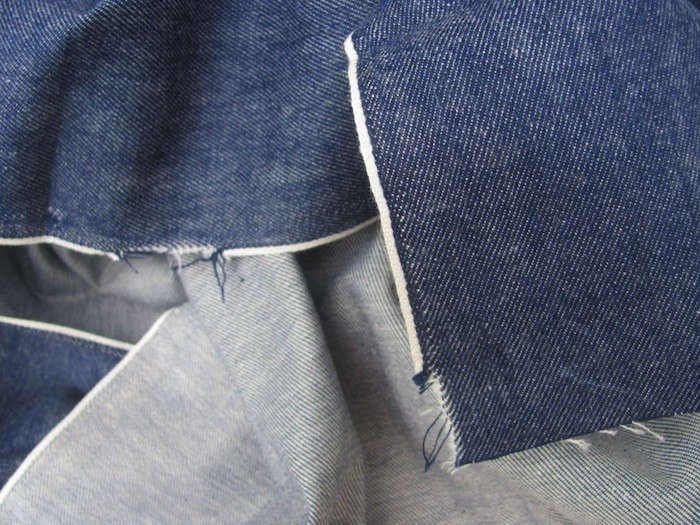
Vintage denim fabric is not just “old blue cloth with attitude.” It is a textile with memory, muscle, and a very specific kind of charmthe kind that makes a jacket look better after ten years than it did on day one. In a world full of fast fashion, stretch blends, and jeans that give up after three washes, vintage denim stands there like the cool uncle at the cookout: rugged, relaxed, and somehow still wearing better boots than everyone else.
At its best, vintage denim fabric tells a story through texture, fading, weight, weave, and wear. It may show whiskers around the hips, honeycombs behind the knees, softened indigo at the seams, or a beautiful uneven surface that modern fabrics often try very hard to fake. Whether you are a denim collector, a sewing enthusiast, a vintage shopper, or simply someone wondering why certain jeans cost more than a weekend getaway, understanding vintage denim helps you buy smarter, care better, and appreciate the craft behind this legendary fabric.
What Is Vintage Denim Fabric?
Vintage denim fabric generally refers to denim made in earlier decades or denim produced today using old-school methods, heritage-inspired construction, and traditional materials. The phrase can describe actual aged fabric from vintage jeans, jackets, workwear, deadstock rolls, or military and ranch clothing. It can also describe newly woven denim that imitates historic characteristics such as selvedge edges, ring-spun yarns, natural slub, rope-dyed indigo, heavier weights, and rigid cotton construction.
The heart of denim is simple: it is usually a sturdy cotton twill, most often woven with indigo-dyed warp yarns and undyed weft yarns. That construction gives denim its famous blue face and lighter interior. The diagonal rib, called twill, is not decorative fluff. It gives the fabric durability and helps create the distinctive way denim breaks in over time. Vintage denim fabric often feels more alive than flat modern denim because its yarns, weave tension, dye penetration, and finishing methods create irregularity. In denim, “irregular” is not an insult. It is a compliment with calloused hands.
A Short History of Denim: From Workwear to Wardrobe Royalty
Denim’s rise is closely tied to American workwear. In the late nineteenth century, durable pants were not a fashion statement; they were survival gear for miners, laborers, ranchers, and railroad workers. Levi Strauss and Jacob Davis famously received a patent in 1873 for riveted work pants, reinforcing stress points with metal rivets. That practical idea helped transform denim from tough fabric into an American icon.
Early denim was not designed for runway lighting or mirror selfies. It was made to take abuse. The fabric protected workers, held tools, endured dust, mud, sweat, and endless bending. Over time, blue jeans moved from mines and ranches to movie screens, college campuses, music stages, skate parks, and closets around the world. Vintage denim fabric carries that evolution in its fibers. It can look rebellious, practical, polished, or artistic depending on how it is cut and worn.
Why Vintage Denim Feels Different
One reason vintage denim fabric feels special is that older denim was often made with fewer shortcuts. Many vintage pieces used 100 percent cotton, rigid construction, and yarns that were less uniform than today’s highly controlled industrial materials. That lack of perfect sameness created character. Tiny variations in yarn thickness produced slub. Differences in dye absorption made fading more dimensional. Shuttle looms created narrow fabric with finished selvedge edges. None of these details shout, but together they make denim feel richer.
Modern mass-market denim is often designed for immediate comfort. It may include stretch fibers, chemical softeners, aggressive washing, sanding, resin treatments, or laser finishing. Those techniques can be useful, especially for comfort and fit, but they can also remove the long-term personality that denim lovers chase. Vintage denim is more like a sourdough starter than a microwave pancake. It asks for patience, then rewards you with flavor.
Key Characteristics of Vintage Denim Fabric
1. Heavier Cotton Feel
Vintage denim fabric often has a substantial hand. Denim weight is usually measured in ounces per square yard. Lightweight denim can be used for shirts and summer garments, while heavier denim is common in jeans, jackets, chore coats, and workwear. Many vintage-inspired jeans fall in the midweight range, around 12 to 15 ounces, though heavyweight denim can climb higher. A heavier fabric may feel stiff at first, but it gradually molds to the wearer.
2. Indigo Depth and Fading
Indigo is one of denim’s great tricks. In traditional denim, the warp yarns are dyed while the weft yarns remain lighter. Because indigo often sits closer to the surface of the yarn rather than fully penetrating the core, the fabric fades with wear. That is why old jeans develop bright creases, pale seams, soft knees, and high-contrast areas. The fabric records movement like a diary, except this diary has belt loops.
3. Selvedge Edges
Selvedge denim is woven on shuttle looms that create a self-finished edge. You can often spot it inside the outseam of jeans, especially when the cuff is rolled. The edge may show a colored ID line, often red, though other colors exist. Selvedge does not automatically make denim magical, but it is strongly associated with traditional weaving, slower production, and heritage construction. For collectors, that clean edge is a small but satisfying wink from the loom.
4. Ring-Spun Texture
Many vintage and premium denim fabrics use ring-spun yarns, which can create a stronger and more textured fabric than some open-end yarns. Ring-spun denim often has visible character: slight unevenness, depth, and a more complex surface. This is one reason vintage denim can look less flat and more dimensional, especially after washing and wearing.
5. Natural Wear Patterns
True vintage denim does not fade evenly like a printed filter. It fades according to the wearer’s life. Wallet outlines, pocket creases, knee marks, cuff roping, and seat wear all appear over time. Two people can buy the same jeans and end up with completely different results. This is the main reason denim enthusiasts talk about “earning fades.” Apparently, your pants can have a résumé.
Vintage Denim vs. Raw Denim vs. Selvedge Denim
These terms often overlap, but they do not mean the same thing. Vintage denim fabric refers to age, style, or old-school character. Raw denim means denim that has not been pre-washed after dyeing and weaving. It is usually stiff, dark, and ready to develop personalized fades. Selvedge denim refers to how the fabric edge is woven, usually on shuttle looms.
A pair of jeans can be vintage but not raw because it has been worn and washed for decades. A new pair can be raw and selvedge but not vintage, although it may be vintage-inspired. A thrifted denim jacket from the 1980s may be true vintage, even if it is not selvedge. Think of these words as cousins at the same family reunion. They are related, but please do not call them all by the same name unless you enjoy textile arguments at dinner.
Common Types of Vintage Denim Fabric
Rigid Denim
Rigid denim is usually 100 percent cotton with little or no stretch. It can feel firm at first, but it softens with wear. This is the classic choice for vintage jeans, trucker jackets, chore coats, aprons, tote bags, and utility garments.
Sanforized Denim
Sanforized denim has been pre-shrunk to reduce major shrinkage after washing. It is more predictable for modern buyers and sewing projects. Many vintage-inspired fabrics are sanforized because nobody wants their carefully sewn jeans to become denim capris by accident.
Unsanforized Denim
Unsanforized denim, sometimes called shrink-to-fit denim, has not been pre-shrunk. It can shrink noticeably after soaking or washing. Enthusiasts love it because it offers a traditional experience and can mold beautifully, but it requires careful sizing and patience.
Deadstock Denim
Deadstock denim refers to unused old fabric, often discovered in warehouses, mills, factories, or forgotten inventory. It may come from discontinued production runs. Designers and collectors value deadstock because it offers authentic vintage material without cutting up wearable garments.
Recycled Vintage Denim
Recycled denim may come from old jeans and cotton garments broken down and reused in new textiles, insulation, patchwork, or accessories. This gives worn-out denim a second life and supports circular fashion. Old jeans may retire from your closet, but they do not have to retire from usefulness.
How to Identify Quality Vintage Denim Fabric
Start with the hand feel. Good vintage denim usually feels firm, dense, and textured rather than flimsy or papery. Look closely at the weave. You should see a clear diagonal twill line. Examine the inside: traditional denim often has a lighter reverse side because the weft yarns are not dyed the same deep indigo as the warp.
Next, check seams and edges. Selvedge fabric may show a clean finished edge with a colored line. Chain-stitched hems can create beautiful roping fades. Copper rivets, sturdy buttons, bar tacks, and reinforced pockets are all good signs in jeans and jackets. On older garments, labels, care tags, stitch color, pocket shape, and hardware can help date the piece.
For fabric by the yard, inspect weight, width, shrinkage notes, fiber content, and finish. If a seller describes the fabric as vintage, ask whether it is true vintage, deadstock, reproduction, or simply vintage-style. Those categories matter. A reproduction fabric can still be excellent, but it should not be sold as original 1950s deadstock unless it really is.
Best Uses for Vintage Denim Fabric
Vintage denim fabric works beautifully for garments and home projects that benefit from durability and character. Jeans are the obvious choice, but not the only one. Denim jackets, overshirts, chore coats, aprons, utility vests, caps, tote bags, cushion covers, patchwork quilts, and upholstery accents can all shine in vintage denim.
Lighter vintage denim is ideal for shirts, dresses, relaxed pants, and warm-weather layering pieces. Midweight denim is versatile enough for everyday jeans, skirts, bags, and jackets. Heavyweight denim is best for structured garments and workwear-inspired projects. If you are sewing, match the fabric weight to the pattern. Your sewing machine may be brave, but it is not a bulldozer.
How to Care for Vintage Denim Fabric
Care depends on whether the denim is raw, washed, old, fragile, or blended. For true vintage garments, gentle treatment is best. Wash inside out in cold water, avoid harsh detergents, and air dry when possible. Heat can cause shrinkage, weaken fibers, and accelerate wear. If the denim is very old, hand washing or spot cleaning may be safer than tossing it into a machine with towels, zippers, and chaos.
Raw denim lovers often delay the first wash to encourage stronger contrast fades. More frequent washing creates a softer, vintage-style fade. Neither method is morally superior, despite what some denim forums may imply. If your jeans smell like a gym bag that lost a legal battle, wash them. Beautiful fades are nice; basic hygiene is undefeated.
Sustainability and the Value of Wearing What Already Exists
Vintage denim fabric has an important sustainability advantage: it already exists. Buying vintage, repairing old jeans, using deadstock fabric, and recycling denim can reduce demand for new resources. Cotton denim also has recycling potential, and programs have turned old denim into insulation and other useful materials.
That said, sustainability is not only about buying old clothing. It is about keeping garments in use longer. A well-made denim jacket worn for twenty years is usually a better choice than five trend-driven jackets worn for one season each. Repairing, patching, hemming, and resizing vintage denim can extend its life while adding even more personality. A patch is not failure. It is a plot twist.
Styling Vintage Denim Fabric Today
Vintage denim is surprisingly easy to style because it behaves like a neutral with personality. A faded denim jacket works with chinos, work pants, wool trousers, dresses, skirts, and even tailored pieces. Dark vintage denim jeans can look sharp with boots and a crisp shirt. Light-wash vintage denim brings a relaxed weekend mood without trying too hard.
The best rule is balance. If your jeans are heavily faded, pair them with cleaner pieces. If your denim jacket is boxy and rugged, balance it with softer textures or a simple white tee. Double denim can work, especially when the washes are different enough to avoid the “lost cowboy at the mall” effect. Dark jeans with a lighter jacket is a classic combination.
Buying Tips: What to Look for Before You Pay
When buying vintage denim fabric or garments online, measurements matter more than tag size. Vintage sizing often differs from modern sizing, and denim can shrink, stretch, or twist over decades. Ask for waist, rise, inseam, thigh, hem, shoulder, chest, and length measurements when relevant. For fabric, ask about yardage, width, fiber content, flaws, stains, fading, storage smell, and whether it has been washed.
Inspect photos carefully. Look for thinning areas, crotch wear, broken belt loops, damaged hems, stains, repairs, and uneven fading. Some flaws add charm; others become expensive sewing homework. If you plan to sew with old denim, consider whether the fabric has enough usable area. A pair of damaged jeans may still provide excellent panels for bags, patches, pockets, or quilting.
Common Myths About Vintage Denim Fabric
Myth 1: All Vintage Denim Is Better
Not always. Some vintage denim is wonderful. Some is tired, weak, badly stored, or simply ordinary. Judge the fabric, construction, and condition, not just the age.
Myth 2: Selvedge Always Means Superior
Selvedge can indicate traditional weaving, but quality depends on yarn, dyeing, construction, finishing, fit, and care. A beautiful non-selvedge vintage jacket can be more wearable than a stiff selvedge piece that does not fit.
Myth 3: Never Wash Denim
Denim can and should be washed when needed. Smart washing protects fibers, removes dirt, and keeps garments wearable. The trick is to wash gently, not fear water like the jeans are a house cat.
Experience Notes: Living With Vintage Denim Fabric
My best experience with vintage denim fabric starts with the first touch. There is a difference between fabric that merely looks old and fabric that has actually lived. Real vintage denim has softened edges, subtle grain, and a kind of quiet confidence. It does not need dramatic distressing or fake whiskers printed by a machine. It already has a face.
One of the most satisfying things about vintage denim is how it changes the way you think about clothing. With many modern garments, the goal is to keep them looking new. With vintage denim, the goal is almost the opposite: you want it to keep becoming itself. A jacket with faded elbows, a repaired cuff, or a sun-lightened collar feels personal. It becomes less like an item you bought and more like something you have traveled with.
Sewing with vintage denim fabric can be both rewarding and humbling. The material is tough, so it asks for sharp needles, strong thread, and patience. Thick seams can challenge basic machines, especially when several layers meet at a pocket or hem. But the results are worth it. A tote bag made from old jeans has more character than most store-bought bags. A patch cut from faded denim can rescue a torn knee and make the garment better than before. A quilt made from denim scraps feels heavy, practical, and comforting, like a blanket that knows how to change a tire.
Wearing vintage denim also teaches you to appreciate imperfections. A small stain may become part of the look. A repair can become a design feature. A faded pocket outline can tell you where someone carried a wallet, notebook, or maybe too many receipts from gas stations. This is clothing with evidence. It reminds us that style does not always come from perfection; sometimes it comes from use.
Another experience worth mentioning is the thrill of the hunt. Finding good vintage denim is not like buying a standard new item in three clicks. You inspect tags, compare measurements, check seams, look for hidden damage, and wonder whether that mysterious mark is “authentic patina” or “someone spilled barbecue sauce in 1994.” The search can be funny, frustrating, and addictive. But when you find the right piece, it feels earned.
Vintage denim fabric is also surprisingly versatile at home. Old denim makes excellent patchwork pillows, durable aprons, tool rolls, chair covers, and storage baskets. Because the fabric is strong, washable, and visually forgiving, it handles real life well. Pet hair, coffee drips, and daily use do not ruin the vibe; honestly, they may just join the committee.
The biggest lesson from living with vintage denim is simple: buy less, choose better, and repair more. A great denim piece does not have to be babied. It wants to be used. It wants sunlight, movement, road trips, workshop dust, city sidewalks, and laundry days. It wants to become specific to you. That is the magic of vintage denim fabric. It is durable enough to survive life and expressive enough to remember it.
Conclusion
Vintage denim fabric remains popular because it combines strength, history, sustainability, and style in one wonderfully stubborn textile. From indigo warp yarns and twill construction to selvedge edges and natural fades, every detail contributes to its lasting appeal. Whether you are buying vintage jeans, sewing with deadstock denim, repairing an old jacket, or simply learning why denim enthusiasts get emotional about cuff lines, the key is to respect the fabric’s character.
Good vintage denim does not chase trends. It breaks in, fades, softens, and becomes more interesting with time. That is rare in modern clothing, and it is exactly why vintage denim fabric continues to earn its place in closets, workshops, studios, and sewing rooms. Treat it well, wear it often, repair it proudly, and let it tell a story worth keeping.