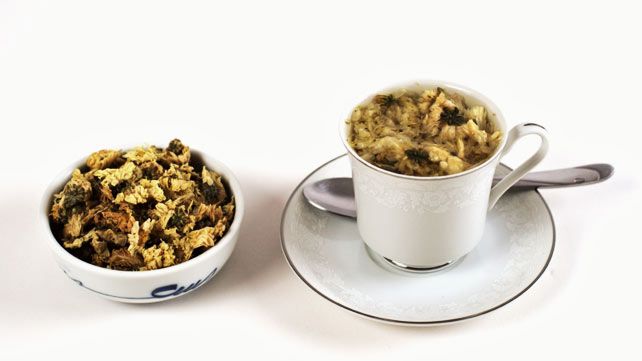
Chrysanthemum tea looks like something a poet would sip while pretending not to check email. Pale gold, floral, and gently sweet, this caffeine-free herbal infusion has been enjoyed for centuries in East Asian food culture and traditional wellness practices. Today, it is finding new fans in American kitchens, wellness blogs, tea shops, and “I am replacing my third coffee with something calmer” routines.
But what are the real chrysanthemum tea health benefits? Is it just a pretty drink, or does it actually deserve space next to green tea, chamomile, peppermint, and ginger? The honest answer: chrysanthemum tea may support hydration, provide plant compounds with antioxidant activity, fit naturally into a low-calorie lifestyle, and offer a soothing caffeine-free ritual. However, it is not a miracle cure, a medicine, or a floral shortcut around sleep, diet, exercise, and common sense. If wellness had a group project, chrysanthemum tea would be the elegant member who brings calm energy and good handwriting.
What Is Chrysanthemum Tea?
Chrysanthemum tea is an herbal infusion made by steeping dried chrysanthemum flowers in hot water. It is not a “true tea” like black, green, white, or oolong tea because it does not come from the Camellia sinensis plant. That means pure chrysanthemum tea is naturally caffeine-free, unless it is blended with caffeinated tea leaves.
The flavor is delicate, lightly floral, mildly sweet, and sometimes a little grassy. Depending on the variety and quality of the flowers, the tea can taste soft and honey-like or slightly herbal with a refreshing finish. In Chinese cuisine and traditional Chinese medicine, chrysanthemum flowers are commonly used in cooling teas, dessert drinks, and herbal blends, often paired with goji berries, honeysuckle, or a small spoonful of honey.
Chrysanthemum Tea Nutrition: Light, Simple, and Low-Calorie
One of the easiest benefits of chrysanthemum tea to understand is that it is naturally light. A plain cup contains very few calories, no added sugar, and no caffeine. For people trying to reduce sugary drinks, late-day coffee, soda, or heavy cream-loaded beverages, chrysanthemum tea can be a gentle replacement that still feels special.
Dried chrysanthemum flowers and leaves may contain minerals and plant compounds, including potassium, calcium, magnesium, iron, flavonoids, and phenolic compounds. However, the exact nutrition in your cup depends on the type of flower, how much you use, how long you steep it, and whether you are drinking the infused liquid only or consuming edible leaves in a dish. Translation: do not treat one mug as a multivitamin wearing petals.
Top Chrysanthemum Tea Health Benefits
1. Rich in Antioxidant Plant Compounds
Chrysanthemum flowers contain flavonoids and phenolic compounds, two groups of plant chemicals studied for antioxidant activity. Antioxidants help neutralize free radicals, unstable molecules that can contribute to oxidative stress in the body. Oxidative stress is linked with aging and many long-term health concerns, although no single tea can erase it like a magic sponge.
The practical takeaway is simple: chrysanthemum tea can be part of an antioxidant-rich eating pattern. That pattern should also include fruits, vegetables, whole grains, nuts, legumes, herbs, and other colorful plant foods. Think of chrysanthemum tea as a floral supporting actor, not the entire movie.
2. A Naturally Caffeine-Free Drink for Calm Evenings
Pure chrysanthemum tea is caffeine-free, making it a smart choice for people who enjoy sipping something warm in the afternoon or evening without inviting caffeine to host a dance party in their nervous system at 11:47 p.m.
Many people use chrysanthemum tea as part of a wind-down routine. The benefit may come partly from the drink itself and partly from the ritual: heating water, watching the flowers open, breathing in the aroma, and stepping away from screens. Your body often understands routines better than speeches. A warm cup can signal, “We are no longer arguing with tomorrow’s to-do list.”
3. Supports Hydration Without Sugar
Hydration does not have to be boring, but it also does not need to arrive in a bottle with neon colors and a label that sounds like a superhero energy blast. Chrysanthemum tea offers flavor without added sugar when served plain. Drinking it hot or iced can help increase fluid intake, especially for people who struggle to enjoy plain water all day.
For a healthier iced version, steep the flowers, let the tea cool, and serve it over ice with lemon slices or a few goji berries. Add honey only if you truly need sweetness, and use a modest amount. The tea is still the star; honey is just the backup singer.
4. May Support a Heart-Healthy Lifestyle
Chrysanthemum tea is often discussed in relation to heart wellness because it contains plant compounds with antioxidant and anti-inflammatory potential. Some sources also note that chrysanthemum contains minerals such as potassium, which plays a role in normal fluid balance and blood pressure regulation. Still, the tea should not be used as a treatment for high blood pressure, cholesterol problems, or heart disease.
For heart health, the proven basics remain powerful: eat more fiber-rich foods, choose unsaturated fats, limit excess sodium, move regularly, sleep enough, avoid smoking, and follow medical advice. Chrysanthemum tea can fit nicely into that routine, especially if it replaces sweet tea, soda, or a late-night sugary drink.
5. May Have Anti-Inflammatory Potential
Laboratory and botanical research has explored chrysanthemum’s anti-inflammatory properties, largely due to its flavonoids and other bioactive compounds. This does not mean drinking chrysanthemum tea will instantly calm every ache, rash, or irritated joint. Human studies are still limited, and herbal tea is not the same as concentrated extracts used in research.
Still, choosing plant-rich foods and drinks is a reasonable wellness habit. When paired with a balanced diet, enough rest, and regular activity, chrysanthemum tea can be one small part of an anti-inflammatory lifestyle. It is not a fire extinguisher for inflammation, but it may be a pleasant drop in the wellness bucket.
6. Gentle Support for Eye-Comfort Rituals
In traditional Chinese medicine, chrysanthemum tea is often associated with “clearing heat” and supporting the eyes, especially when paired with goji berries. Many modern tea drinkers enjoy it after long hours at a computer because the warm cup creates a natural pause. The tea itself should not be marketed as a cure for dry eyes, vision problems, or eye disease, but the ritual can encourage healthier screen habits.
For example, brew a cup and use steeping time as a reminder to look away from your screen, blink more, stretch your neck, and relax your shoulders. Your eyes may appreciate the break even if your inbox acts personally offended.
7. May Help Replace Less Healthy Comfort Drinks
Sometimes the best health benefit is not what a drink does directly, but what it helps you avoid. Chrysanthemum tea can replace high-calorie coffee drinks, sugary bottled teas, evening cocktails, or snack-triggering beverages. A warm floral tea gives your hands and taste buds something comforting to do without automatically adding a dessert’s worth of sugar.
This is especially useful after dinner, when many people are not truly hungry but want a closing ceremony for the day. Chrysanthemum tea can become that ceremony: fragrant, simple, and unlikely to demand whipped cream.
How to Make Chrysanthemum Tea
Making chrysanthemum tea is refreshingly easy. You do not need a barista certificate, a copper kettle from a lifestyle magazine, or the ability to say “mouthfeel” with a straight face.
Basic Chrysanthemum Tea Recipe
- Add 4 to 8 dried chrysanthemum flowers to a mug or teapot.
- Pour in hot water, ideally just below boiling.
- Steep for 3 to 5 minutes, or longer for a stronger flavor.
- Strain if needed and enjoy plain, with lemon, or with a small amount of honey.
Good chrysanthemum tea should taste clean and floral, not dusty or bitter. If it tastes like the back shelf of a forgotten pantry, try a fresher source or use fewer flowers.
Popular Add-Ins
Chrysanthemum tea blends beautifully with other gentle ingredients. Goji berries add a lightly sweet fruitiness. Lemon gives brightness. Mint adds coolness. Ginger adds warmth and a little spice. Honey softens the herbal edge, but use it sparingly if your goal is a low-sugar drink.
Who Should Be Careful With Chrysanthemum Tea?
Chrysanthemum tea is commonly consumed as a food-style herbal drink, but it is not ideal for everyone. People allergic to plants in the Asteraceae family, including ragweed, daisies, marigolds, and chrysanthemums, should be cautious. Possible allergic reactions may include itching, rash, swelling, sneezing, or breathing discomfort. If you have a known plant allergy, skip the experiment or ask a healthcare professional first.
People who take prescription medicines, especially immunosuppressants or medications with narrow safety ranges, should also be careful. Herbal products can interact with medications, and chrysanthemum has been discussed in relation to possible enzyme-related interactions. Pregnant or breastfeeding people, children, people preparing for surgery, and anyone with chronic medical conditions should get medical guidance before using herbal products regularly.
Also, remember that chrysanthemum tea sold online or in stores can vary in quality. Choose food-grade flowers from reputable brands, avoid ornamental garden mums, and do not brew flowers treated with pesticides or floral preservatives. The bouquet from a grocery-store vase belongs in water, not in your mug.
How Much Chrysanthemum Tea Should You Drink?
There is no official universal dose for chrysanthemum tea. For most healthy adults, one to two cups occasionally or daily is a reasonable food-like amount. Start with one cup and see how your body responds. More is not always better; wellness is not a competitive eating contest with flowers.
If you notice itching, stomach discomfort, headache, dizziness, rash, or any unusual reaction, stop drinking it. If symptoms are severe or involve breathing trouble, seek urgent medical help.
Chrysanthemum Tea vs. Chamomile Tea
Chrysanthemum and chamomile are both floral herbal teas, but they are not the same plant. Chamomile is more famous in the United States as a bedtime tea, while chrysanthemum is more common in East Asian food culture. Both are caffeine-free when served pure, both have a gentle floral taste, and both may bother people with sensitivities to Asteraceae-family plants.
Flavor-wise, chamomile is apple-like and soft, while chrysanthemum is cleaner, brighter, and more meadow-floral. If chamomile tastes too sleepy or sweet to you, chrysanthemum may feel fresher. If chrysanthemum tastes too grassy, chamomile may be your cozy blanket in a cup.
Best Times to Drink Chrysanthemum Tea
Chrysanthemum tea works well in several daily moments. In the morning, it can be a caffeine-free start for people who prefer not to jump straight into coffee. In the afternoon, it can replace soda or sweet tea. After dinner, it becomes a gentle ritual that does not interfere with sleep for most people because it contains no caffeine.
It is also excellent iced. Brew it a little stronger than usual, chill it, and serve with citrus slices. This makes a refreshing summer drink that feels more grown-up than plain water but less dramatic than a sugar-loaded beverage wearing a tropical costume.
What Chrysanthemum Tea Cannot Do
Here is where we protect both your health and your wallet. Chrysanthemum tea cannot cure disease, detox your organs in a dramatic overnight rescue mission, replace prescribed medication, reverse years of unhealthy habits, or guarantee perfect skin, perfect sleep, or perfect blood pressure. Your liver and kidneys already handle detoxification. They do not need a floral intern with a motivational quote.
The strongest way to understand chrysanthemum tea is as a supportive beverage. It can support hydration, provide plant compounds, reduce caffeine intake, and create a calmer routine. That is valuable. It just should not be inflated into internet fairy dust.
Buying Tips: How to Choose Better Chrysanthemum Tea
Look for food-grade dried chrysanthemum flowers from reputable tea companies or Asian grocery stores. The flowers should look naturally pale yellow or golden, smell fresh and floral, and be free from mustiness. Avoid products with unclear labeling, artificial fragrance, or suspiciously intense color.
If possible, choose brands that provide origin information, ingredient lists, and quality testing. Organic options may be worth considering, especially because you are steeping the flowers directly in hot water. Store the tea in an airtight container away from heat, light, and moisture. Herbal teas are delicate; treat them less like pantry gravel and more like something that deserves a lid.
Experience Section: Living With Chrysanthemum Tea in a Real Routine
The first time many people try chrysanthemum tea, they expect it to taste like perfume. That is fair. A cup full of floating flowers does look like something a Victorian ghost might serve with tiny sandwiches. But the surprise is how clean and easy it can be. The aroma is floral without being loud, and the flavor has a quiet sweetness that does not bully your taste buds.
A practical way to enjoy chrysanthemum tea is to give it a specific job. For example, make it your “screen break tea.” Around mid-afternoon, when your focus starts slipping and your coffee habit starts whispering, brew chrysanthemum tea instead. While it steeps, stand up, stretch your wrists, roll your shoulders, and look out a window. By the time the tea is ready, you have already done something good for your body before taking a single sip.
Another good experience is using chrysanthemum tea as a bridge away from sugary drinks. If you normally drink sweet bottled tea, start by brewing chrysanthemum tea and adding a small amount of honey. After a week, reduce the honey. Then try it plain over ice with lemon. Your taste buds may complain at first because taste buds are tiny drama queens, but they adapt. Over time, the natural floral flavor becomes more noticeable, and overly sweet drinks may start tasting heavy.
Chrysanthemum tea also works beautifully as an after-dinner habit. Many people snack at night not because they are hungry, but because the day feels unfinished. A warm mug gives the evening a soft landing. It keeps your hands busy, gives your mouth flavor, and creates a pause between dinner and bedtime. That pause matters. Good health is often built in small pauses, not giant heroic transformations.
For warmer days, iced chrysanthemum tea can be surprisingly refreshing. Brew a strong pot, cool it, and refrigerate it in a glass jar. Add lemon, mint, or a few goji berries. It becomes a light golden drink that looks fancy enough for guests but requires almost no effort. This is the kind of kitchen trick that makes you seem organized even if one drawer in your house is currently holding batteries, soy sauce packets, and emotional uncertainty.
The most important experience-based lesson is moderation. Chrysanthemum tea is enjoyable, but it should not become another wellness obsession. One or two cups can be lovely. Ten cups because someone online said it “flushes toxins” is not wisdom; it is hydration with a public relations problem. Use chrysanthemum tea as part of a balanced life: good meals, movement, sleep, sunlight, laughter, and medical care when needed.
In real life, chrysanthemum tea shines because it is simple. It asks for hot water, a few flowers, and five quiet minutes. That may be its most underrated benefit. In a world full of complicated health advice, a gentle cup of tea can remind you that wellness does not always need to arrive wearing a lab coat, a subscription plan, or a password reset email.
Conclusion
Chrysanthemum tea is a beautiful, caffeine-free herbal drink with a long history, a delicate flavor, and several practical wellness benefits. It may contribute antioxidant plant compounds, support hydration, help reduce sugary drink intake, and create a calming daily ritual. It may also fit into heart-conscious, low-sugar, and evening-friendly routines.
At the same time, chrysanthemum tea should be treated with realistic expectations. It is not medicine, not a cure, and not appropriate for everyone. People with Asteraceae plant allergies, those taking certain medications, pregnant or breastfeeding people, and anyone with medical concerns should be cautious and seek professional advice. Choose food-grade flowers, brew them properly, and enjoy the tea as a gentle companion to healthy habits.
Note: This article is for general educational content only and should not replace medical advice, diagnosis, or treatment from a qualified healthcare professional.