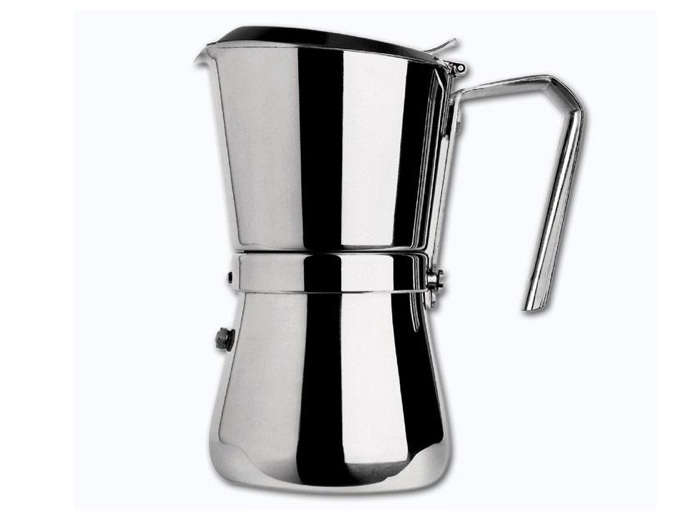
The Giannina Stovetop Espresso Maker is not the sort of coffee maker that hides shyly in the back of a cabinet next to a suspiciously old bag of decaf. It is polished, sturdy, Italian, and a little dramaticin the best possible way. Designed by Carlo Giannini, the Giannina has earned a loyal following among coffee lovers who want a moka pot with more engineering flair than the usual twist-and-pray aluminum classic.
At first glance, it looks like a sleek stainless-steel sculpture that wandered into your kitchen and decided to make coffee. But the real magic is practical: a patented no-screw locking handle, heavy stainless-steel construction, a tight seal, and a brewing style that produces bold, concentrated coffee without an electric espresso machine. It is sometimes called a stovetop espresso maker, though technically it makes moka coffee, not true nine-bar espresso. That small technical detail matters to coffee nerds. To everyone else, the important part is simpler: it makes a strong, aromatic cup that can wake up your morning faster than your alarm clock ever could.
What Is the Giannina Stovetop Espresso Maker?
The Giannina is a premium stainless-steel moka pot made under the Giannini name. The company name is Giannini; Giannina is the model. That distinction is worth knowing because shoppers often search for “Giannina espresso maker,” “Giannini moka pot,” and “Giannina stovetop coffee maker” as if they are three different objects. They are usually chasing the same shiny Italian coffee legend.
Like other moka pots, the Giannina uses steam pressure to push hot water from a lower chamber through ground coffee and into an upper serving chamber. The result is stronger than drip coffee, heavier than pour-over, and perfect for small cups, Americanos, iced coffee, lattes, cappuccinos, and “I need to become a functional human before 8 a.m.” situations.
Where the Giannina differs from many traditional moka pots is its closure system. Instead of screwing the top and bottom together by threading the metal body, the Giannina uses a rotating handle mechanism that locks the brewer shut. This snap-style fastening system is the design feature people talk about first because it feels satisfyingly mechanical, like closing the door on a tiny espresso spaceship.
Why the Giannina Design Stands Out
1. The No-Screw Locking Handle
The most famous Giannina feature is its patented locking handle. Traditional moka pots require you to screw the upper and lower chambers together. That usually works fine until the threads become stiff, the pot is hot, or you are under-caffeinated and suddenly negotiating with kitchen equipment like it owes you money.
The Giannina’s handle rotates and locks the brewer into place, helping create an airtight seal without the usual threaded closure. This design is not just stylish; it also makes assembly and opening feel smoother. For daily users, that small convenience becomes a big deal. A coffee maker you use every morning should not feel like a wrestling match before breakfast.
2. Polished 18/10 Stainless Steel
Many moka pots are made from aluminum, which is light, affordable, and traditional. The Giannina takes a different route with polished stainless steel, often described as 18/10 stainless steel. That gives it a heavier, more premium feel and a modern look that fits beautifully on a countertop. It also helps with durability, especially for users who want one stovetop espresso maker that can stay in service for years rather than a cheap pot that slowly becomes a decorative paperweight.
The stainless-steel body is also a major reason people compare the Giannina with other premium moka pots. It feels less like a novelty gadget and more like serious cookware. You can pick it up and immediately understand that it was not designed for a short-term fling.
3. Reducer Filter Flexibility
Select Giannina models include reducer filters, allowing the same pot to brew a smaller quantity. For example, a larger model may be able to prepare a reduced serving when you do not need the full capacity. This is useful because moka pots generally perform best when filled according to their design. A reducer helps avoid the sad situation of making too much coffee and then pretending your third cup is “for productivity.”
4. Induction Compatibility on Some Models
One reason stainless-steel moka pots have become popular is compatibility with modern stovetops. Some Giannina models, including larger current versions sold by specialty retailers, are described as induction ready. However, shoppers should always check the exact model before buying. Not every size or older version works on induction, and nothing ruins a coffee fantasy like discovering your beautiful Italian brewer is incompatible with your sleek glass cooktop.
Does the Giannina Make Real Espresso?
Here comes the coffee truth, delivered gently: no moka pot makes true espresso in the technical café sense. Espresso machines use high pressure, typically around nine bars, to force water through finely ground coffee. A moka pot operates at much lower pressure, usually closer to one or two bars. That means the Giannina produces concentrated moka coffee rather than real espresso.
But this is not an insult. Moka coffee has its own charm. It is bold, rich, and intense enough to stand up to milk, ice, sugar, syrups, or a quiet moment beside the kitchen sink while you question your calendar. It may not have the same crema, texture, or precision as a pump espresso machine, but it also does not require a grinder the size of a toddler, a machine that costs more than a vacation, or a PhD in puck preparation.
How to Use the Giannina Stovetop Espresso Maker
The Giannina is elegant, but the brewing process is still classic moka pot technique. The better your method, the better your coffee. A premium pot cannot rescue burnt grounds, overfilled water, or a grind so fine it behaves like wet cement.
Step 1: Add Water Below the Safety Valve
Fill the lower chamber with hot water, stopping below the safety valve. Using hot water can reduce the time the coffee grounds spend heating on the stove, which helps prevent bitterness. Do not cover the safety valve. That valve is not decorative. It is there to release pressure if something goes wrong, and it deserves personal space.
Step 2: Use the Right Grind
Use a medium-fine grindfiner than drip coffee but coarser than true espresso. If the grind is too coarse, the cup may taste weak and thin. If it is too fine, the coffee can clog the filter, slow extraction, and create pressure problems. Think table salt or slightly finer, not powdered sugar.
Step 3: Fill the Basket, But Do Not Tamp
Fill the coffee basket evenly and level it off. Do not tamp the grounds. Espresso machines need tamping because they are built for high-pressure extraction. Moka pots are not. Pressing the coffee down can restrict water flow and lead to unpleasant coffee or unsafe pressure buildup. In moka pot brewing, fluffy grounds are friendly grounds.
Step 4: Lock the Giannina and Brew on Low Heat
Assemble the pot and lock the handle securely. Place it over low to medium-low heat. The goal is a slow, steady flow into the upper chamber. If the coffee explodes upward like it is auditioning for a volcano documentary, the heat is too high. Lower the flame or remove the pot briefly to calm things down.
Step 5: Stop Before the Angry Sputter
When the coffee flow begins to pale and sputter, remove the pot from heat. Pour promptly or transfer the coffee to a small serving pitcher. Leaving brewed coffee sitting in the hot upper chamber can overcook it and push the flavor toward bitterness. The moka pot rewards attention, not multitasking.
What Does Giannina Coffee Taste Like?
When brewed well, the Giannina produces a concentrated cup with a full body, deep aroma, and a rounded intensity. It is stronger than standard drip coffee, but not as syrupy as true espresso. Expect a bold flavor that works beautifully with medium or dark roasts, especially blends with chocolate, nutty, caramel, or toasted notes.
Light roasts can work too, but they require more care. Their acidity may become sharp if the water runs too hot or the brew stalls. For beginners, a medium roast espresso blend is the safest starting point. It gives enough sweetness and body without turning into a bitter little thundercloud.
Giannina vs. Traditional Aluminum Moka Pots
The Giannina is often compared with classic aluminum moka pots, especially the famous octagonal models that have been part of Italian coffee culture for generations. Aluminum moka pots are lighter and usually cheaper. They heat quickly and carry a strong heritage appeal. Stainless-steel pots like the Giannina feel heavier, more modern, and often more compatible with contemporary kitchens.
The biggest difference is the user experience. A traditional moka pot screws together. The Giannina locks. A basic aluminum moka pot looks nostalgic. The Giannina looks architectural. A budget pot says, “I make coffee.” The Giannina says, “I make coffee and I have opinions about design.”
That said, the Giannina is not automatically better for everyone. It is typically more expensive, and replacement parts may require buying from specialty retailers. If you only drink moka coffee twice a year, a simple model may be enough. If you brew daily and care about materials, design, and tactile pleasure, the Giannina makes a stronger case.
Who Should Buy the Giannina Stovetop Espresso Maker?
The Giannina is ideal for coffee drinkers who want a durable stovetop espresso maker with premium construction and a more refined closure system. It is especially appealing if you enjoy the ritual of making coffee by hand. This is not a push-button machine. It asks you to participate: grind, fill, lock, watch, pour. In return, it gives you a cup that feels earned.
It is also a smart choice for small kitchens, design-forward homes, campers with compatible cooking setups, and anyone who wants strong coffee without countertop electronics. Unlike an electric espresso machine, it does not need a plug, a warm-up cycle, or a manual thicker than a tax document.
Cleaning and Maintenance Tips
Cleaning a Giannina is straightforward, but you should treat it like a quality piece of cookware. Let it cool, disassemble the parts, remove the used grounds, rinse thoroughly, and dry everything before reassembling. Avoid leaving wet components sealed together, because trapped moisture can lead to odors or gasket issues.
For daily maintenance, hot water and a soft cloth are usually enough. Avoid harsh abrasives that can scratch the polished finish. Pay attention to the gasket, filter plate, funnel, and safety valve area. If the pot starts brewing slowly, leaking, or releasing steam from odd places, inspect the seal and filter. Replacement parts such as gaskets, filters, funnels, and valves may be available through specialty kitchenware retailers, depending on the model.
Common Mistakes to Avoid
Using Too Much Heat
High heat is the fastest road to bitter coffee. Moka brewing is not a race. Low heat gives the water time to move smoothly through the coffee bed without scorching the grounds.
Tamping the Coffee
Do not tamp. Level the grounds gently and let the brewer do its job. If you want to tamp something, tamp down the urge to turn every morning into a barista competition.
Overfilling the Water Chamber
Water should stay below the safety valve. Covering the valve can interfere with pressure release and create safety issues. The line is not a suggestion; it is the pot’s polite boundary.
Ignoring the Gasket
A worn gasket can cause leaks and weak pressure. If your Giannina starts acting moody, the gasket is one of the first things to check.
Is the Giannina Worth It?
The Giannina Stovetop Espresso Maker is worth considering if you value long-lasting materials, Italian design, and a better-than-basic moka pot experience. It is not the cheapest way to brew strong coffee, but it offers a satisfying blend of beauty and utility. The locking handle system is genuinely useful, the stainless-steel body feels premium, and the coffee can be excellent when brewed with care.
Think of it as the difference between buying a basic pen and buying one you actually enjoy writing with. Both can do the job. One makes the job feel better.
Real-World Experience: Living With a Giannina Stovetop Espresso Maker
Using the Giannina every day feels different from using a basic moka pot. The first thing you notice is the weight. It has that reassuring stainless-steel heft that makes you want to say, “Ah yes, this belongs in a kitchen where adults live,” even if breakfast is just toast eaten over the sink. The polished body looks sharp on the stove, and because the handle locks instead of screwing the chambers together, the whole process feels cleaner and more intentional.
The morning routine becomes pleasantly simple. Heat water, grind coffee, fill the basket, lock the pot, and wait. The lock is the small joy. It gives a firm, confident closure that feels more precise than twisting a traditional moka pot. There is less of that awkward moment where you wonder whether the pot is tight enough or whether you have accidentally started a metal-threading contest before coffee.
The flavor depends heavily on technique. With low heat and medium-fine coffee, the Giannina can produce a dense, aromatic brew with a smooth finish. It is especially good for small milk drinks. Add steamed milk or warm foamed milk, and you get something close enough to a café drink to make your wallet relax. For iced coffee, the concentrated brew works beautifully over ice with a splash of milk. It has enough backbone to avoid tasting watery.
There is a learning curve, but it is not scary. The main lesson is patience. If you blast the heat, the coffee will punish you with bitterness. If you remove the pot when the flow turns pale and starts to sputter, the cup tastes cleaner. If you pour immediately, the flavor stays brighter. The Giannina rewards the person who watches the brew instead of wandering off to check messages and returning to a kitchen that smells like roasted regret.
Cleaning is easy if done right away. Rinse the parts, dry them, and leave the pot slightly open until fully dry. The stainless finish stays attractive with gentle care, though fingerprints are part of the deal. A shiny coffee maker in a real kitchen will collect evidence of human life. That is normal. The trick is not to scrub it aggressively; use a soft cloth and let the steel age gracefully.
The biggest downside is price. The Giannina costs more than many ordinary moka pots, and buyers should check model availability and replacement parts before committing. But for someone who brews often, enjoys hands-on coffee, and appreciates design, the cost feels easier to justify. It is not just a tool. It becomes part of the morning ritual: the sound of water heating, the smell of coffee rising, the firm click of the handle, and the first pour into a small cup. In a world full of disposable gadgets, the Giannina feels refreshingly permanent.
Conclusion
The Giannina Stovetop Espresso Maker is a standout moka pot for coffee lovers who want strong, flavorful stovetop coffee wrapped in polished Italian design. It does not make true espresso, but it makes a rich, concentrated brew that works beautifully on its own or as the base for milk drinks. Its patented locking handle, stainless-steel construction, and reducer-filter flexibility make it more refined than many traditional moka pots. For daily users, design lovers, and anyone tired of flimsy coffee gear, the Giannina is a beautiful reminder that great coffee does not always require electricity, apps, pods, or a machine that sounds like a jet engine. Sometimes all you need is heat, water, good coffee, and a little Italian engineering with a shiny personality.
Note: This article is written for web publishing and is based on current product information, moka pot brewing best practices, and real-world user-focused analysis.