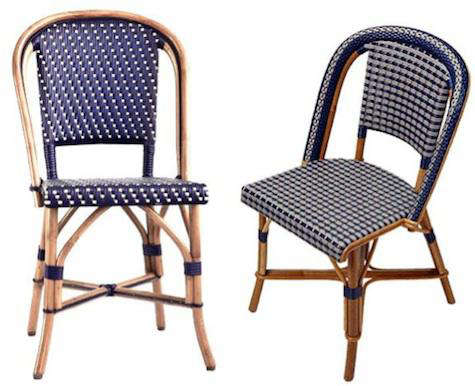
The Brasserie Rattan Chair is the kind of furniture that walks into a room, orders an espresso, and somehow makes everyone else look underdressed. Inspired by the classic French café chair, it brings together curved rattan, woven texture, lightweight practicality, and a charming “I just came back from Paris” attitudeeven if the closest you got to France today was a croissant from the grocery store.
More than a pretty seat, the Brasserie Rattan Chair represents a long design tradition. Its roots are tied to European brasseries, sidewalk cafés, bistros, and garden terraces where furniture had to be attractive, stackable, durable, and comfortable enough for long conversations. Today, this chair has moved far beyond restaurant patios. You’ll find it in breakfast nooks, sunrooms, covered porches, dining rooms, boutique hotels, coastal homes, and small apartments that need style without visual bulk.
This guide explores what makes the Brasserie Rattan Chair special, how it compares with other rattan and wicker dining chairs, where it works best, how to style it, and how to care for it so it stays good-looking instead of becoming a dusty little jungle gym for crumbs.
What Is a Brasserie Rattan Chair?
A Brasserie Rattan Chair is generally a French bistro-style chair featuring a rattan frame and a woven seat and back. Many versions use natural rattan for the frame because rattan is strong, flexible, and lightweight. The seat and back may be woven from natural cane, synthetic wicker, polyethylene, resin, or high-performance outdoor fibers depending on the maker and intended use.
The word “brasserie” refers to a relaxed French-style restaurant known for serving meals throughout the day. That café heritage matters because the chair was designed for real life: people sitting, shifting, chatting, eating, spilling, standing up, sitting down again, and generally behaving like humans instead of showroom mannequins.
Unlike heavy upholstered dining chairs, a brasserie rattan chair feels airy. Its curved frame and open woven pattern give it visual lightness, making it especially useful in smaller rooms. The chair adds texture without overwhelming the space, which is why designers often use bistro chairs to soften modern kitchens, brighten breakfast corners, or add personality to neutral dining areas.
Why the Brasserie Rattan Chair Remains So Popular
It Has Timeless Café Character
Some furniture trends arrive loudly and disappear quietly. The Brasserie Rattan Chair has stayed popular because it carries a familiar silhouette. Its curved back, woven pattern, and slim frame instantly suggest café culture, outdoor dining, and leisurely mornings. It feels nostalgic without looking old-fashioned.
That timelessness makes it surprisingly flexible. A black-and-white woven version can feel crisp and urban. A blue-and-white chair leans coastal. Natural rattan with a neutral weave feels warm, relaxed, and organic. Green, red, or striped versions add playful personality. In other words, the chair can be French, beachy, farmhouse, eclectic, or modern depending on the finish and surrounding décor.
It Adds Texture Without Adding Clutter
Rattan furniture is loved for its texture. In a room filled with flat cabinet doors, smooth countertops, painted walls, and metal appliances, a woven chair introduces a handmade quality. The eye notices the pattern, the curves, and the slight natural variations in the frame.
Because the chair is visually open, it does not create the heavy block of color or fabric that some upholstered dining chairs do. That makes it excellent for compact dining spaces, kitchen islands, apartment balconies, and breakfast nooks where bulky furniture can make the room feel like it has eaten too much pasta.
It Is Lightweight and Easy to Move
One of rattan’s practical advantages is weight. A Brasserie Rattan Chair is usually easy to pull out, rearrange, or move from one room to another. That matters in everyday homes. You may use the chair at a dining table during the week, pull it into the living room for guests on Saturday, and place it by a sunny window on Sunday because your plant apparently needed moral support.
Many café-style chairs are also stackable, although not every model is. If storage matters, check the product specifications before buying. Stackability is especially useful for restaurants, patios, event spaces, and small homes that need extra seating without dedicating an entire closet to chairs.
Rattan vs. Wicker: What Buyers Should Know
People often use “rattan” and “wicker” as if they mean the same thing, but they do not. Rattan is a natural material from a climbing palm. Wicker is a weaving technique. A chair can be made of rattan and woven in a wicker pattern, but wicker can also be made from synthetic resin, bamboo, willow, cane, paper fiber, or other materials.
This distinction matters when shopping for a Brasserie Rattan Chair. If the frame is natural rattan, it offers warmth, flexibility, and authentic character. If the woven seat and back are synthetic, they may be easier to clean and better suited to covered outdoor use. If the whole chair is natural cane or rattan, it may be best indoors or in a protected area away from rain and harsh sun.
In short: rattan is the ingredient, wicker is the recipe. And yes, furniture terminology really can behave like a cooking show.
Key Features of a High-Quality Brasserie Rattan Chair
Strong, Smooth Rattan Frame
A well-made chair should have a frame that feels sturdy, not wobbly. Look for smooth bends, secure joints, and consistent wrapping where the frame pieces connect. Natural rattan may show slight color variation, which is part of its charm. However, cracks, loose bindings, sharp edges, or uneven legs are warning signs.
Tight, Even Weaving
The woven seat and back should feel supportive. Patterns should be tight and consistent, with no large gaps or loose strands. Whether the weave is natural cane, synthetic wicker, or polyethylene, it should not sag dramatically when you sit. A little flexibility is normal; a hammock effect at dinner is not.
Comfortable Seat Height
Most dining chairs have a seat height around 18 inches, which works with standard dining tables. Before buying, compare the chair height with your table or desk. A beautiful chair that leaves your chin level with the soup bowl is not a lifestyle upgrade.
Indoor or Outdoor Suitability
Not all rattan bistro chairs are designed for full outdoor exposure. Natural rattan can fade, dry out, mildew, or weaken if left in direct rain and sun. Many brasserie-style chairs are suitable for indoor use, covered porches, sunrooms, or protected patios. For uncovered outdoor dining, look for weather-resistant synthetic weaving, powder-coated or reinforced frames, and clear manufacturer guidance.
Best Places to Use a Brasserie Rattan Chair
Dining Rooms
A set of Brasserie Rattan Chairs around a wood, marble, or painted dining table creates an inviting look. They work especially well when you want the dining room to feel polished but not stiff. Pair natural rattan with a round pedestal table for a relaxed breakfast-room feel, or use black-and-white woven chairs with a dark table for a sharper bistro mood.
Kitchen Breakfast Nooks
These chairs shine in breakfast nooks because they bring café energy to small spaces. Add a round table, a pendant light, and a small vase of flowers, and suddenly cereal feels like a lifestyle choice instead of a survival strategy.
Covered Porches and Patios
A Brasserie Rattan Chair can make a covered porch feel like an outdoor café. Use it with a small bistro table, striped cushions, terracotta pots, and linen napkins. Just remember that “covered” is the key word if the chair includes natural rattan. Protection from direct rain and intense sun will extend its life.
Home Offices
A brasserie chair can also work as a stylish desk chair for short sessions. It is not a replacement for an ergonomic office chair if you spend eight hours typing, but it is perfect for a writing desk, vanity, hallway workstation, or guest room office. Add a thin seat cushion if you need extra comfort.
Entryways and Bedrooms
One chair in an entryway gives guests a spot to remove shoes. One chair in a bedroom gives you a place to drape tomorrow’s outfit, today’s jacket, and possibly the laundry you are “definitely putting away later.” At least it will look chic while doing it.
How to Style a Brasserie Rattan Chair
For a Parisian Café Look
Choose a chair with a curved rattan frame and a classic black-and-white or navy-and-white woven pattern. Pair it with a small round marble, iron, or wood table. Add simple glassware, a linen tablecloth, and a vase with one dramatic stem. Keep the palette clean and graphic.
For a Coastal Home
Use natural rattan, white, blue, sand, or soft green. Pair the chair with a light oak table, woven pendant, cotton rug, and relaxed ceramics. This creates a breezy look without turning the room into a seashell gift shop.
For Modern Organic Interiors
Mix the Brasserie Rattan Chair with plaster walls, stone surfaces, warm wood, and neutral upholstery. The woven texture keeps the room from feeling too sterile. Choose understated patterns, such as natural-on-natural or tan-and-cream, for a calmer effect.
For Eclectic Spaces
Do not be afraid of color. A set of green, red, or striped bistro chairs can energize a vintage table or brighten a plain kitchen. To keep the look intentional, repeat one chair color elsewhere in the room through art, pillows, dishes, or a rug.
How to Clean and Maintain a Brasserie Rattan Chair
Rattan and woven furniture are not difficult to maintain, but they do appreciate regular attention. Dust can settle into the weave, crumbs can hide in the seat, and spills can leave stains if ignored.
Routine Cleaning
Use a soft brush, microfiber cloth, or vacuum brush attachment to remove dust from the frame and weave. A clean paintbrush or toothbrush helps reach small crevices. For light cleaning, wipe the chair with a barely damp cloth and mild soap solution. Avoid soaking natural rattan because too much water can weaken fibers or encourage mildew.
Deep Cleaning
For deeper cleaning, use mild dish soap diluted in warm water. Gently scrub the woven areas, then wipe away residue with a clean damp cloth. Let the chair dry completely in a well-ventilated space. If the chair is approved for outdoor use and has synthetic weaving, it may tolerate more vigorous cleaning, but always follow the manufacturer’s care instructions.
Protection Tips
Keep natural rattan away from prolonged direct sunlight, heavy rain, and extreme dryness. Use furniture covers for outdoor or semi-outdoor areas. Rotate chairs occasionally so sun exposure is even. Add felt pads to the feet if you use the chairs on hardwood floors. Inspect the weave and joints seasonally so small issues do not become expensive repairs.
Buying Tips: How to Choose the Right Brasserie Rattan Chair
Before buying, decide where the chair will live. Indoor dining chairs can prioritize natural texture and handmade character. Outdoor chairs need more weather resistance. Covered porch chairs sit somewhere in the middle: they can often handle fresh air, but they still need protection from storms and intense sun.
Measure your table height, seat height, and available floor space. Check whether the chair arms, if any, slide under the table. For small rooms, side chairs are usually easier than armchairs. For restaurants or event spaces, look for commercial-grade construction, stackability, replaceable glides, and easy-clean materials.
Also consider the weave pattern. A bold pattern can become the star of the room, while a neutral weave blends more quietly. If you are buying multiple chairs, order samples or view real-life photos when possible. Product photography can make colors look brighter or softer than they appear at home.
Brasserie Rattan Chair Pros and Cons
Pros
The Brasserie Rattan Chair is stylish, lightweight, textural, and versatile. It works with many design styles, from French country to coastal modern. It can make small spaces feel more open and add charm without needing heavy upholstery. Many versions are easy to move, and some are stackable.
Cons
Natural rattan is not invincible. It needs protection from harsh weather, and the woven seat may not offer the plush comfort of a padded dining chair. Low-quality versions can loosen, wobble, or sag. Buyers should pay close attention to construction, intended use, and care requirements.
Real-Life Experience: Living With a Brasserie Rattan Chair
The first thing people usually notice about a Brasserie Rattan Chair is how much personality it brings into a room. A plain breakfast corner can look unfinished with basic chairs, but once a pair of rattan bistro chairs arrives, the whole space feels more deliberate. The chair does not scream for attention; it simply suggests that maybe breakfast should involve fresh fruit, good coffee, and five peaceful minutes before emails begin their daily attack.
In everyday use, the lightweight frame is a genuine advantage. You can pull the chair out easily, slide it around the table, or carry it to another room when guests come over. This is especially helpful in apartments and smaller homes where furniture has to work harder. A Brasserie Rattan Chair can serve as dining seating during meals, extra living room seating during parties, and a decorative accent the rest of the time.
Comfort depends heavily on the model. A tightly woven seat with a gently curved back can be surprisingly comfortable for casual meals and long conversations. However, if you plan to sit for hours, a thin cushion makes a big difference. The trick is choosing a cushion that does not hide the chair’s best feature: the woven design. A simple linen, cotton, or performance-fabric cushion usually works better than something bulky.
Cleaning is manageable, but the weave does collect crumbs. If children use the chairs, expect to find evidence of crackers, cereal, and mysterious snack fragments. A handheld vacuum or brush attachment becomes your best friend. For pet owners, the open weave is easier to refresh than many upholstered seats, though claws and chewing are not ideal for natural fibers. Basically, the chair is charming, not magical.
One of the nicest things about living with a Brasserie Rattan Chair is how well it ages visually. Small variations in rattan color and texture make the piece feel relaxed rather than flawed. In a sunny kitchen, the chair adds warmth. On a covered porch, it turns morning coffee into a tiny ritual. In a dining room, it keeps the mood casual enough that guests do not feel afraid to laugh loudly or ask for seconds.
The main lesson from real use is simple: place the chair thoughtfully. It thrives indoors, in breakfast areas, under covered patios, in sunrooms, and anywhere protected from punishing weather. If you treat natural rattan like outdoor plastic furniture, disappointment will arrive wearing muddy shoes. But if you dust it, protect it, and avoid leaving it exposed to rain, the Brasserie Rattan Chair can stay beautiful for years.
For homeowners who want furniture that feels practical but not boring, this chair hits a sweet spot. It is not as formal as upholstered dining seating, not as cold as metal café chairs, and not as visually heavy as solid wood. It gives a room texture, movement, and a little European romance. And unlike some statement pieces, it still knows how to behave at the dinner table.
Conclusion
The Brasserie Rattan Chair remains popular because it balances beauty and usefulness. It offers café-inspired charm, natural texture, and lightweight convenience in one compact design. Whether used around a dining table, tucked into a breakfast nook, placed on a covered porch, or styled as an accent chair, it brings warmth and character without overwhelming the room.
The best choice depends on your space and lifestyle. For indoor rooms, natural rattan delivers authentic texture and timeless appeal. For covered outdoor areas, look for durable woven materials and clear care instructions. For commercial spaces, prioritize reinforced construction and easy maintenance. With the right selection and regular care, a Brasserie Rattan Chair can make everyday seating feel a little more elegant, a little more relaxed, and a lot less ordinary.