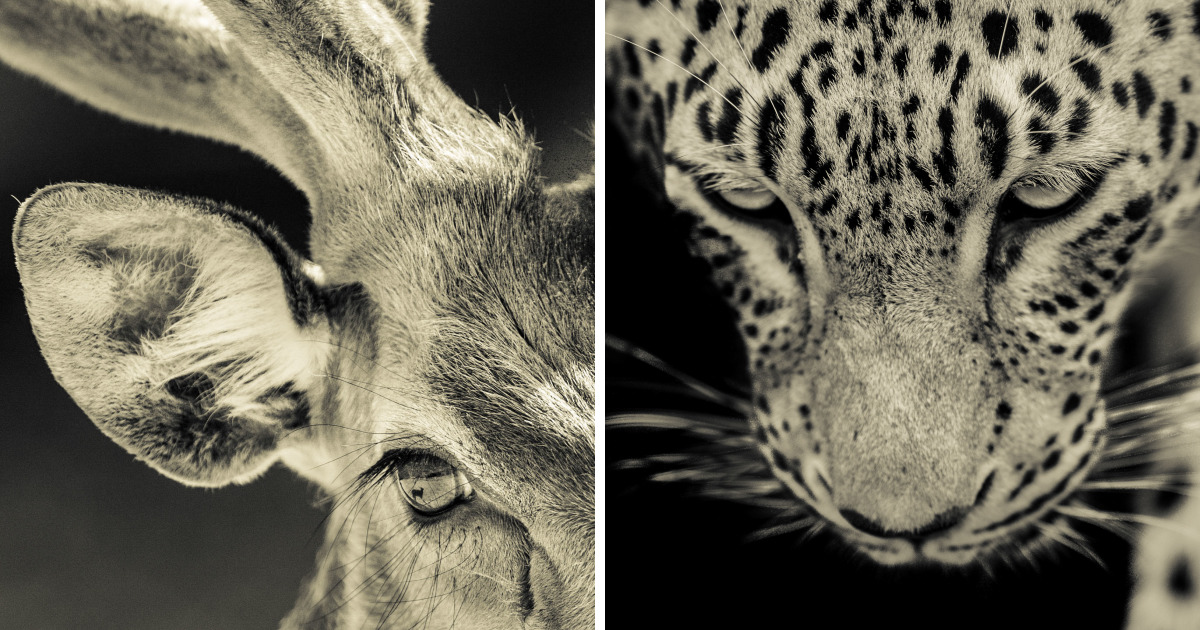
There are colors that shout, colors that flirt, and colors that walk into the room wearing sunglasses indoors. Then there is sepia. Sepia does not shout. It leans against the doorway, clears its throat softly, and somehow makes everyone remember a summer afternoon they may or may not have actually lived.
My Sepia World is not just about old photographs or brown-tinted filters. It is about a way of seeing: slower, warmer, softer around the edges. A sepia image can turn an ordinary street corner into a memory, a coffee cup into a character, and a dusty window into a portal to 1932give or take a few dramatic violin notes.
In photography, sepia is often associated with vintage photography, monochrome tones, antique portraits, family albums, and historical archives. But its emotional power goes far beyond nostalgia. Sepia changes how we read light, texture, time, and story. It strips away the noisy competition of modern color and asks us to pay attention to shape, shadow, expression, and atmosphere. In a world overflowing with ultra-bright screens, sepia feels like a quiet rebellion with excellent lighting.
What Is Sepia, Really?
Sepia photography refers to images tinted in warm brown, tan, or reddish-brown tones. It is a type of monochrome photography, meaning the image is built around one dominant color family rather than a full range of colors. Unlike black-and-white photography, which often feels crisp, dramatic, and graphic, sepia photography feels warmer and more intimate.
The word “sepia” has roots in the natural pigment once associated with cuttlefish ink. In early photographic history, sepia toning also became linked with chemical processes that could improve the stability and longevity of certain photographic prints. That practical benefit eventually became an aesthetic signature. What began partly as chemistry became mood, memory, and style. Not bad for a color that basically looks like coffee had a meaningful conversation with sunlight.
Why Sepia Feels So Nostalgic
Sepia tones remind many people of old family portraits, historical documents, antique postcards, and museum archives. Because countless 19th- and early 20th-century photographs survive in warm brown or faded neutral tones, our brains often connect sepia with the past. Even a brand-new digital image can feel older when it is converted to sepia.
That effect is not accidental. Color influences emotional interpretation. Warm browns can suggest earthiness, age, comfort, reliability, and quietness. At the same time, muted tones can also suggest melancholy or distance. This is why sepia can feel cozy and bittersweet at once. It is visual comfort food with a tiny spoonful of existential seasoning.
The Memory Trick
Sepia does something clever: it makes the present look remembered. A modern city sidewalk photographed in sepia may suddenly feel like a scene from someone’s grandfather’s notebook. A portrait taken yesterday may appear as though it has survived three generations, two moves, and one mysterious attic trunk.
This is why sepia is powerful for visual storytelling. It does not simply show what something looks like. It suggests that the thing has already mattered. It gives an image emotional history before the viewer knows the actual story.
The Visual Language of a Sepia World
A sepia world is built from warmth, contrast, texture, and restraint. When color is reduced, other elements become louder. Lines matter more. Wrinkles become maps. Dust becomes atmosphere. Light becomes the main character, and honestly, light has been waiting for this promotion.
1. Texture Becomes Emotional
Sepia loves texture. Weathered wood, old brick, linen curtains, leather notebooks, handwritten letters, cracked sidewalks, and faded walls all come alive in warm monochrome tones. In full color, these details may feel ordinary. In sepia, they feel meaningful.
For example, imagine a photograph of an old chair beside a window. In bright color, you might notice the blue curtain, the green plant, and the red cushion. In sepia, those distractions fade. Suddenly, you notice the curve of the chair back, the soft light on the seat, and the quiet emptiness around it. The image becomes less about furniture and more about waiting.
2. Light Feels Softer
Sepia works beautifully with natural light, especially morning and late-afternoon light. Harsh noon sunlight can still work, but sepia prefers drama with manners. Window light, candlelight, street lamps, and cloudy skies all pair well with warm brown tones.
The best sepia images often feel as if the light is not merely illuminating the subject but remembering it. That sounds poetic because it is. Also because “the histogram looks emotionally available” does not have the same ring.
3. Faces Become Stories
Portraits are one of the strongest uses of sepia photography. Without bright color, viewers focus more on expression, eyes, posture, and gesture. A sepia portrait can make a person seem thoughtful, timeless, or mysterious. It can also make a teenager in a hoodie look like a young poet about to write a tragic letter by candlelight.
Sepia is especially effective for portraits that aim for intimacy rather than glamour. It flatters mood more than perfection. Freckles, laugh lines, tired eyes, and imperfect hair all belong in a sepia world. The tone says, “Relax, we are here for the soul, not the airbrush.”
Sepia Photography in the Digital Age
Today, creating a sepia effect is easier than ever. Digital cameras, smartphones, and editing apps can apply sepia filters in seconds. But easy does not always mean effective. A good sepia image is not just a color preset slapped onto a random photo like a vintage mustache. The tone should support the subject.
Sepia works best when the image already has strong composition, interesting light, and emotional potential. If a photograph is confusing in full color, sepia will not magically fix it. It may simply make the confusion look older.
When Sepia Works Best
Use sepia when the image contains one or more of these qualities:
- Strong shadows and highlights
- Interesting textures such as wood, paper, stone, fabric, or skin
- A nostalgic or reflective subject
- Simple composition with minimal distractions
- Human emotion, quiet movement, or a sense of place
- Historical, documentary, or personal storytelling themes
When Sepia Feels Forced
Sepia may not be the best choice for every photograph. It can weaken images that depend on vivid color, such as a bright flower garden, a neon street scene, or a plate of rainbow-colored desserts. If color is the story, do not evict it from the house.
Sepia can also become cliché when overused. One sepia image can feel poetic. Fifty sepia images in a row may feel like the camera got trapped inside a cinnamon jar. The trick is intention. Use sepia because it deepens the image, not because the “vintage” button looked lonely.
How to Create a Strong Sepia Image
Whether you are using a phone, digital camera, or scanned film photo, the process begins before editing. Sepia is not just a filter; it is a visual decision.
Step 1: Choose the Right Subject
Look for subjects with emotional or historical weight. Old streets, handwritten notes, family objects, quiet portraits, train stations, cafés, libraries, and weathered buildings all fit naturally into a sepia world. Everyday items can work too. A pair of worn shoes by the door can tell a better story than a perfectly staged object with all the personality of a hotel soap.
Step 2: Think in Contrast
Because sepia reduces color variety, contrast becomes essential. Pay attention to light and dark areas. A good sepia photo needs enough tonal separation to avoid looking flat. Shadows should have depth, highlights should breathe, and midtones should carry detail.
Step 3: Simplify the Frame
Strong composition matters. The rule of thirds, leading lines, natural frames, and balanced negative space can help guide the viewer’s eye. But rules are tools, not traffic police. Sometimes a centered subject works beautifully, especially in portraits or symmetrical spaces. The goal is not to obey a grid; the goal is to make the viewer stay.
Step 4: Edit Gently
A believable sepia effect usually works best when it is subtle. Reduce saturation, warm the tones, adjust contrast, and protect detail in the highlights. Avoid making the image too orange or muddy. True sepia should feel warm and aged, not like the photograph fell into barbecue sauce.
Sepia and the Art of Slowing Down
One reason sepia photography remains appealing is that it slows visual attention. Modern images often compete for instant reaction: brighter colors, sharper edges, bigger drama. Sepia moves differently. It asks for a longer look.
That slower pace changes the viewing experience. Instead of asking, “What is happening?” the viewer may ask, “What happened here?” That small shift opens the door to imagination. A sepia photograph can feel incomplete in the best possible way. It leaves room for the viewer to enter the story.
Preserving a Sepia World
Many real sepia and vintage photographs are fragile. Old prints can be damaged by light, heat, humidity, fingerprints, poor-quality albums, and careless handling. Family photographs should be stored in cool, dry, stable conditions when possible. Archival sleeves, acid-free boxes, and gentle handling can help preserve them. Writing directly on the image area is risky; labeling the enclosure is usually safer.
Digitizing old photographs is also wise. A high-quality scan can protect the memory even if the original fades or becomes damaged. Still, digital copies should not replace careful storage of the original print. The physical object carries its own history: the paper, the edges, the handwriting on the back, the tiny crease where someone once held it too tightly.
My Sepia World as a Creative Mindset
To live in a sepia world does not mean rejecting color or pretending the past was perfect. The past had bad plumbing, uncomfortable shoes, and probably fewer snacks. Sepia is not about romanticizing everything. It is about noticing the emotional residue of ordinary things.
A sepia mindset asks: What is the story beneath the surface? What will this moment feel like years from now? Which details will survive in memory? It turns photography into a form of attention.
In my sepia world, a rainy sidewalk is not just wet concrete. It is a mirror with footsteps. A kitchen table is not just furniture. It is where arguments cooled, homework happened, soup was spilled, and someone always sat in the same chair even though nobody officially assigned seats. A window is not just glass. It is a witness with excellent posture.
of Personal Experience: Walking Through My Sepia World
The first time I truly noticed my own sepia world, I was not holding an expensive camera. I was holding a phone with a cracked screen and the confidence of someone who had watched two editing tutorials and was now “basically an artist.” I took a picture of an old street after rain. Nothing spectacular was happening. No dramatic sunset. No mysterious stranger in a trench coat. Just puddles, uneven pavement, a bicycle leaning against a wall, and a small café sign swinging like it had secrets.
In color, the photo looked ordinary. The sign was red, the bicycle was blue, and a plastic bag in the corner was aggressively modern. Then I changed the image to sepia. Suddenly, the street became quieter. The plastic bag stopped yelling. The bicycle looked less like transportation and more like evidence. The café sign seemed to belong to a story I had interrupted by accident. That was when I understood that sepia does not simply age an image. It edits the emotional volume.
After that, I began seeing sepia possibilities everywhere. An old book on a desk. A cup of coffee beside a notebook. My shoes near the doorway after a long day. The shadow of tree branches on a wall. These were not grand subjects, but sepia gave them a kind of dignity. It said, “This mattered because you noticed it.” That sentence became a quiet rule for me.
I also learned that sepia can reveal what color sometimes hides. I once photographed a family gathering where the table was crowded with plates, phones, elbows, fruit, and one heroic bowl of soup fighting for survival. In color, the image felt chaotic. In sepia, the chaos softened into togetherness. Hands became more important than dishes. Faces became more important than decorations. The whole scene felt less like a snapshot and more like a memory already forming.
Of course, I have made terrible sepia photos too. Many. A laundry basket in sepia does not automatically become art. Sometimes it remains a laundry basket, only sadder. A blurry picture of lunch does not become “vintage cuisine.” It becomes evidence that I should clean my lens. Sepia is powerful, but it is not a wizard. It cannot rescue every image from weak light, bad framing, or my personal habit of tilting the camera like the floor owes me money.
Still, the more I used sepia, the more it changed how I photographed. I slowed down. I looked for edges, textures, gestures, and quiet light. I stopped chasing only spectacular scenes and started paying attention to ordinary ones. That is the gift of my sepia world: it reminds me that beauty does not always arrive wearing fireworks. Sometimes it sits in a corner, covered in dust, waiting for warm light and a second glance.
Conclusion: Why Sepia Still Matters
My Sepia World is a love letter to warmth, memory, and visual storytelling. Sepia photography continues to matter because it helps us see familiar things differently. It turns speed into stillness, objects into symbols, and photographs into emotional artifacts.
In a digital culture obsessed with clarity, brightness, and instant impact, sepia offers something gentler. It does not demand attention; it earns it. It reminds us that images can be quiet and still unforgettable. Whether used for portraits, street photography, family archives, travel scenes, or personal art projects, sepia remains one of photography’s most enduring visual languages.
So the next time an ordinary moment catches your eye, try seeing it through sepia. Not because old is automatically better, and not because every photo needs to look like it was discovered in a noble attic. Try it because sepia may reveal the feeling hiding inside the frame. And sometimes, that feeling is the real picture.
SEO Tags
Note: This article is an original, rewritten synthesis based on established information about sepia photography, photographic history, image preservation, visual composition, and the emotional role of memory in photography. No source links or citation artifacts are included inside the publishable article body.