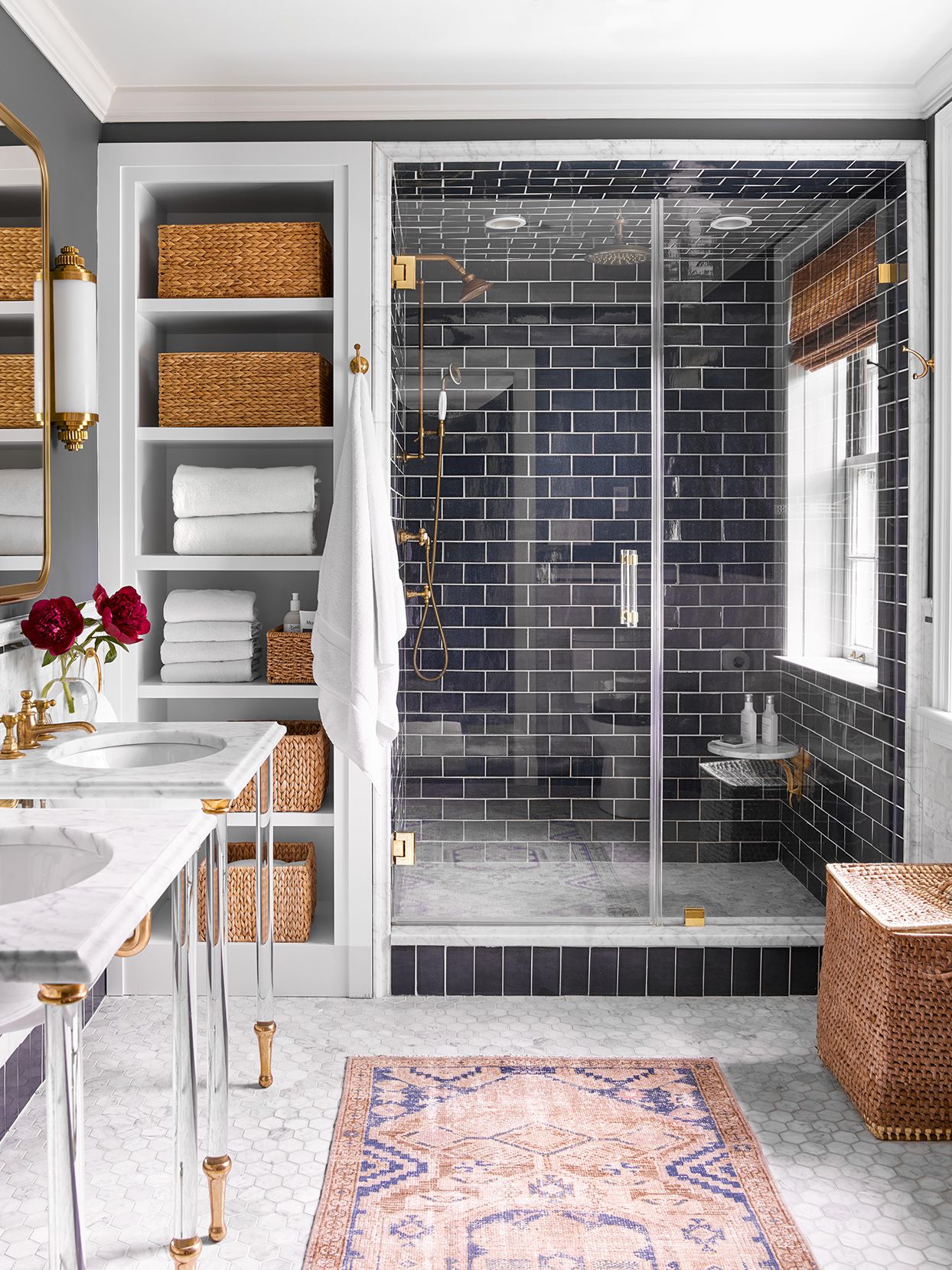
Closets are funny little rooms. They are supposed to make life easier, yet somehow they become the place where sweaters go to hibernate, shoes form tiny mountain ranges, and that one missing belt starts a new identity. The good news? Affordable closet storage organization does not require a celebrity-sized walk-in closet, a contractor, or a budget that makes your wallet dramatically faint. With smart planning, simple storage products, and a few realistic habits, even a small closet can become cleaner, calmer, and much easier to use.
The goal is not to create a museum of perfectly folded cashmere. The goal is to build a closet that works on a busy Tuesday morning when you have six minutes, one clean sock, and a coffee cup in your hand. Affordable closet organization is about using vertical space, reducing clutter, grouping similar items, and choosing budget-friendly tools such as slim hangers, shelf dividers, bins, baskets, hooks, drawer organizers, and over-the-door storage.
Why Affordable Closet Organization Matters
A disorganized closet wastes more than space. It wastes time, money, and energy. When you cannot see what you own, you may buy duplicates. When clothes are stuffed together, they wrinkle faster. When shoes are piled on the floor, finding a matching pair becomes an Olympic event with no medal ceremony.
An organized closet gives every item a clear home. Shirts hang together. Shoes are visible. Accessories stop disappearing into the mysterious pocket dimension behind the laundry basket. Most importantly, a good closet system helps you maintain order without needing to “start over” every weekend.
Start With a Closet Audit Before Buying Anything
The most affordable closet storage solution is also the least glamorous: remove what you do not use. Before buying bins, hangers, or shelving, take everything out of the closet. Yes, everything. This may look terrifying for about twenty minutes, but it gives you a clear view of what you actually own.
Sort Items Into Simple Categories
Create four piles: keep, donate, sell, and relocate. Keep items you wear regularly, love, or truly need. Donate pieces that are in good condition but no longer fit your life. Sell higher-value items if you have the patience for photos, listings, and messages that say, “Is this still available?” Relocate items that do not belong in the closet, such as paperwork, holiday decorations, random chargers, or the instruction manual for a toaster you no longer own.
Use the One-Year Rule Carefully
If you have not worn something in a year, it is worth questioning. However, be practical. Formalwear, seasonal coats, maternity clothes, or specialty workwear may not follow the same timeline. The point is not to punish your wardrobe. The point is to stop storing clothes for a fantasy version of yourself who apparently attends garden parties every Thursday.
Measure Your Closet Like a Pro
Before choosing closet organizers, measure the width, height, and depth of your closet. Measure the space under your hanging clothes, the distance above the closet rod, and the back of the door. These numbers help you avoid buying storage products that almost fit, which is the home organization version of emotional damage.
For a reach-in closet, note the placement of sliding doors or hinged doors. Sliding doors can block access to the center, so open shelving or bins should be placed where you can actually reach them. For a walk-in closet, identify prime real estate: the areas at eye level and waist level. These should hold daily-use items, not ski pants you wear once every presidential election cycle.
Budget-Friendly Closet Storage Ideas That Work
1. Switch to Slim, Non-Slip Hangers
One of the quickest affordable closet upgrades is replacing bulky mismatched hangers with slim hangers. Velvet or rubberized hangers help prevent slipping and create a cleaner, more uniform look. They also save horizontal rod space, which is especially useful in small closets. You do not need to buy hundreds at once. Start with your most-used section, then expand as your budget allows.
2. Add a Second Hanging Rod
If your closet has one high rod and a lot of empty air underneath shirts or jackets, a second hanging rod can nearly double your hanging space. Use the top rod for shirts, blouses, jackets, or shorter pieces, and the lower rod for pants, skirts, or kids’ clothes. Adjustable hanging rods are often inexpensive and require little installation.
3. Use Shelf Dividers for Sweaters and Jeans
Stacks of sweaters have a bad habit of leaning like sleepy towers. Shelf dividers keep folded clothes upright and separated. They are great for sweaters, jeans, handbags, towels, and bulky sweatshirts. If your closet has deep shelves, use dividers in combination with labeled bins so items in the back do not vanish forever.
4. Try Clear Bins for Visibility
Clear storage bins are helpful because they let you see what is inside without opening every container like a detective in a storage-based crime drama. Use them for seasonal accessories, workout gear, swimwear, scarves, hats, or extra bedding. Add labels anyway, because even clear bins can become mysterious when life gets busy.
5. Use Over-the-Door Storage
The back of a closet door is valuable storage space. Over-the-door organizers can hold shoes, scarves, belts, jewelry, hair tools, small handbags, cleaning supplies, or folded accessories. This is one of the best affordable closet organization ideas for renters because it usually requires no drilling.
6. Add Hooks Wherever They Make Sense
Hooks are tiny heroes. Use them for belts, hats, robes, bags, necklaces, tomorrow’s outfit, or clothes that are “not dirty but not clean enough to go back in the drawer.” Wall hooks, adhesive hooks, and rail systems can turn blank closet walls into functional storage without taking up shelf or rod space.
7. Use Baskets for Awkward Items
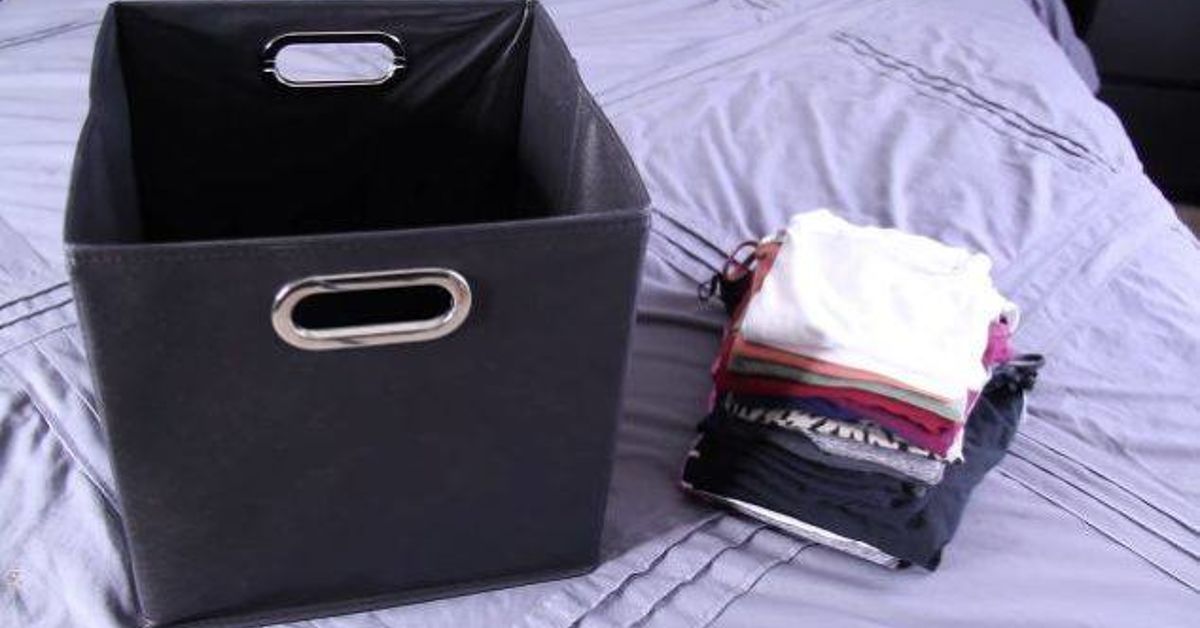
Baskets are ideal for items that do not fold neatly: winter hats, clutches, workout bands, extra socks, pet accessories, or laundry supplies. Choose baskets that fit your shelf depth and are easy to pull down. If you cannot reach a basket comfortably, it should hold things you use less often.
8. Add Stackable Drawers
Stackable drawers can turn unused floor space into practical storage. They work well for socks, underwear, T-shirts, leggings, pajamas, kids’ clothes, and accessories. Unlike open bins, drawers protect items from dust and make it easier to grab one thing without disturbing the whole pile.
9. Use Shoe Racks Instead of Shoe Piles
Shoes deserve better than a heap on the floor. A simple tiered shoe rack keeps pairs visible and prevents damage. For small closets, use vertical shoe shelves, stackable shoe boxes, or an over-the-door shoe organizer. Store special-occasion shoes higher up and everyday shoes at floor or eye level.
10. Label Everything That Is Not Immediately Obvious
Labels are not just for people who own matching spice jars and say things like “command center.” Labels help everyone in the household know where items belong. You can use a label maker, printable labels, chalk labels, painter’s tape, or handwritten tags. The goal is function, not perfection.
How to Organize a Small Closet on a Budget
Small closets need ruthless priorities. You cannot store every item in the most convenient place, so daily-use items should win the best spots. Think of your closet in zones: top shelf, hanging area, floor, side walls, and door.
Top Shelf Zone
Use the top shelf for seasonal or occasional items: winter hats, spare blankets, holiday outfits, travel bags, or memory clothing. Store these in labeled bins so you do not have to pull down five boxes to find one scarf.
Hanging Zone
Group hanging clothes by type: shirts, pants, dresses, jackets, and workwear. Within each category, sort by color or sleeve length if that helps you get dressed faster. Avoid cramming. If hangers cannot slide, the closet is too full.
Floor Zone
The floor should not be a storage swamp. Use it for a shoe rack, stackable drawers, a laundry basket, or a small cube organizer. Keep a few inches of breathing room if possible, because a clear floor instantly makes a closet feel less chaotic.
Door Zone
Use the door for lightweight items. Shoes, accessories, scarves, belts, small bags, or beauty tools work well. Avoid overloading the door with heavy items that make it difficult to close or damage the hardware.
Affordable Closet Systems: What to Buy First
If your budget is limited, buy in stages. Start with the changes that create the biggest improvement for the least money. Usually, that means decluttering first, then buying slim hangers, bins, hooks, and shelf dividers. After that, consider a second rod, stackable drawers, or a basic wire shelving system.
Wire closet systems are popular because they are adjustable, relatively affordable, and available at major home improvement stores. Modular cube organizers can also work well, especially for folded clothes, bags, and shoes. For renters, freestanding racks, hanging shelves, and over-the-door organizers are safer choices because they do not require permanent changes.
Closet Organization by Item Type
Clothes
Hang structured pieces such as blazers, button-down shirts, dresses, and trousers. Fold casual items like T-shirts, jeans, sweatshirts, and workout clothes. If drawer space is limited, file-fold clothing in bins or drawers so every item is visible from above.
Shoes
Keep everyday shoes where you can grab them quickly. Store formal or seasonal shoes in labeled boxes or upper shelves. If you own many pairs, take a hard look at duplicates. Five pairs of black flats may be a fashion choice, but they are also a space negotiation.
Bags
Use shelf dividers to keep handbags upright. Stuff soft bags with tissue paper, old T-shirts, or packing paper so they hold their shape. Small clutches can go in a bin or drawer. Everyday bags should stay at eye level or on hooks.
Accessories
Use small bins, drawer inserts, hooks, or hanging organizers for belts, scarves, hats, jewelry, and sunglasses. Accessories are easy to lose because they are small, so visibility matters. If you cannot see them, you probably will not use them.
Seasonal Items
Move off-season clothing out of prime closet space. Use vacuum-seal bags for bulky coats or sweaters, but avoid compressing delicate fabrics for long periods. Label seasonal bins clearly: “Winter Accessories,” “Summer Swim,” or “Holiday Clothing.” Future you will be grateful and slightly impressed.
Common Closet Organization Mistakes
Buying Organizers Before Decluttering
This is the classic trap. Storage products do not solve clutter; they simply give clutter a nicer apartment. Declutter first, then buy only what fits your actual needs.
Ignoring Vertical Space
Most closets have unused height. Add stackable bins, extra shelves, hooks, or hanging organizers to make better use of vertical space. The higher the shelf, the less frequently the item should be used.
Using Too Many Different Containers
A mix of random boxes can work, but too many shapes and sizes waste space. Choose containers that stack well and fit your shelves. Matching is nice, but consistent sizing matters more than aesthetics.
Making the System Too Complicated
If your system requires folding T-shirts into perfect rectangles at midnight, it will fail. Choose simple habits: hang, fold, drop in bin, label, repeat. Organization should support real life, not audition for a lifestyle magazine.
Affordable DIY Closet Upgrades
You can improve closet storage with low-cost DIY upgrades. Add peel-and-stick lighting so you can actually see dark corners. Install a small tension rod for scarves or belts. Use command hooks for hats and bags. Repurpose shoeboxes as drawer dividers. Cover old boxes with peel-and-stick wallpaper for a cleaner look. Use a small bookcase or cube shelf inside a closet to create instant compartments.
Another smart DIY idea is creating a “daily outfit station.” Add one hook or small hanging area for tomorrow’s outfit. This prevents the chair pile from becoming a textile-based roommate. You can also add a small basket for items that need repairs, dry cleaning, or stain treatment.
How to Maintain an Organized Closet
The secret to long-term affordable closet storage organization is maintenance. Spend five minutes once a week returning items to their zones. Once a month, remove clothes you tried on but never wore. At the start of each season, rotate clothing and check whether your storage system still fits your routine.
Try the reverse hanger trick: turn all hangers backward at the beginning of a season. After wearing an item, hang it back normally. At the end of the season, you can easily see what you did not wear. This makes decluttering less emotional and more evidence-based.
Affordable Closet Storage Organization Experience Notes
From real-life experience, the best closet organization system is the one you can maintain when life is messy. A beautiful closet that only works when every shirt is folded like a luxury hotel towel is not a system; it is a weekend performance. The most successful affordable closet makeovers usually begin with one honest question: “What problem is annoying me every day?” Maybe shoes are always on the floor. Maybe clean laundry never makes it back to the closet. Maybe accessories disappear. Maybe the top shelf is packed so tightly that removing one box causes a small household avalanche.
One practical experience is to start with the floor. A clear closet floor changes everything. When the floor is visible, the closet immediately feels larger and easier to clean. A simple two-tier shoe rack, a small hamper, or stackable drawers can solve most floor clutter. Do not try to store too many categories down there. The floor should have a job, not a full résumé.
Another helpful lesson is that matching hangers are not just about looks. When hangers are the same size and shape, clothes sit evenly, the rod looks calmer, and you can slide items more easily. This makes the closet feel more spacious even if the square footage has not changed. Slim hangers are especially useful in apartments, dorms, older homes, and shared closets where every inch matters.
Labels also matter more than people expect. Without labels, bins become “miscellaneous,” and miscellaneous is where organization goes to take a nap. A bin labeled “Winter Hats” or “Travel Toiletries” tells your brain exactly what belongs there. It also helps family members return items without asking where everything goes. If you live with children, roommates, or a partner who believes the closet has a self-cleaning feature, labels are your quiet defense system.
The biggest mistake is trying to organize around too much stuff. No closet organizer can defeat a wardrobe that has outgrown the space. If the closet feels crowded after you add shelves, bins, and hangers, the issue may not be storage. It may be volume. Keep the clothes that fit your current body, lifestyle, climate, and daily routine. Store sentimental clothing separately if you want to keep it, but do not let it crowd out the jeans, shirts, and shoes you actually wear.
Finally, affordable closet storage organization works best when it is done in layers. Do not pressure yourself to finish everything in one day. First, declutter. Then fix hangers. Then improve shoes. Then add bins. Then label. Small upgrades build momentum, and each one makes the next step easier. A closet does not need to be perfect to be useful. It only needs to help you find your clothes without muttering dramatic things before breakfast.
Conclusion
Affordable closet storage organization is not about spending a fortune or creating a showroom. It is about making smart choices that help your closet serve your real life. Start by decluttering, measure your space, use vertical storage, choose slim hangers, add bins and hooks, and keep everyday items easy to reach. Whether you have a tiny reach-in closet or a modest walk-in, a practical system can make mornings smoother, protect your clothes, and reduce the daily treasure hunt for socks, shoes, and sanity.
Note: This article is original, written in standard American English, and based on widely used home organization principles, practical storage methods, and current closet organization recommendations from reputable U.S. home, lifestyle, and retail resources.