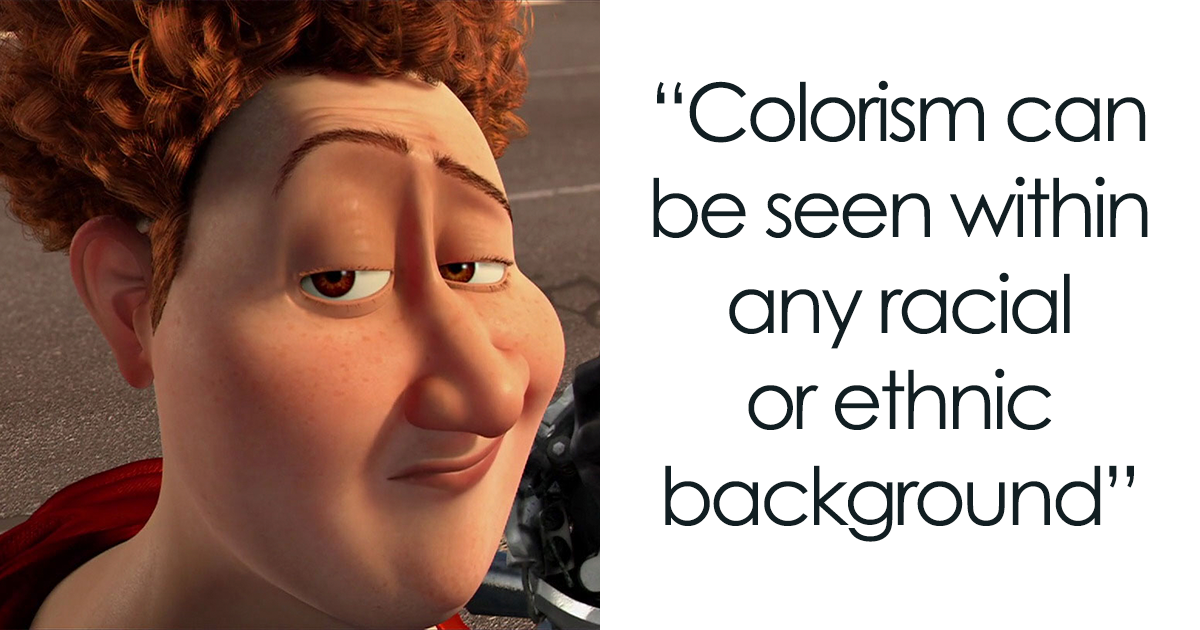
The internet has a special talent for turning a facial expression into a full cultural event. One minute someone raises an eyebrow, tilts their head, and looks into the camera like they just heard a slow R&B beat in their soul. The next minute, TikTok has given it a name, a sound, a thousand edits, and at least three arguments in the comments. Welcome to the world of the “Lightskin Stare.”
The “Lightskin Stare” is a viral TikTok trend built around an exaggerated, flirty, intense gaze often associated online with “rizz,” confidence, and a very specific meme stereotype about light-skinned Black men. On the surface, it looks like harmless internet comedy: a dramatic stare, moody music, maybe a lip bite, and a caption suggesting the person suddenly unlocked maximum charm. But underneath the joke is a more complicated conversation about colorism, racial stereotypes, identity, and how quickly social media can turn a community joke into a global punchline.
So, is the Lightskin Stare funny? Sometimes. Is it controversial? Absolutely. Like many TikTok trends, it depends on who is making the joke, who is being laughed at, and whether the joke punches up, punches down, or just flings a folding chair into the comment section and runs away.
What Is the “Lightskin Stare”?
The “Lightskin Stare” refers to a meme-style facial expression usually performed by looking intensely at the camera with narrowed eyes, a slightly tilted face, raised brows, puckered lips, or a calm “I know I look good” expression. It is often paired with slowed-down R&B music, dramatic lighting, or captions about having “rizz,” which is slang for charisma or romantic confidence.
In many TikTok videos, the stare is used as a comedic shorthand for someone trying to look smooth, seductive, emotionally sensitive, or effortlessly attractive. The joke usually goes something like this: a person hears a romantic song, sees someone they like, or gets called handsome, and suddenly they switch into the famous stare. Think less “normal eye contact” and more “music video close-up after the rain machine turns on.”
The trend also appears in edits of movie characters, cartoon characters, athletes, celebrities, and video game characters. If a character makes an intense or smoldering face for even half a second, someone on TikTok may label it a “Lightskin Stare.” The internet does not believe in letting a dramatic eyebrow moment go unemployed.
Where Did the Trend Come From?
Although the phrase exploded on TikTok, the roots of the “Lightskin Stare” go back much further than one viral sound. The broader “lightskin” meme culture became popular during the Vine era in the early 2010s, when creators made short comedy videos about exaggerated differences between light-skinned and dark-skinned Black men. These jokes often played with stereotypes about personality, attractiveness, masculinity, emotional expression, and dating behavior.
Creators such as Melvin Gregg and King Bach were part of the wider Vine-era comedy wave where “lightskin vs. darkskin” jokes became recognizable online. The idea was not always specifically called the “Lightskin Stare” at first, but the basic character was already there: the light-skinned guy as overly smooth, dramatic, soft, charming, or emotionally expressive. By the time TikTok revived the joke years later, the stare had become a visual meme that younger audiences could imitate instantly.
On TikTok, the trend gained momentum through videos that paired the stare with “rizz” culture. The phrase “unspoken rizz” also helped push the meme further, because the stare was framed as a wordless way to attract attention. In other words, the joke became: why speak when your face can file a full romantic application?
Why Did It Go Viral on TikTok?
The Lightskin Stare fits TikTok perfectly because it is short, visual, easy to copy, and flexible. A good TikTok trend needs a clear action that people can recreate in five seconds or less. This one has exactly that. You look at the camera, add the right sound, exaggerate the expression, and suddenly you are part of the joke.
1. It Is Instantly Recognizable
The stare works because it has a visual formula. The viewer understands it before the caption even finishes loading. That makes it highly shareable. TikTok rewards content that communicates quickly, and facial-expression memes are basically fast food for the algorithm: easy to consume, easy to remix, and occasionally bad for everyone’s emotional health if overdone.
2. It Connects to “Rizz” Culture
“Rizz” became one of the biggest Gen Z slang terms, meaning charm, charisma, or the ability to attract romantic interest. The Lightskin Stare became one of the meme faces of that concept. Instead of a pickup line, the person uses a look. The humor comes from exaggeration: the stare is not just confidence; it is confidence wearing sunglasses indoors.
3. It Works With Character Edits
TikTok users love applying human internet slang to fictional characters. That is why animated characters, superheroes, villains, and game avatars have all been labeled as having the Lightskin Stare. A character looks serious for two seconds, and the comments start acting like they just dropped the smoothest album of the year.
4. It Blends Comedy and Self-Awareness
Many users perform the stare ironically. They know it is ridiculous, and that is the point. The humor often comes from someone trying too hard to look attractive, then making the whole thing awkward on purpose. That self-aware cringe is TikTok’s native language.
Why Is the Lightskin Stare Controversial?
The controversy comes from the word “lightskin” and the history behind it. In the United States, skin tone has long been connected to social treatment, beauty standards, media representation, and opportunity. Colorism refers to discrimination or preference based on skin tone, often within the same racial or ethnic group. It is not the same thing as racism, but it is closely connected to racial history and beauty politics.
Because the Lightskin Stare relies on a stereotype about light-skinned Black men, some people see it as a harmless inside joke, while others see it as another example of reducing Black people to skin-tone categories. The issue is not simply that people are making a silly face. The issue is that the joke can reinforce old ideas about who is considered attractive, soft, masculine, emotional, desirable, or “cool.”
Colorism Makes the Joke More Complicated
Colorism has affected casting, dating preferences, school experiences, workplace bias, and beauty standards for generations. Lighter skin has often been treated as closer to mainstream beauty ideals, while darker skin has been unfairly stereotyped, ignored, or judged more harshly. When a meme uses skin tone as the foundation of the joke, it can accidentally drag that whole history into a 12-second video.
That does not mean every Lightskin Stare video is hateful. Many are playful, made by Black creators, and understood by their audience as a community joke. But when the trend spreads beyond its original cultural context, it can become flattened. People may copy the meme without understanding where it comes from, what it references, or why some viewers feel uncomfortable.
Stereotypes Can Travel Faster Than Context
Social media often separates jokes from their original meaning. A meme can start as a specific cultural reference and quickly become a general internet trend performed by people who only know the surface-level version. That is when things get messy. The Lightskin Stare may be funny when it is clearly self-aware, but it can feel uncomfortable when used to mock Black features, skin tone, or identity.
The internet loves shortcuts. Unfortunately, stereotypes are also shortcuts. They take complex people and turn them into a single repeated idea. When the same skin-tone joke is repeated thousands of times, it can stop feeling like comedy and start feeling like a label.
Is the Lightskin Stare Offensive?
The honest answer is: it depends on the context. A trend can be funny in one situation and offensive in another. Who is making the video? What is the caption saying? Is the person laughing with the culture or at it? Is the joke aimed at an exaggerated internet character, or is it targeting real people based on race and skin tone?
For many users, the Lightskin Stare is simply a meme about fake confidence and dramatic flirting. For others, it brings up real frustration with colorist language and the constant division of Black people into “lightskin” and “darkskin” categories. Both reactions can exist at the same time. The internet hates nuance, but unfortunately for the algorithm, nuance keeps showing up anyway.
When It Feels Harmless
The trend is usually less concerning when it is clearly exaggerated, self-directed, and not used to insult anyone. For example, a creator making fun of their own dramatic camera pose is usually different from someone mocking a racial group from the outside. A silly video saying “me trying to look mysterious after one compliment” can be playful without turning skin tone into the entire punchline.
When It Crosses the Line
The trend becomes more harmful when it uses skin tone to demean people, repeat colorist comparisons, or suggest that certain looks or behaviors belong naturally to one group. It also crosses the line when comments become insulting, targeted, or racially charged. TikTok trends may move fast, but basic respect does not need a software update.
The Role of TikTok in Spreading the Trend
TikTok is built for repetition. A sound goes viral, people copy the format, the algorithm recognizes engagement, and suddenly everyone’s “For You” page looks like a family reunion for one joke. This is great for creativity, but it also means controversial ideas can spread before people have time to think about them.
The Lightskin Stare is a perfect example of how TikTok turns small cultural signals into mass entertainment. The trend uses sound, facial expression, captions, and remix culture. Each person adds a slightly different version. Some make it funnier. Some make it weirder. Some make it so overdone that your phone deserves a lunch break.
Platforms such as TikTok also have policies against hateful behavior, harassment, and attacks based on protected characteristics such as race or ethnicity. However, moderation is complicated when content is wrapped in humor, irony, or cultural slang. A video may not be openly hateful, but the comment section can still become uncomfortable. That is why audience behavior matters as much as creator intent.
Why People Still Enjoy the Trend
Despite the controversy, the Lightskin Stare remains popular because it is funny, dramatic, and easy to understand. It also gives people a way to parody online attractiveness. Many TikTok users are not seriously claiming that the stare has magical romantic powers. They are making fun of the performance of confidence itself.
In a world where everyone is encouraged to look camera-ready, mysterious, attractive, and emotionally unavailable by Tuesday afternoon, the Lightskin Stare exaggerates that pressure. It turns “trying to look good” into a joke. That is part of its appeal. People enjoy laughing at the gap between how cool someone thinks they look and how ridiculous they may actually appear.
What the Trend Says About Meme Culture
The Lightskin Stare shows how modern meme culture works: fast, visual, layered, and sometimes risky. A meme is rarely just a meme anymore. It can be entertainment, identity, social commentary, and a tiny digital argument wearing a hoodie.
It also shows how younger audiences use humor to talk about attraction, race, and social performance. TikTok often turns awkward subjects into jokes because jokes are easier to share than essays. But that does not mean the serious issues disappear. They simply hide behind the punchline, waiting for the comment section to discover them.
How to Talk About the Lightskin Stare Without Being Weird
If you are writing, posting, or commenting about the Lightskin Stare, the best rule is simple: understand the context before joining the trend. Do not use the phrase as an insult. Do not reduce people to skin tone. Do not treat Black identity like a costume for engagement. And please, for the love of everyone’s front camera, do not act like repeating a meme gives you a degree in cultural studies.
It is fine to enjoy internet humor. It is also fine to question it. The healthiest approach is to recognize that trends can be funny and flawed at the same time. A person can laugh at a dramatic stare while still understanding why colorism is a serious topic. Mature media literacy means not turning off your brain just because the beat dropped.
Experiences and Reflections Related to the “Lightskin Stare” Trend
One of the most interesting things about the Lightskin Stare is how differently people experience it depending on their background, age, and relationship to online culture. For a teenager scrolling TikTok after school, it may look like just another funny trend. For someone who grew up hearing skin-tone jokes in family, school, or dating spaces, the meme may feel more personal. The same video can land as comedy for one person and as an uncomfortable reminder for another.
Imagine a group of friends watching TikTok together. One person sees the trend and laughs because the facial expression is so dramatic. Another person laughs too, but then says, “Okay, but people really do act weird about light skin and dark skin.” Suddenly the video is not just a joke anymore. It becomes a small doorway into a bigger conversation. That is often how internet culture works: the serious topic sneaks in wearing a meme costume.
In school environments, the trend can become awkward when people use it to label classmates. A harmless joke can quickly become annoying if someone is constantly called “lightskin” as a personality type rather than treated as an actual person. Nobody wants to become a walking hashtag. Even compliments can feel strange when they are based on a stereotype. Telling someone they have “the Lightskin Stare” might seem funny, but if the person is tired of skin-tone comments, it may not feel like a compliment at all.
For creators, the trend offers a lesson in audience responsibility. A creator may post a self-aware video with no bad intent, but comments can take the joke somewhere else. That does not mean creators must be afraid of every joke. It does mean they should pay attention to what kind of conversation their content invites. If the comments become colorist, insulting, or targeted, the creator has a chance to set boundaries, delete harmful replies, or clarify the point of the joke.
For viewers, the experience is also about learning how to watch trends more carefully. Instead of asking only, “Is this funny?” it helps to ask, “What is the joke built on?” If the joke is built on exaggerating confidence, awkward flirting, or dramatic camera poses, it may be harmless fun. If the joke is built on mocking skin tone, race, or identity, then it deserves a second look. Not every trend needs a lecture, but some trends need more than a laugh.
The Lightskin Stare also shows how quickly online humor becomes detached from its roots. A person might use the phrase without knowing anything about Vine, Black internet culture, or colorism. That lack of context is common online, but it can lead to clumsy posts. The better move is not to panic; it is to learn. Internet literacy is not just knowing the newest slang. It is knowing when a joke has history attached.
In the end, the best experience with this trend is probably a balanced one. Laugh at the absurdity. Enjoy the edits. Appreciate the creativity. But do not ignore the cultural baggage. The Lightskin Stare is funny because it is exaggerated, but it is controversial because exaggeration can still reinforce real ideas. Like many viral TikTok trends, it is both a mirror and a magnifying glass: it reflects how people joke online, and it magnifies the assumptions hiding behind the joke.
Conclusion
The “Lightskin Stare” is more than a dramatic look into the camera. It is a TikTok trend with roots in Vine-era comedy, “rizz” slang, Black internet culture, and long-running conversations about colorism. Its popularity shows how quickly a simple expression can become a viral format. Its controversy shows why cultural context still matters, even when the video is only a few seconds long.
At its best, the trend is a playful parody of confidence, attractiveness, and the way people perform charm online. At its worst, it can flatten real people into skin-tone stereotypes and revive colorist ideas under the cover of humor. The smartest way to understand it is not to declare it completely good or completely bad. It is to see it as what many internet trends are: funny, messy, creative, and worth thinking about before hitting “post.”
Note: This article is written as a cultural explainer for web publication. It discusses the trend in a critical, educational way and avoids promoting harassment, racial stereotyping, or harmful use of the meme.