Every year, the internet invents a new language, throws it into a blender with pop culture, fashion, fitness, beauty hacks, movie theater chaos, and TikTok confessionals, then asks the rest of us to keep up while pretending we are not confused. In 2025, that blender was working overtime. Some search terms were tied to real-world events. Others sounded like someone dropped a phone into a bowl of alphabet soup and decided to call it culture.
But that is exactly what makes the most-searched new terms of 2025 so interesting. These were not just random words. They were tiny windows into what people were curious about, embarrassed by, obsessed with, or suddenly desperate to understand before the group chat moved on. From the Gen Z stare to Labubu rave, these first-time search trends show how quickly a phrase can travel from niche internet joke to national curiosity.
This article breaks down the eight most-searched new terms of 2025, explains what they meant, why people searched for them, and what they reveal about American digital culture. Spoiler: 2025 was weird. Delightfully weird. Occasionally popcorn-covered weird.
What Does “Searched for the First Time” Actually Mean?
Before we dive in, let’s clear up one important point. “Searched for the first time” does not mean nobody on Earth had ever typed these words before while alone at 2:14 a.m. with a snack and a questionably charged phone. It means these terms broke into major public search awareness in 2025. They had little or no previous mainstream search presence, then suddenly attracted enough attention to become part of Google’s annual trend conversation.
In other words, these are the phrases that made millions of people pause mid-scroll and say, “Fine, I’ll Google it.” That is the modern equivalent of cultural baptism.
1. Gen Z Stare
The blank look that launched a thousand hot takes
The term Gen Z stare describes a blank, silent, expressionless look that some people associate with younger workers, students, or social media users in awkward face-to-face situations. It became a viral discussion point in 2025 because older generations began sharing stories about saying hello to a young cashier, server, intern, or classmate and receiving nothing back except a stare so empty it could qualify for studio apartment status in New York.
At first glance, the phrase feels like another generation-war meme. Boomers had complaints about millennials. Millennials had side parts and student loans. Gen Z got the stare. But underneath the jokes, there was a deeper discussion about communication styles, workplace expectations, social anxiety, and the difference between “polite small talk” and “performative friendliness.”
Some critics saw the Gen Z stare as rude or disengaged. Supporters argued that it may reflect discomfort with forced interaction, digital-first communication habits, burnout, or simply a refusal to fake enthusiasm for customer-service theater. Either way, the phrase took off because almost everyone recognized the moment: that strange pause when one person expects words and the other person seems to be buffering.
Why did people search it? Because it was funny, a little insulting, and strangely relatable. It also gave people a catchy label for a real social shift: younger Americans are navigating work, school, and public life after years of screen-heavy communication. The result is not always graceful. Sometimes it is just eye contact with no subtitles.
2. What the Helly
A viral phrase powered by music, TikTok, and nonsense
What the Helly came from Rob49’s viral song “WTHELLY,” a track built around the kind of phrase that makes perfect sense after hearing it ten times and absolutely no sense before that. The phrase spread quickly across TikTok, where users turned it into a reaction, a joke, a caption, and a flexible sound bite for anything mildly confusing, dramatic, or absurd.
Part of its charm is that it sounds like something a cartoon character would yell after slipping on a designer banana peel. It is not exactly “What the hell?” and it is not exactly nonsense. It sits in the magical middle zone where internet slang thrives: familiar enough to understand, silly enough to repeat.
Like many TikTok-driven search terms, “What the Helly” grew because people encountered it without context. A video would show someone reacting to a bad haircut, a dating disaster, a surprise bill, or a friend’s chaotic life decision, and there it was: “What the helly?” Naturally, curious viewers searched the term to figure out whether it was a song, a meme, a rapper’s catchphrase, or a cry for help from the English language.
The phrase also shows how music now travels differently. A song does not have to climb charts slowly to become culturally loud. One catchy fragment can become the product. The hook becomes the meme, the meme becomes the search term, and suddenly everyone’s aunt is asking why the kids are saying “helly.”
3. Beaded Sardine Bag
Fashion’s fishiest little obsession
Yes, beaded sardine bag was a real search trend. No, this was not a mass hallucination caused by too much canned seafood content. In 2025, sardine-inspired fashion became one of the year’s quirkiest style stories, helped by whimsical accessories that turned the humble tinned fish into a surprisingly chic status symbol.
The phrase most often pointed to a beaded handbag associated with the seafood-fashion trend, especially designs that looked like playful little sardine tins. It became popular among shoppers, thrifters, TikTok fashion hunters, and anyone who enjoys accessories that say, “I am sophisticated, but I also might carry emergency crackers.”
Why sardines? Fashion loves a wink. After years of minimalist beige, quiet luxury, and clothes that looked like they were designed by a very wealthy cloud, consumers started embracing objects with humor and personality. A beaded sardine bag was odd, specific, photogenic, and just impractical enough to be desirable.
The search trend also reflected the treasure-hunt side of modern shopping. People were not only looking up the bag itself; they were searching for dupes, resale listings, discount-store sightings, and styling ideas. The bag became less of a purse and more of a quest item. If fashion had side missions, this was one of them.
4. Tai Chi Walking
Slow fitness for a fast, frazzled year
Tai chi walking sounds like a gentle trend, and that is exactly why it gained attention. In a culture obsessed with extreme routines, intense workouts, and fitness influencers who appear to live inside protein powder, tai chi walking offered something refreshingly calm: move slowly, breathe intentionally, shift weight carefully, and reconnect with your body.
The practice draws from tai chi principles, emphasizing balance, posture, mindfulness, and controlled movement. While tai chi itself is centuries old, the search phrase surged because people were looking for low-impact wellness habits they could do without joining a boutique studio or purchasing shoes with names like “Cloud Rocket Ultra Beast.”
Interest in tai chi walking also fits a larger wellness pattern. Many people want exercise that supports mental health, balance, mobility, and stress relief. They are tired of workouts that punish the body and ready for routines that feel sustainable. Tai chi walking is simple enough to try, but not so simple that it feels pointless. It makes walking feel intentional rather than automatic.
The trend’s rise in 2025 suggests that people were not only searching for what was funny or viral. They were also searching for ways to feel steadier. After a year of loud feeds, confusing headlines, and cultural whiplash, slow movement had real appeal. Sometimes the hottest trend is just not sprinting toward burnout.
5. Korean Retinol Tea
The beauty drink that sounded almost too good to sip
Korean retinol tea became one of 2025’s most eyebrow-raising beauty searches because the name sounds like skincare science wandered into a teacup. Retinol is widely known as a vitamin A derivative used in topical skincare products for texture, fine lines, and acne. So when people started hearing about a tea connected to “retinol,” curiosity exploded.
Here is the important part: Korean retinol tea does not literally mean you are brewing prescription retinoids with a lemon slice. The trend usually refers to herbal or antioxidant-rich tea recipes promoted for skin support, often involving ingredients such as green tea, persimmon leaves, mugwort, or other plant-based elements associated with Korean beauty and wellness routines.
The term became popular because it combined three powerful internet magnets: K-beauty, anti-aging, and the dream of effortless results. Who would not want smoother skin from a cozy drink? It sounds much more pleasant than applying a new serum, peeling like a croissant, and whispering apologies to your skin barrier.
Still, the trend required a reality check. Antioxidant-rich drinks may support overall wellness, but no tea can replace sunscreen, sleep, nutrition, hydration, or evidence-based skincare. The phrase “retinol tea” worked as marketing because it borrowed credibility from a proven skincare ingredient. The search spike happened because people wanted to know if the promise was real, exaggerated, or just another influencer potion in a pretty mug.
6. Chicken Jockey
The Minecraft phrase that turned movie theaters into chaos cubes
Chicken jockey is a Minecraft term referring to a rare in-game sight: a baby zombie riding a chicken. For Minecraft fans, it was already familiar. For everyone else, it sounded like a poultry-themed rodeo. Then A Minecraft Movie brought the phrase into theaters, and 2025 pop culture briefly lost its block-shaped mind.
The viral moment centered on a scene where Jack Black’s character shouts “Chicken jockey!” Audience members, especially younger fans, began reacting loudly in theaters. Videos showed people cheering, throwing popcorn, recording reactions, and treating the moment like a midnight cult screening compressed into a family blockbuster.
People searched “Chicken jockey” because the phrase appeared everywhere with very little explanation. It showed up in TikTok clips, memes, headlines about theater warnings, and conversations about whether audience participation had gone too far. For some, it was harmless fan joy. For others, it was a sticky, buttery public nuisance.
The trend revealed something important about modern moviegoing. Audiences are no longer just watching films; they are performing their fandom for the internet. A scene becomes viral not only because of what happens onscreen, but because of how people react to it. The chicken jockey moment was part meme, part group ritual, part janitorial crisis.
7. Labubu Rave
When collectible toys entered nightlife
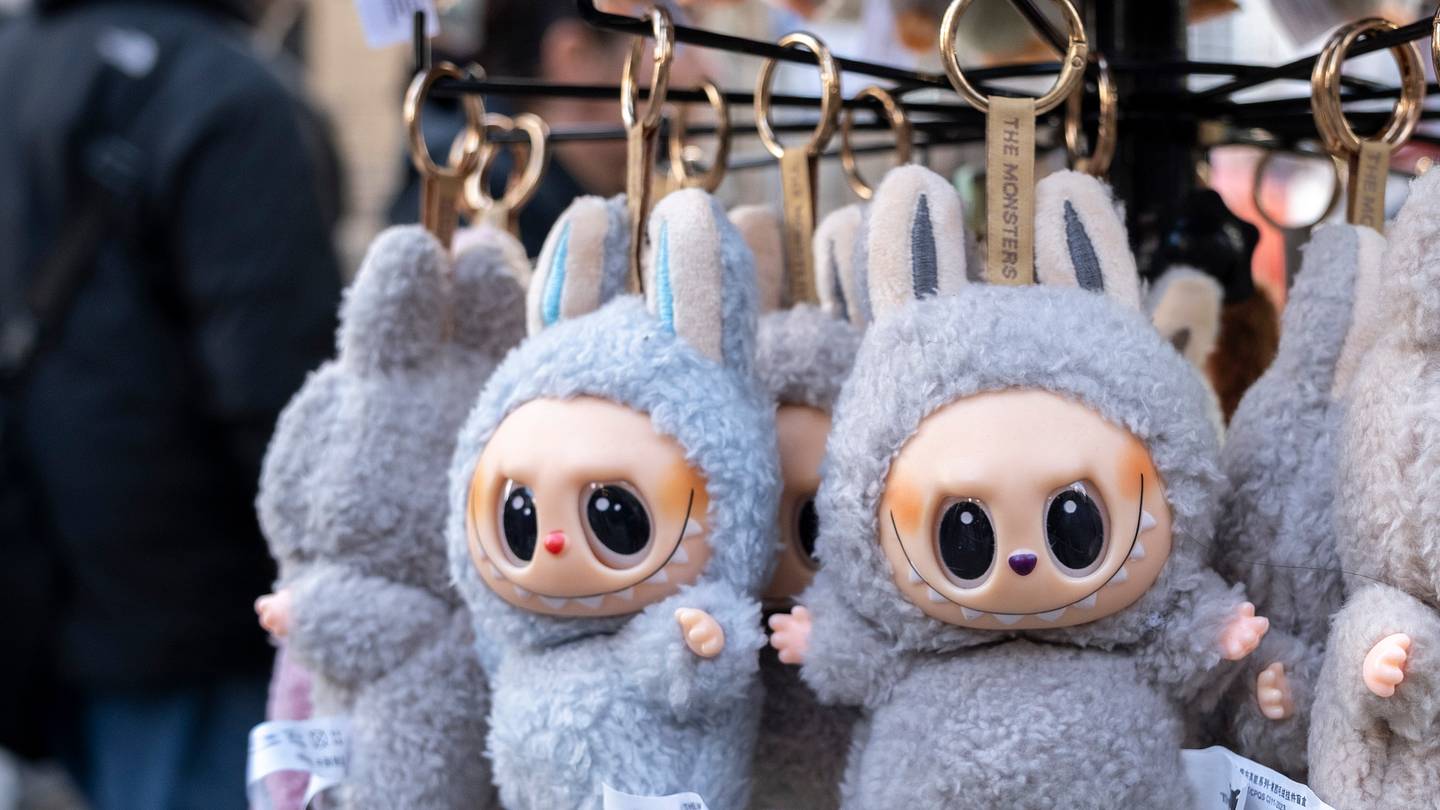
If you thought Labubu dolls were only bag charms, blind-box collectibles, or tiny gremlins with excellent branding, 2025 had another surprise: Labubu rave. The phrase referred to themed nightlife events where fans gathered to dance, show off collectibles, participate in giveaways, and celebrate the ugly-cute toy phenomenon in full neon glory.
Labubu’s broader rise was fueled by scarcity, celebrity visibility, blind-box excitement, and social media. The character became an accessory, a collectible, a status object, and eventually a reason to leave the house after 10 p.m. That is impressive for something with a mischievous grin and the energy of a woodland goblin who discovered streetwear.
Labubu raves were fascinating because they turned consumer fandom into real-world community. Instead of simply unboxing toys alone on camera, people gathered in clubs to participate in the trend together. That matters. In an era when many viral moments are solitary and screen-based, the Labubu rave became physical, loud, and social.
Why did people search it? Because the phrase sounded fake. “Labubu rave” has the same energy as “tax accountant mosh pit” or “sourdough nightclub.” But the events were real, and they showed how quickly a collectible can become a lifestyle marker. Labubu was not just something people bought. It became something people did.
8. Unfortunately, I Do Love
The guilty-pleasure confession trend
Unfortunately, I do love became a TikTok phrase for admitting the things you enjoy even if they are basic, embarrassing, chaotic, expensive, overly specific, or socially questionable. Set against polished video clips and often paired with nostalgic audio, the trend invited users to list their guilty pleasures with a shrug that said, “Yes, I know. And I refuse to heal.”
People used the format to confess love for hot Pilates, dramatic texting, overpriced coffee, reality TV, staying in bed, romanticizing tiny errands, or any number of habits that would normally be hidden behind a more curated online identity. The magic of the trend was its balance between self-roast and self-acceptance.
The phrase resonated because it pushed back against the internet’s obsession with perfect taste. For years, social media rewarded people for being aesthetic, efficient, disciplined, and effortlessly cool. “Unfortunately, I do love” made room for contradiction. You could be self-aware and still enjoy the thing. You could know it was silly and still let it make your day better.
That is why it became search-worthy. People saw the phrase on videos, recognized the emotional tone immediately, and wanted to understand the format. It was not just a meme. It was a small permission slip to be imperfect in public.
What These 2025 Search Trends Reveal
Taken together, the eight most-searched new terms of 2025 point to a culture that is tired of pretending. The Gen Z stare rejects forced performance. Unfortunately, I do love celebrates embarrassing honesty. Labubu raves embrace joyful weirdness. Beaded sardine bags turn fashion into a joke you can wear. Even Chicken Jockey shows people choosing loud, communal absurdity over quiet consumption.
At the same time, the list shows how quickly search behavior now responds to fragmented culture. A phrase can come from a song, a movie scene, a wellness claim, a fashion item, or a TikTok caption. It does not need one official origin story. It only needs enough people to encounter it and wonder, “Wait, what is that?”
Search engines have become the internet’s translation desk. When a trend moves faster than context, people search. When a phrase appears in a video with no explanation, people search. When a teenager yells “Chicken jockey” and someone’s popcorn becomes airborne, people definitely search.
Experience Note: What It Felt Like to Live Through These Trends
Experiencing the most-searched terms of 2025 felt like trying to attend eight different parties at once, all hosted by different corners of the internet. One room was full of people debating whether the Gen Z stare was a social problem or just a tired employee protecting their peace. Another room had someone shouting “What the Helly” over a beat while everyone pretended they understood the joke immediately. Down the hall, someone was carefully styling a beaded sardine bag like it was a museum artifact with a zipper.
The strangest thing was how fast these terms moved from confusion to familiarity. At first, “Labubu rave” sounded like an error message from a DJ app. A few weeks later, it made perfect sense that people would bring plush monsters to a club and dance under lights like they were honoring a tiny plastic deity. “Chicken jockey” sounded like nonsense until videos of movie theaters erupting made it feel like the official phrase of spring. By summer, even people who had never played Minecraft knew that something loud and popcorn-adjacent had happened.
These trends also changed how people talked offline. You could hear fragments of them in casual conversation: a coworker joking about giving the Gen Z stare during a meeting, a friend describing a questionable purchase with “unfortunately, I do love,” or someone explaining that tai chi walking was not just “walking slowly with confidence.” The internet did not stay on the internet. It leaked into errands, lunch breaks, beauty routines, shopping trips, and movie nights.
What stood out most was the emotional pattern behind the searches. People were not only chasing novelty. They were looking for labels that made modern life easier to describe. The Gen Z stare gave people a phrase for awkward communication. Korean retinol tea gave beauty fans a reason to question wellness marketing. Unfortunately, I do love gave people permission to admit what they enjoyed without pretending to be above it. Even the beaded sardine bag represented a desire for fashion that felt playful instead of perfect.
In that sense, the 2025 search experience was less about the specific terms and more about the mood. People wanted humor, identity, community, softness, and absurdity. They wanted to understand what everyone else was laughing about before the joke expired. They wanted to participate without needing a 40-minute explainer video and a glossary of TikTok sounds.
And honestly, that is the best part of these yearly search trends. They remind us that culture is not only made by major events or polished campaigns. Sometimes it is made by a blank stare, a viral lyric, a purse shaped like seafood, a slow walk, a questionable tea, a screaming movie audience, a rave for tiny monsters, or one sentence that admits the truth: unfortunately, we do love this ridiculous internet.
Conclusion
The eight most-searched new terms of 2025 show a year defined by fast-moving curiosity and wonderfully strange cultural mashups. Some trends will disappear into the internet attic, where they will sit beside planking, cheugy, and that one week everyone cared deeply about sea shanties. Others may leave a longer mark by shaping how people talk about identity, wellness, fandom, and self-expression.
Whether these terms made you laugh, shop, stretch, sip tea, or question the future of movie theater etiquette, they all prove the same thing: search trends are not just data. They are emotional receipts. They show what people did not understand, what they secretly wanted to join, and what they could not stop thinking about. In 2025, the internet was messy, funny, oddly honest, and occasionally covered in popcorn. In other words, business as usual.