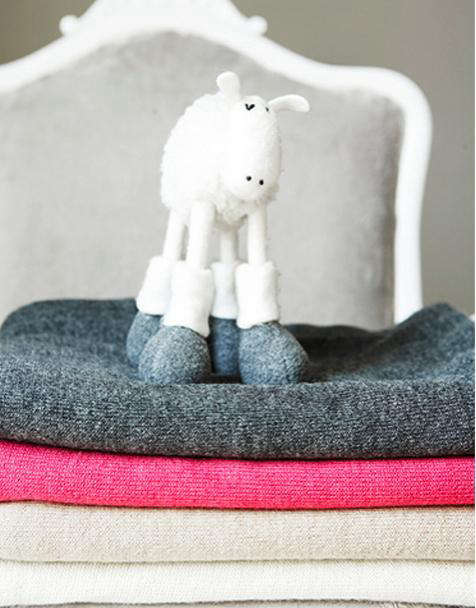
Softness, meet sanity. Designing a baby room sounds adorable until you realize the nursery has to do everything: soothe a tiny human, survive 2 a.m. diaper missions, store 47 mystery-sized onesies, and still look like a space where adults have not fully surrendered to plastic giraffes. That is why the phrase “Sefte Living Baby at Erica Tanov” still feels so appealing. It suggests a children’s room shaped by quiet luxury, natural texture, handmade beauty, and the kind of blanket you want to touch before you even know what it costs.
The original Sefte Living baby blanket associated with Erica Tanov was a 100% baby alpaca jersey knit piece, offered in calm, earthy colors such as cream, sand, pink, navy, and charcoal. Even though that exact listing has been discontinued, its design lesson remains useful: a nursery does not need loud themes to feel special. Sometimes the most memorable baby room begins with one beautiful textile, a warm palette, and a grown-up commitment to keeping the crib safe, simple, and gloriously free of decorative clutter.
This guide explores how to create a children’s room inspired by Sefte Living’s baby alpaca softness and Erica Tanov’s relaxed California sensibilitynatural, refined, unfussy, and quietly poetic. Think heirloom blanket, not cartoon explosion. Think “sleepy cloud over Berkeley” rather than “toy store after a confetti accident.”
What Made Sefte Living Baby at Erica Tanov So Special?
Sefte Living is known for luxurious home textiles, especially baby alpaca throws and blankets created with a handmade, artisan-minded spirit. Erica Tanov, meanwhile, is associated with relaxed luxury across clothing, interiors, textiles, and art. Put the two together, and you get a nursery idea that feels less like a temporary baby zone and more like a thoughtful room within a real home.
The attraction is not just softness, although baby alpaca is certainly the star of the show. The deeper appeal is restraint. A Sefte-inspired baby room does not scream for attention. It whispers, “Please remove your shoes, lower your voice, and maybe stop buying battery-powered toys shaped like farm animals.”
A Textile-First Approach
Many nurseries start with a theme: woodland animals, clouds, rainbows, safari, vintage circus, tiny astronauts, orif someone has had too much coffeewoodland astronaut circus. A Sefte Living baby blanket suggests a different starting point: texture. Begin with how the room should feel against the skin, under the hand, and in the dim light of early morning.
A baby alpaca blanket brings softness, warmth, and subtle visual depth. In a nursery, that kind of textile can be used as a supervised cuddle blanket, stroller layer, reading-chair throw, photo backdrop, or decorative accent placed safely away from the crib during sleep. The important distinction is simple: beautiful blankets belong in the room, but not loose in an infant’s sleep space.
Safety First: The Beautiful Blanket Rule
Before we get too swept away by dreamy fibers, let’s pause for the least glamorous but most important nursery design principle: safe sleep. Current U.S. pediatric and consumer safety guidance recommends that infants sleep on their backs, on a firm, flat surface, with a fitted sheet only. Loose blankets, pillows, quilts, stuffed toys, bumper pads, and other soft objects should stay out of the crib for babies.
That does not make a luxury baby blanket useless. It simply gives it a smarter job description. Use it during supervised snuggle time, tummy time on the floor, stroller walks, nursing-chair moments, or as a decorative layer folded over the back of a chair. When sleep begins, the blanket clocks out. Honestly, same.
How to Use a Baby Alpaca Blanket Safely
A Sefte-inspired baby alpaca blanket can be a beautiful part of the nursery when used thoughtfully. Fold it over a glider, place it in a basket, drape it on a reading bench, or keep it nearby for parent-and-baby bonding time. For sleep, choose a wearable blanket or sleep sack that fits properly and follows safety recommendations. This gives the baby warmth without loose fabric in the crib.
Design-minded parents often worry that safety rules will make the nursery look bare. But a bare crib can actually look calm and intentional. A fitted sheet in a soft neutral tone, a well-designed crib, and a carefully chosen wall color can feel elegant without adding hazards. Safety is not the enemy of style. It is the editor who removes the unnecessary props.
The Erica Tanov Look: Relaxed, Natural, and Grown-Up
Erica Tanov’s aesthetic is rooted in natural beauty, subtle imperfection, and timeless materials. For a children’s room, that translates into soft colors, honest textures, and pieces that do not become embarrassing the moment a child learns to say, “I hate baby stuff.”
The best children’s rooms grow gracefully. A room built around fine textiles, wood furniture, soft lighting, baskets, books, art, and natural colors can evolve from newborn nursery to toddler retreat to big-kid bedroom. A room built entirely around one cartoon dinosaur wearing sunglasses may have a shorter emotional shelf life.
Choose a Calm Color Palette
For a Sefte Living Baby at Erica Tanov mood, start with colors that feel borrowed from nature: cream, oatmeal, sand, clay, fog gray, dusty rose, soft charcoal, muted navy, pale sage, warm white, and faded linen. These tones support a restful environment and make textured pieces look richer.
You do not have to avoid color. You simply want color that does not leap off the wall yelling, “Good morning, everyone, it is 4:37 a.m.!” A muted palette lets baby blankets, artwork, wood grain, woven baskets, and small toys bring personality without overwhelming the space.
Add Pattern in Small, Flexible Doses
If the room feels too quiet, add pattern through removable wallpaper, a washable rug, framed art, crib sheets, or a Roman shade with a subtle print. This is where Erica Tanov’s textile sensibility feels especially useful: pattern can be artful and organic rather than loud and theme-heavy.
Try a hand-drawn stripe, botanical print, small-scale floral, block print, or abstract shape. The goal is charm without chaos. Remember, babies already provide plenty of chaos. Usually in liquid form.
Building the Nursery Around One Heirloom Textile
An heirloom baby blanket can become the emotional center of a room. It may be used in photos, passed between siblings, kept in a memory box, or eventually folded at the foot of a toddler bed. The Sefte Living baby alpaca idea works because it treats a baby item as part of family life, not disposable décor.
To build the room around a blanket, pull three design cues from it: color, texture, and mood. If the blanket is cream, pair it with warm wood, ivory walls, and a muted patterned rug. If it is charcoal, soften it with pale oak, linen curtains, and cream storage baskets. If it is dusty pink, keep the rest of the room grounded with tan, white, and natural fiber accents so it feels sophisticated rather than sugary.
Example: A Cream Baby Alpaca Nursery
Imagine a cream alpaca blanket folded over a pale wood glider. The crib is simple and white, the walls are warm ivory, and the rug has a quiet woven texture. A low dresser doubles as a changing station, topped with a washable pad and a small basket for diapers. A linen shade softens the window. On the wall: one framed botanical print, one small shelf of board books, and absolutely no giant decal saying “Dream Big Little One” unless you genuinely love it. We are not here to police decals, only to ask if they have considered retirement.
Example: A Charcoal and Sand Nursery
A charcoal baby alpaca blanket gives a nursery depth. Pair it with sand-colored walls, black picture frames, a natural wood crib, and a soft cream rug. Add a woven pendant or warm floor lamp for glow. This palette works beautifully for a gender-neutral nursery because it feels calm, modern, and grounded without depending on pink-or-blue shortcuts.
Furniture That Makes the Room Work
A nursery inspired by Sefte Living and Erica Tanov should look beautiful, yes, but it must also function during real life. Real life includes diaper changes, laundry piles, bottle parts, pacifiers that vanish like tiny magic tricks, and nights when every drawer seems to contain the wrong size pajamas.
The Crib
Choose a crib that meets current safety standards, with a firm mattress and tight-fitting sheet. Visually, a simple crib in white, natural wood, or matte black works best with an elevated textile-focused room. Avoid overdecorating the crib. The clean look is not only safer for infants; it also fits the quiet-luxury mood.
The Chair
A comfortable glider or rocking chair may become the most used piece in the nursery. Pick one with supportive arms, a durable fabric, and enough room to sit comfortably with a baby. Place the Sefte-inspired blanket nearby for supervised feeding or reading sessions. Add a small side table for water, burp cloths, and whatever snack keeps the adult alive at 3 a.m.
The Dresser and Changing Area
A dresser with a changing pad on top is often more useful long-term than a dedicated changing table. Once diaper days end, it remains a dresser instead of becoming a monument to wipes. Use drawer dividers for tiny clothes, baskets for creams and diapers, and wall hooks for swaddles or small bags.
Texture: The Secret Ingredient in Children’s Rooms
Texture is what keeps a neutral room from feeling flat. A nursery with cream walls, cream furniture, and cream bedding can either feel serene or like a bowl of oatmeal. The difference is layering.
Use a baby alpaca blanket, cotton crib sheets, a wool or washable rug, linen curtains, woven baskets, smooth wood, and matte ceramic lamps. Each material catches light differently. Together, they create depth without visual noise.
Best Textures for a Soft, Natural Nursery
Choose breathable cotton for crib sheets, linen or cotton for curtains, wool or washable fibers for rugs, and woven natural materials for baskets. A baby alpaca blanket adds a luxurious note, but because alpaca can require careful cleaning, keep it for special use rather than everyday floor duty. In other words, do not sacrifice the heirloom blanket to a banana pouch incident unless you are emotionally prepared.
Storage That Looks Intentional
Children’s rooms need storage the way coffee needs mornings. Without storage, even the most beautiful nursery becomes a tiny laundry weather event. The trick is to make storage part of the design.
Use lidded baskets, under-crib bins, closet dividers, wall shelves, and drawer organizers. Keep daily essentials close to the changing station. Store extra blankets and keepsakes higher or in a closet. Place toys in low baskets once the baby becomes mobile. A room can be elegant and kid-friendly, but it needs places for things to disappear quickly when guests arrive.
The Basket Rule
Every nursery needs at least three baskets: one for laundry, one for soft toys or board books, and one for blankets or extra layers. Baskets bring warmth and texture while hiding the evidence of normal family life. They are interior design’s most polite form of denial.
Lighting: Gentle, Layered, and Not Interrogation-Level Bright
Nursery lighting should have layers. A ceiling fixture may be useful during cleaning, but nighttime care needs softer options. Add a dimmable lamp, shaded sconce, or low night-light so diaper changes do not feel like a dental exam.
Warm light supports a cozy mood and makes natural textures look beautiful. Place lighting where it helps: near the chair, changing area, and closet. Avoid dangling cords near the crib or anywhere a child could reach as they grow.
How to Make the Room Grow With the Child
The best thing about a Sefte Living Baby at Erica Tanov approach is that it does not expire quickly. A baby alpaca blanket can move from nursery chair to toddler reading nook. A neutral rug can work with future bedding. A simple dresser can survive multiple room redesigns. Natural wood furniture rarely looks childish, which is good, because children become opinionated decorators surprisingly early.
To future-proof the room, keep the expensive items timeless and use lower-cost layers for personality. Art, sheets, pillows for older children, wall decals, and accessories can change as the child grows. The crib may leave, but the palette can stay.
From Baby Room to Toddler Room
When the child is older and it is developmentally appropriate to introduce more bedding, the heirloom blanket can take on a bigger role. It can be folded at the end of a toddler bed, used for story time, or kept as a comfort layer during supervised rest. Add low shelves, a small table, and accessible book storage to encourage independence.
Care Tips for Luxury Baby Textiles
Luxury baby textiles need care, and babies are not famous for respecting care labels. Before buying any fine blanket, check cleaning instructions. Baby alpaca may require hand washing, gentle care, or dry cleaning depending on the construction. If you want an everyday blanket that can go through the washing machine weekly, choose cotton, bamboo, or washable wool blends instead.
A smart nursery can include both: a practical washable blanket for messy routines and a special alpaca piece for cuddles, photos, stroller walks, and memory-making. This is not being fussy. This is knowing that spit-up has no respect for craftsmanship.
Shopping Alternatives If the Original Blanket Is Discontinued
Because the original Sefte Living baby blanket at Erica Tanov is no longer widely available, look for similar qualities rather than the exact item. Search for baby alpaca blankets, heirloom baby blankets, artisan nursery textiles, Oeko-Tex certified dyes, organic baby alpaca throws, handmade baby blankets, or luxury nursery textiles.
When comparing options, prioritize material, safety, softness, cleaning instructions, size, and construction. For babies, avoid loose fringe, heavy embellishments, beads, buttons, or anything that could become a hazard. For decorative nursery use, keep special textiles out of reach when the child becomes mobile.
Design Experiences: Living With a Sefte-Inspired Baby Room
The most successful children’s rooms are not the ones that look perfect for one photo. They are the rooms that feel good at sunrise, midnight, laundry day, story time, and the weird hour when everyone is awake but nobody knows why. A Sefte Living Baby at Erica Tanov inspired room works because it begins with feeling rather than performance.
One of the best experiences with this style is how calm the room feels when you enter it. The palette is soft, the textures are warm, and nothing visually shouts. That matters more than people think. Parents spend many hours in the nursery, often while tired, overstimulated, or holding a baby who has strong opinions about being put down. A visually quiet room can help everyone settle. It will not magically make a baby sleep through the night, but it may keep the adult from feeling like they are trapped inside a toy catalog.
Another practical experience: a single beautiful blanket can make the whole room feel finished. You do not need twenty decorative objects. Fold a cream or sand-colored alpaca blanket over a chair, add a small lamp, hang one meaningful print, and suddenly the nursery feels intentional. This is especially helpful in small homes or apartments where the baby area may share space with an adult bedroom. A refined textile helps the baby zone blend with the rest of the home.
Parents also tend to appreciate how flexible the look is. When the baby becomes a toddler, the room does not need a complete identity crisis. Swap the crib for a toddler bed, add accessible books, bring in a few favorite toys, and the original palette still works. The baby alpaca blanket becomes part of the reading corner or a keepsake folded on a shelf. The room grows without requiring a full redesign or a dramatic goodbye ceremony for pastel elephants.
There is also a sentimental layer. Fine baby textiles often become memory objects. Years later, parents remember the blanket used during early morning feeds, first family photos, chilly stroller walks, or quiet cuddles after bath time. That emotional value is why heirloom-style pieces are worth considering. They are not just décor; they become part of the family archive.
Of course, the experience is best when expectations are realistic. A luxury baby blanket should not be the only blanket in the house. You will still want washable backups. You will still need burp cloths, plain cotton layers, and practical pieces that can survive regular laundry. The secret is balance: one special textile for beauty and memory, several practical textiles for daily survival.
In the end, a Sefte Living Baby at Erica Tanov inspired children’s room is less about buying a specific discontinued item and more about adopting a design philosophy. Choose fewer things, but better things. Let natural materials do the decorating. Keep the crib safe and simple. Build warmth through texture. Make room for both the baby’s needs and the parent’s peace of mind. And when in doubt, add a basket. Baskets solve more nursery problems than they have any right to.
Conclusion: A Softer Way to Design Children’s Rooms
Childrens Rooms: Sefte Living Baby at Erica Tanov is really a lesson in thoughtful nursery design. It reminds us that a baby room can be gentle, refined, safe, and personal without becoming overly themed or overly precious. A baby alpaca blanket may be the inspiration, but the larger idea is timeless: create a room that welcomes touch, supports rest, stores real-life mess, and grows with the child.
Use beautiful textiles with care. Keep loose blankets out of the crib during infant sleep. Choose natural colors, durable furniture, layered lighting, and storage that quietly works in the background. The result is a nursery that feels calm enough for a newborn, stylish enough for adults, and flexible enough for the wild little person who will eventually have very specific opinions about socks, snacks, and wall art.
Note: This article is original editorial content synthesized from current nursery design, baby textile, safe-sleep, and children’s room guidance. It is intended for web publishing and general informational use, not as medical advice.