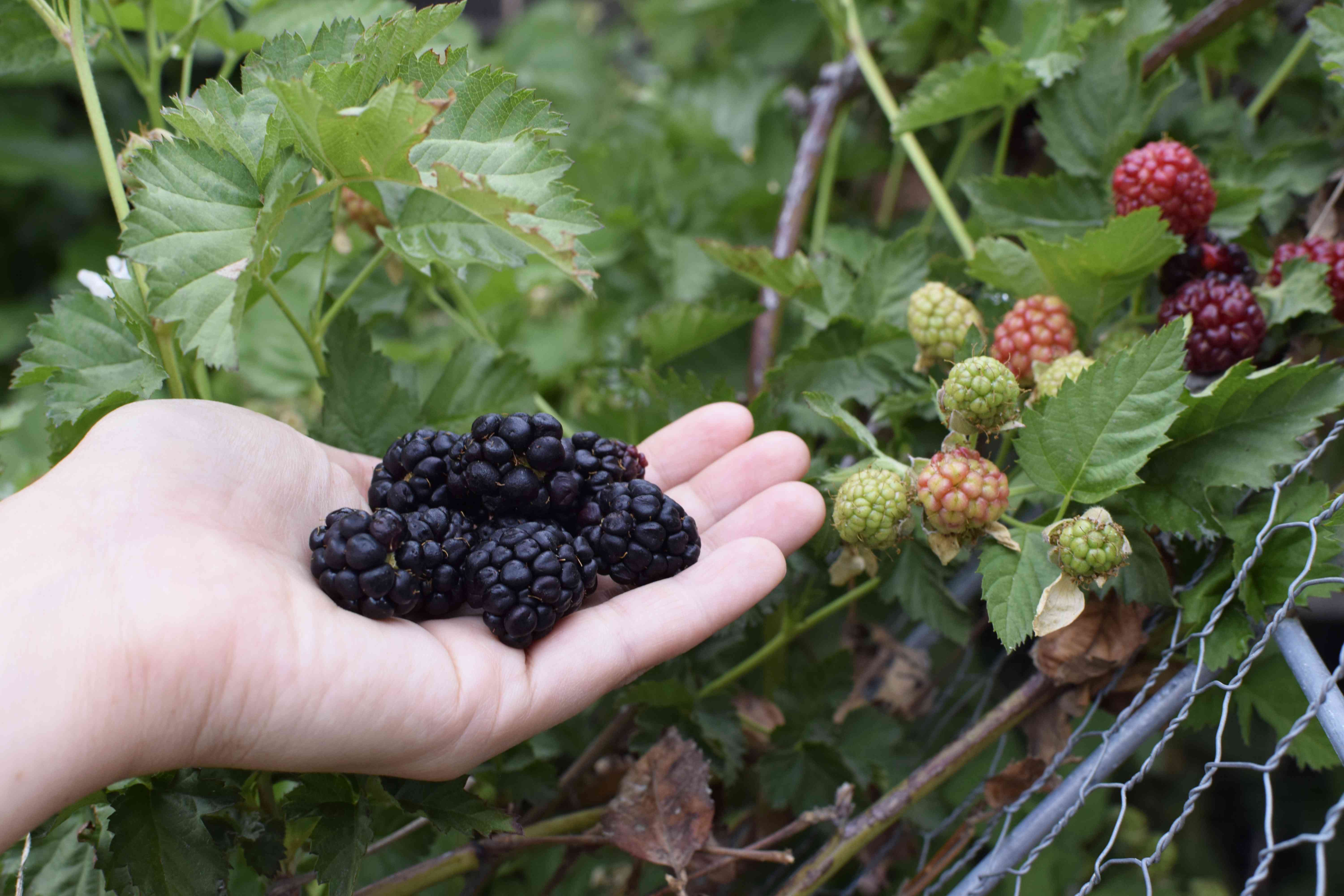
Blackberries are one of those rare garden crops that feel a little dramatic in the best possible way. One minute, you have a tangle of green canes minding their business. The next, you are carrying a bowl of glossy, inky fruit back to the kitchen like you just won a tiny homesteading award. If you want a plant that is productive, beautiful, and just thorny enough to keep random snack thieves honest, blackberries deserve a spot in your yard.
The good news is that growing blackberries is not especially complicated. The even better news is that once they are established, they can reward you for years with baskets of sweet-tart fruit for fresh eating, jam, cobbler, smoothies, and those noble intentions to make “just one healthy breakfast bowl” that somehow turns into dessert. The secret is giving them the right start: plenty of sun, well-drained soil, smart pruning, and a little respect for how fast these plants can grow when they are happy.
This guide walks you through everything you need to know about blackberry plant care, from choosing the right type to pruning like someone who actually knows what a floricane is. By the end, you will be ready to grow blackberries with confidence instead of just optimistic vibes and a pair of gardening gloves.
Know Your Blackberry Types Before You Plant
Not all blackberries grow the same way, and knowing the difference will save you a great deal of future confusion. In the blackberry world, growth habit matters. A lot.
Erect Blackberries
Erect blackberries grow more upright than other types. They are often the easiest option for home gardeners because they need less support, although many gardeners still use a trellis to keep things tidier and harvesting easier. These are a strong choice if you want a patch that behaves itself a little better, which in blackberry terms still means “enthusiastic,” not “well-mannered.”
Semi-Erect Blackberries
Semi-erect blackberries fall somewhere in the middle. They are vigorous, productive, and usually need a trellis to keep the canes off the ground. If you skip support, they tend to sprawl and create the sort of garden chaos that looks charming only in photos from very far away.
Trailing Blackberries
Trailing types produce long, flexible canes that absolutely need support. These are often grown on wires and trained carefully. They can be excellent producers, but they ask for a little more planning and discipline from the gardener.
Thorny vs. Thornless
Thornless blackberries are popular for obvious reasons: fewer scratches, easier picking, and less chance of looking like you fought a rosebush and lost. Thorny types can still be worth growing, though, because some gardeners prefer their vigor, flavor, or adaptability. Choose based on your climate, your space, and your tolerance for botanical sass.
Choose the Best Spot for Growing Blackberries
If blackberries could make a wishlist, it would be short and very reasonable: full sun, good drainage, and room to breathe. Give them those three things, and you are already halfway to a successful harvest.
Sunlight
Blackberries grow best in full sun. More sun generally means better flowering, sweeter fruit, stronger canes, and fewer disease problems. They can tolerate a little light shade in some climates, but heavy shade leads to weaker growth, lower yields, and fruit that never quite reaches its full potential. In other words, blackberries can survive less-than-ideal light, but they will complain by producing less fruit.
Soil
The best soil for blackberries is well-drained, fertile, and rich in organic matter. Slightly acidic soil is ideal, with a pH typically in the 5.6 to 6.5 range. If your soil is heavy clay or tends to stay soggy after rain, improve drainage before planting. Raised rows or raised beds can help a lot. Blackberry roots do not enjoy “wet feet,” and poor drainage invites root problems faster than you can say Phytophthora.
Airflow and Layout
Good airflow matters because crowded, damp foliage creates a cozy little resort for fungal diseases. Plant where the canes can dry quickly after rain or irrigation. If possible, orient rows where both sides of the planting can get good light. Also, keep blackberries away from places where you recently grew related crops or where old bramble problems have lingered.
When and How to Plant Blackberries
In most regions, the best time to plant blackberries is early spring while the plants are still dormant or just waking up. In warmer areas, dormant-season planting can also work well. Bare-root plants should go into the ground as soon as conditions allow, before they decide your garage shelf is their forever home.
Planting Steps
Start by digging a hole wide enough to spread the roots comfortably. Set the plant so the crown sits around the same depth it was growing before, or slightly below the soil line depending on the plant type and nursery guidance. Spread the roots, fill the hole with soil, firm it gently, and water thoroughly to settle everything in.
As a general rule, erect blackberry plants are spaced about 3 to 4 feet apart. Semi-erect and trailing types usually need more elbow room, often 6 to 8 feet or more between plants depending on the trellis system and cultivar. Rows should be far enough apart to allow light, airflow, and your future self carrying a harvest bucket without performing gymnastics.
After planting, apply mulch around the base. Wood chips, bark, pine needles, or leaf mulch help conserve moisture, suppress weeds, and improve soil over time. Keep the mulch a little away from the crown so you do not trap too much moisture right against the plant.
How to Care for Blackberries All Season Long
Watering
Consistent moisture is one of the biggest keys to healthy blackberry plants. They usually do best with about 1 to 2 inches of water per week, especially during flowering, fruit development, and hot summer weather. Drip irrigation is ideal because it keeps water directed to the root zone while reducing wet foliage, weeds, and wasted water. If rainfall is unreliable, do not leave your berry crop to fate and wishful thinking.
Fertilizing
Blackberries are not heavy feeders, but they appreciate steady nutrition. A balanced fertilizer can be applied after new growth begins, and established plantings often benefit from a spring feeding. The exact amount should match your soil test and local guidance, because overfertilizing blackberries is a classic gardener mistake. Too much fertilizer can produce lush, weak growth, increase disease pressure, and in some cases damage the plants. This is a berry patch, not a steroid experiment.
Weed Control
Keep weeds under control, especially during the first year. Weeds compete for water and nutrients, and crowded growth reduces air movement. Shallow cultivation, hand weeding, and mulch are usually the safest ways to manage this. Avoid digging deeply around the roots because blackberry plants do not appreciate being casually excavated.
Trellising
Semi-erect and trailing blackberries should be grown on a trellis, and even erect types often benefit from one. A simple two-wire system works well for many home gardens, with wires placed at roughly 3 and 5 feet high. Trellising keeps fruit cleaner, improves airflow, makes pruning easier, and saves you from harvesting berries while crouched in a thorny jungle pretending this is fun.
Pruning Blackberries Without Panic
If blackberry pruning seems confusing at first, that is because the plants insist on having two types of canes with different jobs. Once you understand the system, it gets much easier.
Primocanes and Floricanes Explained
Primocanes are first-year canes. Floricanes are second-year canes that flower, fruit, and then die after harvest. That means not every cane should be treated the same way, and random cutting is not a strategy. It is a cry for help.
Pruning Summer-Fruiting Blackberries
For most summer-fruiting blackberries, remove spent floricanes right after harvest or during the dormant season if that fits your system better. These old fruiting canes are done. Finished. Retired. They will not produce again, and leaving them in place only increases crowding and disease risk.
During the growing season, tip primocanes when they reach the recommended height for your plant type. Tipping encourages branching, which leads to more fruiting wood the following season. In winter, thin the remaining canes and shorten lateral branches so the plant stays productive and manageable.
Pruning Primocane-Fruiting Blackberries
Primocane-fruiting blackberries can produce on first-year canes later in the season. Many gardeners simplify care by cutting all canes to the ground during winter, which encourages a single fall crop on new canes. This is straightforward, efficient, and appealing to anyone who likes gardening plans with fewer moving parts.
The main lesson is this: always know whether your cultivar fruits on primocanes, floricanes, or both. Pruning the wrong way can mean sacrificing part or all of the next crop, which is a terrible plot twist.
How and When to Harvest Blackberries
The most beautiful blackberry on the plant is not always the ripest one. Blackberries turn black before they are fully ready, so patience matters. Wait until the berries are fully colored, plump, and easy to detach from the plant. If you have to tug, argue, or negotiate, they are probably not quite ready.
Harvest in the morning after the dew has dried, when temperatures are cooler. Handle the fruit gently because blackberries are delicate and highly perishable. Refrigerate them as soon as possible. Fresh berries usually keep only a few days in the refrigerator, so plan to eat, freeze, or cook them quickly.
Common Blackberry Problems and How to Prevent Them
Poor Drainage
Soggy soil can lead to root rot, weak growth, and overall decline. This is one of the biggest reasons blackberry plantings fail. Start with good drainage and improve heavy soils before planting.
Disease Pressure
Blackberries can deal with anthracnose, orange rust, cane blights, fruit rots, and other fungal issues. Good sanitation makes a huge difference. Remove old fruiting canes, destroy badly diseased material, avoid overcrowding, and keep the patch open to light and airflow.
Pests
One pest worth watching is spotted wing drosophila, a fruit fly that attacks ripening berries. Prompt harvesting and clean garden habits help reduce losses. Overripe fruit left hanging or dropped on the ground is basically a party invitation for pests.
Weak Production
If your blackberry crop is disappointing, check the basics first: not enough sun, poor pruning, excess shade, too much nitrogen, drought stress, or planting the wrong type for your climate. Most blackberry problems are not mysterious. They are usually the plant’s passive-aggressive way of saying, “I asked for sun and drainage.”
Real-Life Experiences Growing and Caring for Blackberries
One of the most interesting things about growing blackberries is how quickly they teach you the difference between reading instructions and actually living with the plant. On paper, blackberry care sounds neat and organized: plant here, water this much, prune at this time, harvest when ripe. In real life, it feels more like entering a long-term relationship with a very productive, slightly chaotic roommate.
Many gardeners say the first surprise is how fast the canes grow once the weather warms. A young plant that looked modest in spring can suddenly send up vigorous shoots that seem to stretch an inch every time you turn around. If you put off trellising because you thought you would “handle it later,” later arrives with impressive speed. Suddenly the patch is leaning, arching, and trying to colonize nearby space like it just discovered ambition.
Another common experience is learning patience with ripening fruit. Beginners often pick berries too early because the color says “ready” while the flavor says “absolutely not.” The difference between a berry that is black and a berry that is fully ripe can be just a little extra time on the cane, but the payoff is huge. Gardeners who wait for berries to soften slightly and release easily usually get much better flavor. That moment when a ripe blackberry practically rolls into your hand is deeply satisfying and just a little addictive.
Pruning is another area where experience changes everything. The first year, many people are nervous about cutting too much. By the second or third year, they are usually much bolder because they have seen what happens when old canes are left standing: tangled growth, reduced airflow, and berry picking that feels like reaching into a medieval defense system. Once you see the benefits of a well-pruned patch, it becomes easier to cut confidently and keep the planting productive.
Watering also tends to become more intuitive over time. New growers may either baby the plants too much or forget them when the weather turns hot. Experienced blackberry gardeners learn to watch the soil, the weather, and the stage of the crop. During fruiting, steady moisture really shows in berry size and quality. A well-watered patch gives you fuller, juicier fruit. A drought-stressed patch gives you smaller berries and a silent lecture about consistency.
There is also the simple joy factor. Blackberry patches have a way of turning ordinary summer mornings into mini traditions. You head outside with a bowl, tell yourself you are just checking the plants, and come back stained purple, holding enough fruit for pie and eating half of it before you reach the kitchen. Children remember this. Neighbors notice it. Even people who claim they are “not really gardeners” get emotionally attached once the harvest starts.
And yes, there are frustrations. Birds sometimes beat you to the best berries. Thorny varieties can snag sleeves, gloves, and dignity. A missed pruning session can create a mess that takes an entire afternoon to sort out. But for most gardeners, the rewards easily outweigh the hassle. Blackberries are generous plants. When you learn their rhythm, they stop feeling difficult and start feeling dependable.
That is probably the best real-world lesson of all: growing blackberries is not about perfection. It is about paying attention, adjusting as you learn, and enjoying the fact that a sunny corner of your yard can produce bowls of rich, sweet fruit for years. Not bad for a plant that begins life looking like a few sleepy sticks.
Conclusion
If you want fruit that tastes like summer and makes your garden work a little harder for you, blackberries are a smart pick. Give them full sun, fertile well-drained soil, steady moisture, and a proper pruning routine, and they will reward you with heavy crops and years of dependable production. Whether you choose an easygoing erect variety or a more ambitious trailing type, the basics stay the same: plant carefully, support the canes, prune with purpose, and harvest at peak ripeness. Once you get the hang of blackberry care, the whole process becomes less intimidating and much more delicious.