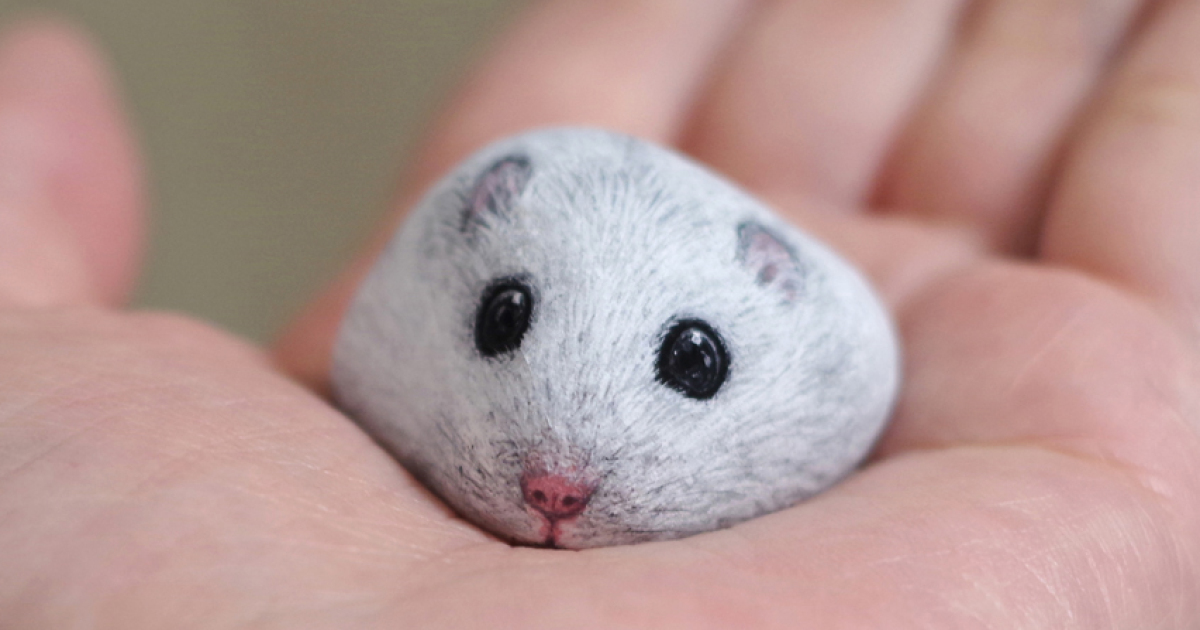
Some people look at a stone and see a stone. I look at a stone and think, “That is clearly a sleepy hedgehog who has been late for brunch since 1998.” Maybe that says something about my imagination. Maybe it says something about the stone. Either way, this tiny world of painted rock animals has taught me that art does not need a giant canvas, a dramatic studio, or a beret worn at a suspicious angle. Sometimes, all it needs is a smooth pebble, a fine brush, a little patience, and the willingness to believe that a lump of earth can become a fox, owl, turtle, cat, dog, rabbit, or pocket-sized emotional support frog.
Hand-painted stone animals are exactly what they sound like: small natural stones transformed into lifelike or whimsical animals using paint, careful observation, and a healthy respect for the rock’s original shape. The best pieces do not fight the stone. They listen to it. A rounded pebble becomes a sleeping seal. A pointed edge becomes a bird’s beak. A tiny bump becomes a paw. A gray streak becomes fur. The artist’s job is not to bully the stone into becoming something else, but to notice what it has been quietly suggesting all along.
This art form has gained attention online because it combines three things people rarely resist: animals, miniatures, and the small miracle of “Wait, that used to be a rock?” It is cute, yes, but it is also surprisingly thoughtful. Each piece asks us to slow down, look closer, and find personality in ordinary materials. In a world where everything moves fast enough to make your coffee nervous, a palm-sized stone animal feels like a tiny pause button.
The Charm of Turning Ordinary Stones Into Tiny Animals
The appeal of animal stone art begins with contrast. Stones are usually associated with heaviness, silence, and permanence. Animals suggest movement, warmth, curiosity, and life. When those two ideas meet, something delightful happens. A stone painted as a curled-up fox still carries the calm weight of geology, but the painted eyes and fur make it feel as if it might wake up, stretch, and demand snacks.
That mix of stillness and personality is why palm-sized stone animals feel different from ordinary paintings. You do not just look at them; you hold them. Their weight makes them feel real. Their scale makes them intimate. A painting on canvas hangs on a wall and says, “Admire me from a respectful distance.” A painted stone animal sits in your hand and says, “Hello. I am small, round, and emotionally available.”
Why the Stone Shape Matters
The most important part of making painted rock animals happens before the first brushstroke. It starts with choosing the right stone. Smooth stones are easier to paint, but “perfect” stones are not always the most interesting. A strange curve might become a curled tail. A flat oval might become a resting cat. A long pebble might turn into a fish. A little triangular stone might be begging to become an owl with judgmental eyebrows.
This is where the process becomes part observation, part imagination, and part gentle negotiation. Instead of asking, “What do I want to paint?” the better question is, “What animal is already hiding here?” When the stone and the idea match, the finished piece feels natural, almost inevitable.
A Brief History: Humans Have Loved Painting on Stone for a Very Long Time
Painting on stone may feel trendy because social media loves a good before-and-after transformation, but humans have been using rock surfaces for visual storytelling for thousands of years. Ancient rock art includes paintings, engravings, animal forms, symbols, and figures created on cave walls, boulders, and stone surfaces. Long before modern canvases and craft-store acrylics, people used mineral pigments, charcoal, and natural materials to record what they saw, believed, hunted, feared, and celebrated.
Today’s painted stone animals are not the same as ancient rock art, of course. A tiny painted hamster on your desk is not exactly a sacred cave mural. Still, both share a human instinct: the desire to look at stone and add meaning. Stone is one of the oldest surfaces we know. When we paint it, we join a very long creative conversationjust with smaller brushes and, ideally, fewer saber-toothed complications.
How Palm-Sized Stone Animals Are Made
Creating a realistic painted stone animal is slower than it looks. Online photos make the transformation appear magical, but behind every adorable pebble creature is a series of careful steps, tiny corrections, and at least one moment where the artist whispers, “Please, little eye, do not ruin everything.”
1. Choosing the Stone
The process begins with selecting a stone that has the right size, balance, and personality. Palm-sized stones work beautifully because they are large enough for detail but small enough to feel precious. The stone should be clean, dry, and stable when placed on a flat surface. If it wobbles like a dramatic theater actor, it may need a different animal conceptor a very patient artist.
2. Cleaning and Preparing the Surface
Before painting, the stone should be washed and dried completely. Dirt, dust, and moisture can prevent paint from adhering well. Some artists use a primer or gesso to create a smoother surface, especially when the stone is porous. Others prefer to preserve as much of the natural stone as possible and paint only where needed. The choice depends on the final style: realistic, whimsical, decorative, or somewhere between “museum-worthy” and “my raccoon has seen things.”
3. Sketching the Animal Lightly
A light sketch helps map out the animal’s eyes, nose, ears, paws, feathers, or scales. The sketch should follow the stone’s shape rather than ignore it. For example, a rounded stone may work well for a sleeping animal, while a narrow stone may be better for a fish, lizard, or bird. This stage is less about drawing a perfect animal and more about finding harmony between anatomy and geology.
4. Building Layers of Paint
Acrylic paint and acrylic gouache are popular choices for rock painting because they dry quickly, offer strong color, and allow layering. Realistic animal stone art often starts with broad base colors, followed by gradually smaller details. Fur, feathers, and scales require patience. A single animal may need many thin layers to create depth. The trick is to avoid painting every hair like a tax accountant counting receipts. Suggestion often works better than obsession.
5. Painting the Eyes Last
Many stone animal artists save the eyes for the end because eyes give the creature its personality. A tiny highlight can make the difference between “adorable fox” and “fox who knows your browser history.” Eyes create connection. Once they are finished, the stone often seems to shift from object to companion.
6. Sealing the Finished Piece
A clear sealant helps protect the painted surface from scratches, dust, and moisture. Indoor display pieces may need only a gentle protective finish, while outdoor rocks require stronger weather-resistant sealing. However, not every painted rock belongs outdoors. In protected parks, trails, and natural areas, it is better to follow Leave No Trace principles: leave natural objects where they are and avoid adding painted items to wild spaces. Cute should never become litter wearing a smile.
Why These Tiny Stone Animals Make People Smile
There is real emotional power in small handmade objects. A palm-sized animal stone can brighten a desk, bookshelf, windowsill, bedside table, or gift box. Unlike mass-produced decor, each stone has its own weight, shape, quirks, and imperfections. That uniqueness makes it feel personal.
Animals also carry instant emotional appeal. We respond to expressive faces, small forms, rounded shapes, and familiar creatures. A tiny painted rabbit can feel gentle. A little owl can feel wise. A sleeping cat can feel peaceful. A frog can feel like it knows a secret but refuses to explain because frogs enjoy drama.
These pieces also invite touch. In a digital world full of flat screens, holding a painted stone feels grounding. It is solid, cool, and quiet. That sensory quality is part of the charm. You are not just seeing art; you are holding a small piece of nature that has been reimagined with affection.
The Wellness Side of Painting Stones
Rock painting can be more than a craft project. It can become a calming routine, a creative reset, and a way to practice mindful attention. Cleaning the stone, studying its shape, mixing colors, and adding tiny details all require focus. That focus can pull the mind away from stress and into the present moment.
Creative activities are often linked with relaxation, emotional expression, and a sense of accomplishment. Painting a stone animal may not solve every problem in life, but it can give your brain a friendly place to sit for a while. And sometimes that is enough. Not every healing moment arrives with dramatic music. Sometimes it arrives as a pebble raccoon.
Tips for Beginners Who Want to Paint Animal Rocks
If you are new to rock painting, start simple. Choose animals with clear shapes and forgiving features. Ladybugs, turtles, owls, cats, fish, bees, and sleeping foxes are great beginner subjects. Avoid starting with a hyperrealistic snow leopard unless you enjoy being humbled by a rock before lunch.
Use the Right Supplies
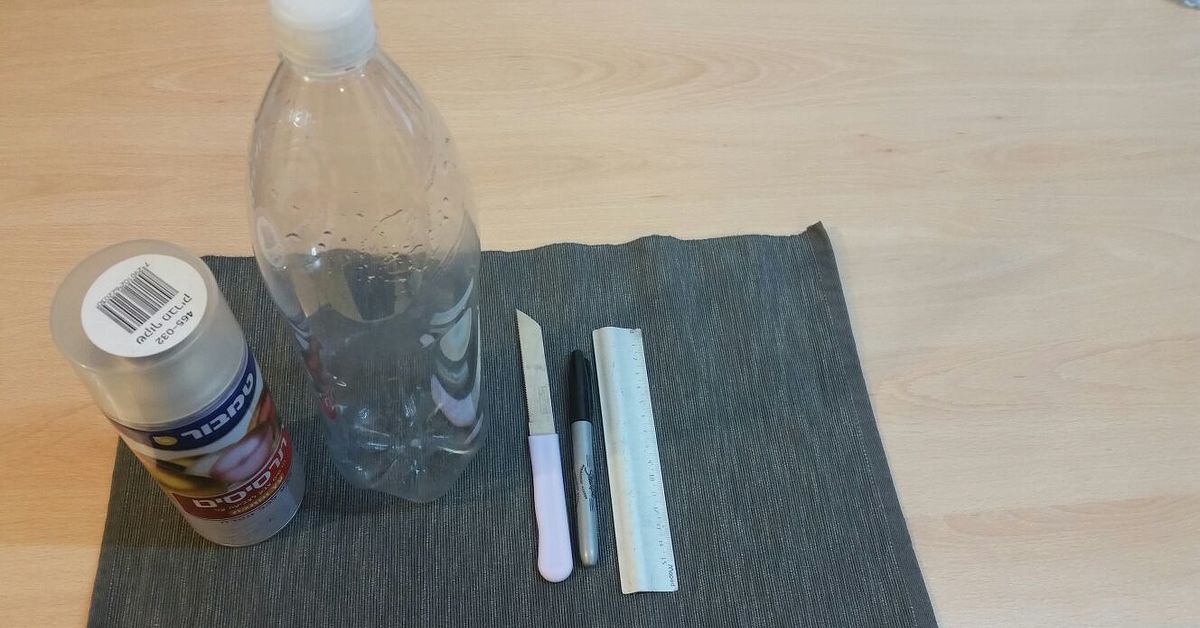
Beginners can start with smooth stones, acrylic paint, small brushes, pencil, water, paper towels, and a clear sealant. Paint pens can help with fine lines, but brushes offer more control for shading and texture. A white base coat can make colors brighter, while leaving parts of the natural stone visible can create a more organic look.
Study Animal Features
Look at reference photos before painting. Notice where the eyes sit, how the nose connects to the face, how ears angle, and how fur changes direction. You do not need to copy a photo exactly. The goal is to understand the animal well enough to simplify it convincingly.
Let the Stone Help You Decide
Do not force every stone to become the animal you planned. If your “cat stone” looks more like a potato with ambition, maybe it wants to be a sleeping bear. Flexibility is part of the fun. The stone is not being difficult; it is contributing creatively, which is very bold for something without a calendar.
Responsible Rock Collecting and Display
Before collecting stones, check local rules. Do not remove rocks from national parks, protected lands, beaches with restrictions, archaeological sites, or private property without permission. Good alternatives include purchased landscaping stones, craft stones, garden-center pebbles, or stones collected from places where it is allowed.
If you want to share painted rocks, give them as gifts, sell them as handmade art, or place them in approved community spaces. Avoid leaving painted stones in forests, parks, rivers, trails, or habitats where paint, sealant, or moved rocks could affect wildlife or the natural setting. The kindest rock is one that makes people smile without giving a park ranger a migraine.
Why Handmade Stone Animals Make Meaningful Gifts
A handmade stone animal is small, durable, and full of personality. It works as a birthday gift, memorial keepsake, desk companion, pet portrait, stocking stuffer, garden accent, or “I saw this tiny owl and thought of you” surprise. Because every stone is naturally different, even two animals painted in the same style will never be identical.
Custom pet portraits on stones can be especially meaningful. A stone painted to look like a beloved cat, dog, rabbit, bird, or guinea pig becomes more than decor. It becomes a tactile memory. For people grieving a pet, a small painted stone can offer quiet comfort without trying too hard. It simply sits there, steady and sweet.
The Artistic Challenge Behind the Cuteness
It is easy to underestimate cute art. People see a tiny painted squirrel and think, “Adorable!” They may not immediately notice the composition, color blending, anatomy, texture, and illusion required to make a hard stone appear soft and alive. But miniature animal stone painting is technically demanding. The surface is uneven. The scale is small. The form is fixed. Mistakes are harder to hide. A canvas lets you choose the rectangle. A stone says, “Here is my shape. Good luck, human.”
That challenge is exactly what makes the work satisfying. The artist must solve a little puzzle every time. Where does the head go? Can the natural curve become the back? Should the animal be curled, sitting, sleeping, or peeking? What markings already exist in the stone? The finished animal is not only painted on the rock; it is discovered through it.
Personal Experiences: What Painting Palm-Sized Stone Animals Has Taught Me
The first time I tried turning a stone into an animal, I was wildly overconfident. I picked up a smooth oval pebble and announced, with the confidence of a person who had watched three tutorials and was therefore clearly qualified, that it would become a realistic sleeping cat. Two hours later, it looked like a gray dinner roll with whiskers. Not my finest artistic moment, but honestly, the dinner roll had charm.
That little failure taught me the first rule of stone animal art: listen before you paint. I had chosen the animal before studying the stone. I wanted a cat, but the shape may have been better suited for a seal, a mole, or possibly a very tired bean. Now, before painting, I rotate each stone in my hand. I look at it from the top, side, and bottom. I check the curves, bumps, cracks, and color changes. Sometimes the animal appears immediately. Other times, the stone says nothing, which is fair. We all have quiet days.
One of my favorite experiences involved a small brown stone with a slightly raised ridge near one end. At first, I thought it might become a mouse. Then I noticed the ridge looked like the bridge of a nose, and the rounded body had the perfect curl for a sleeping fox. I painted warm orange fur, a white-tipped tail, black paws, and closed eyes. When it was finished, the stone looked peaceful, as if it had found the coziest spot in the entire forest and had no intention of answering emails.
Another memorable piece was a tiny owl. The stone was almost triangular, with a flat front and a slightly pointed top. I painted large amber eyes, soft brown feathers, and little speckles across the chest. The hardest part was keeping both eyes aligned. One wrong dot and the owl would go from majestic woodland guardian to confused substitute teacher. After several careful layers, it finally had that alert owl expressionwise, calm, and just a little offended.
Painting these animals has also changed the way I walk outdoors. I notice stones more often now, not because I want to take every interesting rock home, but because I have learned to see possibility in ordinary shapes. A pebble on the path may look like a turtle shell. A river stone may resemble a curled-up otter. Even when I leave the stones where they belong, the habit of noticing remains. It makes the world feel more playful.
The most rewarding part is watching someone hold a finished stone animal for the first time. People almost always smile before they speak. They turn it over, feel its weight, and look closely at the eyes. Some laugh. Some say it reminds them of a pet. Some immediately give it a name, which is how a painted chipmunk once became “Sir Nibbles of Desk Kingdom.” I did not argue. He looked like royalty.
Over time, I have realized that the smile is the real point. The stone begins as something overlooked. Through attention and care, it becomes something loved. That transformation feels hopeful. It suggests that beauty does not always need to be invented from scratch. Sometimes it is already there, waiting for someone to notice the ears, the tail, the sleepy little face hiding in plain sight.
So yes, I turn stones into animals that fit in the palm of your hand. I paint cats, owls, foxes, frogs, rabbits, birds, and whatever creature the next stone quietly recommends. I hope they make people smile, but I also hope they remind us to slow down. The world is full of small, strange, wonderful things. Some of them are sitting right under our feet, pretending to be rocks.
Conclusion
Palm-sized painted stone animals prove that art does not have to be large to feel meaningful. A simple rock can become a tiny creature with personality, humor, and heart. Whether you admire the work of skilled stone artists, try rock painting as a relaxing hobby, or gift a handmade animal stone to someone who needs a smile, this craft celebrates imagination in its most grounded formliterally. With the right stone, careful painting, and respect for nature, even the quietest pebble can become a small companion with a big emotional impact.
Note: This article is written in original American English for web publishing, with SEO-friendly structure, natural keyword usage, and no embedded source links or content reference tags.