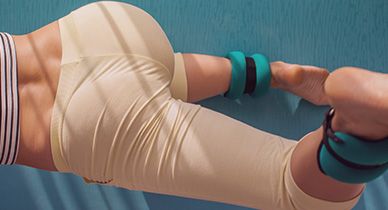
Your gluteus medius may not get the same spotlight as the big, flashy gluteus maximus, but make no mistake: this side-butt muscle is the quiet overachiever of your lower body. It helps keep your hips level when you walk, climb stairs, run, squat, lunge, or stand on one leg while trying to put on pants without falling into a laundry basket. In other words, the gluteus medius is not just about looking toned in jeans. It is about stability, balance, posture, athletic performance, and keeping your knees and lower back from filing official complaints.
Many people train their glutes with squats, deadlifts, and hip thrusts, which are excellent exercises. However, those moves often emphasize the gluteus maximus more than the gluteus medius. To strengthen and tone the outer hips, you need targeted gluteus medius exercises that include hip abduction, single-leg stability, lateral movement, and controlled resistance work.
This guide explains what the gluteus medius does, why it matters, the best exercises to activate it, how to build a simple routine, and how to avoid common mistakes. Whether your goal is stronger hips, better running form, improved balance, less knee cave during squats, or a perkier side profile, your gluteus medius deserves a little fan mail.
What Is the Gluteus Medius?
The gluteus medius is one of the three major gluteal muscles, sitting on the outer surface of the pelvis beneath the upper side of your hip. It works with the gluteus maximus and gluteus minimus, but its main superpower is hip stability. When you stand on one leg, the gluteus medius on the standing side helps keep your pelvis from dropping. That simple action is essential for walking, running, stair climbing, and nearly every athletic movement.
The gluteus medius also helps move your leg away from the midline of your body, a motion called hip abduction. It contributes to hip rotation and helps control the position of the thigh bone. When this muscle is weak or underactive, the hips may shift, the knees may collapse inward, and the lower back may work overtime. Nobody wants their lower back doing unpaid overtime.
Why Strengthening the Gluteus Medius Matters
Better Hip Stability
A strong gluteus medius helps keep your pelvis steady during movement. This matters most during single-leg activities such as walking, running, hiking, step-ups, lunges, and sports that involve cutting or jumping. If your hips wobble like a shopping cart with one bad wheel, your gluteus medius may need more attention.
Improved Knee Alignment
The hips and knees are neighbors in the same kinetic chain. When the gluteus medius does not control the thigh well, the knee may drift inward during squats, lunges, or landings. Strengthening the hip abductors can support better knee tracking and reduce unnecessary stress on the knee joint.
Support for Lower Back Comfort
Weak side glutes can contribute to poor pelvic control, which may increase strain on the lower back. While gluteus medius exercises are not a magic wand for every back issue, they can be an important part of a balanced strength and mobility plan.
More Efficient Running and Walking
Runners often hear about cadence, shoes, and mileage, but hip strength is just as important. A strong gluteus medius helps control pelvic drop and thigh movement during each stride. That means better mechanics, smoother movement, and less energy wasted wobbling from side to side like a dramatic penguin.
Signs Your Gluteus Medius May Be Weak
You do not need a laboratory to suspect weak gluteus medius muscles. Common signs include poor balance on one leg, knees caving inward during squats, hip shifting during lunges, outer hip fatigue, lower back tightness after walking or running, or feeling one side work harder than the other. You may also notice that your hips drop when you stand on one leg in front of a mirror.
That said, pain is not something to diagnose with internet detective skills alone. If you have sharp hip pain, pain after surgery, persistent limping, numbness, swelling, or symptoms that worsen with exercise, talk with a healthcare professional or physical therapist before starting a new workout plan.
Best Gluteus Medius Exercises to Strengthen and Tone
The most effective gluteus medius training plan includes both isolation exercises and functional movements. Isolation exercises help you feel and activate the muscle. Functional exercises teach it to work during real-life movement. Together, they are the peanut butter and jelly of hip strength.
1. Side-Lying Hip Abduction
Side-lying hip abduction is one of the classic gluteus medius exercises because it directly targets the outer hip. Lie on your side with your bottom knee bent for support and your top leg straight. Keep your hips stacked and your toes pointing forward or slightly downward. Slowly lift the top leg to about 30 to 45 degrees, pause, then lower with control.
How to do it: Perform 2 to 3 sets of 10 to 15 reps per side. Move slowly and avoid swinging your leg. If you feel the front of your hip working more than your side glute, slightly move the top leg back and keep your pelvis still.
Why it works: This move trains hip abduction and teaches the gluteus medius to fire without relying too much on larger muscles.
2. Clamshells
Clamshells are beginner-friendly, joint-friendly, and surprisingly humbling. Lie on your side with your knees bent and feet stacked. Keeping your feet together, lift your top knee like a clam opening. Pause at the top, then lower slowly. Do not roll your hips backward; your pelvis should stay stacked.
How to do it: Try 2 to 3 sets of 12 to 20 reps per side. Add a mini resistance band above your knees when bodyweight becomes too easy.
Why it works: Clamshells train hip external rotation and gluteus medius activation. They are especially useful in warm-ups before squats, lunges, running, or lower-body strength sessions.
3. Lateral Band Walks
Lateral band walks are a favorite for building side-glute endurance. Place a mini band above your knees, around your shins, or around your ankles. Start in a quarter-squat position with your feet hip-width apart. Step sideways while keeping tension on the band, then bring the other foot in without letting the band go slack.
How to do it: Take 8 to 12 steps in one direction, then return. Complete 2 to 4 rounds. Keep your chest lifted, knees tracking over toes, and feet facing forward.
Why it works: This exercise trains the gluteus medius to stabilize the hips while moving laterally, which is useful for sports, walking, and everyday movement.
4. Monster Walks
Monster walks are similar to lateral band walks, except you step diagonally forward and backward. With a band around your legs, sink into a shallow squat and take wide diagonal steps. The goal is not to stomp like a movie monster; it is to stay controlled and keep tension through the hips.
How to do it: Perform 10 steps forward and 10 steps backward for 2 to 3 rounds. Keep your knees from collapsing inward.
Why it works: Monster walks challenge the gluteus medius in multiple directions, improving hip control and lower-body coordination.
5. Single-Leg Glute Bridge
The single-leg glute bridge strengthens the glutes while challenging pelvic stability. Lie on your back with one knee bent and the other leg extended or lifted. Press through the heel of the working leg and lift your hips until your body forms a straight line from shoulder to knee. Pause, squeeze your glutes, then lower slowly.
How to do it: Complete 2 to 3 sets of 8 to 12 reps per side. If your hips twist or drop, start with a regular glute bridge first.
Why it works: This move strengthens the posterior chain while forcing the gluteus medius to help keep the pelvis level.
6. Step-Downs
Step-downs are excellent for connecting hip strength to knee control. Stand on a low step or sturdy platform. Slowly lower one heel toward the floor while keeping the standing knee aligned over the second or third toe. Tap the heel lightly, then return to standing.
How to do it: Start with a low step and perform 2 to 3 sets of 8 to 10 reps per side. Use a wall or railing for balance if needed.
Why it works: Step-downs teach the gluteus medius to control pelvic drop and thigh position during a functional single-leg movement.
7. Side Plank With Hip Abduction
This one is spicy. Start in a side plank position from your knees or feet. Once stable, lift the top leg slightly, pause, then lower with control. Your core and gluteus medius will both be invited to the party, and neither can leave early.
How to do it: Try 2 sets of 6 to 10 reps per side or hold the top leg lifted for 10 to 20 seconds. Begin with a modified side plank if needed.
Why it works: This exercise combines lateral core stability with hip abduction, making it a powerful advanced gluteus medius strengthener.
8. Curtsy Lunge
The curtsy lunge targets the glutes, hips, and thighs while challenging balance. Step one leg diagonally behind the other, lower into a lunge, then push through the front foot to return to standing. Keep your front knee aligned and avoid twisting your pelvis excessively.
How to do it: Perform 2 to 3 sets of 8 to 12 reps per side. Use bodyweight first, then add dumbbells when your form is steady.
Why it works: The diagonal movement pattern recruits the outer hips and helps build strength for real-world movement in multiple directions.
A Simple Gluteus Medius Workout Plan
You do not need a complicated routine with 37 exercises and a spreadsheet that requires emotional support. Two or three focused sessions per week can make a real difference when performed consistently.
Beginner Routine
- Clamshells: 2 sets of 15 reps per side
- Side-lying hip abduction: 2 sets of 12 reps per side
- Glute bridge: 2 sets of 12 reps
- Standing side leg lift: 2 sets of 10 reps per side
Intermediate Routine
- Lateral band walks: 3 rounds of 10 steps each way
- Single-leg glute bridge: 3 sets of 10 reps per side
- Step-downs: 3 sets of 8 reps per side
- Curtsy lunges: 2 sets of 10 reps per side
Advanced Routine
- Monster walks: 3 rounds forward and backward
- Side plank with hip abduction: 3 sets of 8 reps per side
- Single-leg squat to box: 3 sets of 6 to 8 reps per side
- Banded lateral lunge: 3 sets of 8 to 10 reps per side
How Often Should You Train the Gluteus Medius?
Most people can train the gluteus medius two to four times per week, depending on intensity. Light activation work, such as clamshells or band walks, can be used in warm-ups more often. Harder strength exercises, such as side plank hip abductions or single-leg squats, need more recovery.
A smart starting point is 10 to 15 minutes of focused gluteus medius training two or three times weekly. After three to four weeks, increase resistance, add reps, slow the tempo, or progress to more challenging single-leg exercises. Your hips should feel worked, not wrecked. There is a difference between productive muscle fatigue and “why did I anger the staircase?” soreness.
Form Tips for Better Results
Move Slowly
The gluteus medius responds well to controlled movement. Fast, sloppy reps often shift the work to the hip flexors or lower back. Slow down, pause, and feel the outer hip doing its job.
Keep the Pelvis Stable
During side-lying moves, avoid rolling backward. During standing exercises, avoid letting one hip hike or drop dramatically. The goal is control, not dramatic interpretive dance.
Use the Right Band Position
A band around the knees is usually easier. Around the ankles or feet is harder. Start where you can maintain good form, then progress gradually.
Do Both Sides
Even if one side feels weaker, train both sides. You can add one extra set on the weaker side, but do not ignore the stronger side completely.
Common Mistakes to Avoid
The first mistake is using momentum. Swinging the leg may look energetic, but it does not build precise hip control. The second mistake is choosing a band that is too heavy. If your knees cave inward, your feet turn out, or your torso rocks, the band is winning. Choose lighter resistance and own the movement.
Another common mistake is only doing glute exercises while lying down. Floor work is great for activation, but your gluteus medius also needs to learn how to stabilize you while standing, stepping, and moving. Combine clamshells and side-lying abductions with lateral walks, step-downs, lunges, and single-leg balance drills.
Finally, do not train through sharp pain. Mild muscle burn is normal. Pinching, stabbing, radiating pain, or worsening joint discomfort is a stop sign, not a motivational quote.
Experience-Based Tips: What Gluteus Medius Training Feels Like in Real Life
When people first start gluteus medius exercises, many are surprised by how difficult the “small” movements feel. A clamshell may look like something you could do while half-watching TV, but after 15 slow reps with good form, your outer hip may start sending smoke signals. That is normal. The gluteus medius is often undertrained, especially for people who sit for long hours, run mostly in straight lines, or rely heavily on squats and deadlifts without lateral work.
One of the biggest practical lessons is that feeling the right muscle matters more than using the hardest variation. For example, side-lying hip abduction works best when the leg moves slightly behind the body, the toes stay forward or slightly down, and the pelvis remains stacked. If you lift too high, roll backward, or point the toes to the ceiling, the front hip may dominate. The exercise still looks similar from across the room, but your gluteus medius knows the truth. It always knows.
Another real-world experience is that progress often shows up outside the workout before it shows up in the mirror. You may notice that stairs feel smoother, your knees stay steadier during lunges, or your balance improves when standing on one leg. Runners may feel less side-to-side sway. Lifters may notice better squat control. People returning to general fitness may simply feel more stable walking uphill or carrying groceries. These small wins are not flashy, but they are incredibly useful.
Expect some asymmetry. Most people have one hip that feels weaker, tighter, or less coordinated. That does not mean you are broken; it means you are human. Start each exercise on the weaker side so you can give it your best focus. Match the same number of reps on the stronger side, and consider adding a short extra set for the weaker side if your form stays clean.
Consistency beats intensity. Doing five focused minutes of band walks, clamshells, and step-downs three times a week usually works better than crushing one heroic workout and then avoiding stairs for four days. The gluteus medius loves regular reminders. Think of training it like watering a plant, not pressure-washing a driveway.
It also helps to pair gluteus medius exercises with daily habits. Do a set of standing side leg lifts while waiting for coffee. Add lateral band walks before leg day. Practice single-leg balance while brushing your teeth, but maybe not with an electric toothbrush if your coordination is still negotiating its contract. These tiny habits build awareness and make hip stability part of normal life, not just gym life.
Finally, be patient with toning goals. Strength improvements may come within weeks, but visible muscle tone depends on training consistency, nutrition, recovery, genetics, and overall body composition. The good news is that gluteus medius exercises improve more than appearance. They build a body that moves better, feels steadier, and handles everyday activity with less drama.
Conclusion
Gluteus medius exercises are essential for building strong, stable, and toned hips. This muscle may be smaller than the gluteus maximus, but it plays a major role in balance, pelvic control, knee alignment, walking, running, and lower-body strength. The best approach combines activation moves like clamshells and side-lying hip abductions with functional exercises like lateral band walks, step-downs, single-leg bridges, and side plank hip abductions.
Start with controlled bodyweight movements, progress gradually with resistance bands or weights, and focus on form before intensity. Strong side glutes are not built by rushing reps or using the thickest band in the gym. They are built through patient, precise, consistent training. Give your gluteus medius the attention it deserves, and your hips, knees, back, and future self may all send thank-you notes.