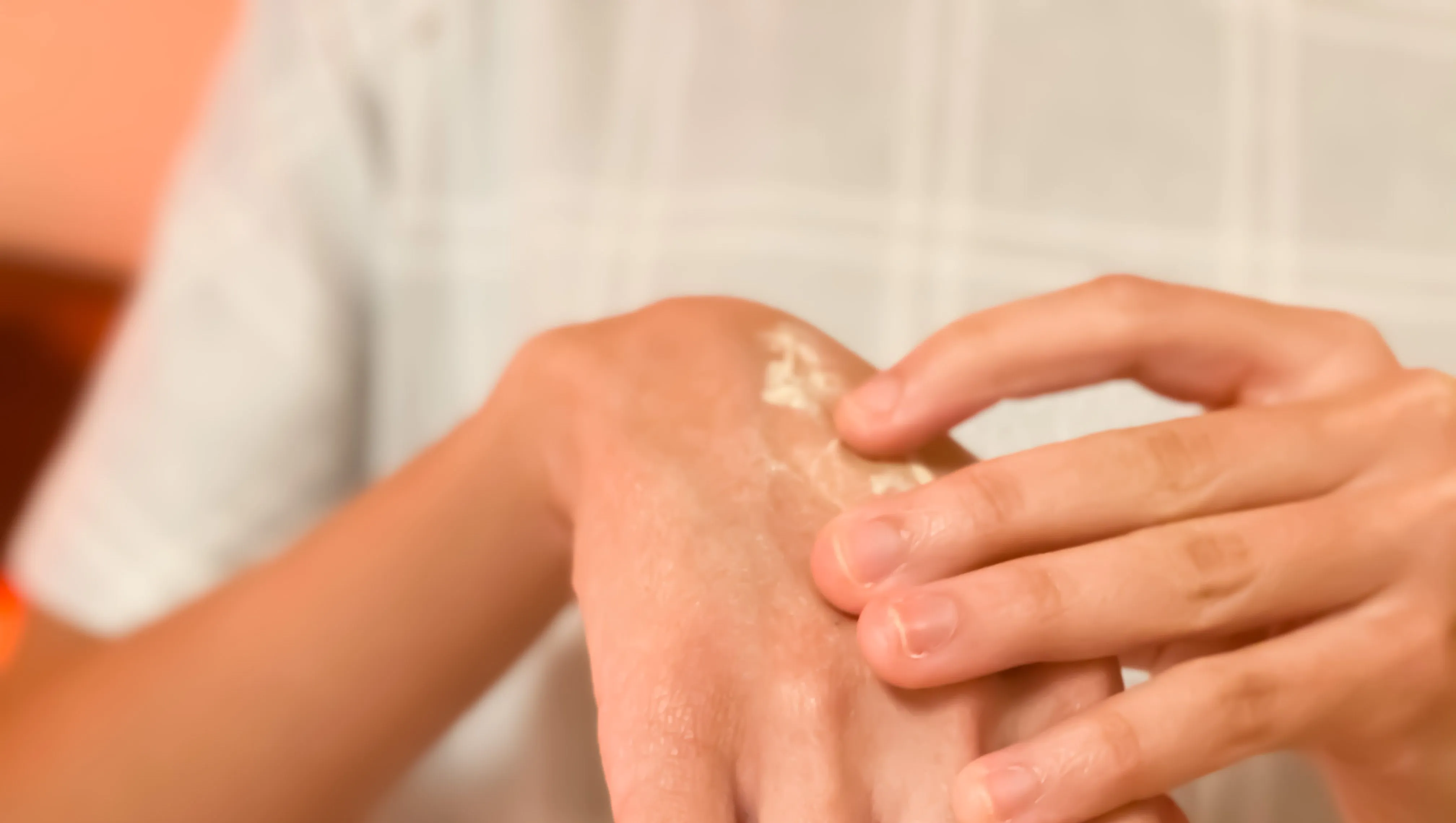
Cracked skin on your hands can feel like a tiny paper cut decided to rent an apartment in every knuckle. One day your hands are fine, and the next they look dry, tight, flaky, and dramatic enough to deserve their own weather report. Naturally, many people wonder: Can vitamin deficiencies cause cracked skin on your hands?
The answer is yes, but with an important asterisk. Vitamin deficiencies can contribute to dry, irritated, inflamed, or slow-healing skin. However, they are not the most common reason your hands crack. In many cases, the real culprits are frequent handwashing, harsh soaps, cold air, low humidity, eczema, contact dermatitis, occupational exposure, or simply not moisturizing often enough. Your hands do a lot of unpaid labor, and sometimes they file a complaint.
Still, nutrition matters. Skin is an active organ that depends on vitamins, minerals, fats, protein, and hydration to maintain its barrier, repair damage, and fight inflammation. When the body lacks key nutrients such as vitamin C, vitamin A, certain B vitamins, vitamin D, zinc, or essential fatty acids, the skin may become more vulnerable to cracking, peeling, roughness, rashes, and delayed healing.
The Short Answer: Yes, But Vitamin Deficiency Is Only One Possible Cause
Vitamin deficiencies can cause or worsen cracked hands, especially when the deficiency affects collagen production, immune function, skin cell turnover, or wound healing. But if your hands are cracked, the first thing to consider is usually the skin barrier. The outer layer of skin protects against water loss, allergens, germs, and irritants. When that barrier is damaged, moisture escapes and irritants get in. The result can be dryness, itching, burning, peeling, and painful fissures.
Common everyday triggers include washing dishes without gloves, using alcohol-based sanitizer repeatedly, working with cleaning chemicals, living in a dry climate, washing hands with hot water, or using fragranced soaps. People with eczema, psoriasis, allergies, diabetes, thyroid disease, or jobs involving wet work may be especially prone to cracked skin on the hands.
So, think of vitamins as part of the skin-health puzzle, not the entire puzzle. If your diet is limited, you have digestive problems, you follow a strict vegan diet without proper supplementation, or you have other symptoms like fatigue, mouth sores, hair loss, brittle nails, or slow wound healing, nutrient deficiency becomes more worth investigating.
How Your Skin Barrier Works
Your skin barrier is like a brick wall. The skin cells are the bricks, and natural oils are the mortar. When the mortar breaks down, the wall becomes leaky. On your hands, this happens easily because hands are exposed to water, soap, sanitizer, wind, friction, and household products all day long.
Cracked skin often begins as dryness. Then the skin becomes rough, tight, or itchy. If irritation continues, small lines deepen into fissures. These cracks may sting when you wash your hands, apply lotion, cut citrus fruit, or touch anything remotely spicy. The body then tries to repair the damage, but if the barrier keeps getting attacked, healing becomes a frustrating loop.
Good nutrition helps the skin repair itself, but even the best diet cannot fully protect hands that are constantly stripped of moisture. That is why the best approach usually combines internal support, like balanced nutrition, with external protection, like moisturizers and gloves.
Vitamin C Deficiency and Cracked Hands
Vitamin C is essential for collagen production, and collagen is one of the main proteins that helps skin stay strong and resilient. A severe vitamin C deficiency, known as scurvy, is rare in the United States but can still happen in people with very limited diets, heavy alcohol use, eating disorders, severe food insecurity, or certain medical conditions that affect absorption.
Low vitamin C may contribute to poor wound healing, fragile skin, easy bruising, swollen gums, fatigue, and rough skin changes. If your hands crack easily and take a long time to heal, vitamin C is one nutrient worth paying attention to.
Good food sources of vitamin C
Excellent sources include oranges, grapefruit, strawberries, kiwi, bell peppers, broccoli, Brussels sprouts, potatoes, and tomatoes. You do not need to live on orange juice like a cartoon sailor. A varied diet with fruits and vegetables usually provides enough vitamin C for most people.
Vitamin A Deficiency and Rough, Dry Skin
Vitamin A supports skin cell growth, immune defense, and normal turnover of the outer skin layer. Deficiency can lead to rough, dry, scaly skin and a condition sometimes described as follicular hyperkeratosis, where small rough bumps appear around hair follicles. In severe deficiency, eye symptoms such as night blindness may also occur.
Vitamin A deficiency is uncommon in well-nourished adults in the United States, but risk can increase with severe dietary restriction, fat malabsorption disorders, liver disease, or certain gastrointestinal conditions. Since vitamin A is fat-soluble, taking too much from supplements can be harmful. More is not better; more can be a problem wearing a health-food-store costume.
Good food sources of vitamin A
Vitamin A can be found in liver, dairy products, eggs, and fortified foods. The body can also convert beta-carotene from colorful plant foods into vitamin A. Good plant sources include sweet potatoes, carrots, spinach, kale, pumpkin, and cantaloupe.
B Vitamin Deficiencies: Small Nutrients, Big Skin Clues
B vitamins help the body turn food into energy and support the health of skin, nerves, blood cells, and mucous membranes. Several B vitamin deficiencies can cause skin symptoms, but the patterns are usually broader than simple dry hands.
Vitamin B2: Riboflavin
Riboflavin deficiency may cause cracked corners of the mouth, sore throat, swollen tongue, scaly skin, and inflammation around the lips. It does not usually present only as cracked hands, but it can be part of a bigger pattern of dry or irritated skin.
Vitamin B3: Niacin
Severe niacin deficiency causes pellagra, a serious condition traditionally associated with dermatitis, diarrhea, and mental changes. The skin rash is often sun-sensitive and may appear on exposed areas. Pellagra is uncommon in the United States, but risk may rise with severe malnutrition, alcohol use disorder, or conditions that interfere with nutrient absorption.
Vitamin B6: Pyridoxine
Vitamin B6 deficiency can be associated with dermatitis, cracked lips, cracks at the corners of the mouth, a swollen tongue, anemia, and neurological symptoms. If cracked hands appear along with mouth irritation, fatigue, tingling, or mood changes, a healthcare provider may consider checking for B vitamin issues.
Vitamin B7: Biotin
Biotin is often marketed for skin, hair, and nails, but true biotin deficiency is rare in people eating a typical mixed diet. When it does occur, it may cause dermatitis, hair thinning, brittle nails, and neurological symptoms. Risk can increase with long-term raw egg white consumption, certain genetic disorders, or some medications.
Vitamin B12
Vitamin B12 deficiency can affect the skin, mouth, nerves, and blood. Possible symptoms include fatigue, pale or yellowish skin, numbness or tingling, glossitis, mouth ulcers, and mood or memory changes. People at higher risk include vegans who do not supplement, older adults, people with pernicious anemia, and those with digestive conditions such as Crohn’s disease or celiac disease.
Vitamin D and Hand Eczema
Vitamin D plays a role in immune regulation and skin barrier function. Low vitamin D has been studied in relation to atopic dermatitis, also called eczema. Some research suggests vitamin D supplementation may modestly help certain people with eczema, but it is not a universal cure, and cracked hands are not automatically a vitamin D problem.
If your cracked hands are itchy, inflamed, recurring, or triggered by soaps and weather changes, hand eczema may be more likely than a simple deficiency. A dermatologist can help determine whether you have irritant contact dermatitis, allergic contact dermatitis, dyshidrotic eczema, psoriasis, or another condition.
Zinc, Iron, and Essential Fatty Acids Also Matter
Although the title asks about vitamins, minerals and fats deserve a quick cameo. Zinc supports immune function and wound healing. Zinc deficiency can cause dermatitis, delayed wound healing, hair loss, and changes around the mouth or hands in some cases. Iron deficiency may contribute to brittle nails, fatigue, pale skin, and sometimes skin or mouth changes. Essential fatty acids help maintain skin barrier lipids, and very low intake may contribute to dryness and scaling.
That does not mean everyone with cracked hands needs a supplement shelf that looks like a tiny pharmacy. It means persistent skin problems deserve a full-picture approach: diet, environment, medical history, and skin-care habits.
Signs Your Cracked Hands May Be Related to Nutrition
Vitamin or mineral deficiency becomes more suspicious when cracked skin appears with other symptoms. Watch for patterns such as cracks at the corners of the mouth, a sore or swollen tongue, unusual fatigue, easy bruising, slow wound healing, hair thinning, brittle nails, frequent infections, numbness or tingling, diarrhea, unexplained weight changes, or a very restricted diet.
For example, someone who eats very few fruits and vegetables and has slow-healing cracks may need to look at vitamin C intake. Someone who follows a vegan diet without B12-fortified foods or supplements and feels tired or tingly may need B12 testing. Someone with chronic digestive problems may absorb nutrients poorly even if their diet looks healthy on paper.
More Common Causes of Cracked Skin on Hands
Before blaming vitamins, look at the everyday hand saboteurs. Frequent washing, harsh soap, hand sanitizer, cold weather, indoor heating, cleaning products, gardening, construction work, food preparation, healthcare work, hairdressing, and dishwashing can all damage the skin barrier.
Hand eczema is also a major cause. It may cause redness, dryness, peeling, itching, burning, blisters, or painful cracks. Allergic contact dermatitis can be triggered by fragrances, preservatives, nickel, rubber accelerators in gloves, or ingredients in personal-care products. Psoriasis may cause thick, sharply defined patches with scaling and cracks. Fungal infections can sometimes affect the hands too, especially if only one hand is involved or the feet are also affected.
How to Support Healing From the Outside
For many people, the fastest improvement comes from changing hand-care habits. Use lukewarm water instead of hot water. Choose a mild, fragrance-free cleanser. Pat hands dry instead of rubbing them like you are sanding furniture. Apply a thick moisturizer immediately after washing while the skin is slightly damp.
Look for ingredients such as petrolatum, glycerin, ceramides, dimethicone, hyaluronic acid, shea butter, or mineral oil. Lotions can help mild dryness, but creams and ointments usually work better for cracked hands because they seal in moisture more effectively.
At night, apply a thick layer of ointment or cream and wear cotton gloves if comfortable. During chores, wear protective gloves. For wet work, use waterproof gloves with cotton liners if your hands sweat. Sweat trapped inside gloves can irritate skin, so take breaks when needed.
How to Support Healing From the Inside
A skin-supportive diet does not need to be complicated. Focus on protein, colorful produce, whole grains, healthy fats, and enough calories. Skin repair requires amino acids from protein, vitamin C for collagen, vitamin A for cell turnover, zinc for wound healing, B vitamins for cellular function, and fats for barrier strength.
A simple skin-friendly day might include oatmeal with berries and nuts, eggs or fortified plant-based yogurt, a lunch bowl with salmon or beans, leafy greens, sweet potatoes, olive oil, and a dinner with chicken, tofu, lentils, vegetables, and brown rice. Snacks like citrus fruit, pumpkin seeds, hummus, or peanut butter on whole-grain toast can add useful nutrients without turning eating into a spreadsheet.
Should You Take Supplements?
Supplements can help when a deficiency exists, but they are not magic moisturizer capsules. Taking random high-dose supplements without testing can be wasteful or risky. Fat-soluble vitamins like A and D can build up in the body. Too much zinc can interfere with copper. High doses of niacin can cause flushing and liver problems. Even “natural” products can have side effects or interact with medications.
If you suspect a deficiency, ask a healthcare provider about blood tests and personalized advice. This is especially important if you are pregnant, have a chronic illness, follow a restrictive diet, take long-term medications, or have symptoms beyond dry hands.
When to See a Doctor or Dermatologist
Make an appointment if your cracked hands do not improve after two to three weeks of consistent moisturizing and trigger avoidance. You should also seek care sooner if cracks are deep, bleeding, spreading, extremely painful, oozing, crusting, swollen, warm, or accompanied by fever. These may be signs of infection or a skin condition that needs prescription treatment.
A dermatologist may recommend prescription creams, patch testing for allergies, treatment for eczema or psoriasis, or evaluation for infection. A primary care provider may order blood work if your symptoms suggest anemia, thyroid disease, diabetes, vitamin deficiency, or another underlying issue.
Practical Examples: What Different Cases Might Mean
Case 1: The constant hand washer
A person washes hands twenty times a day, uses hot water, and skips moisturizer. Their knuckles crack every winter. This pattern strongly suggests barrier damage from water, soap, and dry air rather than a vitamin deficiency.
Case 2: The restricted eater
Someone eats mostly toast, noodles, and coffee, rarely eats produce, and notices slow-healing cracks, fatigue, and easy bruising. Nutritional deficiency becomes more plausible, especially low vitamin C or other micronutrients.
Case 3: The vegan without B12
A strict vegan develops fatigue, tingling, mouth soreness, and skin changes. Vitamin B12 deficiency should be considered because B12 is naturally found mostly in animal foods unless foods are fortified.
Case 4: The itchy, recurring rash
A person has itchy, red, peeling patches that flare after cleaning or wearing gloves. This sounds more like hand eczema or contact dermatitis. Nutrition can support healing, but trigger control and dermatology care are key.
Experience-Based Insights: Living With Cracked Hands and Figuring Out the Real Cause
People often describe cracked hands as a small problem that becomes strangely personal. You notice it when turning a doorknob, squeezing shampoo, holding a steering wheel, or trying to enjoy a lemon wedge without silently bargaining with the universe. The pain is usually not dramatic enough for a movie scene, but it is annoying enough to ruin your mood before breakfast.
One common experience is the “winter hand mystery.” The skin begins to dry out as temperatures drop, indoor heating runs all day, and humidity disappears like a magician with unpaid rent. At first, people blame the weather. Then they buy a pleasant-smelling lotion, use it twice, and wonder why nothing changes. The issue is that cracked hands usually need consistent barrier repair, not occasional decorative moisturizing. Fragranced lotions may even make irritation worse for sensitive skin.
Another familiar story comes from people who work with their hands. Nurses, cooks, cleaners, mechanics, teachers, parents of young children, gardeners, and salon workers often wash, scrub, sanitize, or handle irritants repeatedly. Their hands may improve on vacation and flare again at work. That pattern is a huge clue. It suggests exposure is driving the problem. In this situation, vitamins may help overall skin resilience, but gloves, moisturizers, and gentler cleansers usually make the biggest difference.
There is also the “I changed my diet and my skin improved” experience. Some people genuinely notice better skin after eating more fruits, vegetables, protein, and healthy fats. That does not always prove a specific deficiency was causing cracked hands, but it does show how the body responds when it finally gets enough building blocks. Skin repair is not free; it requires nutrients. If someone has been under-eating, skipping produce, or living on ultra-processed foods, improving diet can support healthier skin over time.
On the other hand, many people try supplements first and feel disappointed. They take biotin, vitamin D, collagen, or a multivitamin for a week and expect their hands to transform into silk gloves. Skin does not work like an overnight shipping service. If a deficiency exists, correction may take weeks or months. If no deficiency exists, supplements may do very little. Meanwhile, if the person keeps washing with harsh soap and never moisturizes, the cracks continue because the barrier is still under attack.
The most successful real-life approach is usually boring, which is unfair but true. People who improve often do the same simple things every day: switch to fragrance-free cleanser, moisturize after every wash, use ointment at night, wear gloves for dishes and cleaning, avoid picking at peeling skin, and eat a more balanced diet. It is not glamorous. Nobody is making a blockbuster called “The Moisturizer Routine.” But it works more often than dramatic one-step fixes.
A helpful mindset is to treat cracked hands like a signal, not a failure. Your skin may be telling you it needs protection, hydration, medical attention, or better nutrition. If the cracks keep returning, widen, bleed, or come with other symptoms, it is worth getting professional guidance instead of guessing forever. Your hands are tools, shields, and communication devices all at once. Taking care of them is not vanity; it is maintenance.
Conclusion
So, can vitamin deficiencies cause cracked skin on your hands? Yes, they can contribute, especially deficiencies involving vitamin C, vitamin A, B vitamins, vitamin D, zinc, or essential fatty acids. But cracked hands are more commonly caused by barrier damage from washing, weather, irritants, eczema, or allergic reactions.
The smartest solution is balanced: protect your hands from the outside and nourish your body from the inside. Use gentle cleansers, moisturize often, wear gloves for wet or chemical work, and eat a nutrient-rich diet. If symptoms persist, worsen, or appear with fatigue, mouth sores, numbness, slow healing, or other body-wide signs, talk with a healthcare provider. Your hands may be asking for more than lotionbut lotion is still a very good place to start.