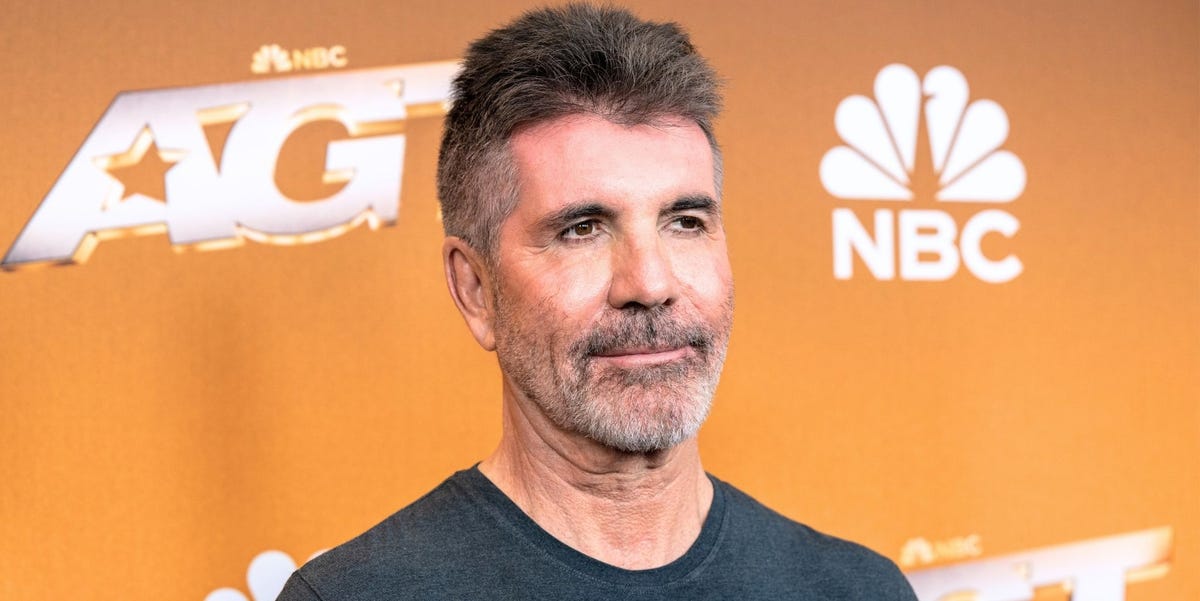
Simon Cowell is back doing what he does best: spotting raw talent, building a pop machine, and making everyone argue about whether the world needs another boy band. Spoiler: he thinks it absolutely does.
Simon Cowell’s New Career Move Is a Return to His Pop-Making Roots
Simon Cowell has never been the kind of celebrity who quietly updates his résumé. When he makes a move, it usually arrives with a camera crew, a judging panel, a sharply tailored shirt, and at least one contestant wondering whether their life is about to change forever. His latest project, Simon Cowell: The Next Act, puts him back in the role that made him one of entertainment’s most recognizable power players: the talent scout with a very specific ear for star quality.
The big twist? This time, Cowell is not just sitting behind a desk on a weekly competition show. He is front and center in a Netflix docuseries that follows his attempt to create the next major boy band. The project tracks the process from auditions to training, selection, performance, and the public debut of a new group called December 10. For longtime Simon Cowell fans, this feels less like a random side quest and more like a full-circle moment.
After years of judging on America’s Got Talent, Britain’s Got Talent, American Idol, and The X Factor, Cowell is stepping back into the high-risk, high-reward business of building a music act from scratch. That is the bold part. In a music world dominated by TikTok virality, K-pop training systems, fan-driven streaming campaigns, and solo artists who can build careers from bedrooms, Cowell is betting that a carefully assembled Western boy band can still capture hearts.
Why This Move Matters Right Now
To understand why The Next Act is getting attention, you have to remember what Simon Cowell represents. He is not simply a TV judge known for blunt comments and dramatic pauses. He helped turn televised auditions into a global entertainment engine. He was connected to the rise of major acts including One Direction, Fifth Harmony, Leona Lewis, Susan Boyle, Il Divo, and others who moved from talent-show stages into mainstream pop culture.
That history makes his newest move feel like a challenge to the current music industry. Cowell seems to be asking a very simple question: if One Direction could be assembled from solo contestants and become a worldwide phenomenon, why could it not happen again? Of course, the answer is complicated. The entertainment landscape has changed. Fans are more online, more skeptical, and more involved in shaping the success of artists. A new boy band cannot simply appear on television and expect instant loyalty. Today’s audience wants personality, authenticity, vocals, visuals, social media presence, and a reason to care beyond “Simon Cowell picked them.”
That is what makes the move interesting. Cowell is not only trying to find singers. He is trying to test whether his old-school instinct for talent can survive in a new-school marketplace. It is a bit like bringing a luxury fountain pen to a group chat: possibly outdated, surprisingly stylish, and somehow still capable of making a point.
Meet December 10, the Boy Band at the Center of the Story
The group formed through Simon Cowell: The Next Act is called December 10, a name that conveniently ties back to the Netflix release date of the series. The seven-member lineup includes Cruz Lee-Ojo, Danny Bretherton, Hendrik Christoffersen, John Fadare, Josh Olliver, Nicolas Alves, and Seán Hayden. The band’s early introduction focused on vocal chemistry, individual personalities, and the challenge of turning talented young performers into a unit that feels like a real group rather than a pop spreadsheet.
December 10 made an early splash with a performance of NSYNC’s “Bye Bye Bye,” a smart choice because it immediately placed the band in conversation with boy band history. That song is not just a cover; it is a signal. It says, “Yes, we know the genre we are stepping into. Please do not throw tomatoes until the second chorus.”
The group later released original music, including “Run My Way,” giving fans a clearer sense of their sound and direction. For a new act, this phase is crucial. Covers can introduce voices, but original songs reveal identity. December 10 now has to prove that it is more than a Netflix experiment. The members need to build the kind of fan connection that turns casual viewers into repeat listeners, concertgoers, playlist savers, and defenders in comment sections.
From Talent Judge to Music Mentor: A Different Simon Cowell
One of the more compelling parts of Cowell’s new career move is the way it frames him. The old Simon Cowell brand was built on sharp honesty. He was the judge who could flatten a room with one sentence. Viewers tuned in partly because they wanted the thrill of hearing what he would say next. Sometimes he was right. Sometimes he was too harsh. Either way, he became reality TV’s most famous eyebrow.
In this new chapter, however, Cowell appears more reflective. He is still direct, but the project gives him room to act as a mentor, producer, and strategist. Instead of simply judging a performance and moving on, he has to think about long-term artist development. That includes song choice, group balance, image, live performance, work ethic, emotional pressure, and the small but important matter of convincing the public that a new boy band deserves attention.
This shift matters because the entertainment business has become less forgiving. Young artists are watched constantly. Their first interviews, early performances, social clips, and even awkward facial expressions can become part of their public identity. A mentor today has to prepare artists not just for the stage, but for the internet. That is a very different job from telling someone they sang out of tune and then cutting to commercial.
Why Fans Are Paying Attention
Simon Cowell fans are interested in this project because it combines nostalgia with uncertainty. On one hand, many viewers remember the excitement of watching future stars appear before they were famous. There is something addictive about seeing raw talent before the polish arrives. On the other hand, the audience knows the stakes. Cowell has already been associated with one of the biggest boy bands of the modern era, so any new group will inevitably be compared to One Direction.
That comparison is both useful and dangerous. It gives December 10 immediate visibility, but it also creates a giant shadow. One Direction did not become huge simply because Cowell helped form them. They had timing, chemistry, personalities, songs, fandom energy, and a cultural moment that cannot be copied and pasted like a Word document from 2012. December 10 has to create its own lane.
The best thing Cowell can do is avoid trying to manufacture a replica. Fans can smell imitation faster than Simon can detect a flat note. The group needs its own sound, its own humor, its own visual identity, and its own emotional connection with listeners. If December 10 becomes “One Direction 2.0,” the internet will roll its eyes. If the band becomes something fresh with classic boy band appeal, the project has a real chance.
The Business Strategy Behind the Bold Move
From a business perspective, Simon Cowell: The Next Act is clever because it does several jobs at once. It is a documentary series, a music launchpad, a brand refresh for Cowell, and a built-in marketing campaign for December 10. Instead of releasing a group into the world cold, the show gives viewers a reason to invest before the music fully takes over.
This strategy reflects how entertainment now works. Audiences do not just consume finished products; they want the story behind them. They want rehearsal footage, emotional arcs, personality moments, and behind-the-scenes access. A debut single is more powerful when fans already know who argued over harmonies, who cried during training, who nailed the high note, and who looks like they were born to stand in dramatic stage lighting.
The Netflix platform also gives Cowell access to a global audience without depending on the old weekly broadcast model. That matters. A traditional talent show builds momentum episode by episode. A streaming docuseries can be binged, clipped, discussed, and rediscovered at any time. The challenge is that streaming attention can fade quickly. December 10 must convert curiosity into an active fan base before the next shiny entertainment object arrives.
Can a Western Boy Band Still Break Big?
The biggest question surrounding Cowell’s career move is whether the market is ready for another major Western boy band. The answer is not a simple yes or no. Boy bands never really disappeared; the format evolved. K-pop groups built massive global systems around training, visuals, performance precision, fan communication, and community. Meanwhile, Western pop has leaned heavily toward solo artists, viral songs, and genre-blending personalities.
For December 10 to succeed, the group needs more than good vocals. They need a reason to exist in 2026. That means strong songs, memorable branding, live performance ability, and a fan experience that feels personal. The days of simply putting five or seven attractive singers in a room and waiting for screams are over. The screams now require strategy, consistency, and probably several thousand TikTok edits.
Still, Cowell’s instinct may not be wrong. Pop music is cyclical. Nostalgia for boy bands remains strong, and younger audiences are constantly discovering older groups through streaming platforms and social media. If December 10 can blend classic harmony-driven pop with modern digital storytelling, there is space for them. The question is whether they can move from “Simon Cowell’s new band” to simply “a band fans genuinely love.”
What This Says About Simon Cowell’s Career Evolution
Cowell’s new move also shows that he is not content to live only as a legacy figure. Many entertainment personalities reach a point where they simply repeat the role that made them famous. Cowell could easily remain a judge, deliver a few quotable lines, press a buzzer, and collect another season of applause. Instead, The Next Act puts him back into a risky creative position.
That risk is important. If December 10 succeeds, Cowell proves that his talent-building instincts still matter in the streaming era. If the group struggles, critics will say the old formula no longer works. Either way, the project is more interesting than a safe victory lap. It gives fans something to debate, and in pop culture, debate is oxygen.
It also softens Cowell’s public image in a natural way. Viewers get to see him as a father, partner, producer, mentor, and businessman. The result is a more layered version of a person many people thought they already understood. He is still Simon Cowell, of course. Nobody expects him to start handing out participation trophies shaped like golden retrievers. But there is a noticeable difference between judging talent and carrying responsibility for young artists’ futures.
Specific Examples That Make the Project Stand Out
Several details make Simon Cowell: The Next Act different from a standard competition show. First, the focus is not on crowning a weekly winner. The real goal is building a commercially viable act. That changes the emotional rhythm. Instead of asking, “Who will be eliminated tonight?” the show asks, “Can these people become a group?”
Second, the selection of seven members gives December 10 a larger dynamic than many traditional Western boy bands. More members can mean richer harmonies, broader fan appeal, and more personality combinations. It can also mean more logistical chaos. Seven schedules, seven voices, seven personal brands, and seven hairstyles under stage lightssomewhere, a tour manager is already drinking coffee with both hands.
Third, the group’s early use of a familiar boy band anthem like “Bye Bye Bye” creates an immediate bridge between generations. Older fans hear nostalgia. Younger fans hear a polished introduction. Industry watchers hear a statement: Cowell is not hiding from the boy band tradition; he is walking straight into it with a spotlight and a very confident production plan.
Fan Experience: Watching Simon Cowell Take Another Big Swing
For fans, the most enjoyable part of this new Simon Cowell chapter is the feeling of watching a high-stakes experiment unfold in real time. There is a special kind of entertainment thrill that comes from seeing someone famous attempt something that could genuinely go either way. This is not a guaranteed win. That is exactly why it is fun.
If you grew up watching Cowell on American Idol or The X Factor, The Next Act feels like opening a familiar door and finding the furniture rearranged. The tone is recognizable, but the room has changed. The auditions still matter. The nerves still matter. The question of “star quality” still hangs in the air. But now, the audience is more aware of how manufactured fame can be, and that awareness creates a different viewing experience.
As a fan, you may find yourself doing three things at once: judging the singers, judging Cowell’s judgment, and judging whether the industry even has space for this kind of group. That is a lot of judging. Simon would be proud. The show invites viewers to become amateur A&R executives from the couch. You listen for who has the strongest voice, who has the best camera presence, who blends well, and who seems like they might become the fan favorite by episode two.
There is also an emotional layer. The young performers in December 10 are stepping into a dream that looks glamorous from far away and extremely intense up close. Fans get to see ambition before it becomes polished. That is compelling because it reminds us that pop success is not just sparkle and choreography. It is repetition, pressure, criticism, uncertainty, and learning how to look relaxed while your entire future feels like it is standing in the corner holding a clipboard.
For longtime Cowell watchers, the experience is also a reminder of why he became such a major figure. His greatest skill has never been politeness. It has been pattern recognition. He can look at a performer and imagine the version of them that might exist after training, styling, song development, confidence, and the right public moment. Whether he is always correct is another matter, and the internet will happily prepare a 48-slide presentation when he is not. But his willingness to bet on talent is still central to his appeal.
The fan experience around December 10 will likely depend on how the group grows after the show. A docuseries can introduce them, but fans will stay for music, personality, live performances, and consistent connection. If the members develop strong chemistry and release songs that people actually want to replay, Cowell’s bold move could become more than a headline. It could become the beginning of a real pop story.
And if it does not work? Well, that is part of the fascination too. Simon Cowell has built a career on telling people when something is not good enough. Now fans get to watch the public decide whether his own new project passes the audition. No pressure, Simon. Just the entire internet holding a scorecard.
Final Thoughts: Is This Really Simon Cowell’s Next Act?
Simon Cowell’s bold new career move is not just another television appearance. It is a strategic return to music creation, a streaming-era reinvention, and a public test of whether his hit-making instincts still have the same power they once did. Simon Cowell: The Next Act gives fans the behind-the-scenes drama they expect while introducing December 10 as a group with something to prove.
The project works because it sits at the intersection of nostalgia and risk. Fans remember what Cowell helped build in the past, but the current market is far less predictable. A new boy band must win trust, not just attention. December 10 has the platform, the mentor, and the early visibility. Now comes the harder part: earning staying power.
Whether you are a longtime Simon Cowell fan, a reality TV loyalist, or someone who simply enjoys watching pop culture attempt a comeback in real time, this career move is worth watching. It is bold because it is not safe. It is interesting because it is not guaranteed. And it is very Simon Cowell because, once again, he is asking the world to believe he can hear a hit before everyone else does.
SEO Tags
Note: This article was written from verified entertainment-industry information about Simon Cowell, Netflix’s Simon Cowell: The Next Act, and the launch of December 10, then rewritten in original SEO-friendly American English for web publishing.