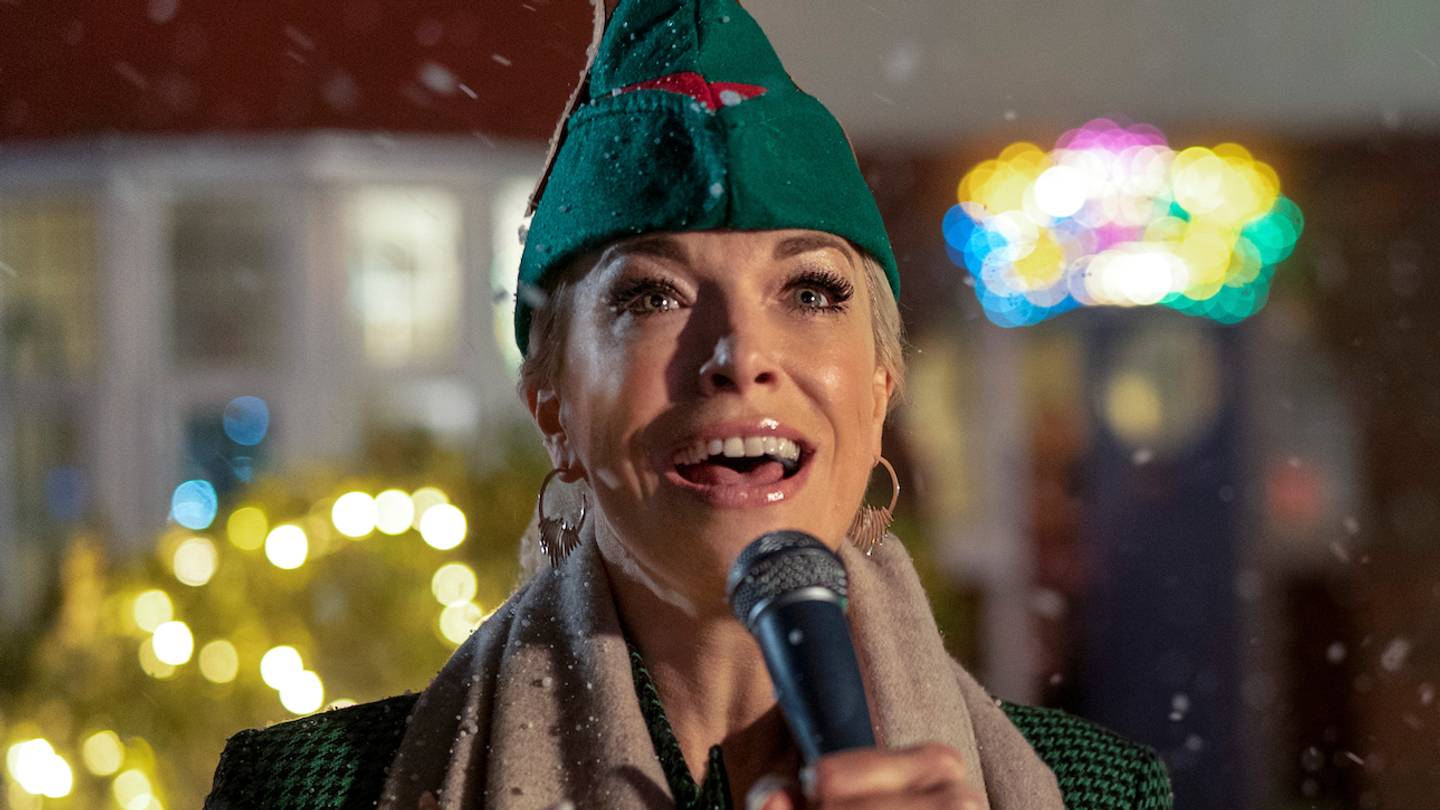
Some Christmas movies need two hours, a snow-covered town square, and at least one character who learns the true meaning of family after dramatically dropping a tray of cookies. But some TV episodes manage to deliver that same cozy, cinematic holiday feeling in 22 to 45 minutes. Impressive? Absolutely. Efficient? Even Santa would approve.
The best holiday TV episodes do more than hang a wreath on an existing sitcom or drama. They create a complete seasonal story: a problem, a little chaos, emotional stakes, a memorable setting, and a warm payoff that makes you want to pour hot cocoa and pretend your inbox does not exist. These are the episodes that feel like mini Christmas movies, packed with family tension, snowy charm, awkward gift exchanges, heartfelt reunions, and the kind of comfort viewing that becomes an annual tradition.
Below are nine holiday TV episodes that capture the spirit of classic Christmas movies. Some are funny, some are emotional, some are wonderfully weird, and one may raise your blood pressure faster than assembling a toy kitchen at 11:47 p.m. on Christmas Eve. Together, they prove that holiday magic can fit neatly inside a single episode.
1. Bob’s Burgers “The Plight Before Christmas”
Why it feels like a Christmas movie
Bob’s Burgers has built a reputation for holiday episodes that are funny, strange, and unexpectedly tender, but “The Plight Before Christmas” may be its most movie-like Christmas story. The setup is simple and painfully relatable: Bob and Linda try to attend all three of their children’s holiday performances happening at the same time. Any parent who has ever sprinted between school events with a phone battery at 8% knows this is not a sitcom plot. This is a documentary with jokes.
The episode works like a classic family Christmas movie because it turns a small scheduling disaster into a story about showing up. Tina, Gene, and Louise each need support in different ways, and the emotional center slowly shifts toward Louise, the family’s sharp-tongued youngest child. When her poetry reading becomes more vulnerable than expected, the episode lands with the kind of warmth usually reserved for final scenes involving snowflakes and group hugs.
What makes it special is that the sentiment never feels sticky. The Belchers are still the Belchers: chaotic, broke, sarcastic, and constantly one bad parking spot away from emotional collapse. But beneath the jokes is a sincere message about sibling love, parental guilt, and the small miracles of being seen. It is a twenty-minute episode with the heart of a holiday feature.
2. The Office “Christmas Party”
Why it feels like a workplace Christmas classic
“Christmas Party” from The Office is the holiday movie you get when the North Pole relocates to Scranton and HR forgets to supervise the gift exchange. The episode begins with a familiar office tradition: Secret Santa. Then Michael Scott, powered by insecurity and the emotional intelligence of a decorative nutcracker, turns it into a chaotic Yankee Swap.
The result is a perfect workplace Christmas comedy. Michael overspends on an iPod for Ryan, rejects Phyllis’s handmade oven mitt, and accidentally turns a modest party into a social experiment about greed, disappointment, and vodka. It is hilarious because it is exaggerated, but not by much. Anyone who has survived an office holiday party knows that one bad gift exchange can expose the entire company culture faster than a quarterly meeting.
Yet the episode has real holiday-movie sweetness. Jim’s teapot gift for Pam is thoughtful, personal, and quietly romantic. It is the kind of gift that says more than a grand speech ever could. While Michael creates the storm, Jim and Pam provide the soft glow in the window. That contrast gives the episode its lasting power: embarrassment, affection, bad decisions, and a tiny spark of hope wrapped in tissue paper.
3. Friends “The One with the Holiday Armadillo”
Why it feels like a family holiday comedy
Few holiday TV images are as instantly memorable as Ross Geller dressed as the Holiday Armadillo. It is ridiculous, deeply committed, and somehow sweet enough to survive the joke. In “The One with the Holiday Armadillo,” Ross wants to teach his son Ben about Hanukkah, but Ben is much more interested in Santa Claus. Unable to find a Santa costume, Ross arrives in an armadillo suit and attempts to explain Jewish holiday traditions through pure parental improvisation.
This episode feels like a classic Christmas movie because it is built around a parent trying very hard to make the holidays meaningful. Ross may be awkward, but his intention is sincere. He wants Ben to understand that December does not belong to only one tradition. The episode blends Christmas, Hanukkah, family identity, and sitcom absurdity without turning the lesson into a lecture.
The comedy escalates when Chandler appears as Santa and Joey shows up as Superman, creating a holiday gathering that looks like a costume shop had a nervous breakdown. But underneath the silliness is a warm idea: families create meaning through effort. Sometimes that effort looks like lighting candles. Sometimes it looks like wearing a giant armadillo head in a New York apartment. The holidays are flexible like that.
4. The Simpsons “Marge Be Not Proud”
Why it feels like an animated Christmas morality tale
“Marge Be Not Proud” is one of the most emotionally grounded Christmas episodes in The Simpsons. Bart wants a violent video game called Bonestorm, Marge refuses, and Bart makes the very bad decision to shoplift it. When he is caught, the punishment is not loud or cartoonish. Instead, Marge pulls away emotionally, and Bart realizes that disappointing his mother hurts more than any formal punishment could.
That emotional structure is pure classic Christmas movie. A child makes a mistake. A family bond is strained. The season forces everyone to confront what love, trust, and forgiveness actually mean. The episode is funny, of course, with fake video games, mall security, and perfectly sharp Springfield details. But its heart is surprisingly quiet.
Bart’s effort to repair his relationship with Marge gives the episode its movie-like shape. It is not about getting the perfect gift; it is about wanting to be seen as good again by someone who loves you. That is a deeply human holiday theme. Christmas stories often work best when they remind us that love is not flawless cheer. Sometimes love is disappointment, apology, and the long walk back to trust.
5. Ted Lasso “Carol of the Bells”
Why it feels like a modern feel-good Christmas movie
“Carol of the Bells” is practically a Christmas movie wearing a half-hour television disguise. Set during the holidays, the episode sends characters into different seasonal storylines that eventually create a warm portrait of community. Ted struggles with loneliness while his son is far away. Rebecca takes him out to deliver gifts. Higgins opens his home to players who cannot be with their families. Roy and Keeley help Phoebe deal with a hilariously unfortunate personal problem.
What makes the episode feel cinematic is its generosity. Every storyline has its own flavor, but they all circle the same idea: Christmas is less about perfect circumstances and more about chosen connection. The Richmond players gathering at Higgins’s house feels like the ending of a cozy ensemble film. It is funny, messy, crowded, and full of food, which is the scientific formula for holiday warmth.
The episode also understands that Christmas can be lonely. Many classic Christmas movies balance sparkle with sadness, and “Carol of the Bells” does the same. Ted’s pain is not magically erased, but he is not left alone in it. That emotional honesty makes the joy feel earned. By the end, the episode has delivered caroling, found family, awkward comedy, and enough goodwill to power a small village.
6. Community “Abed’s Uncontrollable Christmas”
Why it feels like a stop-motion holiday special with a human heart
“Abed’s Uncontrollable Christmas” is one of the most inventive holiday episodes ever made. In it, Abed begins seeing the world in stop-motion animation, transforming Greendale into a handmade Christmas adventure. The episode openly nods to classic animated holiday specials, complete with a quest, songs, whimsical visuals, and a search for the meaning of Christmas.
But the real reason it feels like a Christmas movie is not the animation. It is the emotional reveal beneath the style. Abed’s holiday fantasy is connected to loneliness and disappointment. His mother will not be visiting for Christmas, and his mind turns the pain into a story he can understand. That gives the episode a bittersweet center, much like the best holiday classics that use fantasy to talk about real feelings.
The study group’s journey becomes an act of friendship. They may not fully understand Abed’s inner world, but they choose to join him in it. That is the episode’s most beautiful idea. Sometimes love means not dragging someone out of their imagination immediately. Sometimes it means walking beside them until they are ready to come home.
7. The O.C. “The Best Chrismukkah Ever”
Why it feels like a glossy teen holiday movie
“The Best Chrismukkah Ever” gave television one of its most memorable fictional holiday traditions: Chrismukkah, Seth Cohen’s enthusiastic blend of Christmas and Hanukkah. The episode has everything a teen holiday movie needs: family traditions, romantic confusion, emotional wounds, social pressure, and enough early-2000s energy to make you hear indie rock in the distance.
Ryan enters the Cohen family’s holiday world carrying painful memories from his own home life. Seth treats Chrismukkah like the greatest invention since cable television. Marissa spirals through personal trouble. Summer and Anna compete for Seth’s attention. Sandy and Kirsten bring the adult drama. Somehow, it all works because the episode understands that holidays often intensify whatever people are already feeling.
Like many classic Christmas movies, this episode is about being invited into a new kind of family. Ryan is not magically healed by decorations and holiday pancakes, but the Cohen home offers him a different model of celebration: warm, strange, imperfect, and welcoming. Chrismukkah may be a joke, but the emotional invitation behind it is real.
8. Gilmore Girls “The Bracebridge Dinner”
Why it feels like a snowy small-town Christmas movie
If any TV town was engineered in a laboratory to produce Christmas-movie feelings, it is Stars Hollow. “The Bracebridge Dinner” captures that charm beautifully. When a group scheduled to attend an elaborate historical dinner at the Independence Inn gets stranded by snow, Lorelai and Sookie turn the event into a town-wide celebration. There are costumes, sleigh rides, food, gossip, romantic tension, and enough quirky small-town behavior to qualify as a municipal export.
This episode feels like a classic Christmas movie because the setting does so much of the emotional work. Snow blankets Stars Hollow. The inn glows with hospitality. Characters who are usually scattered across separate storylines come together under one roof. It has the atmosphere of a holiday film where a big-city executive would arrive, lose cell service, and fall in love with a local baker by the second act.
But Gilmore Girls adds its usual snap: fast dialogue, complicated family dynamics, and quiet emotional shifts. Lorelai, Rory, Emily, Richard, Luke, Jess, and the town regulars all bring different energy to the evening. The episode’s real magic is not the feast itself. It is the feeling that community can turn a canceled event into something better than planned. That is holiday storytelling at its coziest.
9. The Bear “Fishes”
Why it feels like the intense family Christmas drama nobody survives cleanly
Not every classic Christmas movie is cozy. Some are about family pressure, old wounds, impossible expectations, and kitchens where love and panic are cooked in the same pot. That is where “Fishes,” the unforgettable Christmas episode of The Bear, comes in. It is stressful, loud, heartbreaking, and brilliantly acted. It may not make you feel calm, but it absolutely feels like a full holiday film compressed into one explosive family gathering.
The episode takes viewers into a Berzatto family Christmas years before the present-day events of the series. The Feast of the Seven Fishes becomes the backdrop for emotional overload. Relatives talk over one another, old resentments surface, and the kitchen becomes both a place of care and a pressure cooker. The episode captures the darker side of holiday tradition: the way families can repeat rituals even when everyone knows the ritual might set off fireworks.
What makes “Fishes” movie-like is its scale. It has a large ensemble, escalating tension, layered performances, and a sense that every character has arrived carrying invisible baggage. It is the anti-cozy Christmas classic, but that is exactly why it belongs here. Holiday stories are not only about peace. Sometimes they are about recognizing the chaos people come from and understanding why quiet moments later can feel so precious.
What These Holiday TV Episodes Have in Common
The best holiday TV episodes feel like classic Christmas movies because they follow the emotional rhythm of seasonal storytelling. First, there is a disruption: a canceled dinner, a botched gift exchange, a lonely Christmas, a missing parent, or a family argument waiting to happen. Then comes the scramble. Characters try to fix things, hide things, overcompensate, or pretend they are fine while clearly being one candy cane away from collapse.
Finally, there is a moment of recognition. Someone realizes what matters. Someone shows up. Someone forgives. Someone sings, cries, gives the right gift, or simply sits beside another person when they need company. That emotional turn is what separates a forgettable themed episode from a holiday classic.
These episodes also understand that Christmas is not one feeling. It can be joyful, awkward, romantic, lonely, hilarious, nostalgic, and exhaustingsometimes before breakfast. A great holiday episode does not have to be perfect. In fact, imperfection is often the point. The cracked ornaments, burned dinners, bad costumes, and emotional misunderstandings are what make the stories feel human.
How to Build a Holiday Watchlist Around These Episodes
If you want a cozy holiday TV marathon, start with the warmest episodes first. Bob’s Burgers, Ted Lasso, and Gilmore Girls create an inviting mood with family, food, and community. They work well for a relaxed evening when the tree lights are on and nobody wants anything too emotionally dangerous.
Next, add the comedy classics. The Office, Friends, and The Simpsons bring fast laughs while still holding onto real holiday feeling. These are ideal for group viewing because they are accessible, quotable, and short enough to fit between dessert and someone falling asleep on the couch.
Save Community, The O.C., and The Bear for when you want something more specific. Community is perfect for viewers who love creative storytelling. The O.C. delivers teen drama with festive sparkle. The Bear should come with a warning label, a deep breath, and possibly a calming cookie afterward.
Holiday Viewing Experiences: Turning These Episodes Into a Tradition
One of the best things about holiday TV episodes is that they are easy to turn into personal traditions. A classic Christmas movie often asks for a full evening, but a TV episode fits into real December life. You can watch one while wrapping gifts, baking cookies, waiting for laundry, or recovering from the annual discovery that tape has once again vanished from the house.
The experience changes depending on how you watch. Alone, these episodes can feel comforting and reflective. “Carol of the Bells” may hit harder if you have ever spent a holiday away from someone you love. “Marge Be Not Proud” can bring back memories of being a kid who made a mistake and desperately wanted everything to feel normal again. “The Plight Before Christmas” may remind parents, siblings, and grown children that showing up is not always clean or convenient, but it matters.
With family, the episodes become conversation starters. Someone will identify too strongly with Bob and Linda’s scheduling panic. Someone will defend Michael Scott even though he absolutely caused the problem. Someone will claim Ross’s Holiday Armadillo costume is educational, fashionable, and ahead of its time. This is how traditions are born: not through flawless planning, but through shared laughter over the same scenes year after year.
A themed watch night can make the experience even better. Pair each episode with a small snack or activity. Watch Gilmore Girls with coffee and something aggressively sweet. Watch The Office with a low-stakes gift exchange, preferably one that does not involve a $400 iPod or public humiliation. Watch Bob’s Burgers while everyone writes a silly holiday poem. Watch The O.C. with both Christmas cookies and Hanukkah treats. For The Bear, maybe serve a beautiful dinnerbut only if everyone agrees not to yell in the kitchen.
These episodes also work as emotional time capsules. Rewatching them every December can show you how your own holiday feelings change. An episode that once made you laugh may later make you tear up. A character you found annoying at twenty may feel painfully relatable at thirty-five. That is the quiet power of seasonal rewatching. The story stays the same, but you bring a different version of yourself to it each year.
Most importantly, holiday TV episodes remove the pressure from holiday entertainment. You do not need the perfect movie night, matching pajamas, a roaring fireplace, or cookies shaped like tiny masterpieces. You just need a screen, a little time, and a story that makes the season feel warmer. Sometimes the best Christmas tradition is not a grand event. Sometimes it is pressing play on a twenty-minute episode and letting familiar characters remind you that love, chaos, and comfort often arrive together.
Conclusion
Holiday TV episodes have a special kind of magic. They borrow the structure of classic Christmas moviesfamily conflict, seasonal chaos, emotional discovery, and heartfelt endingsbut deliver it in a shorter, sharper package. The nine episodes above stand out because they feel complete. Each one offers a world you can step into, a seasonal problem worth caring about, and a payoff that lingers after the credits.
Whether you prefer the cozy community of Stars Hollow, the awkward office cheer of Dunder Mifflin, the heartfelt weirdness of the Holiday Armadillo, or the emotional thunderstorm of the Berzatto family kitchen, there is a holiday episode here for every mood. Together, they prove that Christmas classics do not always need to be movies. Sometimes the most memorable holiday stories arrive in small packageslike a perfectly wrapped gift, a handmade oven mitt, or a suspiciously emotional animated burger-family episode.
Note: This article is based on real episode information and widely recognized holiday TV coverage. Streaming availability may change by region, platform, and date.