Note: This article is written for educational pet-care purposes. For illness, breeding problems, injuries, or sudden behavior changes, consult an avian veterinarian.
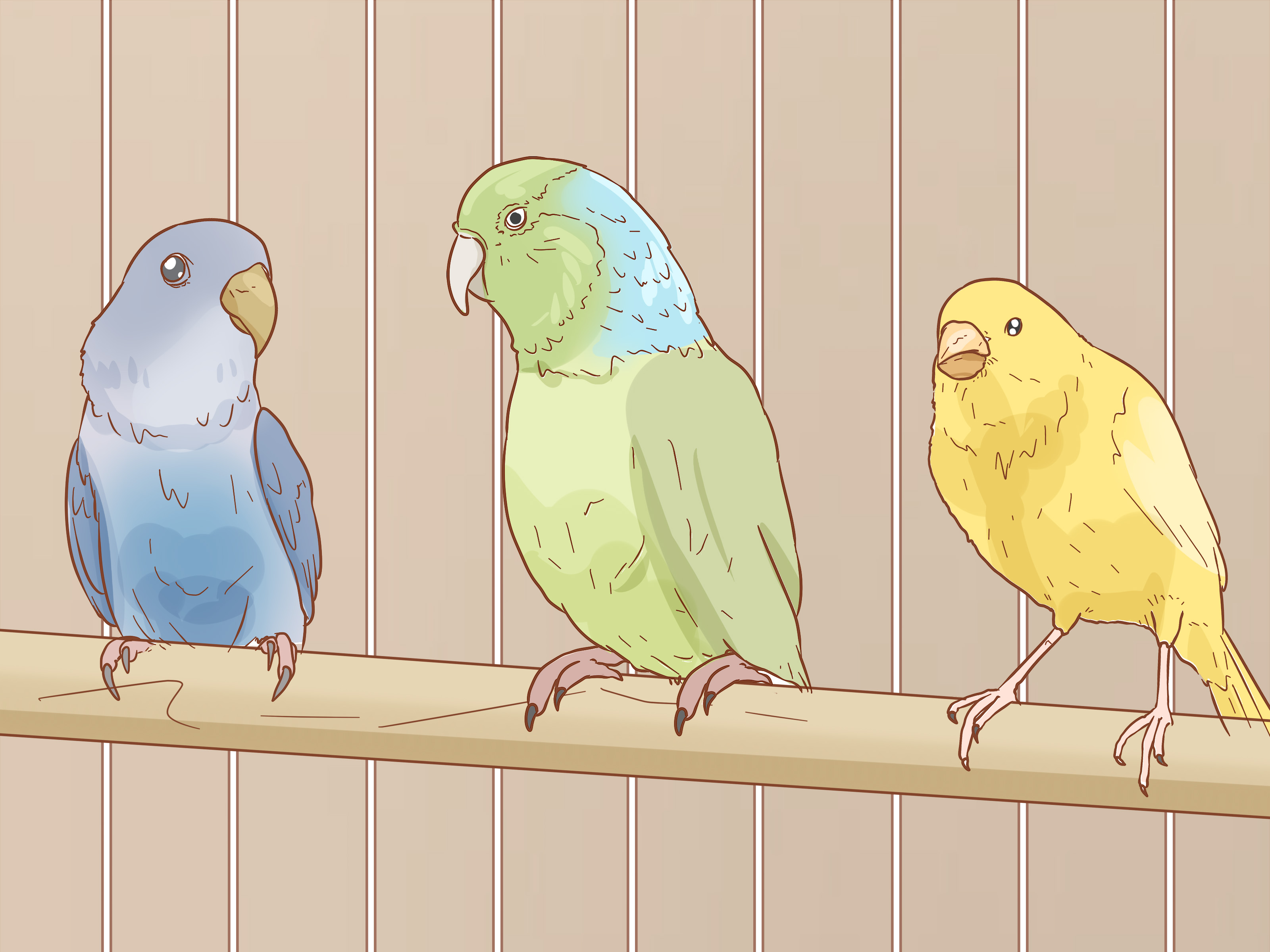
Keeping one canary is like owning a tiny feathered opera singer. Keeping multiple canaries is like managing a choir, a real estate portfolio, a nutrition plan, and occasionally a reality show called Who Stole My Favorite Perch? These birds may look delicate and cheerful, but canaries are not tiny decorations with wings. They are active, territorial, sensitive animals that need smart housing, careful introductions, clean routines, and a diet that does more than fill a seed cup.
The good news? Multiple canaries can be kept successfully when you understand their natural behavior. The bad news? Simply buying three birds and placing them in one cage is not “building a flock.” It is more like opening a very small apartment with no rent rules and unlimited arguments. Male canaries, especially, can be territorial and may fight when housed together. Females may be calmer, but they still need space, resources, and supervision. A mixed group can work in some setups, but breeding season changes everything.
This guide breaks canary care into three practical ways: choosing the right housing plan, building a reliable daily-care system, and managing health, introductions, and breeding behavior. Whether you are keeping two canaries in separate cages or planning a roomy indoor aviary, these principles will help your birds stay healthy, active, and much less dramatic.
Way 1: Create the Right Housing Setup Before You Add More Birds
The first rule of keeping multiple canaries is simple: space solves many problems before they begin. Canaries are small birds, but they are not happy in cramped cages where the only exercise option is turning left. They are built for flight, so their enclosure should be longer than it is tall, allowing them to move horizontally from perch to perch.
Use Separate Cages for Separate Personalities
For most beginners, the safest way to keep multiple canaries is to house each bird in its own cage while placing the cages near one another. This allows the birds to hear and see each other without forcing them to share territory. It is especially useful for male canaries, because two males in one cage may fight, particularly during breeding season. Separate housing also makes feeding, cleaning, health monitoring, and singing behavior easier to manage.
Think of separate cages as “neighboring apartments.” The birds can socialize from a distance, enjoy background company, and still retreat to their own space. This setup is excellent if your main goal is song. Male canaries housed alone often sing more reliably because they are not distracted by direct competition or courtship.
Choose a Flight Cage or Aviary for Compatible Birds
If you want canaries to share space, a large flight cage or aviary is far better than a small decorative cage. A shared enclosure should provide multiple perches, feeding stations, water dishes, and escape routes. The more birds you keep, the more important it becomes to reduce competition. One food bowl for several canaries is not efficient; it is an invitation to bossiness wearing feathers.
In a shared setup, compatible females are often easier than multiple males. Some keepers house one male with one or more females, but this requires careful observation, especially when hormones rise. Breeding season can turn a peaceful group into a territorial negotiation committee. If chasing, feather plucking, guarding food, or repeated aggression appears, separate the birds immediately.
Set Up the Cage Like a Tiny Wellness Center
A good canary habitat should include natural-feeling movement and safe enrichment. Use several perches of different diameters to exercise the feet, but avoid sandpaper perch covers because they can irritate the skin. Place perches so droppings do not fall into food or water dishes. Add swings, safe greens clipped to the cage, and occasional foraging opportunities. Canaries are not usually cuddle birds, but they are curious and active.
Keep the cage in a bright, calm room away from drafts, smoke, kitchen fumes, aerosol sprays, and direct overheating sunlight. Natural daylight helps regulate behavior, but birds also need shade and a consistent sleep schedule. A room that stays lively during the day and quiet at night is ideal. If your canary is trying to sleep while the television is still shouting about a cooking competition, do not be surprised if the bird looks offended in the morning.
Way 2: Build a Daily Care Routine That Works for Every Bird
Multiple canaries multiply the joy, but they also multiply the chores. Food, water, cleaning, and observation must become routine. The secret is not working harder; it is setting up systems that make good care automatic.
Feed a Balanced Diet, Not an All-Seed Buffet
Canaries love seeds, but an all-seed diet is not the gold standard for long-term health. Seeds can be high in fat and may lack important nutrients. A better approach is to use a high-quality formulated canary or finch pellet or granule as the nutritional foundation, then supplement with small portions of fresh foods. Many avian-care recommendations support pellets as a major part of the diet, with vegetables and greens added for variety.
Good fresh options include dark leafy greens, broccoli, grated carrot, squash, small pieces of apple, pear, or berries. Wash produce thoroughly and chop it into tiny, manageable pieces. Remove uneaten fresh food after a few hours so it does not spoil. A canary may be tiny, but bacteria have no respect for bird size.
Offer dry food, fresh food, and water in separate dishes. If several canaries share a cage or aviary, provide more than one feeding station. This helps prevent one dominant bird from blocking others. In multi-bird care, equal access is not a luxury; it is a health requirement.
Keep Water and Dishes Immaculately Clean
Fresh water should be available every day. Many canaries also enjoy bathing, so provide a shallow bird bath or a water dish large enough for safe bathing, depending on the setup. Wash water and food dishes daily. If dishes feel slimy, that is bacterial film waving a little red flag.
Multi-canary homes need extra attention because one sick bird can expose others. Cleaning does not have to be complicated, but it must be consistent. Replace cage liner frequently, remove droppings, wipe perches, and do a deeper cage cleaning on a schedule. Use bird-safe cleaning products, rinse thoroughly, and keep birds away from strong fumes.
Observe Each Bird Individually
When you keep multiple canaries, it is easy to watch “the group” and miss changes in one bird. Make a habit of checking each canary daily. Is one bird sitting fluffed up? Is another eating less? Are droppings different? Is a normally active bird quiet? Birds often hide illness until they are quite unwell, so subtle changes matter.
Weighing birds with a small gram scale can be useful, especially if you have several canaries that look similar. Weight loss may appear before obvious illness. If you cannot tell your yellow canary from your other yellow canary, consider using safe leg bands applied by experienced keepers or simply keeping a written chart of markings, cage location, and behavior. “The yellow one looked sleepy” is not very helpful when all of them look like tiny lemons.
Way 3: Manage Introductions, Health, and Breeding Behavior Carefully
The biggest mistake in multi-canary care is rushing introductions. A new bird should never go directly into the same cage as your existing birds. Even a healthy-looking canary can carry illness, parasites, or stress-related problems.
Quarantine Every New Canary
Before introducing a new canary, keep it in a separate room for at least 30 days. Many experienced bird-care recommendations suggest 30 days as a minimum, with longer quarantine periods being even safer for multi-bird homes. During quarantine, use separate feeding tools, wash your hands between bird areas, and observe the new bird’s appetite, droppings, breathing, feathers, and activity.
An avian veterinary check is strongly recommended for new birds. A veterinarian can evaluate weight, body condition, respiratory health, parasites, and signs of infectious disease. Quarantine may feel inconvenient, but it is much easier than treating several sick birds because everyone met too soon at the feathered welcome party.
Introduce Birds Gradually
After quarantine, place cages near each other for visual contact. Watch body language. Calm curiosity is good. Lunging, repeated alarm calls, or constant stress are signs to slow down. If you plan to house birds together, introduce them in a neutral, spacious enclosure rather than placing one bird directly into another bird’s established cage.
Always supervise early interactions. Provide several perches and food stations. If one bird chases another repeatedly, separates it from food, or causes injury, end the experiment. Compatibility is not guaranteed, and forcing it is unfair to the birds.
Prepare for Breeding Season Drama
Canaries may become more territorial during breeding season. Males can sing intensely, court females, guard space, and fight rivals. Females may show nesting behavior, lay eggs, or become protective. If you do not intend to breed canaries, avoid providing nests or nesting material, and manage daylight exposure carefully. Extended daylight can encourage reproductive behavior.
If you do breed canaries, plan responsibly. Breeding is not just “birds plus nest equals cute babies.” You need proper nutrition, calcium support, safe nesting conditions, backup cages, and a plan for young birds after weaning. You should also understand that breeding pairs may need privacy and that not every pair is compatible. A male and female canary are not automatically soulmates; sometimes they are just two birds with very different opinions.
Common Mistakes When Keeping Multiple Canaries
Putting Two Males in One Small Cage
This is one of the fastest ways to create conflict. Even if two males seem calm at first, hormones and territory can change the mood quickly. Separate cages are usually the better choice.
Using One Food Bowl for Several Birds
Dominant birds may guard food. Multiple feeding stations reduce competition and help ensure every canary gets enough nutrition.
Skipping Quarantine
A new bird should always be isolated first. Quarantine protects the birds you already have and gives the newcomer time to settle in.
Assuming Silence Means Happiness
Canaries are expressive, but they are also prey animals that may hide weakness. A quiet, fluffed-up, sleepy bird should be watched closely and may need veterinary attention.
Buying Too Many Birds Too Quickly
Start small. Learn the care rhythm with two birds before expanding. More canaries mean more cleaning, more observation, more space, and more backup cages.
Best Setup Examples for Multiple Canaries
Two Male Canaries
Use two separate cages placed in the same room but not pressed tightly together. This allows singing, visual contact, and safe separation. Expect competitive singing, which is delightful unless you work from home and have a lot of video calls.
Two Female Canaries
Two females may share a large flight cage if compatible, but they still need multiple resources and supervision. Keep a spare cage ready in case one bird becomes aggressive.
One Male and One Female
This pair may live together in some cases, but breeding behavior is likely. If you are not prepared for eggs or chicks, manage the environment carefully and avoid nest stimulation.
A Small Aviary Group
Aviary groups require generous space, careful sex ratios, excellent hygiene, and close observation. They are best for experienced keepers who can separate birds quickly when needed.
Experience-Based Tips for Keeping Multiple Canaries
After spending time around multi-canary setups, one lesson becomes obvious: canaries are small birds with big opinions. The most peaceful homes are not the ones with the fanciest cages or the most expensive accessories. They are the homes where the keeper watches closely, acts early, and respects each bird as an individual.
One practical experience is that “extra” equipment is never really extra. A spare cage, additional food dishes, backup perches, and a small carrier can save the day. If two birds suddenly stop getting along, you do not want to solve the problem by holding one canary in your hand while searching online for emergency housing. Keep a clean spare cage ready. It may sit unused for months, and then one day it becomes the hero of the household.
Another lesson is that cage placement matters more than many beginners expect. Canaries kept too close to a busy kitchen, television, doorway, or air conditioner may become stressed. A calm, bright location with a predictable routine helps them feel secure. When birds feel secure, they sing more, move more, and behave more naturally. When they feel crowded or startled all day, they may become quiet, nervous, or irritable.
Feeding routines also become easier when you think like a bird manager instead of a bird waiter. Prepare chopped greens in tiny portions, rotate vegetables, and remove leftovers before they spoil. Watch who eats what. In a group, one canary may rush toward fresh greens while another hesitates. Place food in more than one area so shy birds have a fair chance. This small change often improves harmony immediately.
Daily observation is the quiet superpower of good canary keeping. Spend five minutes watching the birds before cleaning or feeding. Notice posture, breathing, feather condition, appetite, and energy. A healthy canary is alert and active, with smooth feathers and steady movement. A bird sitting low, fluffed, or unusually still deserves attention. In multiple-bird homes, early detection protects the whole group.
It also helps to accept that not all canaries want roommates. Some birds are happiest with neighbors, not cage-mates. That does not mean you failed. It means you listened. A row of well-kept individual cages can be healthier and kinder than one crowded “community” cage full of tension. The goal is not to make canaries live according to our idea of friendship. The goal is to give them a safe environment where their natural behavior can shine.
Finally, patience beats excitement every time. New canaries are tempting. New colors, new songs, new personalitiesit is easy to want “just one more.” But each bird adds responsibility. Add slowly, quarantine properly, and learn the rhythm of your current flock before expanding. A peaceful canary room is built one thoughtful decision at a time.
Conclusion
Keeping multiple canaries can be deeply rewarding when done with planning and patience. The three most important strategies are simple: provide the right housing, maintain a strong daily-care routine, and manage introductions, health, and breeding behavior carefully. Canaries may be small, but their needs are specific. They require space to fly, clean dishes, balanced nutrition, calm surroundings, and a keeper who notices the little things.
For beginners, separate cages placed near one another are often the safest and most practical approach, especially for male canaries. Shared cages or aviaries can work only when birds are compatible and the enclosure is spacious, clean, and well organized. Add multiple feeding stations, monitor behavior daily, and never skip quarantine for new arrivals.
In the end, successful multi-canary care is not about collecting birds. It is about creating a home where each bird can sing, move, eat, rest, and live safely. Do that, and your canaries will reward you with color, music, and the charming confidence of tiny birds who absolutely believe they own the place.