Some neighborhoods have a uniform. Boerum Hill has a mood. Walk along its brownstone-lined streets, especially around Atlantic Avenue, and you start to understand the local design philosophy: practical, beautiful, slightly vintage, quietly expensive-looking, and allergic to anything that screams “bought in panic at midnight.” Household essentials, Boerum Hill-style, are not just things you own because you need them. They are the things that make daily life feel considered.
This is the kind of neighborhood where a coffee dripper can look like sculpture, a broom can earn wall space, and a cutting board might be treated with the same emotional seriousness as a first edition novel. But the charm is not about being precious. It is about choosing objects that work hard, age well, and make a compact Brooklyn home feel warm, layered, and lived in.
Boerum Hill sits in northwest Brooklyn, close to Downtown Brooklyn, Cobble Hill, Carroll Gardens, Fort Greene, and Gowanus. It is known for historic row houses, leafy blocks, independent shops, relaxed restaurants, and a home-design scene that has become quietly influential. In other words, it is an excellent laboratory for studying how to make ordinary household essentials feel personal without turning your apartment into a museum where guests are afraid to sit down.
What “Boerum Hill-Style” Really Means
Boerum Hill-style is not a single look. It is a blend of old Brooklyn architecture, modern craft, neighborhood shopping, and city practicality. The homes often come with original details, narrow rooms, stoops, fireplaces, tall windows, and charming quirks that real estate listings call “character” and residents call “the radiator is making jazz again.” That setting naturally encourages a different approach to household essentials.
Instead of filling rooms with disposable items, Boerum Hill homes tend to favor durable basics: stoneware bowls, linen napkins, wooden utensils, woven baskets, good lighting, well-made textiles, sturdy hooks, and storage pieces that look intentional. The goal is not perfection. The goal is an everyday home that feels calm, useful, and good to touch.
The Key Ingredients of the Look
The Boerum Hill approach usually includes four design habits. First, choose natural materials whenever possible: wood, stone, linen, cotton, wool, ceramic, glass, brass, and iron. Second, let useful items be visible if they are beautiful enough to earn the space. Third, mix old and new so the room does not look as if it arrived in one truck. Fourth, buy fewer things, but make those things better.
That last point is important. A Boerum Hill-inspired home is not built by shopping constantly. It is built by editing. The best rooms in this style have breathing room. They suggest someone made thoughtful decisions, then stopped before the apartment turned into a ceramics convention with Wi-Fi.
The Kitchen: Where Utility Becomes Ritual
In many Brooklyn homes, the kitchen is not huge. Sometimes it is barely a kitchen; it is more of a confident hallway with a stove. That makes every household essential count. Boerum Hill-style kitchens lean into compact efficiency while still making room for beauty.
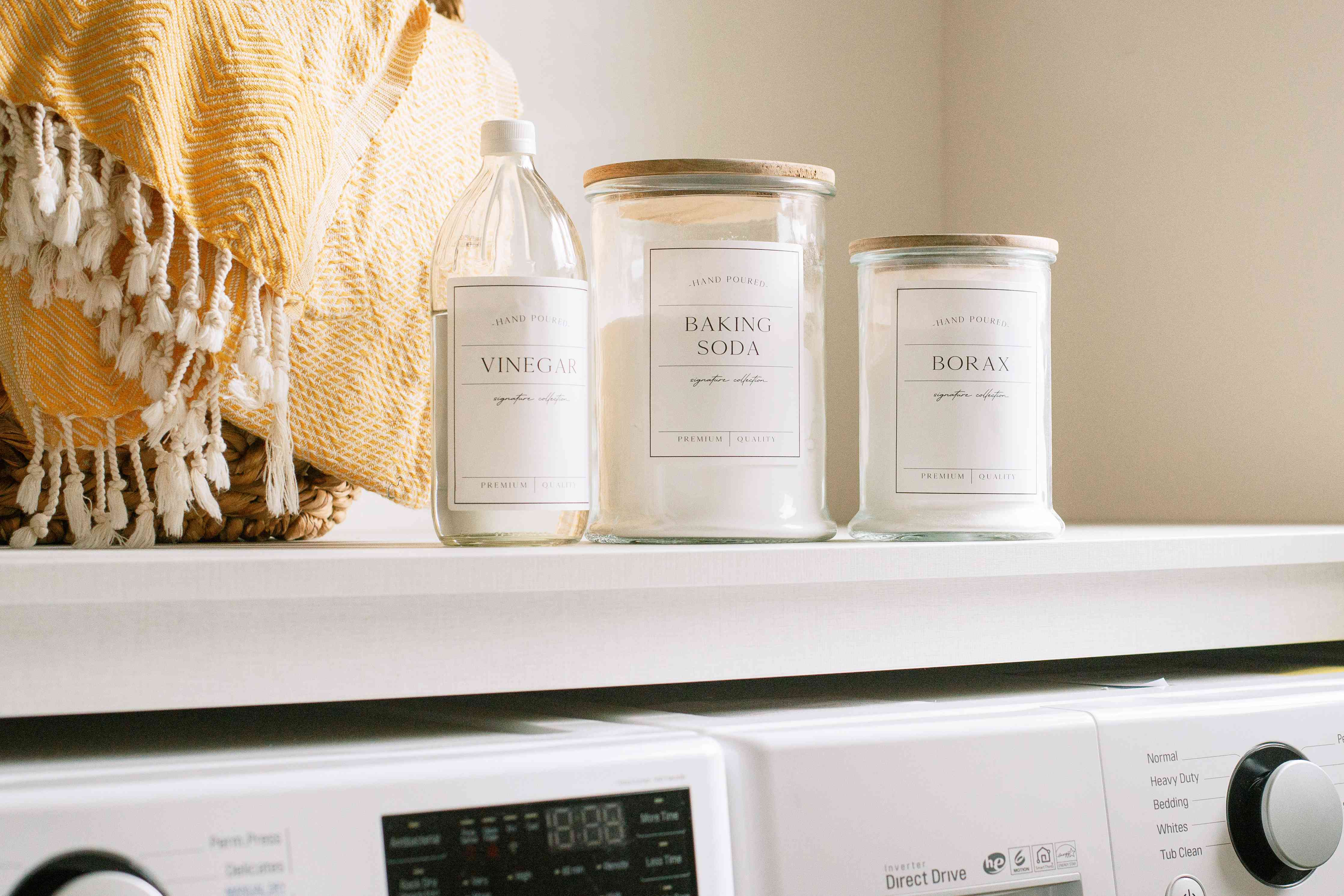
Start with the objects you use every day: a coffee maker, mugs, bowls, plates, knives, cutting boards, storage jars, dish towels, and a small set of cooking tools. These should not feel like afterthoughts. A handmade mug can make morning coffee feel calmer. A thick wooden cutting board can double as prep surface and serving tray. Clear glass jars can turn pantry storage into a quiet design moment, especially when filled with oats, rice, pasta, coffee beans, or whatever snack you pretend is “for guests.”
Tableware That Works Hard
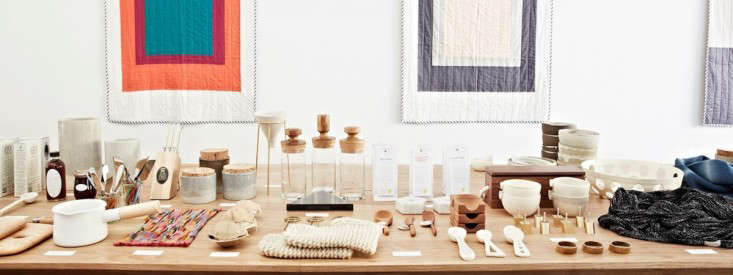
Boerum Hill tableware often has a handmade or small-batch feel. Think stoneware plates with subtle glaze variations, stackable bowls, ceramic cups, and serving pieces that can handle weekday soup as gracefully as Saturday dinner with friends. This is not about matching everything perfectly. In fact, a little mismatch often looks better. A soft white dinner plate, a speckled bowl, and a smoky glass tumbler can create a table that feels collected rather than staged.
The secret is keeping a tight color palette. Warm neutrals, clay tones, ink blue, charcoal, cream, olive, rust, and natural wood all work beautifully. These shades pair well with brownstone architecture and small apartments because they add depth without shouting across the room.
Coffee Gear With Character
Coffee is practically a household utility in Brooklyn. A Boerum Hill-style coffee setup does not need to be complicated, but it should feel intentional. A ceramic pour-over dripper, a reliable kettle, a small grinder, and two or three favorite mugs are enough. Store them on a tray or open shelf so the setup feels like a ritual station rather than appliance clutter.
If your counter space is tiny, use vertical storage: a narrow wall shelf, peg rail, or brass hook system. The trick is to make the practical things attractive enough to display. A good mug on a hook looks charming. A tangled pile of promotional travel cups does not. There are limits, even in Brooklyn.
The Entryway: Small Space, Big First Impression
Boerum Hill homes often begin with a stoop, a vestibule, a narrow hallway, or a small apartment entry that has to perform several jobs at once. It must catch coats, shoes, bags, mail, umbrellas, keys, dog leashes, and the emotional debris of city life. A good entryway is less about decoration and more about preventing chaos from sprinting into the living room.
Start with hooks. Not flimsy hooks. Real hooks. Wall-mounted wooden pegs, iron hooks, or a simple Shaker-style peg rail can hold coats and totes while adding architectural rhythm. Beneath that, place a narrow bench, shoe tray, or woven basket. Add a small bowl or tray for keys. If you have space, a mirror helps bounce light and makes the entry feel larger.
The Boerum Hill Entry Formula
A practical formula looks like this: one mirror, one landing tray, one sturdy hook system, one closed storage piece, and one natural-texture accent. That accent might be a jute runner, a cane basket, a wooden stool, or a small vase with branches. Branches are very Boerum Hill: chic, affordable, and impossible to kill because they are already done with life.
The Living Room: Comfort Without Clutter
The Boerum Hill living room has to balance history and modern life. It may have a marble fireplace, old moldings, tall windows, or exposed brick. It may also have a giant TV, kids’ toys, charging cables, and a sofa that has seen things. The goal is to make the room feel relaxed without letting everyday necessities become visual noise.
Choose a sofa in a forgiving fabric, then layer in textiles: wool throws, linen pillows, cotton quilts, or a vintage rug. Add a coffee table that can survive real life. A wood table with a few dents often looks better over time. Glass can be elegant, but in a small Brooklyn home it can also become a full-time fingerprint exhibition.
Storage That Does Not Look Like Storage
Boerum Hill-style storage is clever but not sterile. Instead of plastic bins in plain sight, use lidded baskets, vintage trunks, built-in shelves, credenzas, and low cabinets. Bookshelves are especially useful because they can hold books, ceramics, baskets, framed art, and small lamps. Mix practical items with personal ones so the shelves feel alive.
For families, toy storage can be handled with big baskets and low shelves. For renters, freestanding cabinets and modular shelving can create the feeling of built-ins without angering the lease. For everyone, cable management is essential. A beautiful room can be emotionally defeated by one wild power strip lying on the floor like a technological octopus.
The Bedroom: Quiet, Soft, and Not Overdesigned
A Boerum Hill-style bedroom should feel like an exhale. The essentials are simple: good bedding, proper lighting, bedside storage, a rug, and a place to put clothes that is not “the chair.” Every bedroom has a chair that becomes a laundry mountain if left unsupervised. Choose storage before the chair wins.
Natural bedding is central to the look. Linen sheets, cotton quilts, wool blankets, and neutral duvets create texture without fuss. The bed should look inviting, not engineered. A slightly rumpled linen bed can feel luxurious in a way that perfectly karate-chopped pillows rarely do.
Lighting Makes the Room
Lighting is one of the most important household essentials, especially in older Brooklyn homes where overhead lighting may be limited or harsh. Use multiple light sources: bedside lamps, wall sconces, a floor lamp, and maybe a small accent lamp on a dresser. Warm bulbs are your friend. Cold, bluish light can make even the prettiest bedroom feel like a dentist’s waiting room.
For a Boerum Hill feel, choose lamps with ceramic, brass, paper, wood, or linen elements. The shape can be modern, vintage, or traditional, but the effect should be soft. A bedroom should not interrogate you with brightness.
The Bathroom: Tiny, Practical, and Surprisingly Stylish
Brooklyn bathrooms are often small, and Boerum Hill bathrooms are no exception. The household essentials here must be efficient: towels, soap, storage, bath mat, mirror, cleaning supplies, and maybe a plant if the room has light. The biggest upgrade is consistency. Matching towels, refillable soap bottles, and a simple tray can make even a small rental bathroom feel more composed.
Use wall space wherever possible. A slim shelf above the toilet, hooks behind the door, or a medicine cabinet with real storage can change everything. Choose woven baskets or enamel containers for backup supplies. Keep daily items accessible but edited. Nobody needs to see seven half-used lotions forming a committee around the sink.
Cleaning Tools Worth Leaving Out
Here is where Boerum Hill-style gets refreshingly honest: cleaning tools are household essentials, too. A well-made broom, wooden dustpan, refillable cleaning spray bottle, natural-bristle brush, linen cleaning cloths, and compact drying rack can look good enough to live in the open. This is especially useful in apartments without utility closets.
Instead of hiding everything under the sink, create a small cleaning station. Hang a broom and dustpan on a peg rail. Store cloths in a basket. Keep simple, multipurpose cleaners together in a caddy. It saves time, looks tidy, and gently suggests that you are the kind of person who has their life together, even if your inbox says otherwise.
How to Shop for Household Essentials Like a Boerum Hill Local
The Boerum Hill shopping mindset is slow, selective, and local when possible. Atlantic Avenue has become known for independent home and design shops, including stores that focus on ceramics, textiles, antiques, lighting, renovation materials, and everyday objects. The best way to shop this style is not to buy everything at once. Start with the essentials you touch daily.
Ask Three Questions Before Buying
Before bringing something home, ask: Will I use this often? Will it age well? Does it solve a real problem or simply audition for a lifestyle I do not actually live? That last question is dangerous but useful. A hand-thrown serving bowl is wonderful if you host dinners. If your cooking style is mostly “standing over the sink with toast,” begin with a better plate.
Quality matters, but practicality matters more. Boerum Hill-style is not about owning fragile objects that make life harder. The best essentials are sturdy, beautiful, and easy to maintain. They can handle coffee rings, dinner parties, kids, pets, and the occasional existential crisis caused by assembling furniture.
Essential Items for a Boerum Hill-Inspired Home
If you want to bring the look into your own home, focus on foundational pieces. You do not need a brownstone or a Brooklyn zip code. You need thoughtful materials, flexible storage, and a willingness to replace disposable clutter with things that have a longer life.
Kitchen Essentials
Choose stoneware plates, stackable bowls, wooden cutting boards, linen dish towels, glass storage jars, a ceramic coffee dripper, a sturdy kettle, simple flatware, and a few serving pieces that work for both daily meals and guests.
Living Essentials
Look for a durable sofa, a natural-fiber rug, layered pillows, a wool or cotton throw, a solid coffee table, warm lamps, baskets, and shelves that combine storage with display.
Entryway Essentials
Install hooks or a peg rail, add a shoe tray, use a narrow bench if space allows, and keep a small bowl or tray for keys. A mirror and runner can make even a tiny entry feel intentional.
Bedroom Essentials
Invest in cotton or linen bedding, a bedside lamp, a proper nightstand, under-bed storage, a soft rug, and a laundry basket attractive enough not to be hidden in shame.
Bathroom Essentials
Use matching towels, refillable soap dispensers, wall hooks, lidded baskets, a washable bath mat, and simple storage containers to keep counters clear.
Color, Texture, and the Art of Looking Effortless
The Boerum Hill palette usually feels grounded: cream, bone, oatmeal, walnut, black, clay, navy, moss, brass, and muted terracotta. These colors work well with old wood floors, brick, stone, plaster, and natural light. They also make small rooms feel collected rather than crowded.
Texture does the heavy lifting. A linen curtain, ribbed glass, handmade ceramic, aged brass hook, wool rug, and wooden bowl can create depth without adding much color. This is why Boerum Hill-style often feels calm but not boring. The interest is in the surfaces, not in loud decoration.
Sustainability Without the Lecture
A major part of this style is buying with longevity in mind. Repairable garments, durable ceramics, antique furniture, refillable containers, and natural materials all support a less wasteful home. The neighborhood’s design retail scene often emphasizes craft, reuse, mending, and independent makers, which fits the broader movement toward slower consumption.
The point is not to be perfect. Nobody gets a medal for owning the most virtuous dish brush. But small decisions matter. Buy the better broom once. Repair the chair. Choose the refillable bottle. Use cloth napkins. Keep the good jar. Suddenly the home feels more personal, and the trash can gets less dramatic.
Experiences: Living With Household Essentials, Boerum Hill-Style
The real test of any design idea is not how it looks in a photo. It is how it behaves on a Monday morning when the coffee is late, the floor has crumbs, and someone cannot find the keys. Household essentials, Boerum Hill-style, work because they are rooted in daily use. They are not decorative props waiting for applause. They are the tools of ordinary life, made a little more beautiful.
One of the best experiences of adopting this approach is the way small routines become more enjoyable. Making coffee with a ceramic dripper, pouring it into a favorite mug, and setting it beside a linen napkin feels different from grabbing a random chipped cup from the back of the cabinet. The coffee may be the same, but the ritual becomes calmer. That calm matters, especially in a city where the outside world provides plenty of noise for free.
Another experience is learning how much storage affects mood. A narrow entryway with hooks, a shoe tray, and a small key bowl can change the entire feeling of coming home. Without those essentials, the entry becomes a pileup zone. With them, the apartment seems to greet you politely instead of accusing you of owning too many tote bags. In a compact home, order is not about being strict. It is about making space for living.
Cooking also becomes easier when essentials are edited. A few sharp knives, two reliable pans, stackable bowls, and clear pantry jars are often more useful than a cabinet stuffed with gadgets. Boerum Hill-style kitchens remind us that the best tools are the ones we reach for constantly. A beautiful cutting board left on the counter invites use. A good dish towel makes cleanup feel less annoying. Even a simple wooden spoon can become a tiny daily pleasure if it feels right in the hand.
The same is true in the living room. A basket for blankets, a tray for remotes, a lamp near the sofa, and a sturdy table can make the room feel ready for real life. You can read, snack, host, work, or collapse dramatically after errands. The room does not demand perfection. It supports you. That is the hidden genius of this style: it looks polished because it functions well.
There is also a social quality to Boerum Hill-inspired essentials. A home with warm lighting, usable serving pieces, comfortable seating, and relaxed tableware makes inviting people over less intimidating. You do not need a formal dining room. You need enough plates, a decent serving bowl, cloth napkins if you have them, and lighting kind enough to flatter everyone. Add takeout, pour drinks into actual glasses, and suddenly dinner feels intentional.
Over time, the most meaningful household essentials become memory holders. The mug from a local shop, the vintage lamp found after a long walk, the quilt folded at the end of the bed, the bowl used for every pasta nightthese pieces gather stories. That is why this style resonates. It is not only about taste. It is about building a home that reflects the way you live, not the way a showroom thinks you should live.
And perhaps the most satisfying experience is realizing that “essential” does not have to mean plain. A broom can be handsome. A soap bottle can be refillable and elegant. A laundry basket can avoid looking like it belongs in a college basement. When everyday objects are chosen with care, the home feels better without requiring constant decoration. Boerum Hill-style is proof that beauty can live in the practical thingsthe bowl, the hook, the towel, the lamp, the basketand that a well-loved home is built one useful object at a time.
Conclusion: The Beauty of Better Basics
Household essentials, Boerum Hill-style, are about elevating the ordinary. They turn daily routines into small moments of pleasure through better materials, smarter storage, warmer lighting, and objects that feel personal. The look is rooted in Brooklyn’s historic architecture and independent design culture, but the principles travel anywhere. Buy less, choose well, mix old with new, and let useful things be beautiful.
You do not need a brownstone, a designer budget, or a six-floor antiques source to create the feeling. Start with what you use every day. Replace the flimsy with the lasting. Add texture. Create order where life gets messy. Choose household essentials that make your home easier to live in and nicer to wake up to. That is the Boerum Hill way: practical, soulful, quietly stylish, and just smug enough about its dish towels.