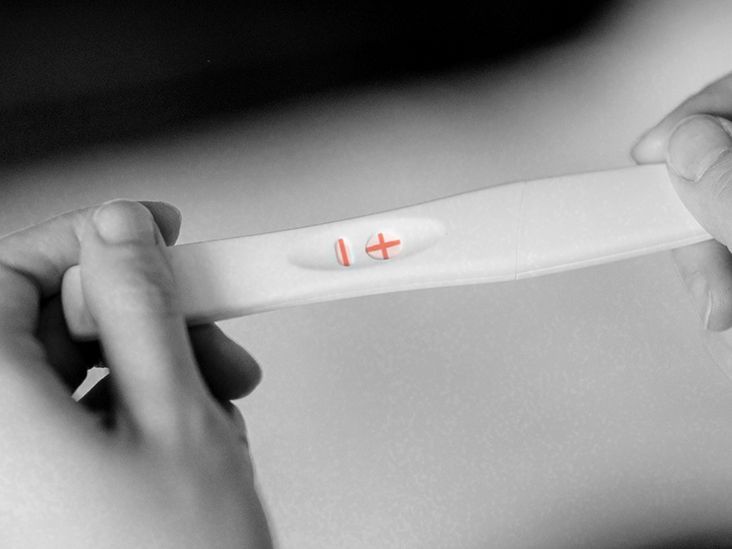
A positive pregnancy test can make your heart do gymnastics. For some people, it brings joy, happy tears, and an immediate urge to calculate due dates. For others, it brings panic, confusion, or a sudden need to sit down before the bathroom floor starts looking suspiciously comfortable. But what happens when the test says “pregnant” and later evidence says, “Actually… not exactly”?
A false-positive pregnancy test means a test shows a positive result even though a person is not currently pregnant. True false positives are uncommon, but they can happen. More often, the situation is a little more complicated: the test may have detected real human chorionic gonadotropin, better known as hCG, from a very early pregnancy, a recent pregnancy, fertility medication, or another medical reason.
Home pregnancy tests work by detecting hCG in urine. This hormone usually rises after implantation, which is why testing too early can create confusion. A blood test at a healthcare provider’s office can measure hCG more precisely, and repeat testing can show whether levels are rising, falling, or staying the same.
Below are six possible causes of a false-positive pregnancy test, how each one happens, and what to do next without turning your medicine cabinet into a tiny detective agency.
What is a false-positive pregnancy test?
A false-positive pregnancy test is a result that says you are pregnant when you are not carrying an ongoing pregnancy. It may appear as two lines, a plus sign, the word “pregnant,” or another positive indicator depending on the brand.
The key detail is this: pregnancy tests do not directly “see” a baby. They detect hCG. If hCG is present for a reason other than an ongoing healthy pregnancy, the test can still look positive. That is why context matters. Timing, recent medical history, medications, test instructions, and symptoms all help explain what might be going on.
1. A chemical pregnancy or very early pregnancy loss
One of the most common reasons for a positive test followed by a negative test is a chemical pregnancy, also called a very early pregnancy loss. This happens when implantation occurs and hCG starts rising, but the pregnancy stops developing before it can be seen on an ultrasound.
To the person taking the test, it may look like a false positive. In reality, the test may have detected real hCG from a very early pregnancy. A few days later, bleeding may begin around the time of an expected period, and another test may become lighter or negative.
Example
Someone tests two days before a missed period and sees a faint positive line. Three days later, their period starts and another test is negative. That can feel like the first test “lied,” but it may have detected a pregnancy that ended very early.
Chemical pregnancy can be emotionally difficult, especially for people who were trying to conceive. It is not “nothing,” and it is not anyone’s fault. Many early losses are linked to chromosomal issues that prevent normal development. If bleeding is heavy, pain is severe, or pregnancy tests remain positive, a healthcare professional should be contacted.
2. Recent pregnancy, miscarriage, abortion, or childbirth
hCG does not always disappear from the body immediately after a pregnancy ends. After childbirth, miscarriage, abortion, or treatment for ectopic pregnancy, hCG levels may take days or weeks to fall back to nonpregnant levels.
This means a home pregnancy test can stay positive even when there is no new pregnancy. The body is not trying to be dramatic; it is simply clearing the hormone at its own pace. Unfortunately, home pregnancy tests do not include a “previous pregnancy leftovers” setting, so the result may be confusing.
When this matters
If you recently had a pregnancy end and you are still testing positive, your healthcare provider may recommend repeat hCG blood tests. Falling numbers usually suggest the hormone is clearing. Levels that plateau or rise may need further evaluation.
This is especially important after miscarriage, abortion, or ectopic pregnancy treatment because doctors sometimes monitor hCG to make sure the pregnancy tissue has fully resolved. A positive test weeks later does not automatically mean something is wrong, but it is worth checking if your clinician told you to follow up or if symptoms feel unusual.
3. Fertility medications that contain hCG
Some fertility treatments use medications that contain hCG, often called a “trigger shot.” These medications help mature eggs and time ovulation during treatments such as intrauterine insemination or in vitro fertilization.
Because the medication itself contains hCG, taking a pregnancy test too soon after the shot can produce a positive result that reflects the medicine rather than a pregnancy. This is why fertility clinics often give specific instructions about when to test. Yes, waiting can feel like watching paint dry in slow motion, but timing matters.
Example
A person receives an hCG trigger shot and takes a home pregnancy test five days later. The test is positive. That result may be caused by the medication still being present in the body. Testing again later or getting a blood test through the fertility clinic can give clearer information.
Most common medications, such as antibiotics or birth control pills, do not cause false-positive pregnancy tests. The bigger concern is medication that actually contains hCG or directly affects hormone testing. If you are in fertility treatment, follow your clinic’s testing timeline rather than the emotional timeline created by a box of tests under the sink.
4. Test user error, evaporation lines, or expired tests
Home pregnancy tests are convenient, but they are not magic wands. They have instructions for a reason. Reading the result too late, using an expired test, dipping the strip too long or too briefly, using too much or too little urine, or misunderstanding a faint line can all create confusing results.
An evaporation line is one of the classic troublemakers. It may appear after the recommended reading window as urine dries on the test. This line can look like a faint positive, especially if you hold it under four different lamps, squint, and ask three group chats for opinions.
How to reduce test mistakes
Use the test before its expiration date, follow the instructions exactly, and read the result only during the time window listed on the package. First-morning urine is often recommended because it is more concentrated, especially when testing early.
If the result is unclear, take another test in a day or two using a new kit. Digital tests can reduce line-interpretation drama, but they are not perfect either. If tests are mixed, a healthcare provider can order a blood hCG test for a clearer answer.
5. Ectopic pregnancy or molar pregnancy
An ectopic pregnancy happens when a fertilized egg implants outside the uterus, most often in a fallopian tube. A molar pregnancy is an abnormal growth of pregnancy-related tissue in the uterus. These conditions can produce hCG and therefore cause a positive pregnancy test.
Technically, these are not simple false positives because pregnancy-related tissue is present. However, they can feel like false positives because they are not normal ongoing pregnancies and require medical care.
Warning signs to take seriously
Get urgent medical help if a positive pregnancy test is followed by severe pelvic or abdominal pain, shoulder pain, dizziness, fainting, or heavy bleeding. Ectopic pregnancy can become dangerous if not treated. A healthcare professional may use repeat hCG blood tests and ultrasound to determine what is happening.
Molar pregnancy also needs medical evaluation and follow-up. It may cause symptoms such as bleeding, unusual nausea, or hCG levels that do not follow the expected pattern. The main point is simple: a positive test plus concerning symptoms deserves medical attention, not internet detective work at 2 a.m.
6. Certain medical conditions or rare hormone-related issues
Rarely, a positive pregnancy test can happen because of medical conditions that affect hCG or interfere with testing. These may include some ovarian problems, menopause-related hormone changes, certain tumors that produce hCG, kidney disease, or antibodies in the blood that interfere with lab testing.
This cause is less common than early pregnancy loss, recent pregnancy, fertility medication, or test-reading problems. Still, it matters when results do not make sense. For example, if a person repeatedly gets positive pregnancy tests but ultrasound and repeat blood work do not support pregnancy, a clinician may investigate other explanations.
Blood test confusion: “phantom hCG”
In rare cases, substances in the blood called heterophile antibodies can interfere with some blood hCG tests. This may create a positive blood test when a urine test is negative. Doctors can compare urine and blood results, repeat testing with a different method, or order additional lab evaluation.
The takeaway is not to assume the rarest cause first. Most confusing results have ordinary explanations. But persistent, repeated, or medically inconsistent positives should be discussed with a healthcare provider.
False positive vs. false negative: why the difference matters
A false positive says “pregnant” when you are not currently pregnant. A false negative says “not pregnant” when you actually are pregnant. False negatives are generally more common than true false positives because testing too early can happen easily.
If your period is late and the test is negative, hCG may not be high enough yet. Waiting a few days and testing again can help. If your test is positive, even faintly, it is reasonable to treat it as a possible pregnancy until confirmed otherwise.
A faint line usually means hCG may be present, as long as the result is read during the correct time window. But faint lines can also create confusion when tests are old, expired, or read too late. When in doubt, repeat the test or ask for a blood test.
What should you do after a positive test that might be false?
First, do not panic. A confusing test result does not automatically mean disaster. Second, do not make major medical decisions based only on one home test. Home tests are useful screening tools, but they are not the final boss of pregnancy confirmation.
Practical next steps
Take another test in 24 to 48 hours, preferably with first-morning urine. Use a different test from a reliable brand, check the expiration date, and follow the instructions carefully. If the second test is positive, contact a healthcare provider to discuss next steps.
If tests are mixed, a blood hCG test can help. A quantitative blood test measures the amount of hCG, and repeating it after a couple of days can show whether levels are rising or falling. This pattern is often more useful than a single number.
Seek urgent care if you have severe pain, heavy bleeding, fainting, dizziness, or shoulder pain after a positive test. These symptoms can signal a serious issue, including ectopic pregnancy.
How to prevent confusing pregnancy test results
You cannot prevent every confusing result, but you can reduce the odds of test chaos. Wait until after a missed period if possible. Use first-morning urine when testing early. Read the result only within the recommended window. Avoid testing immediately after an hCG trigger shot unless your fertility clinic tells you to.
Also, try not to compare tests from different brands too intensely. Some tests are more sensitive than others, which means one may show a faint positive while another remains negative. That does not always mean one is “wrong.” It may mean they detect different hCG levels.
Finally, remember that the internet is full of line photos, opinions, and people zooming in like forensic scientists. Online communities can be supportive, but medical confirmation is more reliable than crowd-sourced squinting.
When to call a healthcare provider
Call a healthcare provider if you get a positive pregnancy test and are unsure what it means, especially if you have irregular cycles, recent pregnancy loss, fertility treatment, or mixed test results. You should also call if your test stays positive after a known pregnancy has ended, or if symptoms do not match the result.
Medical evaluation may include a urine test, blood hCG test, pelvic exam, or ultrasound depending on timing and symptoms. In early pregnancy, ultrasound may not show much until enough time has passed, so repeat hCG testing is often helpful.
The goal is not just to confirm whether you are pregnant. It is also to make sure you are safe, especially if there is pain, bleeding, or risk of ectopic pregnancy.
Experiences related to false-positive pregnancy tests
People often describe false-positive pregnancy test experiences as emotionally whiplashing. One moment, there is a line. The next moment, there are questions. Is it real? Is it too faint? Was the test read too late? Should the second line look darker? Why does this tiny plastic stick suddenly have the authority of a Supreme Court ruling?
A common experience involves early testing. Someone tests several days before their expected period and sees a faint line. They feel excited, nervous, or stunned. Then their period arrives, and the next test is negative. This can be one of the hardest scenarios because the person may not know whether it was a false positive, an evaporation line, or a chemical pregnancy. Emotionally, the difference may not feel neat. A hopeful result appeared, and then it disappeared.
Another common story comes from fertility treatment. People using hCG trigger shots may be told not to test too early, but waiting can feel almost impossible. The test may show positive because the medication is still in the body. Some people “test out the trigger,” watching the line fade over several days before testing for a true pregnancy result later. This can help some people feel informed, while others find it stressful. There is no gold medal for taking the most tests, even though the bathroom trash can may suggest otherwise.
Some people experience confusion after miscarriage, abortion, ectopic pregnancy treatment, or childbirth. A positive test afterward may bring fear, hope, or frustration. In these cases, the body may still be clearing hCG. Follow-up with a healthcare provider can help confirm that levels are dropping as expected.
Test-reading anxiety is also extremely common. Many people have held a test near a window, under a lamp, next to another test, or at an angle known only to modern bathroom science. Faint lines can be real, but evaporation lines can be misleading. The best habit is to read the result only within the instructed time window and repeat with a fresh test later.
The biggest lesson from these experiences is that a confusing result deserves patience and confirmation. One test gives information, but it does not always give the whole story. A repeat test, a blood hCG level, and medical guidance can turn uncertainty into a clearer answer. And while waiting is uncomfortable, it is often the most reliable way to let biology reveal what is actually happening.
Conclusion
A false-positive pregnancy test can happen for several reasons, including chemical pregnancy, recent pregnancy, fertility medications containing hCG, test-reading errors, ectopic or molar pregnancy, and rare medical conditions. The result can be confusing, emotional, and sometimes scary, but it is not something you have to decode alone.
The smartest next step is usually simple: repeat the test correctly, pay attention to symptoms, and contact a healthcare provider if results are mixed, symptoms are concerning, or you recently had fertility treatment or pregnancy loss. Pregnancy tests are useful, but they are only one part of the picture. Your body, your timing, your medical history, and professional testing all matter too.