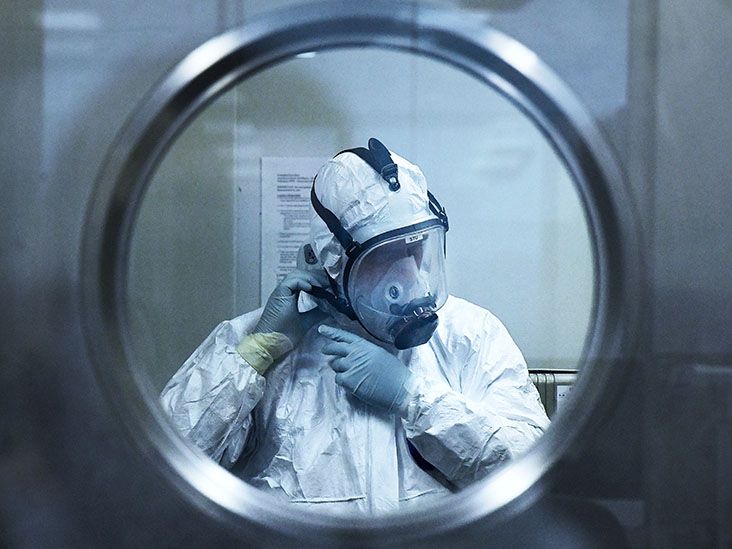
When Omicron BA.2 showed up, it arrived with the energy of a sequel nobody asked for but everybody had to discuss anyway. Just when people were learning to pronounce “Omicron” without sounding like they were ordering a robot from a sci-fi catalog, BA.2 entered the chat. It quickly earned attention because it spread efficiently, slipped past some immune defenses better than earlier versions, and reminded the public of an uncomfortable truth: viruses do not care that we are tired.
Still, the real question has never been, “Should we panic?” Panic is not a public-health strategy. The smarter question is, “Should we be worried enough to act sensibly?” That answer is yes. BA.2 was not a reason to barricade the pantry and speak only in sanitizer fumes, but it was a good reason to respect the virus, understand the risk, and take the right precautions.
What Exactly Is Omicron BA.2?
BA.2 is a subvariant of Omicron, the SARS-CoV-2 variant that changed the pandemic’s rhythm by spreading fast and producing wave after wave of related lineages. BA.1 was the Omicron version that first grabbed global headlines. BA.2 was its close relative, not a brand-new species from another planet, but different enough to deserve careful monitoring.
It was sometimes called the “stealth” variant, which sounds dramatic and makes for excellent clickbait, but the nickname was more flashy than helpful. BA.2 was not invisible. It could still be detected by testing. The nickname mostly referred to the way it appeared on some lab assays compared with BA.1. In other words, BA.2 was not wearing an invisibility cloak. It was just making lab scientists work a little harder before their coffee kicked in.
Why Did Experts Pay So Much Attention to BA.2?
Three reasons: transmissibility, immune escape, and timing.
1. It spread very efficiently
BA.2 appeared more transmissible than the original Omicron BA.1. That matters because even if a variant is not dramatically more severe in each individual case, a highly contagious version of the virus can still cause a lot of disruption by infecting a larger number of people in a short period. More cases can mean more missed work, more school absences, more pressure on clinics, and more opportunities for high-risk people to get seriously ill.
2. It could dodge some existing immunity
One of the biggest frustrations of the Omicron era was learning that past infection or prior vaccination did not always stop infection as well as people hoped. Protection against severe disease stayed meaningful, which is the crucial part, but BA.2 reminded everyone that immune escape is part of the virus’s playbook. That did not make vaccines useless. It made boosters, updated vaccines, and layered protection more important.
3. It arrived when people were exhausted
Public attention matters in outbreaks. BA.2 emerged after a long stretch of pandemic fatigue, when many people were mentally done with COVID even if COVID was not done with them. That gap between “I’m over this” and “this is medically over” created the perfect setting for confusion. BA.2 was not just a virology story. It was also a human-behavior story.
Is BA.2 More Severe?
This is where the answer requires nuance, which is much less exciting than a dramatic headline but much more useful in real life. Overall, BA.2 did not clearly appear to cause more severe illness than BA.1 on average. That is the reassuring part. The less reassuring part is that “not worse than BA.1” does not mean “harmless.”
COVID can still cause pneumonia, significant breathing problems, dehydration, cardiac stress, and long recovery periods, especially in older adults and people with underlying medical conditions. It can also lead to Long COVID in some people, even after what first seemed like a manageable infection. So the better summary is this: BA.2 was usually not a monster upgrade in severity, but it remained entirely capable of causing serious disease in the wrong host at the wrong time.
That distinction matters. Public conversation often swings between two extremes: apocalypse or shrug emoji. BA.2 lived in the middle. It was not the same threat level as the earliest, pre-vaccine waves, but it was not a trivial cold for everyone either.
Who Should Be More Concerned?
Risk was never equal across the population, and BA.2 followed the same pattern. Some groups needed to watch it much more closely:
Older adults
Age remains one of the strongest predictors of severe COVID outcomes. Even when the average case in the community seems milder, older adults are still more likely to be hospitalized or develop complications.
People with chronic medical conditions
Conditions such as heart disease, lung disease, diabetes, obesity, kidney disease, and immune-system disorders can raise the risk of severe illness. This is one reason blanket statements like “it’s mild now” can be misleading. Mild for whom? A healthy 22-year-old and a 72-year-old with COPD are not playing the same game.
Immunocompromised people
People with weakened immune systems may have a lower or less durable response to vaccination and may be more vulnerable to complications. For them, BA.2 was not just another headline. It was a practical risk-management problem.
Unvaccinated or undervaccinated individuals
Vaccination was never a magic force field, but it remained one of the best tools for lowering the odds of severe illness, hospitalization, and death. People who were not up to date on vaccination generally had less protection when BA.2 moved through communities.
What Were the Symptoms Like?
BA.2 symptoms were broadly similar to other Omicron-family infections: sore throat, congestion, cough, headache, fever, fatigue, body aches, and sometimes loss of taste or smell, though that became less common than earlier in the pandemic. Shortness of breath, chest discomfort, or worsening breathing were more concerning signs and deserved prompt medical attention.
One of the trickiest parts was that the symptoms could overlap heavily with colds, flu, and other respiratory viruses. That made testing important, especially for anyone at higher risk who might qualify for antiviral treatment. If your symptoms were telling the story of “just a little something,” testing was often the plot twist that provided clarity.
Do Vaccines Still Matter With BA.2?
Absolutely. This is one of the most important points in the whole discussion. Vaccines and updated boosters may not completely prevent infection with every fast-moving Omicron subvariant, but they still do a lot of heavy lifting when it comes to severe outcomes.
That distinction is easy to lose in casual conversation. People hear about breakthrough infections and conclude that vaccines do not work. That is like saying seat belts are useless because people still get into car accidents. The goal is not to create a magical universe where collisions never happen. The goal is to reduce the odds that the collision ruins your life.
With BA.2, staying up to date on vaccination remained a practical way to improve protection, especially for higher-risk groups. The virus kept evolving, but the immune system still benefited from training drills.
Should We Trust Home Tests?
Yes, but with some common sense. Testing remained useful with BA.2, especially when symptoms appeared or after a meaningful exposure. A positive test could help people make decisions quickly about isolation, masking, notifying close contacts, and seeking treatment.
However, timing matters. Testing too early can miss infection, and a negative result on day one of symptoms does not always mean you are in the clear. If symptoms continue, repeat testing can be the wiser move. Viruses, sadly, do not care about your weekend plans or your preference for a convenient answer.
What About Treatment?
Treatment became one of the most important upgrades in the later phases of the pandemic, and that mattered for BA.2 as well. For people at higher risk of severe illness, antiviral treatment could meaningfully reduce the chances of hospitalization and worse outcomes when started early.
This is where speed matters. Antivirals are not decorations. They work best within a limited window after symptoms begin. That means testing early, contacting a healthcare provider promptly, and not waiting around to see whether the cough would “build character.” Character is nice. Early treatment is often nicer.
Not every person with BA.2 needed medication, but people who were older, immunocompromised, or medically vulnerable benefited from having a plan. A good strategy beats heroic guessing every time.
So, Should We Be Worried?
Yes, but in the grown-up way.
BA.2 was a reminder that the pandemic did not become harmless just because the headlines got quieter. It showed how a variant can be more contagious without being dramatically more severe and still create real public-health consequences. It proved, once again, that the number of infections matters, that vulnerable people remain vulnerable, and that preparedness is much more useful than denial.
But no, BA.2 was not a reason for all-out panic. The world was not back at square one. By the time BA.2 became a major concern, public health had stronger tools than in the earliest stages of the pandemic: vaccines, updated boosters, antiviral treatments, better testing access, more clinical experience, and a clearer understanding of who is at greatest risk.
The most accurate attitude was cautious confidence. Respect the virus. Protect the vulnerable. Test when appropriate. Stay current with vaccines. Seek treatment early if you are high-risk. Improve ventilation. Mask strategically when illness is spreading or when you are around vulnerable people. None of that is theatrical. It is just competent.
The Bigger Lesson of BA.2
Even if BA.2 itself is no longer the star of the variant soap opera, the lesson it taught still matters. COVID variants continue to evolve, and the pattern remains familiar: new lineage, questions about spread, questions about immune escape, a burst of public anxiety, and then a clearer picture after scientists gather better data.
BA.2 taught the public not to overreact to every mutation but also not to dismiss changes too quickly. It reminded us that “milder on average” can still translate into a serious burden when a virus spreads widely. And it reinforced the value of layering protections instead of betting everything on one tool.
If there is a single takeaway, it is this: worry should be practical, not theatrical. The right amount of concern pushes people to make smarter choices. The wrong amount either freezes them in fear or lulls them into complacency. BA.2 deserved the first kind of concern.
Experiences From the BA.2 Era: What It Felt Like in Real Life
One reason BA.2 sparked so much debate is that it arrived during a strange emotional phase of the pandemic. Many people were not just tired; they were tired of being tired. The public mood had shifted from emergency mode to “please do not make me relearn another Greek letter before lunch.” That meant BA.2 was experienced less as a shocking new disaster and more as an unwelcome reminder that COVID still had plot twists left.
For office workers, BA.2 often felt like the return of uncertainty. Teams had barely adjusted to hybrid schedules before another round of positive tests interrupted meetings, travel plans, and deadlines. One person would say it was “just allergies,” another would say it was “probably a cold,” and by the next day the group chat looked like a pharmacy waiting room. The experience was not always dramatic, but it was disruptive in exactly the kind of repetitive, draining way that wears people down.
For parents, BA.2 was a logistical headache with legs. A sore throat in the morning could turn into a test, a school absence, a call to the pediatrician, and a full rearrangement of the household calendar by noon. Many families were not terrified in the same way they had been earlier in the pandemic, but they were cautious because they had learned something important: even a non-catastrophic COVID infection can flip a normal week upside down with Olympic-level efficiency.
For high-risk households, the experience was more serious. Families with elderly relatives, cancer patients, transplant recipients, or people with chronic lung or heart conditions often could not afford the casual attitude that healthier households sometimes adopted. In these homes, BA.2 was not just another variant name floating through the news cycle. It was a reminder to check vaccine status, refill masks, review treatment options, and think carefully before gatherings. That kind of vigilance can be exhausting, but it is also rational.
Even among people who had relatively mild infections, BA.2 sometimes left a longer footprint than expected. The fever might pass quickly, but the fatigue lingered. The cough hung around like a guest who kept saying goodbye and never actually left. Concentration dipped. Workouts felt harder. Sleep schedules got weird. These experiences added to the public realization that “mild” is a slippery word. Medically mild can still be personally miserable.
In the end, the BA.2 experience for many Americans was not one of cinematic chaos. It was a more ordinary, more annoying, and in some ways more revealing experience: canceled dinners, delayed travel, worried texts to grandparents, repeated tests on the bathroom counter, and a renewed appreciation for simple things like good ventilation, clear guidance, and a doctor who calls back quickly. That is part of why BA.2 mattered. It showed that a variant does not have to look apocalyptic to have real consequences. Sometimes public-health concern lives not in panic, but in the quiet, inconvenient details of everyday life.
Conclusion
Omicron BA.2 deserved attention because it was more contagious, capable of slipping past some existing immunity, and disruptive enough to create real health and social consequences. But the smartest response was never blind fear. It was informed caution. People who understood their risk, stayed current with vaccines, tested when symptoms appeared, and sought treatment early when eligible were in a far stronger position than people who treated BA.2 like either the end of the world or a total non-event.
That remains the best way to think about COVID variants in general. Be alert. Be practical. Be kind to vulnerable people. And maybe keep a test in the cabinet, because viruses love surprise cameos.