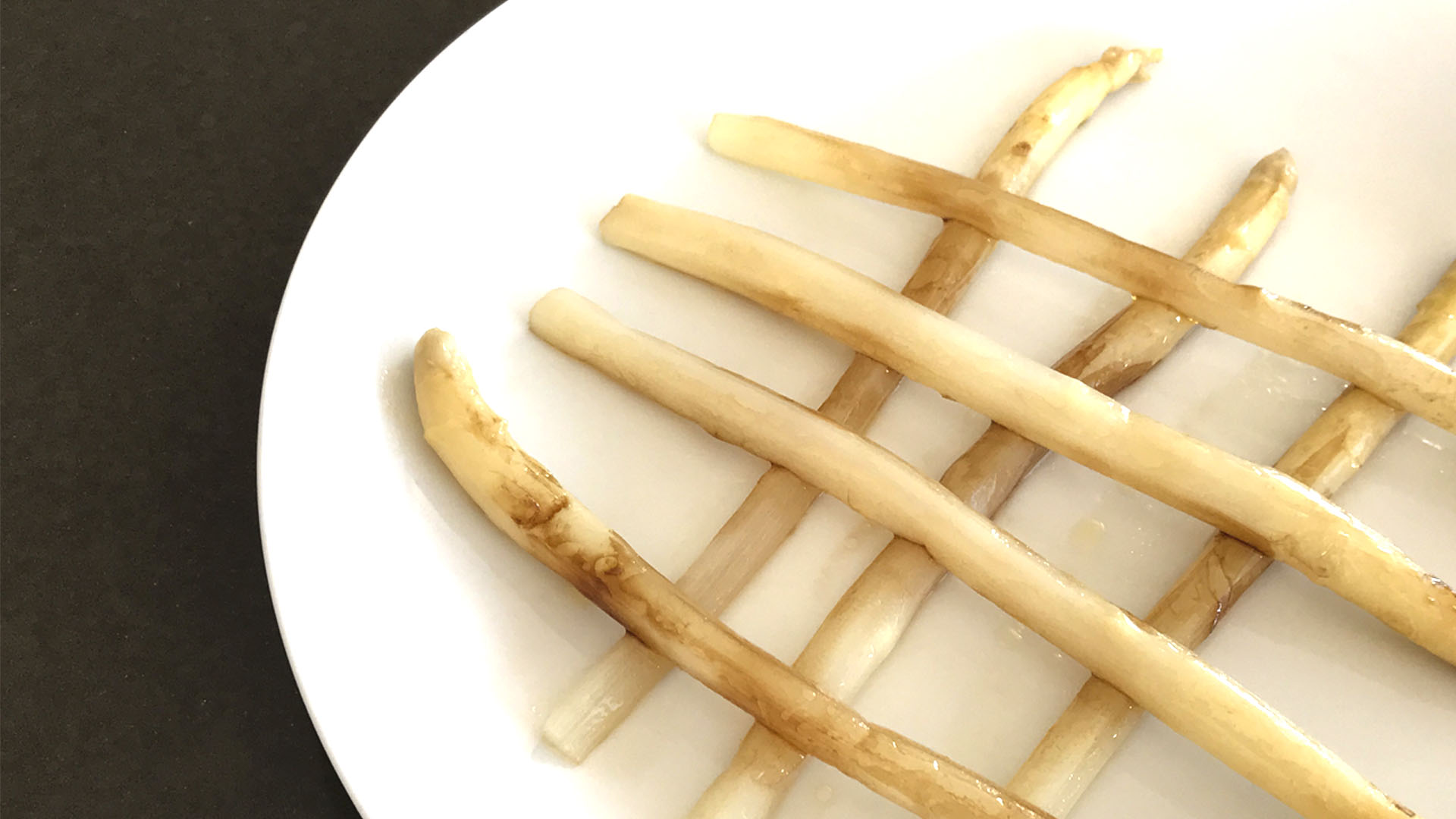
White asparagus looks like regular asparagus went to a spa, avoided the sun, and came back wearing a silk robe. It is pale, elegant, mild, slightly sweet, and just fancy enough to make a weeknight dinner feel like someone should be pouring sparkling water from a glass bottle. But here is the tiny kitchen plot twist: white asparagus is not simply green asparagus in a lighter outfit. It needs different prep, a little more patience, and absolutely no wishful thinking about “crisp-tender” texture.
If you have ever cooked green asparagus, you might be used to tossing it in a hot pan for a few minutes and calling it a vegetable victory. White asparagus asks for a softer landing. Because it is grown underground or shielded from sunlight, it does not develop chlorophyll, which keeps it ivory-colored and gives it a gentler flavor. The stalks are also usually thicker, denser, and more fibrous on the outside. That means peeling is not optional unless you enjoy chewing something with the personality of dental floss.
The good news? Once you understand how to prep it, learning how to cook white asparagus is simple. You can simmer it the traditional way, steam it for a clean and delicate side dish, roast it for deeper flavor, or grill and pan-sear it for smoky edges. Each method brings out a different side of this spring vegetable: tender and buttery, fresh and light, caramelized and nutty, or bold and slightly charred.
This guide walks through four reliable ways to cook white asparagus, with practical timing, seasoning ideas, serving suggestions, and common mistakes to avoid. No culinary degree required. A vegetable peeler, however, is highly recommended.
Why White Asparagus Is Different
White asparagus comes from the same plant family as green asparagus, but it is grown without exposure to sunlight. Since sunlight triggers chlorophyll production, keeping the spears covered prevents them from turning green. The result is a creamy white stalk with a milder, more delicate flavor and a slightly sweet, earthy finish.
In Europe, especially Germany, Austria, and parts of France, white asparagus is treated like a seasonal celebrity. It appears in spring menus with butter, potatoes, ham, eggs, hollandaise sauce, and sometimes very dramatic enthusiasm. In American kitchens, it is less common but increasingly available at farmers markets, specialty grocery stores, and well-stocked produce departments during spring.
The most important thing to remember is that white asparagus should be cooked until fully tender. Green asparagus can be delicious with a little snap. White asparagus, on the other hand, becomes its best self when a knife slides through it easily. Undercooked white asparagus can taste bitter, tough, and oddly squeaky. Nobody invited squeaky vegetables to dinner.
How to Prepare White Asparagus Before Cooking
1. Choose Good Spears
Look for firm, straight spears with closed tips and smooth skin. The stalks should not look shriveled, rubbery, or dry at the cut ends. A little thickness is normal; in fact, many cooks prefer thicker white asparagus because it peels better and stays juicy during cooking.
2. Wash and Dry
Rinse the asparagus under cool running water to remove any grit. Pat the stalks dry with a clean towel. Drying matters more for roasting, grilling, and pan-searing because excess water can cause steaming instead of browning.
3. Peel Generously
Lay one spear flat on a cutting board and use a Y-shaped vegetable peeler or standard peeler. Start just below the tip and peel downward toward the base. Rotate the spear as you go, removing the fibrous outer layer all the way around. The tip is tender, so leave it intact. The lower stalk needs the most attention.
Do not be shy. If you peel too lightly, the asparagus may still be stringy after cooking. If you peel properly, the finished stalk will taste silky instead of stubborn.
4. Trim the Woody Ends
Cut off about half an inch to one inch from the bottom of each spear, depending on how dry or woody it looks. Some cooks snap asparagus by hand, but trimming with a knife gives you more control and wastes less of the edible stalk. Save clean peelings and trimmings for vegetable stock or asparagus soup if you like kitchen thrift with a gourmet accent.
Way 1: Simmered White Asparagus
Simmering is the classic method and arguably the most traditional way to cook white asparagus. It produces tender, delicate spears that are perfect with melted butter, hollandaise sauce, lemon, soft-boiled eggs, roasted potatoes, or thin slices of ham.
Best For
Traditional spring dinners, elegant side dishes, brunch plates, and anyone trying white asparagus for the first time.
Ingredients
- 1 pound white asparagus, peeled and trimmed
- 6 to 8 cups water, or enough to cover the spears
- 1 tablespoon kosher salt
- 1 teaspoon sugar
- 1 tablespoon butter
- 1 tablespoon lemon juice
Instructions
- Bring a wide pot or deep skillet of water to a boil.
- Add salt, sugar, butter, and lemon juice. The sugar helps balance slight bitterness, while lemon keeps the flavor bright.
- Lower the heat to a gentle simmer.
- Add the peeled white asparagus in a single layer if possible.
- Simmer for 8 to 15 minutes, depending on thickness. Very thick spears may need closer to 18 minutes.
- Test with the tip of a knife. The asparagus should be tender from tip to base.
- Lift the spears out carefully with tongs or a slotted spatula and drain on a clean towel.
Flavor Ideas
Serve simmered white asparagus with brown butter and toasted almonds, classic hollandaise, lemony bread crumbs, chopped parsley, or grated hard-boiled egg. For a simple American-style dinner, pair it with roast chicken, salmon, pork chops, or a creamy potato salad.
Pro Tip
Do not boil aggressively. A hard boil can damage the tender tips before the thicker stalks finish cooking. Gentle simmering gives you better texture and fewer broken spears.
Way 2: Steamed White Asparagus
Steaming is the cleanest method. It preserves the mild flavor of white asparagus without diluting it in water. If simmering is the classic restaurant approach, steaming is the “I want this to taste like itself” method.
Best For
Light side dishes, meal prep, salads, spring bowls, and simple dinners where the asparagus should taste fresh and delicate.
Ingredients
- 1 pound white asparagus, peeled and trimmed
- Water for steaming
- Salt, to taste
- Olive oil, melted butter, or vinaigrette for serving
- Fresh lemon zest or herbs, optional
Instructions
- Fill a pot with about 1 to 2 inches of water and bring it to a boil.
- Place the asparagus in a steamer basket, keeping the spears as evenly spread as possible.
- Set the basket over the boiling water, cover, and reduce the heat slightly.
- Steam for 8 to 12 minutes, depending on thickness.
- Check doneness with a paring knife. The thickest part of the stalk should be tender.
- Transfer to a plate and season while warm.
Flavor Ideas
Steamed white asparagus is excellent with lemon vinaigrette, Dijon dressing, chive oil, soft herbs, or a spoonful of Greek yogurt mixed with lemon and black pepper. For a richer version, drizzle with melted butter and sprinkle with flaky salt.
Pro Tip
If serving steamed white asparagus cold, cool it quickly after cooking. Place the spears on a tray or briefly dip them in ice water, then pat dry. This helps stop the cooking and keeps the texture from turning limp.
Way 3: Roasted White Asparagus
Roasting gives white asparagus a deeper, sweeter flavor. The dry heat encourages browning, especially at the tips and edges. While simmered asparagus is soft and buttery, roasted white asparagus is richer, nuttier, and a little more dramatic. In other words, it has main-character energy.
Best For
Sheet-pan dinners, holiday sides, easy weeknight vegetables, and anyone who believes the oven improves almost everything.
Ingredients
- 1 pound white asparagus, peeled and trimmed
- 1 to 2 tablespoons olive oil
- 3/4 teaspoon kosher salt
- Freshly ground black pepper
- 1 small garlic clove, grated or minced, optional
- Lemon wedges for serving
Instructions
- Preheat the oven to 400°F.
- Line a baking sheet with parchment paper or lightly oil the pan.
- Arrange the peeled asparagus in a single layer.
- Drizzle with olive oil and season with salt and pepper. Add garlic if using.
- Roll the spears gently so they are coated on all sides.
- Roast for 18 to 25 minutes, depending on thickness.
- Turn once halfway through cooking for more even browning.
- Serve hot with lemon juice or a spoonful of sauce.
Flavor Ideas
Roasted white asparagus loves herbes de Provence, thyme, parsley, Parmesan, lemon zest, toasted hazelnuts, or crispy bread crumbs. You can also roast it with cherry tomatoes, mushrooms, or thin slices of shallot. Keep the pan uncrowded so the asparagus browns instead of steaming under a vegetable traffic jam.
Pro Tip
White asparagus usually takes longer to roast than green asparagus because the stalks are thicker and denser. If your spears are especially large, cover the pan loosely with foil for the first 10 minutes, then uncover to finish browning.
Way 4: Grilled or Pan-Seared White Asparagus
Grilling and pan-searing are the boldest ways to cook white asparagus. These methods add smoky, caramelized flavor while keeping the inside tender. The key is to cook the asparagus long enough to soften the stalks without burning the outside into tiny vegetable charcoal sticks.
Best For
Cookouts, steak dinners, seafood meals, warm salads, and plates that need a little charred flavor.
Ingredients
- 1 pound white asparagus, peeled and trimmed
- 1 to 2 tablespoons olive oil
- Kosher salt and black pepper
- 1 tablespoon butter, optional
- Lemon juice or balsamic vinegar for finishing
Grill Instructions
- Preheat a grill to medium heat.
- Toss the peeled asparagus with olive oil, salt, and pepper.
- Place the spears across the grates so they do not fall through. A grill basket also works well.
- Grill for 8 to 12 minutes, turning every few minutes.
- Move the spears to indirect heat if they brown too quickly.
- Finish with lemon juice, butter, or vinaigrette.
Pan-Sear Instructions
- Heat a large skillet over medium heat.
- Add olive oil or a mix of olive oil and butter.
- Add the asparagus in a single layer.
- Cook for 8 to 12 minutes, turning often.
- If the outside browns before the inside is tender, add 2 tablespoons water and cover for 2 to 3 minutes.
- Uncover and cook briefly to evaporate excess moisture.
Flavor Ideas
Grilled white asparagus pairs beautifully with chimichurri, lemon-garlic butter, caper vinaigrette, shaved Parmesan, or a spoonful of aioli. For a smoky spring dinner, serve it beside grilled salmon, chicken thighs, lamb chops, or portobello mushrooms.
Pro Tip
For very thick spears, blanch or steam them for 3 to 5 minutes before grilling. This gives the interior a head start and prevents the outside from burning before the center becomes tender.
How to Know When White Asparagus Is Done
White asparagus is done when the thickest part of the stalk can be pierced easily with a knife. It should bend slightly without collapsing. The texture should be tender, juicy, and smooth, not crunchy or stringy.
If you taste a piece and it feels fibrous, one of two things happened: it was not peeled enough, or it needs a little more time. If it tastes watery and limp, it cooked too long or sat in water after cooking. White asparagus is fancy, yes, but it still appreciates boundaries.
Best Sauces and Pairings for White Asparagus
Classic Pairings
Butter, lemon, hollandaise, boiled potatoes, ham, smoked salmon, and eggs are traditional companions for good reason. They support the delicate asparagus without overpowering it.
Fresh Pairings
Try white asparagus with arugula, pea shoots, dill, parsley, chives, tarragon, or a light mustard vinaigrette. These flavors make the dish feel fresh and springy.
Rich Pairings
For a more indulgent plate, serve roasted or simmered white asparagus with brown butter, toasted nuts, poached eggs, grated cheese, or creamy sauces. A little richness goes a long way because the vegetable itself is mild.
Common Mistakes to Avoid
Skipping the Peeling
This is the big one. White asparagus has a tough outer layer that does not magically become tender because you asked nicely. Peel from just below the tip to the base.
Cooking It Like Green Asparagus
White asparagus generally needs more time. Do not chase the same crisp texture you want from green asparagus. Aim for tender.
Overcrowding the Pan
Whether roasting or pan-searing, overcrowding traps steam and prevents browning. Give the spears room, even if that means using two pans.
Underseasoning
White asparagus is subtle. Salt, fat, acid, and herbs help it shine. Without seasoning, it can taste a little too polite.
Storage and Make-Ahead Tips
Store fresh white asparagus in the refrigerator. Wrap the ends in a damp paper towel and place the spears in a loose plastic bag, or stand them upright in a jar with a little water and cover loosely. Use them within a few days for the best flavor and texture.
Cooked white asparagus can be refrigerated in an airtight container for up to three days. It is delicious cold with vinaigrette, chopped into salads, folded into omelets, or added to soup. If reheating, do it gently in a skillet with a splash of water or butter. Avoid microwaving too long, unless your goal is expensive vegetable sadness.
Experience Notes: What Cooking White Asparagus Teaches You
Cooking white asparagus is one of those kitchen experiences that quietly improves the way you cook everything else. It teaches patience, attention, and the value of preparation. The first time many home cooks buy white asparagus, they treat it like green asparagus: rinse, trim, toss in a pan, hope for applause. Then dinner arrives, and the stalks are woody enough to make everyone chew thoughtfully while avoiding eye contact. That is when the lesson begins.
The biggest experience-based tip is this: peeling changes everything. Once you have cooked one batch that was not peeled well enough, you will never forget it. The outer layer may look harmless, but after cooking, it can remain stringy and bitter. A properly peeled spear feels almost luxurious after simmering or steaming. It cuts cleanly, tastes sweeter, and absorbs butter, lemon, or sauce beautifully. That small prep step is the difference between “Why did I buy this?” and “Why don’t we eat this every spring?”
Another lesson is that white asparagus rewards gentle cooking. With green asparagus, high heat and speed often work well. With white asparagus, slower methods give better results. Simmering lets the stalks soften evenly. Steaming keeps the flavor clean. Roasting builds sweetness, but only if the asparagus has enough time to become tender inside. Grilling adds character, but thick spears may need a quick steam or blanch first. The experience is less about rushing and more about reading the vegetable.
White asparagus also teaches balance. Its flavor is mild, so heavy sauces can take over quickly. A little hollandaise is glorious; a flood of hollandaise turns the asparagus into a garnish for warm mayonnaise. Brown butter is excellent, but it should support the natural sweetness of the stalks. Lemon juice, herbs, salt, and pepper may sound basic, but they often create the best plate. When an ingredient is delicate, simplicity is not boring. It is respectful.
If you are serving white asparagus to guests, the safest move is to cook it slightly ahead and serve it warm or room temperature with a sauce on the side. This removes the pressure of perfect last-second timing. Simmered asparagus with lemon butter, roasted potatoes, and soft-boiled eggs makes a beautiful brunch plate. Roasted white asparagus with salmon feels elegant without requiring restaurant-level effort. Grilled white asparagus with vinaigrette works wonderfully for a spring cookout when you want something more interesting than the usual side salad.
Perhaps the most satisfying part is using the whole vegetable. The peelings and trimmed ends can flavor a light stock or soup. Simmer them with onion, a little garlic, and vegetable broth, then strain and use the liquid as a base for creamy asparagus soup. It feels thrifty and chef-like at the same time, which is a rare and delightful combination.
In the end, cooking white asparagus is less intimidating than it looks. It simply asks you to slow down, peel carefully, season thoughtfully, and cook until tender. Do that, and this pale spring vegetable becomes something memorable: sweet, soft, elegant, and just unusual enough to make dinner feel special. Not bad for a vegetable that grew up avoiding the sun.
Conclusion
White asparagus may look delicate, but it is not difficult once you understand its personality. Peel it generously, trim the woody ends, and cook it until fully tender. Simmering gives you the classic buttery result. Steaming keeps the flavor clean and fresh. Roasting adds sweetness and depth. Grilling or pan-searing brings smoky, caramelized edges. Each method works beautifully when matched with the right seasoning and a little patience.
Whether you serve it with hollandaise, lemon butter, herbs, eggs, potatoes, salmon, or a bright vinaigrette, white asparagus brings a refined spring flavor to the table. It is elegant without being fussy, mild without being boring, and surprisingly versatile once you get comfortable with it. Just remember the golden rule: peel first, cook gently, and never underestimate the power of butter.