Note: This article is for general educational and emotional wellness purposes. If betrayal includes threats, abuse, stalking, financial control, or anything that makes you feel unsafe, seek help from a trusted professional, local support service, or emergency resource in your area.
Being betrayed by family can feel like discovering a raccoon has been living in your emotional attic. It is shocking, messy, loud at inconvenient hours, and somehow everyone else wants you to “just calm down.” Family betrayal hurts differently because family is supposed to be the soft landing, not the person pulling the rug out from under you and then asking why you fell.
Whether the betrayal involved a broken promise, gossip, favoritism, money, a secret, abandonment, manipulation, or a painful lie, the emotional impact can be intense. You may feel angry, embarrassed, numb, confused, or even guilty for being upset. That does not mean you are overreacting. It means your trust was injured in a place where trust was supposed to be safest.
The healing process is not about pretending everything is fine, forcing forgiveness, or attending every family gathering while smiling like a holiday catalog model. Healing means understanding what happened, protecting your emotional health, rebuilding your sense of self, and deciding what kind of relationshipif anyis healthy going forward.
Why Family Betrayal Hurts So Deeply
Family relationships are tied to identity, belonging, memory, culture, childhood, loyalty, and expectations. When a family member betrays you, the pain is not only about the event itself. It can shake the story you had about who you could trust, where you belonged, and what love was supposed to look like.
That is why healing from family betrayal often takes more than “letting it go.” You may need to process grief, anger, confusion, and the uncomfortable realization that someone you love may not be emotionally safe in the way you hoped. The good news is that betrayal does not get the final say. With time, boundaries, support, and steady self-respect, you can begin feeling grounded again.
11 Ways to Cope with Being Betrayed by Family
1. Name What Happened Without Shrinking It
The first step is telling yourself the truth. Not the dramatic version. Not the sugar-coated version your relatives may prefer. The honest version.
Try writing one clear sentence: “My sibling shared private information after I asked them not to.” Or, “My parent promised financial help and then used it to control me.” Or, “My family excluded me from an important decision and then minimized my feelings.”
Naming the betrayal helps you stop spinning in vague emotional fog. It also prevents you from gaslighting yourself with thoughts like, “Maybe it was not that bad,” or “Maybe I am just too sensitive.” Sensitivity is not the enemy. Betrayal is.
2. Give Yourself Permission to Feel Everything
Family betrayal can trigger a whole emotional parade: sadness, rage, disappointment, anxiety, shame, disbelief, and a sudden desire to move to a cabin where nobody knows your last name. Feelings are not instructions; they are signals. You do not have to act on every emotion, but you do need to acknowledge them.
Instead of saying, “I should not feel this way,” try, “This feeling makes sense because something painful happened.” That one shift can reduce inner pressure. Your emotional system is trying to protect you, not ruin your day for sport.
If you are overwhelmed, return to basics: breathe slowly, drink water, step outside, take a shower, or text someone safe. Healing often begins with tiny acts of regulation, not grand speeches delivered in the living room while everyone stares at the potato salad.
3. Do Not Rush to Forgive
Forgiveness is often presented as the finish line of healing, but it is not a moral speed race. You are allowed to take time. You are allowed to feel unsure. You are allowed to decide that forgiveness, if it comes, is for your peacenot for someone else’s comfort.
Forgiveness does not mean the betrayal was acceptable. It does not require forgetting, excusing, or inviting someone back into your life without accountability. You can release resentment while still keeping firm boundaries. You can wish someone growth from a very respectful distance. Sometimes the healthiest version of forgiveness sounds less like “Everything is fine” and more like “I refuse to let this control my future.”
4. Separate Their Choices from Your Worth
One of the cruelest parts of family betrayal is how quickly it can turn into self-blame. You may wonder, “Why was I not enough?” or “What did I do to deserve this?” But another person’s dishonesty, cruelty, or emotional immaturity is not a receipt for your value.
Someone can fail you because of their own fear, selfishness, insecurity, resentment, addiction, denial, poor coping skills, or need for control. None of that proves you are unlovable. It proves they made choices that caused harm.
When self-blame shows up, answer it firmly: “I can reflect on my part in a relationship without accepting responsibility for someone else’s betrayal.” That sentence is a boundary for your own mind.
5. Create Emotional and Practical Boundaries
Boundaries are not punishments. They are instructions for access. They tell people what is okay, what is not okay, and what you will do to protect your well-being.
An emotional boundary might sound like, “I am not discussing this with relatives who mock my feelings.” A time boundary might be, “I can visit for two hours, but I am leaving if the conversation becomes insulting.” A privacy boundary might be, “I will not share personal information with someone who has used it against me.”
Healthy boundaries are specific and realistic. They do not require the other person to understand them, approve of them, or throw a small parade in your honor. You can set a boundary even if someone calls it dramatic. In some families, “dramatic” simply means “no longer easy to manipulate.”
6. Decide Whether a Conversation Is Safe and Useful
It is natural to want answers. A direct conversation can help if the person is capable of honesty, listening, and accountability. But not every family member is ready for a mature conversation. Some people treat accountability like it is a haunted basement: they will do anything to avoid going there.
Before you talk, ask yourself three questions: What do I want from this conversation? What evidence do I have that this person can respond respectfully? What will I do if they deny, blame, mock, or explode?
If you choose to speak, keep it focused. Use simple statements: “When you shared that information, I felt betrayed. I need you to acknowledge what happened and stop discussing my private life.” Avoid debating your right to be hurt. Your pain is not a courtroom case.
7. Build a Support System Outside the Family Drama
When betrayal happens inside the family, it is especially important to have support outside the family. A trusted friend, counselor, mentor, support group, teacher, coach, faith leader, or therapist can help you stay grounded.
Choose people who can listen without turning your pain into gossip. You need support, not a breaking news team. A good support person will not pressure you to reconcile before you are ready or encourage revenge as a lifestyle brand. They will help you think clearly, protect your peace, and remember who you are beyond this wound.
If you do not have a strong support system yet, start small. One honest conversation with one safe person can interrupt isolation. Betrayal thrives in silence; healing grows in safe connection.
8. Protect Your Body While Your Heart Catches Up
Emotional pain is not “just in your head.” Stress can affect sleep, appetite, concentration, energy, digestion, and mood. After family betrayal, your body may act like it is waiting for the next emotional thunderstorm.
Support your nervous system with simple routines: consistent sleep, regular meals, gentle movement, time outdoors, calming music, journaling, and limited exposure to people who stir up chaos. You do not need to become a wellness influencer who drinks green smoothies at sunrise while whispering affirmations to a houseplant. You just need steady care.
Grounding can also help. Look around and name five things you see, four things you feel, three things you hear, two things you smell, and one thing you taste. This brings your attention back to the present when painful memories try to drag you into the emotional basement.
9. Watch for Patterns, Not Just Apologies
An apology matters, but changed behavior matters more. A sincere apology includes ownership, empathy, no excuses, a willingness to repair harm, and a visible change in future behavior. A weak apology sounds like, “I am sorry you feel that way,” which is basically an apology wearing a fake mustache.
Look for patterns. Does this person respect your boundaries after apologizing? Do they stop the harmful behavior? Do they listen without making themselves the victim? Do they understand the impact of what they did?
Rebuilding trust is possible in some families, but it requires time and consistency. Trust is not rebuilt by one emotional conversation. It is rebuilt by repeated evidence that the person can be safe, honest, and respectful.
10. Consider Professional Help for Deep or Repeated Betrayal
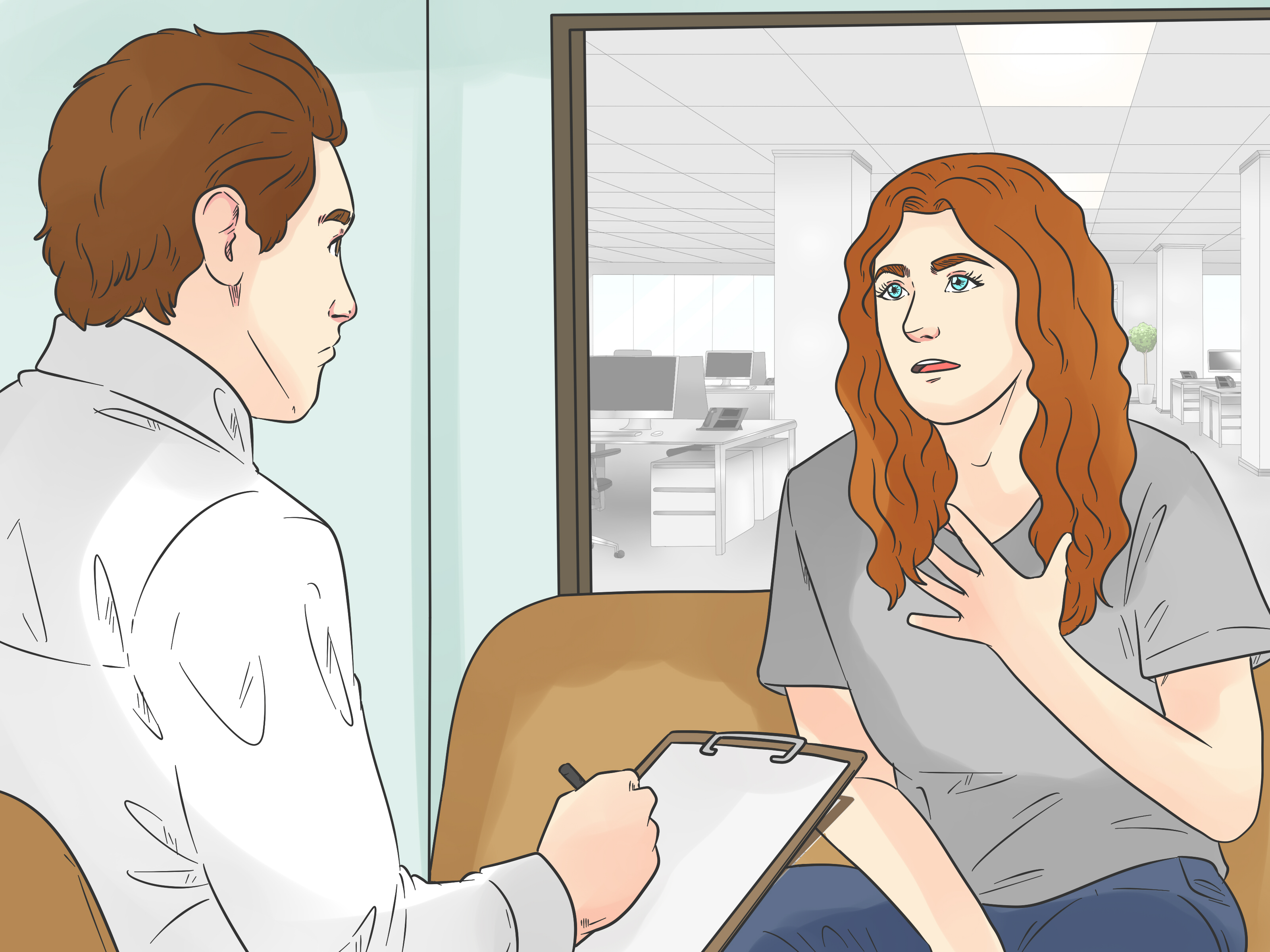
Some betrayals are too heavy to process alone, especially if they connect to childhood wounds, long-term manipulation, financial harm, abandonment, family secrets, or ongoing emotional abuse. Therapy can help you untangle what happened, reduce self-blame, build boundaries, and decide how to move forward.
Helpful approaches may include cognitive behavioral therapy, trauma-informed therapy, narrative therapy, family systems work, or support groups. The right professional can help you turn a painful experience into a coherent story, rather than a storm that keeps replaying in your mind.
Seeking help does not mean you are weak. It means you are done letting an old wound run the meeting.
11. Redefine Family on Healthier Terms
Healing from family betrayal may lead you to rethink what family means. Some relationships can be repaired with accountability and time. Others may need distance, limited contact, or no contact. You are allowed to choose emotional safety over family tradition.
Family can include relatives, but it can also include friends, mentors, partners, neighbors, chosen community, and people who show up consistently. Love is not proven by shared DNA alone. It is proven by respect, honesty, care, and the ability to take responsibility when harm occurs.
You do not have to erase your history to create a better future. You can honor what was good, grieve what was painful, and build a life where trust is earned instead of assumed.
How to Start the Healing Process Today
If you are still in the raw stage, do not pressure yourself to have a complete plan. Start with one stabilizing action. Write down what happened. Call a supportive person. Take a walk. Block a conversation thread for the night. Schedule therapy. Say no to a family event that feels unsafe. Put your phone down before you reread the same painful message for the 47th time like it is going to grow a kinder ending.
Healing is not a straight road. Some days you will feel strong and clear. Other days, a song, smell, holiday, or random family photo may knock the wind out of you. That does not mean you are back at the beginning. It means grief moves in waves.
Be patient with yourself. You are not only recovering from what happened; you may also be grieving the version of the relationship you thought you had. That kind of grief deserves tenderness.
Common Mistakes to Avoid After Family Betrayal
Trying to Win Over Everyone
Some relatives may pressure you to keep the peace, especially if your boundary disrupts the family’s favorite hobby: pretending nothing is wrong. You do not need a unanimous vote to protect yourself.
Oversharing with Unsafe People
When you are hurt, you may want validation from anyone who will listen. Choose carefully. Not every listener is safe, and not every relative deserves the full director’s cut of your pain.
Confusing Distance with Cruelty
Taking space can be an act of wisdom. You can love someone and still recognize that close access to you is not healthy right now.
Waiting for Closure from the Person Who Hurt You
Closure may come from an apology, but it may also come from your own decision to stop chasing explanations from someone committed to misunderstanding you.
Experiences That Often Come with Family Betrayal
Many people describe family betrayal as a strange mix of heartbreak and confusion. One moment they are furious; the next, they are wondering whether they miss the person who hurt them. That emotional back-and-forth can feel embarrassing, but it is incredibly common. Family bonds are layered. You can be angry at someone and still remember the time they helped you move, made you soup, or cheered for you at a school event. Healing does not require pretending the relationship was all bad. It requires being honest that something bad happened.
Another common experience is feeling like the family system wants you to move faster than your heart can move. Maybe relatives say, “That is just how your mother is,” or “Your brother did not mean it,” or “You know how your uncle gets.” These phrases can sound small, but they often protect the person who caused harm while leaving the hurt person carrying the emotional bill. Over time, this can make you question your own reality. A helpful reminder is this: understanding someone’s behavior is not the same as excusing its impact.
Some people also feel pressure around holidays, birthdays, weddings, graduations, funerals, or family traditions. These moments can turn into emotional obstacle courses. You may wonder where to sit, who will bring it up, who knows what, and whether you can make it through dinner without someone saying, “Can we all just be positive?” Positivity is lovely. Forced positivity is emotional duct tape. Before family events, it helps to create a plan: decide how long you will stay, who you can call, what topics are off-limits, and what your exit line will be if things become unhealthy.
There is also the quiet grief of realizing a family member may never become the person you needed them to be. That grief can be heavy because it is not only about the betrayal. It is about the dream of being understood, protected, chosen, or defended. Letting go of that dream can feel like losing something real, even if it never fully existed. Give yourself permission to mourn it.
Over time, many people discover that healing makes them more selective in a good way. They stop explaining themselves to people who are committed to twisting their words. They stop confusing guilt with responsibility. They stop treating family loyalty as a blank check. Slowly, they begin to build relationships where honesty is normal, apologies are real, and love does not require self-abandonment.
The experience of family betrayal may always be part of your story, but it does not have to be the title of your life. You can become wiser without becoming bitter, softer without becoming naive, and stronger without building a wall so high that nobody kind can reach you. The goal is not to become untouched by pain. The goal is to become deeply rooted in your own worth, even when someone else failed to honor it.
Conclusion: Healing Is Not Betrayal, Too
When someone in your family betrays you, choosing yourself can feel uncomfortable at first. You may worry that boundaries make you cold, distance makes you disloyal, or healing means giving up on the relationship. But caring for your emotional health is not a betrayal of your family. It is a commitment to your own life.
Start with honesty. Let yourself feel. Protect your peace. Seek support. Watch behavior, not just words. Forgive only if and when it serves your healing. Most importantly, remember that betrayal may explain your pain, but it does not define your future.
You are allowed to heal at your own pace. You are allowed to rebuild trust carefully. You are allowed to create a life where love and safety finally sit at the same table.