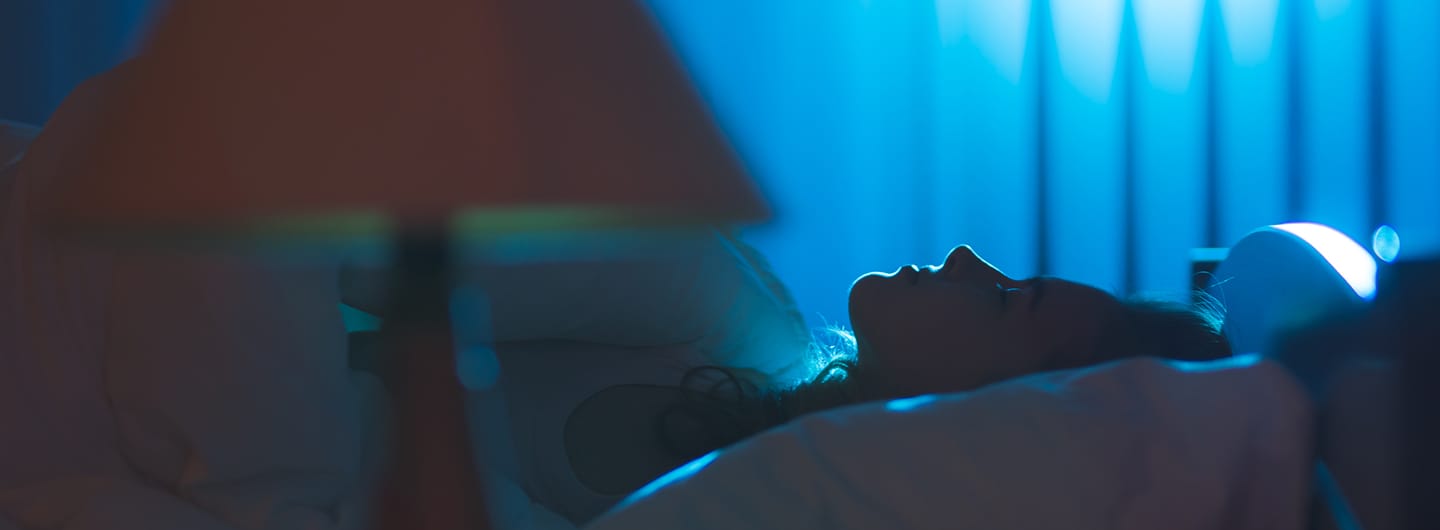
Sleep problems have many villains: stress, caffeine, noisy neighbors, late-night scrolling, a mattress that feels like it was designed by medieval furniture makers, and yeslight. More specifically, badly timed light. That is where smart bulbs enter the bedroom like tiny glowing life coaches, promising to dim, warm, brighten, change color, follow schedules, and gently wake you up without the emotional violence of a 6:30 a.m. alarm tone.
But are smart bulbs really the answer to your sleep problems, or are they just regular bulbs wearing a tech hoodie? The honest answer is: they can help, but they are not magic. A smart bulb will not erase anxiety, cure insomnia overnight, or stop you from watching “just one more episode” until your brain files a formal complaint. However, when used correctly, smart lighting can support better sleep hygiene by helping your body receive clearer day-night signals.
The key idea is simple: your body is not just listening to your bedtime. It is watching your lighting. Bright, cool-toned light late at night can tell your brain, “Good morning, let’s do taxes!” while dim, warm light can quietly say, “Nothing exciting is happening here; please power down.” Smart bulbs give you more control over that message.
How Light Affects Sleep: The Science Without the Lab Coat
Your sleep-wake cycle is guided by your circadian rhythm, an internal 24-hour clock that responds strongly to light and darkness. Morning light helps your brain understand that the day has started. Darkness in the evening helps your body prepare for sleep, partly by supporting the natural release of melatonin, a hormone involved in sleep timing.
The problem is that modern homes are full of artificial light. Ceiling lights, bathroom lights, TVs, tablets, laptops, phones, refrigerators that glow like tiny supermarketsyour eyes are surrounded. Your brain may know it is bedtime, but your lighting may be shouting, “Conference room at noon!”
Why Blue Light Gets So Much Blame
Blue light is not evil. In fact, during the day, blue-rich light can be useful because it supports alertness and helps reinforce your circadian rhythm. The trouble begins when blue-rich or bright white light shows up too close to bedtime. Evening exposure to bright artificial light can delay the body’s sleep signals and make it harder to fall asleep.
This is why sleep experts often recommend reducing screen exposure and lowering light levels before bed. It is not only about the color of the light; brightness, timing, duration, and distance from your eyes all matter. A dim warm lamp across the room is very different from a bright phone six inches from your face while you investigate whether raccoons can open sliding doors.
What Smart Bulbs Actually Do
Smart bulbs are LED bulbs that connect to an app, voice assistant, hub, or home automation system. Depending on the model, they may allow you to dim brightness, change color temperature, shift between warm and cool white, create routines, set timers, or simulate sunrise and sunset.
The most sleep-friendly feature is not the ability to turn your bedroom neon purple. Fun? Yes. Sleep science? Not exactly. The real value is control. A smart bulb can automatically become dimmer and warmer at night, then brighter and cooler in the morning. That pattern better matches the natural light-dark cycle your body expects.
Color Temperature: The Number That Matters
Light color appearance is often measured in Kelvin. Lower numbers, such as 1800K to 2700K, look warm, amber, or candle-like. Higher numbers, such as 4000K to 6500K, look cooler, whiter, or more daylight-like. For evening use, warm and dim light is usually the better choice. For morning and daytime productivity, brighter and cooler light can be more useful.
If your bedroom bulb is stuck at a harsh, cool white setting, it may be doing the lighting equivalent of clapping loudly next to your pillow. A tunable smart bulb lets you soften that environment without buying five different lamps and turning your nightstand into a hardware store.
Can Smart Bulbs Help You Fall Asleep Faster?
Smart bulbs may help you fall asleep faster if your current lighting routine is working against you. For example, if you keep bright overhead lights on until the moment you get into bed, your brain may not get enough gradual evening cues. A smart bulb can start dimming an hour or two before bedtime, making the transition feel natural.
Think of it as a runway for sleep. Instead of slamming from full brightness to total darkness, your room slowly shifts into a calmer state. This can pair well with other sleep habits: reading a paper book, stretching gently, taking a warm shower, listening to quiet music, or doing a low-stimulation bedtime routine.
However, smart bulbs are not a standalone treatment for chronic insomnia. If sleep problems last for weeks, affect school or work, or come with loud snoring, breathing pauses, severe daytime sleepiness, anxiety, depression, or other health concerns, it is smart to talk with a qualified healthcare professional. A better bulb cannot diagnose sleep apnea, stress, medication effects, or medical conditions.
The Best Smart Bulb Settings for Better Sleep
The best settings depend on your schedule, room, and sensitivity to light, but the basic idea is consistent: bright light earlier, dim warm light later, darkness during sleep.
Evening Routine: Dim and Warm
About 60 to 120 minutes before bed, set bedroom and living room lights to a warmer tone. A range around 1800K to 2700K often feels more relaxing than crisp white light. Keep brightness low enough that the room feels calm but still safe to move around in. The goal is not to live like a cave poet; it is to remove the “daytime” signal from your home.
Avoid bright overhead lights during this window when possible. Lamps are usually better than ceiling lights because they produce less intense light near eye level. If you need to use the bathroom at night, a very dim warm or red-toned night light is usually less disruptive than flipping on a bright vanity light that makes you question every life decision.
Morning Routine: Bright and Consistent
In the morning, a smart bulb can gradually brighten over 15 to 30 minutes to simulate sunrise. This is especially helpful in winter, in rooms without much natural light, or for people who wake before dawn. Morning brightness can make waking feel less abrupt and can help reinforce a stable schedule.
Still, smart bulbs should not replace real daylight when you can get it. Morning outdoor light is powerful because it is much brighter than typical indoor lighting. Even a cloudy morning can provide a stronger circadian signal than sitting under a dim indoor lamp. Smart bulbs are a helpful assistant, not the sun’s understudy with a perfect résumé.
Smart Bulbs vs. Regular Bulbs: Is the Upgrade Worth It?
Regular warm LED bulbs can absolutely support better sleep if you use them wisely. You do not need smart bulbs to create a calmer bedroom. A simple warm, dimmable lamp used consistently at night can make a big difference.
Smart bulbs become more useful when you want automation. If you forget to dim the lights, the bulb remembers. If your schedule is consistent, routines can happen without effort. If you share a home with people who treat every light switch like a stadium control panel, automated settings can restore peace.
| Feature | Regular Warm LED Bulb | Smart Bulb |
|---|---|---|
| Warm evening light | Yes, if selected correctly | Yes, adjustable by app or routine |
| Dimming | Only with compatible dimmer | Usually built into app controls |
| Automatic bedtime schedule | No | Yes |
| Sunrise wake-up | No | Often available |
| Cost | Usually lower | Usually higher |
Where Smart Bulbs Help Most
Smart bulbs are most helpful in three situations. First, they help people who keep inconsistent lighting habits. If your bedtime routine changes every night, automation can bring structure. Second, they help people who wake up before sunrise or struggle with dark mornings. Third, they help households where bright evening lighting is the default.
They are also useful for children’s rooms, guest rooms, dorm rooms, apartments, and small bedrooms where one or two lamps control the entire atmosphere. A single smart bulb in a bedside lamp can be enough to create a bedtime wind-down routine.
Example: A Simple Sleep-Friendly Lighting Schedule
Here is a practical schedule for someone who wants to sleep at 10:30 p.m. and wake at 6:30 a.m. At 8:30 p.m., set lights to warm white at 40 percent brightness. At 9:30 p.m., shift to extra warm at 20 percent. At 10:15 p.m., dim to 5 percent or turn off. At 6:15 a.m., begin a gradual sunrise routine, reaching a brighter setting by 6:30 a.m.
This routine works because it uses light as a cue. It does not force sleep. It invites sleep politely, like a tiny glowing butler.
Common Mistakes People Make With Smart Bulbs
The first mistake is buying a colorful smart bulb and then blasting bright blue light at midnight because it looks “cool.” It does look cool. Your circadian rhythm may disagree strongly.
The second mistake is focusing only on color and ignoring brightness. A warm bulb at maximum brightness can still be too stimulating late at night. Dimness matters. Your evening room should feel soft, not like a boutique hotel lobby trying to sell you a $19 bottle of water.
The third mistake is expecting instant results. Sleep routines work through consistency. Using a smart bulb once and declaring it useless is like eating one salad and wondering why you are not suddenly a fitness influencer.
The fourth mistake is ignoring screens. If your smart bulb is perfectly warm but your phone is glowing in your face for two hours, the bulb is not the main character anymore. Reduce screen brightness, use night settings, and give yourself a screen cutoff when possible.
What to Look for When Buying Smart Bulbs for Sleep
Choose bulbs that offer tunable white light, not just fixed colors. Look for a wide color temperature range, strong dimming control, reliable scheduling, and compatibility with your phone or smart home system. For bedrooms, you usually do not need extremely bright bulbs. A bulb around 800 lumens is common for general use, but dimming ability is more important at night.
Also check whether the bulb requires a hub or connects directly through Wi-Fi, Bluetooth, Matter, Zigbee, or another system. A reliable setup matters because nothing ruins a peaceful bedtime like arguing with an app named “HomeSync Pro Cloud Plus” while standing in the dark.
Bedroom Setup Tips
Use smart bulbs in lamps rather than relying only on overhead fixtures. Place lights lower and farther from your eyes when possible. Use blackout curtains if outdoor light enters your bedroom. Keep the actual sleep period as dark as you comfortably can. If you need a night light for safety, make it dim and warm.
Smart bulbs can also pair with other smart devices, such as motion sensors. For example, a hallway light can turn on at very low brightness if you get up at night. That is better than stepping into a fully lit hallway and feeling as if airport security has personally selected you for inspection.
Are Smart Bulbs Better Than Sunrise Alarm Clocks?
A sunrise alarm clock is designed specifically to wake you gradually with light. A smart bulb can do something similar if it supports gradual brightening. The better option depends on your room. If your bedside lamp points toward your face and the bulb has smooth sunrise settings, a smart bulb may work well. If your lamp is across the room, blocked by furniture, or too weak, a dedicated sunrise lamp may be more effective.
For waking, brightness matters. A tiny lamp hidden behind a stack of books will not create much of a sunrise effect, unless your books are very emotionally supportive.
Do Smart Bulbs Help With Staying Asleep?
Smart bulbs may help indirectly by keeping your sleep environment darker and reducing disruptive nighttime light. For example, instead of turning on a bright light during a midnight trip to the bathroom, you can use a dim red or amber setting. This may make it easier to return to sleep.
But if you wake often because of stress, pain, pets, noise, temperature, alcohol, late caffeine, irregular sleep timing, or an underlying sleep disorder, lighting is only one piece of the puzzle. A good sleep plan usually includes regular wake time, daytime light exposure, physical activity, a cool and dark room, and a calmer pre-bed routine.
The Verdict: Are Smart Bulbs the Answer?
Smart bulbs are not the answer to sleep problems, but they can be a very good part of the answer. Their biggest advantage is that they make healthy lighting habits easier. Instead of relying on willpower every night, you can set a routine once and let the bulb do the remembering.
If your bedroom lighting is bright, cool, and chaotic, a smart bulb may help you create a more sleep-friendly environment. If your morning routine is dark and miserable, a sunrise schedule may make waking smoother. If your sleep problems are serious or ongoing, though, do not expect a bulb to solve what may require professional support.
In short, smart bulbs are like a helpful assistant for your circadian rhythm. They will not tuck you in, read you a bedtime story, or confiscate your phone. But they can dim the room, warm the glow, and give your brain better signals. For a small gadget screwed into a lamp, that is not bad.
Personal Experience: What It Feels Like to Use Smart Bulbs for Sleep
The first thing many people notice after switching to smart bulbs is not better sleep immediately. It is how aggressive their old lighting felt. A bedroom with cool white overhead lighting can feel normal until you replace it with warm, dim light. Suddenly the old setup seems less like a cozy room and more like a dentist’s office where the dentist is running late.
A practical experience-based routine usually starts with one lamp. You do not need to smart-light the entire house like a futuristic spaceship. Put one tunable smart bulb in a bedside lamp. Set it to a bright neutral white in the morning and a warm dim tone in the evening. After a few nights, the room may begin to feel more predictable. That predictability matters because sleep loves boring routines. Sleep is not impressed by drama.
One useful trick is creating a “wind-down” scene. At a fixed time, the light shifts to a warm amber tone and dims to about 25 percent. This visual cue becomes a reminder: finish homework, stop answering non-urgent messages, wash up, and let the day land. It is less bossy than an alarm and more noticeable than a vague promise to “sleep earlier tonight,” which, historically, has fooled many of us.
Another helpful experience is using gradual morning brightness. Instead of waking from total darkness to a loud alarm, the room slowly brightens. This does not make everyone leap out of bed singing. Let us be reasonable. But it can reduce that startled, confused feeling that happens when an alarm yanks you out of sleep. On dark winter mornings or in rooms with poor natural light, this can feel especially useful.
Smart bulbs also reveal how much bedtime behavior matters. If the light is warm and dim but you are still scrolling, gaming, snacking heavily, and debating strangers online at midnight, the bulb has limited power. It is a tool, not a tiny therapist. The best results usually come when smart lighting supports a bigger routine: consistent wake time, less screen brightness at night, a cooler room, and a clear “done for the day” signal.
There are also minor annoyances. Some apps are clunky. Some bulbs disconnect. Some voice assistants misunderstand commands and turn the room bright white at the worst possible moment, as if your lamp has chosen violence. That is why simple routines are better than complicated setups. The fewer steps between you and sleep, the better.
The most realistic benefit is comfort and consistency. A smart bulb makes it easier to repeat the same lighting pattern every night. Over time, that pattern can become part of your sleep routine. The room feels calmer, the transition to bed feels less abrupt, and mornings may feel a little less rude. Is it a miracle? No. Is it a practical upgrade for many people? Absolutely.
Conclusion
Smart bulbs can help with sleep problems when the problem is partly caused by poor lighting habits. They work best by reducing bright evening light, warming the bedroom atmosphere, creating predictable routines, and supporting gentler wake-ups. They are not a cure for chronic insomnia or medical sleep disorders, but they are a smart, affordable, and low-effort way to improve your sleep environment.
The best approach is simple: use bright light earlier in the day, dim warm light before bed, keep your room dark during sleep, and use automation to stay consistent. Your future sleepy self may thank youquietly, because it is finally resting.
Note: This article is for general educational content and should not replace medical advice. If sleep problems are severe, persistent, or affecting daily life, consult a qualified healthcare professional.