Nail glue is tiny, dramatic, and strangely powerful. One minute you are fixing a press-on nail like a beauty genius; the next, a shiny drop lands on your jeans, blouse, hoodie, or favorite “I was totally planning to wear this today” outfit. The good news? A nail glue stain does not automatically mean your clothing is doomed to the rag pile. With patience, the right tools, and a little stain-removal strategy, you can often loosen, lift, and wash away the glue without making the fabric look like it survived a science experiment.
This guide explains easy ways to get nail glue off of clothes using eight practical steps. Nail glue is usually a cyanoacrylate adhesive, similar to super glue, which means it bonds quickly and hardens fast. That is why the usual “panic scrub” method does not work. In fact, rubbing wet glue can spread it deeper into the fibers. Instead, you want to let the glue harden, test your fabric, soften the adhesive carefully, and wash the garment the smart way.
Before you start, remember one golden rule: not every fabric can handle the same treatment. Cotton denim may tolerate acetone, while acetate, triacetate, modacrylic, some delicate synthetics, and dyed fabrics may not. When in doubt, test first or take the garment to a professional cleaner. Your shirt may forgive you for spilling glue; it may not forgive you for attacking it with the wrong solvent like an overconfident laundry wizard.
What You Need Before Removing Nail Glue from Clothes
Gathering supplies first makes the process easier and safer. You do not need a laboratory, a magic wand, or a subscription to a stain-removal fan club. Most items are common household basics.
Helpful Supplies
- Acetone-based nail polish remover or pure acetone
- Cotton swabs or cotton balls
- A dull butter knife, spoon edge, or plastic scraper
- Clean white cloths or paper towels
- Liquid laundry detergent
- A soft toothbrush
- Cold water
- A clean towel to place under the stain
- Optional: stain remover, white vinegar, or rubbing alcohol for gentler alternatives
Use white cloths if possible because colored towels can transfer dye when combined with solvents. Also, work in a well-ventilated area when using acetone. Acetone evaporates quickly and is flammable, so keep it away from heat, candles, and open flames.
Step 1: Let the Nail Glue Dry Completely
Your first instinct may be to wipe the glue immediately. Resist. Fresh nail glue is sticky, fast-moving trouble. If you rub it while wet, you may smear it across a larger area or push it deeper into the weave of the fabric.
Instead, place the garment on a flat surface and let the glue dry completely. This usually takes a few minutes, depending on how much glue spilled. If the glue is thick, give it more time. The goal is to turn the glue from a sticky blob into a firm spot that can be gently scraped.
If the glue has soaked through a thin fabric, place a clean cloth or paper towel underneath the stained area while it dries so it does not bond to another part of the garment. For example, if nail glue drips onto a T-shirt, slide a towel inside the shirt between the front and back layers. This prevents the glue from creating a very unwanted two-sided fashion statement.
Step 2: Check the Fabric Care Label
Before reaching for acetone, check the garment’s care label. This step is small but important. Acetone can help break down nail glue, but it can also damage certain fabrics. It may dissolve acetate, triacetate, and modacrylic fibers. It can also cause fading or color bleeding on some dyed materials.
If the label says “dry clean only,” pause before treating the stain at home. A professional cleaner is usually the safer choice, especially for silk, wool, rayon blends, embellished fabrics, formalwear, or expensive garments. If the item is casual cotton, denim, or a sturdy washable fabric, you can usually continue with careful testing.
Think of the care label as the garment’s tiny instruction manual. It may not be exciting reading, but it can save your clothes from a tragic laundry plot twist.
Step 3: Gently Scrape Off Excess Dried Glue
Once the glue is fully dry, gently remove as much of the hardened glue as possible. Use the edge of a spoon, a dull butter knife, or a plastic scraper. Work slowly from the outside of the glue spot toward the center.
Do not dig into the fabric. You are trying to lift glue, not carve a sculpture. Scraping too aggressively can damage fibers, create fuzzing, or leave a lighter worn patch. If the glue does not move easily, stop and move to the next step.
For thick drops, you may be able to chip away the top layer. For thin smears, you might only remove a little. That is fine. Even removing a small amount helps the solvent or detergent reach the remaining adhesive more effectively.
Step 4: Test Acetone on a Hidden Area
Acetone is one of the most common solutions for removing nail glue from clothes because it can weaken the adhesive bond. However, it should never be applied blindly. Choose a hidden area of the garment, such as an inside seam, hem, or tucked-in section. Dab a small amount of acetone with a cotton swab and wait a few minutes.
Check for problems such as:
- Color transfer onto the cotton swab
- Fading or discoloration
- Fabric softening, melting, or distortion
- A shiny mark where the acetone touched
If the fabric reacts badly, do not use acetone on the stain. Skip to the gentler methods later in this article or take the garment to a cleaner. If the hidden test area looks unchanged, you can carefully use acetone on the glue.
Step 5: Dab the Nail Glue with Acetone
Place the stained area face down on a clean white towel or cloth. Dip a cotton swab or cotton ball into acetone-based nail polish remover. Dab the back of the stain first so the glue loosens away from the fabric rather than being pushed deeper.
Use a light tapping motion. Do not pour acetone directly onto the clothing, and do not scrub hard. As the glue softens, you may notice white flakes, small gummy pieces, or a rough patch beginning to loosen. Replace the towel underneath as glue transfers onto it.
Work slowly in small rounds. Dab, wait, blot, and gently scrape. Repeat until the hardened glue becomes softer and easier to lift. This may take several minutes. Nail glue is stubborn; it did not come to the fabric party to leave early.
Step 6: Rinse and Apply Liquid Laundry Detergent
After the glue has softened and you have removed as much as possible, rinse the area with cold water. Cold water is generally the safest starting point for stain treatment because it is less likely to set stains or shrink delicate washable fabrics.
Next, apply a small amount of liquid laundry detergent directly to the remaining mark. Gently work it into the fabric with your fingers or a soft toothbrush. Let it sit for 10 to 15 minutes. This gives the detergent time to loosen residue from the fibers.
If the fabric is sturdy, such as denim or cotton canvas, you can brush lightly. If the fabric is thin or delicate, use your fingers instead. A gentle touch is better than an aggressive scrub. Remember, the goal is clean clothing, not a fabric stress test.
Step 7: Wash the Garment According to the Care Label
Wash the garment according to the care label instructions. Use your regular laundry detergent and the recommended water temperature for that fabric. If the clothing is delicate, use a gentle cycle. If it is a sturdy item, a normal cycle may be fine.
Wash the stained garment separately or with similar items. This helps prevent any loosened glue or solvent residue from transferring to other clothing. It also gives you a better chance to inspect the treated area after washing.
Do not add the garment to a hot dryer immediately after washing. Heat can set remaining adhesive residue, making it harder to remove. This is one of the biggest mistakes people make with glue stains. The dryer may be great for fluffy towels, but it is not your friend when a stain is still hanging around.
Step 8: Air-Dry and Repeat if Needed
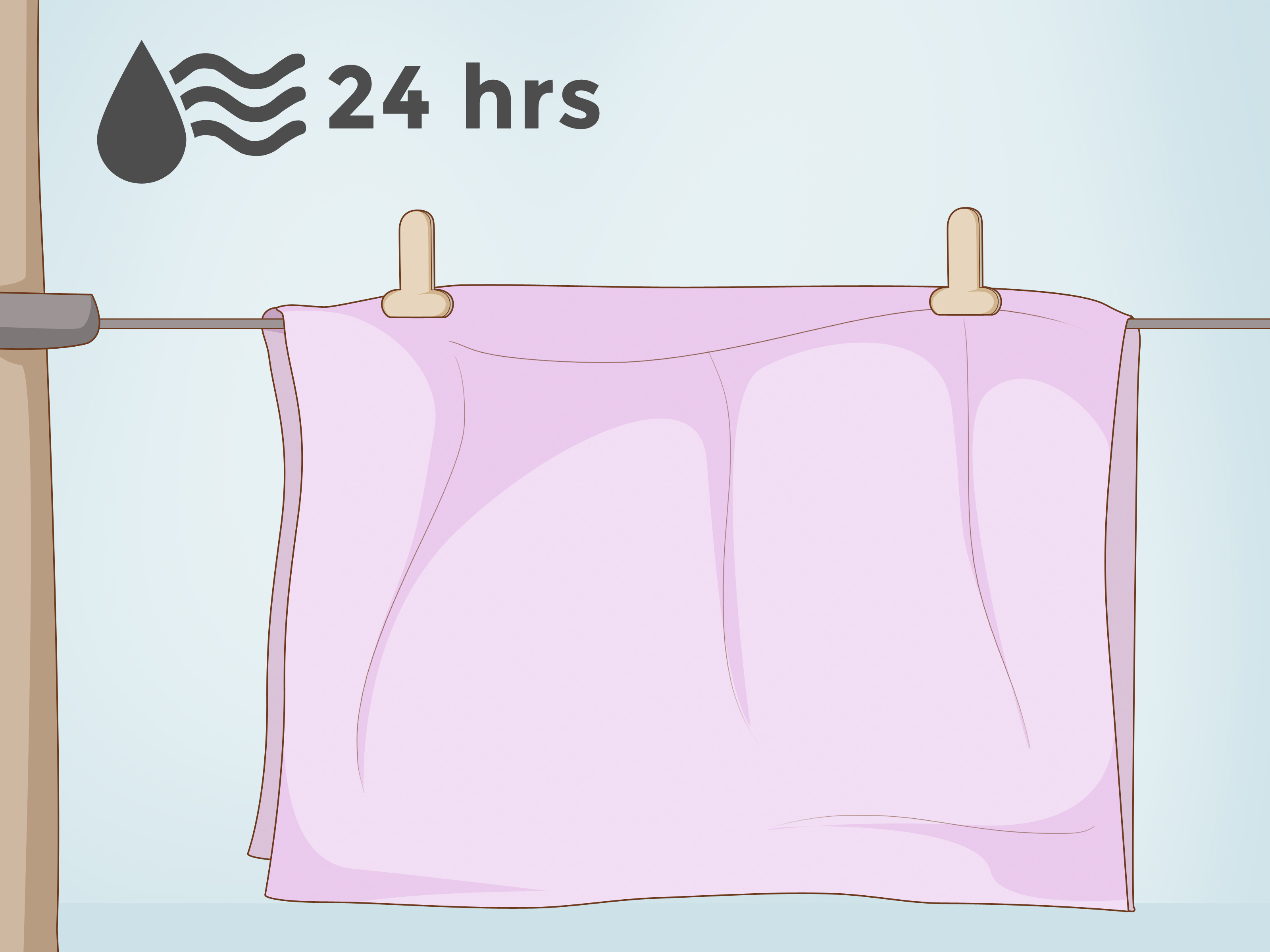
After washing, air-dry the garment. Once it is dry, inspect the stained area in good light. If you still see or feel glue, repeat the acetone treatment, detergent pre-treatment, and washing process.
Some nail glue stains need more than one round, especially if the glue was thick or had time to cure deeply into the fibers. Be patient. It is better to repeat a careful process than to damage the clothing by rushing.
If the stain remains after several attempts, or if the fabric looks fragile, consider taking it to a professional cleaner. Some glue spots can be reduced but not completely removed, especially on delicate fabrics or heavily dyed clothing.
Gentler Alternatives When Acetone Is Not Safe
Acetone is effective, but it is not always suitable. If your fabric fails the spot test or the care label warns against harsh treatment, try a gentler method.
Soapy Cold Water Soak
Mix cold water with a small amount of liquid laundry detergent. Soak the stained area for 30 minutes or longer, then gently rub the fabric between your fingers. This may help soften lighter glue residue, especially if the glue has not fully bonded.
White Vinegar Method
White vinegar may help loosen some adhesive residue, although it is usually less powerful than acetone on nail glue. Dab diluted white vinegar onto the stain, let it sit briefly, then gently blot and rinse. Always test first, especially on colored fabrics.
Rubbing Alcohol Test
Rubbing alcohol can sometimes help with sticky residue, but it may not dissolve hardened nail glue as effectively as acetone. Test it on a hidden seam before using it on the stain.
Professional Cleaning
For silk, wool, acetate, vintage clothing, suits, formal dresses, or expensive garments, professional cleaning is often the smartest option. A cleaner can evaluate the fabric and choose a treatment that reduces damage risk.
What Not to Do When Removing Nail Glue from Clothes
Sometimes avoiding the wrong move matters as much as doing the right one. Nail glue can be unforgiving if handled too aggressively.
- Do not rub wet glue. It can spread and sink deeper into fibers.
- Do not use acetone without testing. Some fabrics can melt, fade, or weaken.
- Do not use a sharp knife. You may cut the fabric or damage the weave.
- Do not put the garment in the dryer until the stain is gone. Heat can set residue.
- Do not mix cleaning chemicals. More products do not always mean better results.
- Do not ignore the care label. It is there for a reason.
How to Remove Nail Glue from Different Types of Clothing
Cotton Shirts
Cotton is often easier to treat than delicate fabrics, but it can still hold glue tightly. Let the glue dry, scrape gently, test acetone, dab carefully, rinse, pre-treat with detergent, and wash. Avoid using too much force, especially on thin cotton tees.
Jeans and Denim
Denim is sturdy, which makes it a good candidate for careful acetone treatment. However, dark denim may bleed dye, so spot testing is still necessary. Work from the back of the stain and avoid soaking a large area with acetone.
Polyester and Blends
Polyester blends can be tricky. Some may tolerate brief contact with acetone, while others may discolor or weaken. Test carefully. If acetone is unsafe, use detergent soaking and gentle scraping instead.
Silk, Wool, and Delicates
Do not experiment aggressively with delicate fabrics. Silk and wool can be damaged by harsh solvents and friction. Blot gently, avoid scraping hard, and consider professional cleaning.
Black Clothing
Dark clothing can show fading quickly. Always test acetone in a hidden area. Use small amounts, dab carefully, and rinse thoroughly. If the glue mark is small, patience is better than a big solvent splash.
How to Prevent Nail Glue Stains in the Future
The easiest glue stain to remove is the one that never happens. When using nail glue, protect your clothing before opening the tube.
- Wear an old T-shirt or robe when applying press-on nails.
- Place a towel over your lap or work surface.
- Open the glue slowly and point the nozzle away from clothing.
- Use a tiny amount of glue; more is not always better.
- Keep cotton swabs nearby for quick cleanup around nails.
- Close the glue cap tightly after each use.
Nail glue is small but mighty. A little preparation can keep it on your nails where it belongs, not on your favorite outfit where it starts acting like it pays rent.
Extra Experience: Real-Life Lessons from Nail Glue Clothing Mishaps
Anyone who has used nail glue more than once knows the experience can go from glamorous to chaotic very quickly. One common scenario is the “just one quick nail” situation. You are dressed, ready to leave, and one press-on nail pops loose. You grab the glue, squeeze the tube, and suddenly a drop lands on your sleeve. The first lesson: never fix nails over clothes you care about. Nail glue has perfect aim when you are in a hurry.
Another lesson is that patience works better than panic. Many people instinctively grab a napkin and wipe the glue right away. That often makes the stain wider and flatter, turning one small dot into a shiny patch. Letting the glue dry may feel wrong at first, but it gives you a better chance to scrape off the excess cleanly. It is one of those rare moments in cleaning where doing nothing for a few minutes is actually productive.
Testing acetone is also a lesson people usually learn after one unfortunate mistake. A sturdy white cotton shirt might handle acetone beautifully, while a bright synthetic blouse might lose color or texture. The hidden-seam test may seem annoying, but it is much less annoying than creating a pale circle around the stain. When treating clothes, confidence is useful; overconfidence is how laundry villains are born.
Dark denim is another interesting case. Nail glue can sit on top of denim like a hard little shell. With careful scraping and a tiny amount of acetone, it may lift surprisingly well. However, some black or indigo jeans can transfer dye onto the cotton swab during testing. If that happens, switch to a gentler approach and avoid rubbing. A faded spot on jeans may look stylish when it is intentional, but random acetone art is not always runway-ready.
People also discover that repeated light treatments are better than one dramatic treatment. Soaking a stain in acetone or attacking it with a brush may seem efficient, but it can weaken fibers or spread the mark. A better rhythm is dab, wait, blot, scrape gently, rinse, and repeat. It is not glamorous, but neither is explaining why your hoodie now has a crunchy glue badge on the front.
For delicate garments, the best experience-based advice is simple: do less. If nail glue lands on silk, wool, embellished fabric, or anything expensive, avoid turning your laundry room into a chemistry class. Remove any loose dried glue gently and take the item to a professional cleaner. The cost of cleaning is often lower than the cost of replacing the garment.
Finally, prevention becomes second nature after one glue incident. Keep a towel under your hands, wear old clothes, and apply nail glue at a table instead of on the couch, bed, or car seat. Nail glue is useful, but it behaves like it has a secret mission to bond with everything except the nail you were aiming for. A little setup keeps your manicure pretty and your clothes safe.
Conclusion
Getting nail glue off clothes is possible when you use the right method. Let the glue dry, scrape gently, check the care label, test acetone, dab carefully, rinse, pre-treat with detergent, wash, and air-dry before deciding whether to repeat. The key is patience. Nail glue forms a strong bond, so rushing can spread the stain or damage the fabric.
For washable cotton and denim, acetone can be very helpful when tested first. For delicate fabrics, dark dyes, acetate blends, or dry-clean-only clothing, a gentler method or professional cleaner is safer. Above all, never toss a still-stained garment into the dryer. Heat can make the remaining glue harder to remove.
The next time nail glue lands on your clothes, do not panic. Treat it like a tiny laundry puzzle: slow moves, smart tools, and no dramatic scrubbing. Your outfit has a much better chance of survivingand your manicure can still look fabulous.