Note: This article synthesizes practical friendship, communication, and mental-health support guidance from reputable U.S. health and relationship resources, including public health, psychology, and mental wellness organizations.
Distance is rude. One day your best friend is close enough to steal fries from your plate, and the next day they live three time zones away, replying to your dramatic voice notes while making breakfast. Still, being far apart does not mean being emotionally unavailable. In fact, long-distance friendship can become surprisingly strong when both people learn how to show up with intention, humor, and a little creativity.
If your friend is sad, stressed, lonely, homesick, burned out, or simply having one of those “I would like to resign from adulthood” weeks, you can help. You do not need a private jet, a poetry degree, or the budget for a luxury gift basket shaped like a swan. The best ways to cheer up a friend who lives far away are often simple: listen well, check in consistently, send small reminders of love, and make them feel less alone in their regular, messy, snack-filled life.
Below are 11 simple, realistic, and meaningful ways to cheer up a long-distance friendwithout sounding like a motivational poster in a dentist’s office.
Why Long-Distance Friendship Support Matters
Human connection is not just a nice extra, like whipped cream on coffee. It is part of emotional well-being. Supportive friendships can help people cope with stress, feel a stronger sense of belonging, and get through difficult seasons with more resilience. When someone is physically far away from their favorite people, even a small reminder that they are remembered can make a heavy day feel a little lighter.
The key is not to “fix” your friend. Most people do not want a five-step life audit when they are sad. They want to feel heard, understood, and loved. A thoughtful message, a goofy meme, or a scheduled video call can say, “You are not alone,” which is sometimes exactly what the heart needs to hear.
11 Simple Ways to Cheer Up a Friend Who Lives Far Away
1. Send a Message That Feels Personal, Not Generic
A simple text can do a lot, but the best ones sound like you actually know the person. Instead of sending “Hope you’re okay,” try something warmer and more specific: “I know this week has been a lot. I just wanted to remind you that you are doing better than you think, and I am aggressively on your team.”
Personal messages work because they cut through the noise. Your friend may receive notifications all day, but a message that references their real lifean upcoming interview, a tough breakup, a lonely move, a stressful family situationfeels different. It feels like care with fingerprints on it.
You can also send a memory: “I just remembered the time we got lost for 40 minutes and pretended it was a scenic route. Still iconic.” Shared memories are emotional shortcuts. They remind your friend that they have a history, a support system, and at least one person who remembers their finest ridiculous moments.
2. Schedule a Low-Pressure Video Call
Video calls can be wonderful, but only if they do not feel like another appointment on a crowded calendar. Instead of saying, “We need to talk,” try, “Want to sit on FaceTime while we both do nothing productive?” That kind of invitation feels comforting, not intense.
A low-pressure call can be anything: drinking coffee together, folding laundry, cooking dinner, watching the same show, or simply talking while one of you lies under a blanket like a depressed burrito. The goal is not always deep conversation. Sometimes companionship is enough.
If your friend is emotionally exhausted, give them choices. Ask, “Do you want advice, distraction, or just someone to listen?” This tiny question can prevent accidental problem-solving when what they really need is a safe place to unload.
3. Send a Care Package With Small, Meaningful Items
A care package does not need to be expensive. In fact, the best ones often look like a collection of tiny inside jokes. Think tea bags, fuzzy socks, their favorite candy, a handwritten note, a mini candle, a funny sticker, a printed photo, or a book you think they would love.
The magic is in the message: “I know I can’t be there in person, so I sent a box of comfort.” That is much better than a random pile of items. Choose things that match your friend’s mood and personality. If they are overwhelmed, send cozy and calming items. If they are bored, send a puzzle, silly game, or snack ranking challenge. If they are homesick, send something from your city or a shared place you both love.
Add a note that says when to open it. For example: “Open this when your day is being personally rude.” Congratulations, you have now turned mail into emotional support.
4. Make Them a Custom Playlist
Music is a classic mood-shifter. A playlist can feel like a long-distance hug, especially when it is made with intention. You could create a “You’ve Got This” playlist, a “Cry First, Conquer Later” playlist, or a “Main Character Walking to Get Coffee” playlist.
Include songs that connect to memories, songs that match their taste, and songs that gently move the mood from heavy to hopeful. If your friend is sad, do not force instant cheerfulness. Sometimes the best emotional support playlist starts with “I see your sadness” and slowly builds toward “also, you are still powerful.”
For an extra personal touch, add a short message explaining why you included certain songs. It turns a playlist from background noise into a thoughtful gift.
5. Mail a Handwritten Letter
In the age of instant messages, a handwritten letter feels almost scandalously sincere. It says, “I sat down, found a pen that works, and chose to think about you for more than seven seconds.” That matters.
Your letter does not need to be dramatic. You can write about what you miss, what you admire about them, a favorite memory, or a simple reminder that you are proud of them. Be specific. “You are strong” is nice, but “I admire how you keep showing up for yourself even when things are uncertain” hits deeper.
If your handwriting looks like it was assembled during an earthquake, do not worry. That may even add charm. The point is presence. A physical letter can sit on a desk, fridge, nightstand, or mirror, quietly reminding your friend that someone cares.
6. Create a Shared Ritual
Long-distance friendships thrive on rituals. They give the relationship rhythm, and rhythm makes connection easier to maintain. You might start a Sunday voice-note tradition, a monthly movie night, a “send me your lunch” photo exchange, or a weekly check-in where you both rate your week from “peaceful garden” to “trash fire with Wi-Fi.”
Shared rituals work because they remove the pressure of constantly inventing ways to stay close. Instead of waiting until one of you misses the other badly, you create a built-in bridge.
Keep it simple. A ritual that requires three apps, a spreadsheet, and emotional stamina will collapse by Tuesday. The best friendship rituals are easy enough to continue even during busy weeks.
7. Send a Funny Meme, Voice Note, or Video
Never underestimate the healing power of a perfectly timed meme. Humor does not erase pain, but it can create a small pocket of relief. A silly video, dramatic pet photo, chaotic voice note, or “this reminded me of you” message can brighten a friend’s day without demanding a big emotional response.
Voice notes are especially powerful because they carry tone, warmth, and personality. Your friend can hear you laughing, rambling, or telling a ridiculous story about your grocery store experience. It feels more human than a text and less formal than a call.
Just be sensitive to timing. If your friend is grieving or dealing with something serious, humor can still help, but avoid jokes that dismiss their feelings. Think “I’m here with you, and also here is a raccoon stealing cat food” rather than “Cheer up already.”
8. Help With Something Practical From Afar
Cheering someone up is not always about making them laugh. Sometimes it is about reducing the weight they are carrying. If your friend is overwhelmed, ask whether you can help with something specific: researching moving companies, comparing meal delivery options, editing a resume, making a grocery list, finding a local therapist directory, or organizing a travel plan.
Specific offers are better than “Let me know if you need anything,” because a stressed person may not have the energy to assign tasks. Try: “Would it help if I looked up three options for that thing you mentioned?” or “I can stay on the phone while you clean your room for 20 minutes.”
Practical support says, “You do not have to do everything alone.” That can be deeply comforting, especially from far away.
9. Celebrate Small Wins Like They Are Major Awards
When a friend is struggling, small wins deserve confetti. Did they get out of bed? Answer an email? Cook a meal? Go for a walk? Survive a stressful meeting without turning into a haunted Victorian ghost? Celebrate it.
Send a message like, “That is not small. That is progress, and I am proud of you.” People often minimize their own efforts when they are having a hard time. Your encouragement can help them notice that they are still moving forward.
You can even create a playful reward system. For example, after five small wins, you send them a digital coffee gift card or a ridiculous certificate that says, “Official Champion of Doing the Thing.” Is it silly? Yes. Does it work? Also yes.
10. Plan Something to Look Forward To
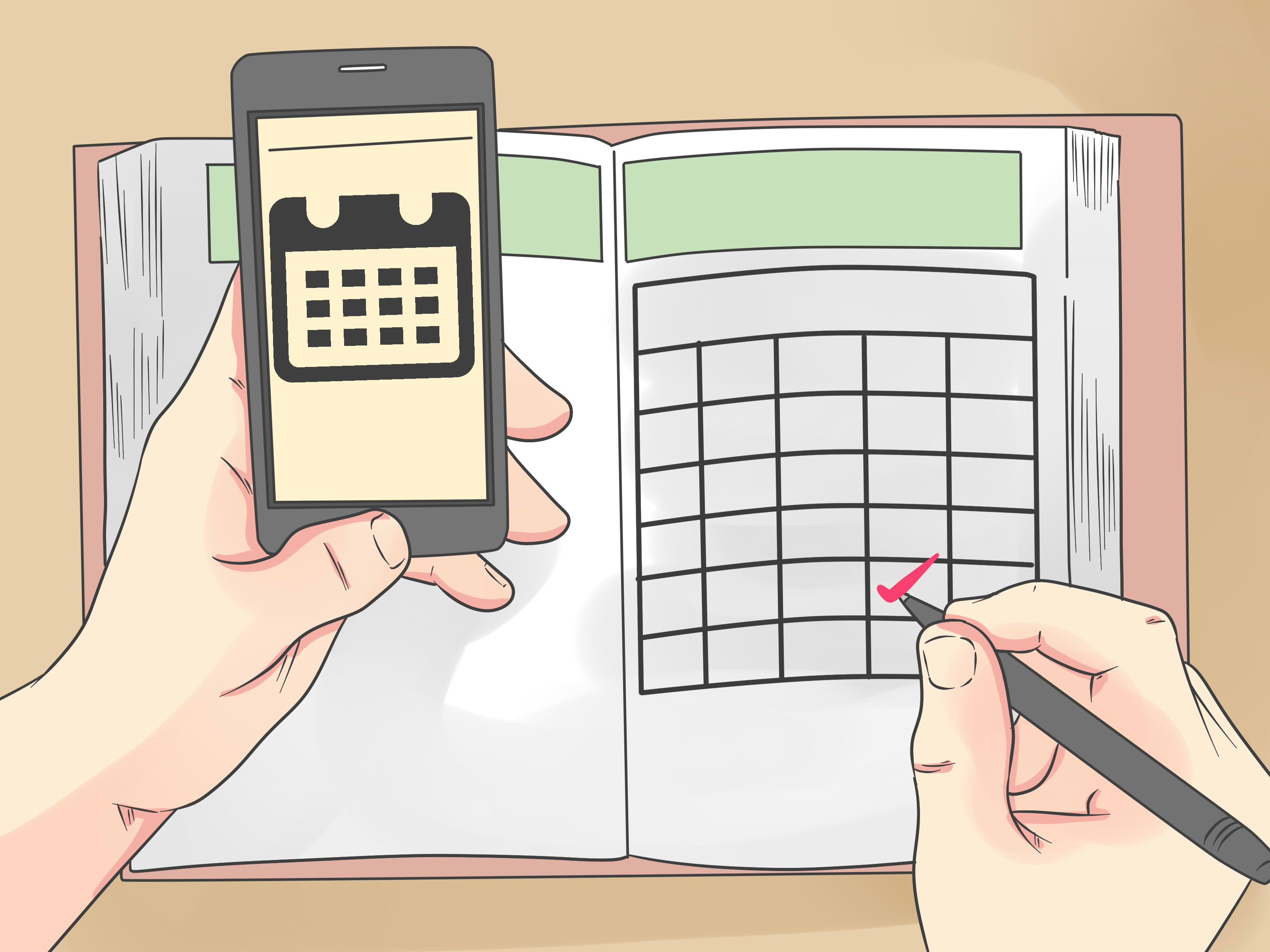
Hope is easier to hold when there is something on the calendar. If possible, plan a future visit, weekend trip, concert, birthday call, movie night, online game session, or shared challenge. The event does not have to be huge. It just needs to create anticipation.
For friends who live far away, future plans act like emotional bookmarks. They say, “This distance is not forever in every way. We still have moments coming.”
If travel is not realistic, plan a digital experience. Watch the same movie, cook the same recipe, take an online class, start a two-person book club, or tour a museum virtually. Yes, a two-person book club may mostly become gossip with snacks, but that is still culture.
11. Know When to Encourage Extra Support
Friendship is powerful, but it is not a substitute for professional help. If your friend seems persistently hopeless, talks about not wanting to live, withdraws completely, or appears unable to function, take it seriously. Encourage them to reach out to a mental health professional, a trusted family member, a local support service, or emergency help if they may be in immediate danger.
You can say, “I care about you too much to pretend this is something you have to carry alone. Would you be willing to talk to someone who can support you professionally?” Use calm, direct language. Do not shame them. Do not make it about your panic. Make it about care.
If you are in the United States and your friend is in crisis, call or text 988 for the Suicide & Crisis Lifeline. If they are in immediate danger, contact emergency services in their area. Long-distance support sometimes means helping them connect with someone nearby who can step in quickly.
What Not to Do When Trying to Cheer Up a Long-Distance Friend
Good intentions can still trip over their own shoelaces. When your friend is down, avoid minimizing their feelings with phrases like “It could be worse” or “Just stay positive.” These statements may be true in a technical sense, but emotionally they land like a wet sock.
Also avoid turning every conversation into advice. Advice is useful when requested; otherwise, it can feel like homework. Try listening first. Reflect what you hear: “That sounds exhausting,” “I can see why you feel hurt,” or “You have been carrying a lot.” Validation is not the same as agreeing with every detail. It simply means you are acknowledging their emotional experience.
Finally, do not disappear after one grand gesture. A care package is lovely, but consistent check-ins matter more than one dramatic burst of effort followed by six months of silence. Friendship is less like fireworks and more like a porch light: steady, warm, and there when needed.
How to Make Your Support Feel Natural
The best long-distance support fits your actual friendship. If you and your friend normally communicate through sarcasm, do not suddenly become a greeting card with legs. If your friendship is soft and sentimental, lean into that. If you both communicate mostly through memes, congratulations, you have a sacred modern language.
Pay attention to your friend’s response style. Some people want frequent messages; others feel overwhelmed by too much contact. Some love calls; others prefer voice notes. Some want emotional conversations; others need distraction before they can open up. Support works best when it respects the person receiving it.
You can ask directly: “When you’re having a rough week, what actually helpstalking, distraction, reminders, or space?” That question alone can make your friend feel cared for because it shows you are not guessing blindly. You are learning how to love them well.
Experience Section: Real-Life Lessons From Cheering Up a Friend From Far Away
One of the biggest lessons from long-distance friendship is that presence does not always require proximity. You may not be able to show up at your friend’s door with soup, iced coffee, or the emergency chocolate required by international friendship law, but you can still show up. You can show up in their inbox, in their mailbox, on their calendar, in their headphones, and in the small quiet moments when they wonder whether anyone remembers they are struggling.
In real life, the most comforting gestures are often the least glamorous. A friend who is going through a rough season may not remember every piece of advice you gave, but they will remember the Tuesday night you stayed on the phone while they cried. They will remember the voice note where you said, “You do not have to reply. I just wanted you to hear a friendly voice.” They will remember that you checked in again after the initial crisis passed, when everyone else assumed they were fine.
Another experience many people share is that long-distance cheering-up works best when it is specific. “Thinking of you” is kind, but “I know today is the first anniversary of your move, and I wanted to remind you that you have built so much courage this year” is unforgettable. Specific care feels like proof that someone is paying attention.
There is also value in ordinary companionship. Not every interaction needs to become a deep emotional excavation. Sometimes your friend may want to talk about the show they are watching, the neighbor who walks a suspiciously tiny dog, or the fact that they accidentally bought cilantro instead of parsley again. Let ordinary conversations matter. When someone is sad or lonely, normalcy can be a gift. It reminds them that life is still happening, and they are still part of it.
Of course, supporting a faraway friend can come with helplessness. You may wish you could do more. You may feel frustrated that your comfort has to travel through screens, mail trucks, and unstable internet connections. That feeling is normal. But remember: your job is not to become their entire support system. Your job is to be a loving part of it. Encourage local help when needed, respect your own limits, and keep offering steady care without trying to become a one-person rescue team.
Over time, these small acts build a strong emotional bridge. The playlist, the check-in, the shared movie, the mailed card, the ridiculous meme at exactly the right momentthey all say the same thing in different languages: “I am still here.” And for a friend who lives far away, those four words can be more powerful than you realize.
Conclusion
Learning how to cheer up a friend who lives far away is not about grand gestures or perfect words. It is about making distance feel smaller through consistent, thoughtful connection. Send the message. Schedule the call. Mail the letter. Celebrate the tiny wins. Offer practical help. Be funny when humor is welcome and serious when the moment calls for it.
The heart of long-distance friendship is simple: make your friend feel remembered. When life gets heavy, being remembered can feel like a lifeline. You may not be sitting beside them on the couch, but you can still be part of the comfort that helps them keep going. And honestly, that is friendship doing its job beautifully.