Closets are funny little rooms. They promise order, privacy, and a graceful place for your wardrobe to live. Then, somehow, they become a wildlife preserve for tangled belts, mystery scarves, old sneakers, sentimental sweaters, and one lonely hanger that sounds like a wind chime every time you open the door.
The good news? A clutter-free closet does not require a mansion, a celebrity stylist, or a dramatic renovation montage with inspirational music. With the right closet organization ideas, even a tiny reach-in closet can feel calmer, roomier, and easier to use. The secret is not simply buying more bins. It is creating a system that matches your habits, your wardrobe, and your actual morning routinethe one where you have seven minutes, one missing sock, and a cup of coffee doing emotional support work.
This guide brings together practical, expert-backed strategies used by professional organizers, home editors, storage brands, and real people who have battled closet chaos and lived to fold another sweater. From smart decluttering to vertical storage, drawer dividers, lighting, shoe systems, seasonal rotation, and boutique-style styling tricks, here are 34 closet organization ideas for clutter-free spaces that are beautiful, realistic, and surprisingly satisfying.
Why Closet Organization Matters More Than You Think
A well-organized closet does more than look good in photos. It saves time, protects clothing, reduces duplicate purchases, and makes getting dressed less stressful. When every item has a clear home, you can see what you own, wear more of your wardrobe, and avoid the classic “I have nothing to wear” crisis while standing in front of 47 shirts.
Good closet storage also helps preserve your clothing. Sweaters keep their shape when folded correctly. Shoes last longer when they are not crushed under laundry baskets. Bags maintain structure when they are stored upright. And delicate items are far less likely to disappear into what scientists have not yet officially named but homeowners know as “the closet void.”
34 Closet Organization Ideas for Clutter-Free Spaces
1. Empty the Closet Before You Organize
The first step is simple but powerful: take everything out. Yes, everything. Clothing, shoes, bags, storage boxes, the scarf from 2012, the birthday gift you forgot to returnall of it. Starting with a blank closet lets you see the real size of your space and evaluate every item before it sneaks back inside like it pays rent.
2. Sort Clothes Into Clear Categories
Create practical piles: keep, donate, repair, recycle, seasonal storage, and maybe. Sorting by category helps you make faster decisions. If you own nine black T-shirts, seeing them together makes it easier to choose the best ones and release the rest.
3. Use the One-Year Rule
If you have not worn an item in the past year, ask why. Special occasion pieces may deserve a place, but everyday clothes that no longer fit, flatter, or match your lifestyle are usually just fabric-shaped guilt. Donate pieces in good condition and recycle damaged textiles when possible.
4. Keep Daily Items in Prime Real Estate
The easiest-to-reach areas should hold the clothing and accessories you use most often. Eye-level shelves, the center hanging rod, and front drawers are prime closet real estate. Do not waste that space on formalwear you wear twice a year or sentimental items you rarely touch.
5. Group Like With Like
Store shirts with shirts, pants with pants, dresses with dresses, and workout wear with workout wear. This simple system makes your closet easier to scan and helps prevent overbuying. You may discover you do not need another cardigan. Your closet has been trying to tell you this for months.
6. Organize Hanging Clothes by Length
Hang shorter pieces such as tops, skirts, and folded pants together, then reserve taller vertical sections for dresses, long coats, jumpsuits, and robes. This creates usable space underneath shorter garments for bins, shoe racks, or drawers.
7. Add a Second Hanging Rod
If your closet has one rod and a lot of wasted space below short garments, install a second rod. Double-hanging is one of the best small closet organization ideas because it instantly increases storage for shirts, blouses, children’s clothes, and folded trousers.
8. Switch to Slim Matching Hangers
Bulky hangers steal horizontal space. Slim, non-slip hangers create a cleaner look and allow more garments to fit on the same rod. Matching hangers also reduce visual clutter, which makes the entire closet feel calmer before you have even folded a single sock.
9. Avoid Overstuffing the Rod
Clothes need breathing room. If you have to perform a shoulder workout just to slide hangers left and right, the rod is too full. Leave enough space to move items easily. A closet that functions well is better than one that stores every item you have ever owned.
10. Use Shelf Dividers for Stacks
Shelf dividers keep folded sweaters, jeans, towels, and handbags from collapsing into soft little avalanches. They are especially helpful on open shelves where piles tend to lean, slide, and eventually become one mysterious textile mountain.
11. Keep Sweater Stacks Low
Folded stacks should be short enough to stay stable. Tall piles may look efficient, but they usually collapse when you pull one item from the middle. Keep stacks manageable and sort them by type, color, or season.
12. Use Clear Bins for Visibility
Clear bins are excellent for seasonal clothes, accessories, scarves, handbags, and backup basics. They let you see what is inside without opening every container. If you prefer fabric or woven baskets for style, add labels so the contents are still obvious.
13. Label Everything That Is Not Obvious
Labels are not just for people with perfect pantries and beautiful handwriting. They make a closet easier to maintain. Use labels for bins such as “winter accessories,” “travel bags,” “workout gear,” “special occasion,” and “donation.” A label is basically a tiny bossy sign that keeps clutter from freelancing.
14. Store Off-Season Clothes Up High
Closet shelves near the ceiling are perfect for items you do not need daily. Store winter coats, holiday outfits, ski gear, heavy sweaters, or summer beachwear in labeled bins. Keep current-season clothing at eye level and within easy reach.
15. Use Under-Bed Storage for Overflow
If your closet is small, do not force it to hold everything. Under-bed boxes can store off-season clothing, formal shoes, extra linens, or bulky sweaters. Choose low-profile containers with lids to keep dust away.
16. Install Hooks on Empty Walls
Hooks are closet superheroes. Use them for hats, belts, scarves, robes, tote bags, tomorrow’s outfit, or clothes you plan to re-wear before washing. Wall hooks take advantage of vertical space that often goes unused.
17. Use the Back of the Door
The closet door is valuable storage space. Add an over-the-door organizer for shoes, accessories, jewelry, hair tools, small bags, or cleaning supplies. This works especially well in small closets where floor space is precious.
18. Add Drawer Dividers
Drawer dividers keep socks, underwear, belts, workout gear, and folded T-shirts in neat sections. Without dividers, drawers often become fabric soup. With dividers, you can find what you need without excavating.
19. File-Fold T-Shirts and Workout Clothes
Instead of stacking shirts flat, fold them upright like files. This method lets you see each item at a glance and prevents the bottom shirt from becoming a forgotten archaeological artifact.
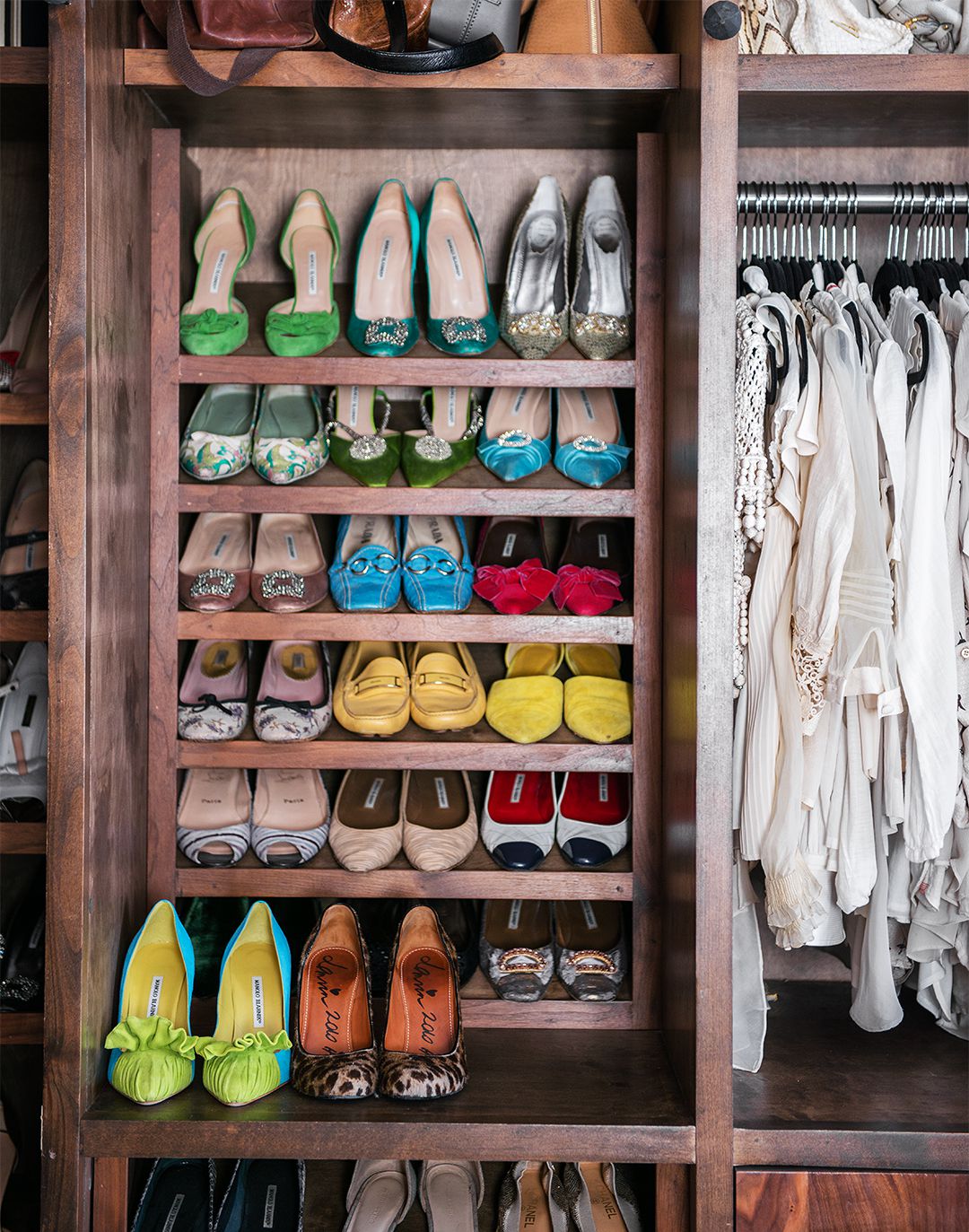
20. Create a Shoe System That Matches Your Space
Shoes can live on shelves, racks, cubbies, clear boxes, hanging organizers, or floor-level trays. The best system depends on your collection. Everyday shoes should be easy to grab, while special occasion pairs can go higher or farther back.
21. Arrange Shoes by Type or Color
Organizing shoes by typesneakers, flats, boots, heels, sandalsmakes daily choices easier. If you prefer a boutique look, arrange shoes by color from light to dark. It is practical, pretty, and just dramatic enough to make your closet feel fancy.
22. Use Boot Shapers or Inserts
Tall boots flop, crease, and take up more space when they are not supported. Use boot shapers, rolled magazines, pool noodle pieces, or inserts to keep them upright and tidy.
23. Store Bags Upright
Handbags last longer when they are stored upright instead of crushed. Use shelf dividers, clear bins, cubbies, or purse organizers. Stuff soft bags with tissue paper or fabric to help them hold their shape.
24. Create a Small Accessory Station
Accessories are tiny, slippery, and talented at disappearing. Use trays, drawer inserts, hooks, or small boxes for jewelry, sunglasses, watches, ties, and hair accessories. Keeping accessories visible helps you use them more often.
25. Add Better Lighting
Closet lighting changes everything. Battery-powered LED lights, motion-sensor strips, or plug-in lights help you see colors, read labels, and avoid grabbing navy pants when you meant black. Again.
26. Use a Step Stool for High Shelves
If you use upper shelves, keep a slim folding step stool nearby. High storage is only helpful if you can safely reach it. Otherwise, those shelves become a retirement village for forgotten boxes.
27. Try a Rolling Cart for Flexible Storage
A slim rolling cart can hold accessories, beauty products, folded basics, or seasonal items. It works well beside a closet, inside a walk-in closet, or in a bedroom corner when built-in storage is limited.
28. Add Stackable Drawers
Stackable drawers are ideal for closets with open lower space. Use them for folded clothes, gym wear, pajamas, socks, or accessories. They provide drawer function without requiring a custom closet system.
29. Use Tension Rods Creatively
Tension rods can create extra hanging space, divide shelves, hold scarves, organize heels, or support lightweight accessories. They are affordable, removable, and renter-friendly.
30. Make a Donation Bin Permanent
Keep a small basket or bag labeled “donate” inside or near your closet. When something no longer fits or feels right, place it there immediately. This prevents unwanted clothes from sneaking back into circulation.
31. Follow the One-In, One-Out Rule
For every new clothing item you bring home, remove one old item. This rule keeps your closet from slowly expanding into a fabric jungle. It is especially helpful for people who enjoy shopping, thrifting, or accidentally buying another white button-down because “this one is different.”
32. Create an Outfit Planning Zone
Use a hook, valet rod, or small rack to plan outfits for the week. This saves time in the morning and helps you notice missing pieces, such as the right belt or shoes, before you are late and negotiating with your mirror.
33. Make the Closet Pleasant to Use
A closet does not need to be luxurious, but it should feel good to open. Add a small mirror, peel-and-stick wallpaper, matching bins, cedar blocks, drawer liners, or a fresh coat of paint. Beauty supports maintenance because people are more likely to keep a space tidy when they enjoy using it.
34. Schedule Mini Maintenance Sessions
Closet organization is not a one-time miracle. Spend 10 minutes each week returning items to their homes, rehanging clothes, and clearing the floor. A little maintenance prevents the closet from staging a full rebellion.
Closet Organization Ideas for Different Types of Spaces
Small Reach-In Closets
For small reach-in closets, prioritize double hanging rods, slim hangers, vertical shelving, over-the-door storage, and under-bed overflow. Keep only current-season clothing in the main closet if space is tight. The goal is not to fit more clutter; it is to make the items you truly wear easier to access.
Walk-In Closets
Walk-in closets can handle more zones: hanging clothes on one side, folded items on shelves, shoes along the wall, accessories in drawers, and seasonal items up high. If space allows, add a mirror, a small bench, or a central island. Just remember: a walk-in closet can still become messy if it lacks clear categories.
Linen Closets
For linen closets, group towels, sheet sets, guest bedding, toiletries, and cleaning supplies separately. Store sheet sets inside one pillowcase from the set to keep everything together. Use shelf dividers and labels so the closet stays neat after laundry day.
Coat Closets
Coat closets work best with strong hooks, shoe trays, bins for gloves and hats, and a seasonal rotation plan. Keep only the coats currently needed near the front. Bulky winter gear can move to upper shelves or storage bins during warmer months.
Common Closet Organization Mistakes to Avoid
The biggest mistake is buying organizers before decluttering. Storage products cannot fix too much stuff; they can only arrange it more attractively. Another common mistake is creating a system that looks beautiful but does not match daily habits. If you hate folding, do not design a closet that requires perfect folding to function. Use bins, drawers, or hanging organizers instead.
Also avoid hiding everyday items in opaque boxes. If you use something often, it should be visible and easy to grab. Save closed bins for seasonal, sentimental, or rarely used items. Finally, do not ignore the floor. A clear closet floor instantly makes the space feel larger and cleaner.
Budget-Friendly Closet Organization Tips
You do not need a custom closet to create order. Start with low-cost upgrades: slim hangers, shelf dividers, labels, hooks, tension rods, clear bins, and drawer organizers. Repurpose containers you already own, such as baskets, trays, small boxes, or jars for accessories. Even a $10 pack of hooks can change how a closet functions.
If you are ready for a bigger upgrade, consider modular closet systems. Many systems are adjustable, which means you can change rods, shelves, and drawers as your wardrobe evolves. Measure your space carefully before buying anything. A tape measure is less exciting than a shopping cart, but it is much cheaper than returning a closet kit that does not fit.
Real-Life Experiences: What Actually Works in a Busy Closet
Closet organization sounds wonderfully simple until real life walks in wearing muddy shoes. The most useful systems are the ones that survive laundry day, rushed mornings, seasonal weather, and the moment when you try on five outfits and suddenly your bedroom looks like a department store had a small emotional breakdown.
One of the most helpful lessons from organizing a busy closet is that visibility matters more than perfection. When clothes are hidden too deeply, they stop existing in your daily routine. Clear bins, open shelves, file-folded drawers, and grouped hanging sections make it easier to see what you own. This reduces impulse shopping because you are less likely to buy another black sweater when your current black sweater collection is politely staring at you from the shelf.
Another real-world lesson: the closet floor is a warning signal. When shoes, bags, laundry, and random boxes start collecting on the floor, the system is failing somewhere. Maybe shoes need a better rack. Maybe the donation bag needs to leave the house. Maybe gym clothes need their own drawer instead of floating around like athletic confetti. A clear floor makes the closet feel instantly more peaceful, but it also tells you whether your storage plan is working.
Seasonal rotation also makes a huge difference, especially in small homes. Trying to keep winter coats, summer dresses, rain jackets, formalwear, and vacation clothes in one tiny closet all year is like inviting the entire calendar to live in your bedroom. Moving off-season pieces into labeled bins, under-bed boxes, or high shelves creates breathing room for what you actually wear now.
Maintenance is the part nobody wants to talk about, but it is the secret ingredient. A closet does not stay organized because it has cute baskets. It stays organized because there is a simple reset habit. Ten minutes on Sunday can save hours of frustration later. Return hangers to one direction, refold messy stacks, put shoes back in pairs, empty pockets, and move unwanted items into the donation bin. This small routine keeps clutter from becoming a weekend project with dramatic lighting.
It also helps to organize around your personality. If you are visual, use open storage and clear containers. If you love a clean look, use matching opaque bins with large labels. If you are always in a rush, keep work outfits, gym clothes, and daily shoes in the easiest spots. If you enjoy styling outfits, create a small planning zone with hooks or a valet rod. The best closet is not the one that looks perfect online. It is the one that makes your real mornings easier.
Finally, remember that decluttering can be emotional. Clothes carry memories, hopes, identities, and sometimes price tags we are still spiritually recovering from. Be honest but kind. Keep what fits your body, your lifestyle, and your current season of life. Let go of items that make you feel guilty, uncomfortable, or stuck. A clutter-free closet is not just about having more space. It is about making room for the person you are now.
Conclusion
Closet organization is not about creating a flawless showroom. It is about building a space that supports your daily life. Whether you have a tiny reach-in closet, a roomy walk-in, a linen closet, or a coat closet that currently looks like a winter gear explosion, the right system can make every inch work harder.
Start by decluttering, then create zones, use vertical space, improve visibility, and choose organizers that match your habits. Small upgradeslike slim hangers, labeled bins, hooks, shelf dividers, and better lightingcan make a surprisingly big difference. The best closet organization ideas are practical, flexible, and easy to maintain. Because the real goal is not just a pretty closet. It is a closet that stays clutter-free after laundry day, shopping day, and Monday morning.
Note: This article is original, written in standard American English, and synthesized from practical closet organization guidance used by reputable U.S. home, lifestyle, storage, and design publications. Source links are intentionally omitted as requested.