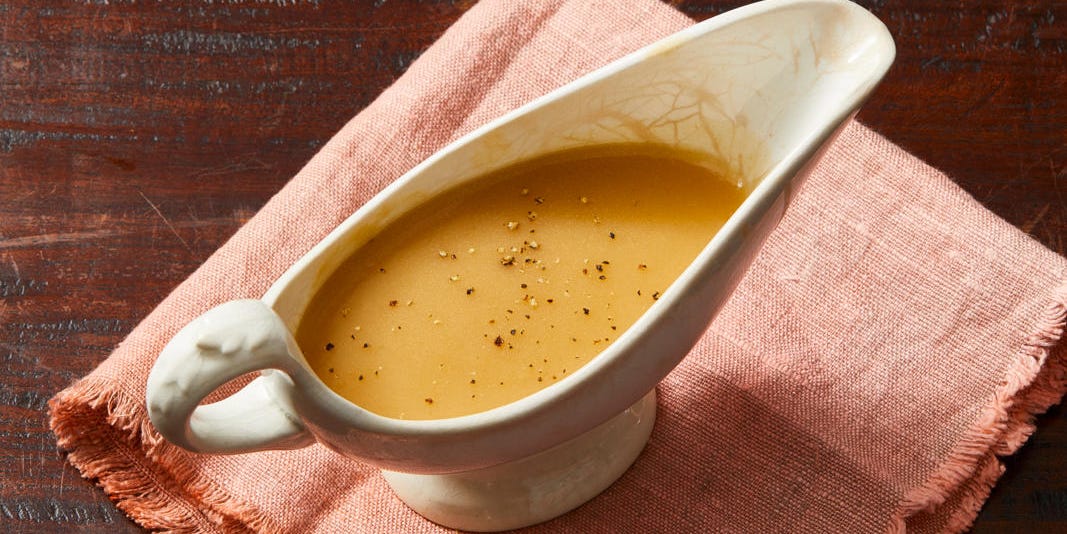
Rich, silky, deeply savory, and blissfully done before Thanksgiving chaos beginsthis make-ahead turkey gravy recipe is the holiday shortcut that still tastes like you fussed over it all day.
Why Make-Ahead Turkey Gravy Is the Thanksgiving Move
Thanksgiving has a funny way of turning calm adults into people whispering dramatic things at a roasting pan. The turkey needs carving, the mashed potatoes are cooling, someone wants to know where the cranberry sauce is, and suddenly you are expected to make lump-free turkey gravy while everyone watches like it is a championship sporting event.
That is why the best make-ahead turkey gravy recipe is not just a recipeit is a holiday survival plan. Instead of waiting for turkey drippings at the very last minute, you build flavor ahead of time with roasted turkey wings, onion, carrot, celery, garlic, herbs, and a buttery roux. The result is a gravy that tastes like Thanksgiving because it is made with real roasted poultry flavor, not wishful thinking and panic.
This method gives you the best of both worlds: a sturdy, flavorful gravy base made days or even weeks ahead, plus the option to whisk in fresh turkey drippings on Thanksgiving Day for extra richness. It is smooth enough for mashed potatoes, savory enough for turkey, and dependable enough for the host who refuses to let gravy be the reason dinner is delayed.
What Makes This the Best Make-Ahead Turkey Gravy Recipe?
A great Thanksgiving turkey gravy should do three things well: taste deeply roasted, pour smoothly, and stay flexible. This recipe checks all three boxes.
It Starts With Roasted Turkey Wings
Turkey wings are the secret weapon. They are easier to find than turkey bones before the holiday, less expensive than buying an extra bird, and packed with the kind of roasted flavor that makes gravy taste homemade. When roasted with vegetables, the wings create browned bits on the pan. Those browned bits are tiny flavor treasures, and scraping them into the stock gives the gravy its savory backbone.
The Roux Keeps It Silky
A roux is simply fat and flour cooked together. In this recipe, butter and flour are whisked until golden and nutty, then slowly combined with warm turkey stock. The slow whisking matters. Add the liquid too quickly and you invite lumps to the party. Add it gradually and the gravy becomes smooth, glossy, and spoon-worthy.
You Can Finish It With Drippings
The gravy is delicious without drippings, but if you have them, use them. Once the Thanksgiving turkey is done, pour a little stock or water into the roasting pan, scrape up the browned bits, strain, skim excess fat, and whisk that liquid into the reheated gravy. It gives the make-ahead gravy a fresh-from-the-oven finish without forcing you to build the entire sauce under pressure.
Ingredients for Make-Ahead Turkey Gravy
This recipe makes about 6 cups of gravy, enough for 10 to 12 people, depending on how enthusiastic your guests are with the ladle.
For the Turkey Stock
- 3 pounds turkey wings, split at the joints if possible
- 2 tablespoons neutral oil
- 1 large yellow onion, quartered
- 2 carrots, cut into large chunks
- 2 celery stalks, cut into large chunks
- 4 garlic cloves, smashed
- 8 cups low-sodium chicken stock or turkey stock
- 1 cup dry white wine, optional
- 2 bay leaves
- 6 fresh thyme sprigs
- 4 fresh sage leaves
- 1 teaspoon black peppercorns
For the Gravy
- 8 tablespoons unsalted butter
- 1/2 cup all-purpose flour
- 5 to 6 cups warm homemade turkey stock
- 1 teaspoon kosher salt, plus more to taste
- 1/2 teaspoon freshly ground black pepper
- 1 teaspoon Worcestershire sauce, optional
- 1 teaspoon soy sauce, optional, for deeper umami flavor
- Turkey drippings from the roasted bird, optional, for Thanksgiving Day finishing
How to Make Turkey Gravy for Thanksgiving
Step 1: Roast the Turkey Wings
Heat the oven to 425°F. Place the turkey wings, onion, carrots, celery, and garlic in a large roasting pan. Drizzle with oil and toss to coat. Roast for 60 to 75 minutes, turning once or twice, until the wings are deeply browned and the vegetables have caramelized around the edges.
Do not rush this step. Pale turkey wings make pale gravy. Browned turkey wings make the kind of gravy that causes people to stop mid-bite and ask, “Wait, what did you put in this?”
Step 2: Deglaze the Roasting Pan
Transfer the roasted wings and vegetables to a large stockpot. Place the roasting pan over medium heat on the stovetop if your pan is stovetop-safe. Add the white wine or 1 cup of stock and scrape the bottom with a wooden spoon to loosen the browned bits. Pour this liquid into the stockpot.
If your roasting pan cannot go on the stovetop, pour hot stock into the pan and scrape carefully. The goal is the same: rescue every bit of flavor.
Step 3: Simmer the Stock
Add the remaining stock, bay leaves, thyme, sage, and peppercorns to the pot. Bring to a gentle boil, then reduce the heat and simmer uncovered for 1 1/2 to 2 hours. The liquid should reduce slightly and taste rich, savory, and turkey-forward.
Strain the stock through a fine-mesh sieve into a large bowl. Press gently on the solids to extract the good stuff, but do not mash everything into a cloudy paste. Let the stock cool slightly, then skim fat from the surface if needed.
Step 4: Make the Roux
In a large saucepan, melt the butter over medium heat. Add the flour and whisk constantly for 4 to 6 minutes, until the mixture turns golden and smells lightly nutty. This step cooks away the raw flour taste and gives the gravy better flavor.
Keep the roux golden rather than dark brown. A darker roux has deeper flavor, but it thickens less efficiently. For Thanksgiving gravy, golden is the sweet spot.
Step 5: Whisk in the Warm Stock
Slowly ladle warm turkey stock into the roux, whisking constantly. Start with just a cup and whisk until smooth. Continue adding stock gradually until the gravy loosens, then pour in the rest. Simmer for 10 to 15 minutes, whisking often, until the gravy thickens enough to coat the back of a spoon.
If the gravy gets too thick, add more stock. If it is too thin, simmer a few minutes longer. Remember that gravy thickens as it cools, so stop cooking when it is slightly looser than your final ideal texture.
Step 6: Season Like You Mean It
Season with salt and pepper. Add Worcestershire sauce or soy sauce if you want more depth. These small additions should not make the gravy taste like steak sauce or soy sauce; they should simply make it taste more savory.
At this point, your make-ahead turkey gravy is ready to cool, store, refrigerate, or freeze.
How Far Ahead Can You Make Turkey Gravy?
You can make this turkey gravy up to 4 days ahead and refrigerate it in an airtight container. For longer storage, freeze it for up to 2 months. Freezing gravy is one of those holiday hacks that feels almost illegal because it removes so much stress from Thanksgiving Day.
How to Refrigerate It
Cool the gravy completely, transfer it to airtight containers, and refrigerate. A shallow container helps it cool faster and reheat more evenly.
How to Freeze It
Let the gravy cool completely, then freeze it in freezer-safe containers or zip-top freezer bags. If using bags, lay them flat so they freeze in thin sheets. Flat frozen gravy thaws faster, stacks neatly, and makes you look like someone who has their life together.
How to Reheat It
Thaw frozen gravy overnight in the refrigerator. Reheat it in a saucepan over medium-low heat, whisking often. Add stock, broth, water, or turkey drippings a little at a time until the texture returns to silky and pourable.
How to Add Turkey Drippings on Thanksgiving Day
When your turkey comes out of the oven, transfer it to a cutting board to rest. Pour off the pan juices into a fat separator or measuring cup. Skim excess fat from the top. Add a splash of stock or water to the roasting pan, scrape up the browned bits, and strain that liquid into the drippings.
Whisk a small amount of the defatted drippings into the reheated gravy. Taste before adding more. Drippings can be salty, especially if the turkey was brined, so add gradually. This final step makes the gravy taste connected to the turkey on the table, even though most of the work happened ahead of time.
Common Turkey Gravy Problems and Easy Fixes
My Gravy Is Too Thick
Whisk in warm stock, broth, water, or turkey drippings a few tablespoons at a time until the gravy loosens. Do not panic. Thick gravy is easy to fix.
My Gravy Is Too Thin
Simmer it longer to reduce, or whisk 1 tablespoon flour with 2 tablespoons softened butter to make a paste. Add a little of that paste to the simmering gravy and whisk until thickened.
My Gravy Has Lumps
Whisk vigorously first. If that does not work, strain the gravy through a fine-mesh sieve. No one at the table needs to know. This is between you, the sieve, and your Thanksgiving dignity.
My Gravy Tastes Flat
Add salt in small pinches, then taste again. A splash of Worcestershire sauce, a tiny bit of soy sauce, a spoonful of pan drippings, or a few drops of lemon juice can wake up the flavor.
My Gravy Is Too Salty
Add unsalted stock or water to dilute it. If needed, make a small extra batch of unsalted roux-thickened stock and combine the two. Avoid adding raw potato; it is a famous trick, but it is not the reliable miracle people want it to be.
Flavor Variations for Thanksgiving Turkey Gravy
Classic Herb Turkey Gravy
Use thyme, sage, and bay leaves for a traditional Thanksgiving flavor. This version pairs beautifully with stuffing, mashed potatoes, green bean casserole, and roasted turkey.
Onion and Sage Gravy
Cook sliced onions slowly in butter before adding flour. The onions melt into the gravy and bring a sweet, savory depth that tastes especially good with roasted turkey breast.
White Wine Turkey Gravy
Deglaze the roasting pan with dry white wine, then simmer until the sharp edge cooks off. Wine adds brightness and keeps the gravy from tasting heavy.
Giblet-Style Gravy
If your family loves old-school Thanksgiving gravy, simmer the turkey neck and giblets with the stock. Chop the cooked giblets finely and stir them in at the end. This creates a heartier texture and a more traditional flavor.
Umami-Rich Gravy
Add a teaspoon of soy sauce or a small amount of mushroom powder. The gravy will not taste like mushrooms or soy; it will simply taste deeper and more savory.
What to Serve With Make-Ahead Turkey Gravy
This gravy belongs on more than turkey. Spoon it over mashed potatoes, stuffing, roasted vegetables, biscuits, open-faced turkey sandwiches, or leftover turkey pot pie filling. It can even rescue dry turkey, which is a public service during the holidays.
For a classic Thanksgiving plate, serve it with roast turkey, buttery mashed potatoes, cornbread stuffing, cranberry sauce, green beans, sweet potato casserole, and dinner rolls. The gravy acts like a delicious peace treaty between everything on the plate.
Make-Ahead Turkey Gravy Recipe Card
Prep Time
20 minutes
Cook Time
2 hours 30 minutes
Total Time
About 3 hours
Yield
About 6 cups, serving 10 to 12 people
Ingredients
- 3 pounds turkey wings
- 2 tablespoons neutral oil
- 1 large onion, quartered
- 2 carrots, chopped
- 2 celery stalks, chopped
- 4 garlic cloves, smashed
- 8 cups low-sodium chicken or turkey stock
- 1 cup dry white wine, optional
- 2 bay leaves
- 6 thyme sprigs
- 4 sage leaves
- 1 teaspoon peppercorns
- 8 tablespoons unsalted butter
- 1/2 cup all-purpose flour
- Kosher salt and black pepper, to taste
- 1 teaspoon Worcestershire sauce or soy sauce, optional
Directions
- Heat oven to 425°F. Roast turkey wings, onion, carrots, celery, and garlic with oil until browned, about 60 to 75 minutes.
- Transfer roasted ingredients to a stockpot. Deglaze the roasting pan with wine or stock and scrape up browned bits.
- Add remaining stock, herbs, bay leaves, and peppercorns. Simmer 1 1/2 to 2 hours.
- Strain the stock and discard solids. Keep stock warm.
- Melt butter in a saucepan. Whisk in flour and cook until golden, 4 to 6 minutes.
- Slowly whisk in warm stock. Simmer until thickened, 10 to 15 minutes.
- Season with salt, pepper, and optional Worcestershire sauce or soy sauce.
- Cool and refrigerate for up to 4 days, or freeze for up to 2 months.
- Reheat gently, whisking in extra stock or turkey drippings before serving.
Extra Experience: What I’ve Learned From Making Thanksgiving Gravy Ahead
The first lesson of make-ahead turkey gravy is that gravy does not enjoy being rushed. Technically, yes, you can make gravy while the turkey rests. People have done it for generations. People have also assembled furniture without reading the instructions. Survival does not always equal joy.
Making gravy ahead changes the emotional weather of Thanksgiving. Instead of standing over the stove with flour on your shirt and relatives drifting into the kitchen asking whether dinner is “almost ready,” you get to reheat something you already know tastes good. That confidence is worth a lot.
One practical tip: make the stock darker than you think you need. The finished gravy gets its personality from the roasted wings and vegetables. If the wings are only lightly golden, the gravy may taste polite but not memorable. You want deep browning, not burning. The vegetables should look caramelized, the pan should have browned bits, and your kitchen should smell like Thanksgiving has arrived early wearing a tiny parade hat.
Another lesson is to keep the seasoning modest before storing. Gravy concentrates slightly as it cools and reheats, and Thanksgiving turkey drippings can bring their own salt. I prefer to season the base gently, then finish it on the day with drippings, black pepper, and a final pinch of salt if needed. This keeps the gravy flexible.
Texture also matters. Gravy that looks perfect in the pot can thicken as it cools. That is normal. When reheating, do not attack it with high heat. Warm it slowly, whisk often, and add stock in small splashes. Within a few minutes, it should relax back into a smooth sauce. Think of it as gravy waking up from a nap.
For storage, flat freezer bags are surprisingly useful. Pour cooled gravy into labeled bags, press out extra air, and freeze them flat on a baking sheet. Once frozen, they stack like books. The night before Thanksgiving, move the gravy to the refrigerator. On the big day, it reheats faster than a frozen block in a container.
Finally, always make more gravy than you think you need. Thanksgiving guests may claim they only want “a little,” but then mashed potatoes appear, stuffing joins the plate, turkey needs moisture, and suddenly the gravy boat is moving around the table like a celebrity. Extra gravy is never a problem. It becomes leftover magic for turkey sandwiches, shepherd’s pie, pot pie, rice bowls, or biscuits the next morning.
The biggest experience-based takeaway is simple: make-ahead turkey gravy turns one of Thanksgiving’s most stressful last-minute jobs into one of the easiest wins. It tastes homemade because it is homemade. It saves time because the heavy lifting is already done. And it lets you enjoy the meal instead of trying to whisk your way out of a holiday emergency.
Conclusion
The best make-ahead turkey gravy recipe is rich, smooth, and practical. By roasting turkey wings, simmering a flavorful stock, building a golden roux, and reheating the finished gravy with optional turkey drippings, you get all the deep Thanksgiving flavor without the last-minute panic. It is the kind of recipe that makes hosting easier while still tasting like a holiday tradition.
Whether you prepare it four days ahead or freeze it weeks in advance, this gravy gives you room to focus on the turkey, the sides, and the people around the table. And if someone compliments the gravy before the turkey? Just smile. That is how you know the plan worked.