Hair has a funny way of making itself part of your identity. It is there in vacation photos, wedding pictures, bad driver’s license shots, and the occasional “I definitely meant to cut bangs” era. So when more strands start showing up in the shower drain, on your pillow, or wrapped around your favorite sweater like tiny emotional support noodles, it can feel alarming.
The good news is that women’s hair loss is common, treatable, and often manageable once you understand what is causing it. The not-so-good news? Hair does not respond overnight. It grows on its own schedule, which is less “instant results” and more “botanical documentary.” Preventing hair loss and finding the best hair loss treatments for women usually requires patience, consistency, and sometimes a dermatologist who can read your scalp like a detective reads a clue board.
This guide explains how to prevent women’s hair loss, what causes thinning hair, which treatments have the strongest evidence, and when to stop scrolling through miracle-serum ads and call a medical professional.
What Counts as Hair Loss in Women?
Everyone sheds hair daily. Losing some hair when brushing, washing, or styling is normal. Most people shed around 50 to 100 hairs per day, and some sources note that losing more than 125 hairs daily may suggest excessive shedding. The key is change. If you suddenly see larger clumps, a wider part, thinning around the crown, bald patches, or a ponytail that feels noticeably smaller, your scalp may be trying to get your attention.
Women’s hair loss can appear in several ways:
- Diffuse shedding: Hair falls out evenly across the scalp, often after stress, illness, childbirth, weight loss, or medication changes.
- Gradual thinning: The part widens, the crown looks sparse, or the scalp becomes more visible over time.
- Patchy hair loss: Round or irregular bald spots may appear, sometimes due to autoimmune conditions such as alopecia areata.
- Hairline thinning: Tight hairstyles, extensions, or repeated pulling may cause traction alopecia, especially along the edges.
- Scalp symptoms: Itching, pain, scaling, redness, burning, or bumps may suggest inflammation, infection, or scarring alopecia.
Because “hair loss” is a symptom, not a single diagnosis, the best treatment depends on the reason your hair is falling out. A shampoo cannot fix a thyroid issue, and a vitamin gummy cannot reverse years of tight braids. Hair care helps, but the root cause matters most.
Common Causes of Hair Loss in Women
Female Pattern Hair Loss
Female pattern hair loss, also called androgenetic alopecia, is one of the most common causes of thinning hair in women. It usually develops slowly and often shows up as a widening part or thinning at the crown. Unlike male pattern baldness, women typically keep their front hairline, though the overall density may decrease.
This type of hair loss is influenced by genetics, hormones, aging, and follicle sensitivity. The follicles gradually shrink, producing finer, shorter hairs until the scalp looks thinner. Treatment works best when started early, before follicles become too miniaturized.
Telogen Effluvium
Telogen effluvium is the dramatic shedding that can happen after a physical or emotional shock. Common triggers include high fever, surgery, childbirth, crash dieting, severe stress, major illness, iron deficiency, thyroid changes, or starting or stopping certain medications.
The tricky part is timing. Hair may begin shedding two to three months after the trigger, which means you might blame your new conditioner when the real culprit was that brutal flu you had in January. Telogen effluvium is often temporary, but if the trigger continues, shedding may last longer.
Traction Alopecia
Traction alopecia happens when repeated pulling damages hair follicles. Tight ponytails, buns, braids, cornrows, locs, weaves, extensions, rollers worn overnight, and styles that cause scalp pain can all contribute. Early traction alopecia may improve if the tension stops. Long-term pulling, however, can lead to scarring and permanent hair loss.
A simple rule: if a hairstyle hurts, it is not “snatched”; it is sending a warning email to your follicles.
Nutritional Deficiencies
Hair is not essential for survival, so when the body is short on nutrients, it may redirect resources away from hair growth. Low iron, low protein intake, vitamin D deficiency, zinc deficiency, and restrictive dieting may contribute to shedding in some women. However, supplements are not magic confetti. Taking high-dose vitamins without a deficiency can be useless or even harmful.
If you suspect a nutritional issue, ask a healthcare provider about lab testing instead of building a supplement shelf that looks like a tiny pharmacy.
Hormonal Changes
Hormones can influence the hair cycle. Hair loss may appear after pregnancy, during perimenopause or menopause, after stopping birth control, or with conditions such as polycystic ovary syndrome. Thyroid disease can also cause shedding or texture changes. Treating the underlying hormonal issue may improve hair growth, but it often takes several months to notice progress.
Medical Conditions and Medications
Autoimmune diseases, scalp psoriasis, seborrheic dermatitis, lupus, diabetes, infections, and certain medications can contribute to hair loss. Chemotherapy and some cancer treatments may cause sudden or widespread loss. If hair loss comes with fatigue, unexplained weight changes, irregular periods, acne, excess facial hair, scalp pain, or rash, it is time to get medical guidance.
How to Prevent Women’s Hair Loss
You cannot prevent every type of hair loss. Genetics will not politely step aside because you bought a silk pillowcase. Still, many habits can reduce breakage, protect follicles, and help your scalp create the best possible environment for growth.
1. Be Gentle With Wet Hair
Hair is more fragile when wet. Use a wide-tooth comb, start detangling at the ends, and work upward slowly. Avoid aggressive towel rubbing. Instead, squeeze water out gently with a soft towel or microfiber wrap. Your hair is not a rug; it does not need scrubbing like one.
2. Loosen High-Tension Hairstyles
Prevention is especially important for traction alopecia. Rotate hairstyles, avoid tight braids and ponytails, reduce the weight of extensions, and take breaks between protective styles. If you notice tenderness, bumps, broken hairs, or thinning edges, loosen the style immediately.
3. Protect Hair From Heat Damage
Flat irons, curling wands, hot brushes, and blow dryers can weaken the hair shaft, causing breakage that looks like thinning. Use heat tools less often, lower the temperature, apply a heat protectant, and avoid multiple hot passes over the same section. Hair should not smell toasted. That is breakfast, not beauty.
4. Eat Enough Protein and Iron-Rich Foods
Hair is made primarily of keratin, a protein. A balanced diet with enough protein supports healthy hair growth. Good options include eggs, fish, poultry, beans, lentils, tofu, Greek yogurt, nuts, and lean meats. Iron-rich foods, such as spinach, lentils, beef, fortified cereals, and beans, may also help if your levels are low.
Pair plant-based iron sources with vitamin C foods such as citrus, bell peppers, or strawberries to improve absorption. Coffee and tea can reduce iron absorption when taken with meals, so timing may matter for people with low iron.
5. Treat Dandruff and Scalp Inflammation
A healthy scalp matters. Flaking, itching, oil buildup, or inflammation can worsen shedding or make styling harder. Anti-dandruff shampoos containing ingredients such as ketoconazole, selenium sulfide, zinc pyrithione, or salicylic acid may help some scalp conditions. Persistent redness, pain, crusting, or scaling should be evaluated by a dermatologist.
6. Avoid Crash Diets
Rapid weight loss and very low-calorie diets can trigger telogen effluvium. If you are trying to lose weight, aim for a sustainable plan that includes protein, healthy fats, whole grains, fruits, and vegetables. Your hair prefers consistency over dietary drama.
7. Manage Stress Realistically
Stress can push more hairs into the resting phase, especially when combined with poor sleep, illness, or nutritional gaps. Stress management does not mean pretending life is a scented candle. It means giving your nervous system regular exits: walking, therapy, stretching, deep breathing, journaling, time outdoors, or simply going to bed before your phone asks, “Still watching?”
8. Check Medications With Your Doctor
Some medications may contribute to hair shedding. Do not stop a prescribed medication on your own. Instead, ask your healthcare provider whether hair loss is a known side effect and whether alternatives are appropriate.
The Best Treatments for Women’s Hair Loss
Topical Minoxidil
Topical minoxidil is the best-known over-the-counter treatment for female pattern hair loss. It is FDA-approved for women and available as a liquid or foam, commonly in 2% and 5% strengths. Minoxidil may help slow hair loss and stimulate regrowth, but it requires consistency.
Expect a slow timeline. Some women notice extra shedding during the first several weeks as older hairs shift out and new growth cycles begin. Visible improvement usually takes at least several months, and many people need six months or longer to judge results. If minoxidil works, stopping it usually means the benefits gradually fade.
Possible side effects include scalp irritation, dryness, itching, flaking, and unwanted facial hair growth if the product drips or transfers. Apply it carefully to the scalp, wash your hands afterward, and let it dry before sleeping.
Prescription Anti-Androgen Medications
Some women with female pattern hair loss, acne, excess facial hair, or PCOS-related symptoms may benefit from prescription medications that reduce androgen effects. Spironolactone is one example commonly used off-label. Finasteride and dutasteride may be considered in select cases, usually under specialist supervision.
These medications are not right for everyone and may be unsafe during pregnancy. A clinician should review your health history, pregnancy plans, blood pressure, medications, and lab results before prescribing them.
Low-Level Laser Therapy
Low-level laser devices, including combs, caps, and helmets, may help some people with pattern hair loss by stimulating follicles. Results vary, and devices can be expensive. The best candidates are usually people with early thinning who can use the device consistently for months.
Platelet-Rich Plasma Therapy
Platelet-rich plasma, or PRP, involves drawing a small amount of your blood, processing it to concentrate platelets, and injecting it into the scalp. Some studies suggest PRP may improve hair density in androgenetic alopecia, though protocols, costs, and results vary. It is typically performed in a dermatology or hair restoration office and often requires several sessions plus maintenance treatments.
Corticosteroids for Alopecia Areata
Alopecia areata is an autoimmune condition that can cause patchy hair loss. Dermatologists may treat it with corticosteroid injections, topical medications, or other immune-targeting therapies depending on severity. This is not the kind of hair loss to treat with random internet oils while hoping for the best. Early diagnosis matters.
Hair Transplant Surgery
Hair transplant surgery can be an option for some women with stable pattern hair loss and enough donor hair. It is not usually the first step, and it does not stop ongoing thinning. Many patients still need medical therapy to protect existing hair. Choose a qualified, experienced hair restoration physician if considering surgery.
Correcting Deficiencies
If testing shows low iron, vitamin D, zinc, thyroid abnormalities, or another medical issue, treating the deficiency or condition may reduce shedding. This is targeted care, not supplement roulette. Biotin is often marketed for hair growth, but it generally helps only when a true deficiency exists, which is uncommon. High-dose biotin can also interfere with certain lab tests.
When to See a Dermatologist
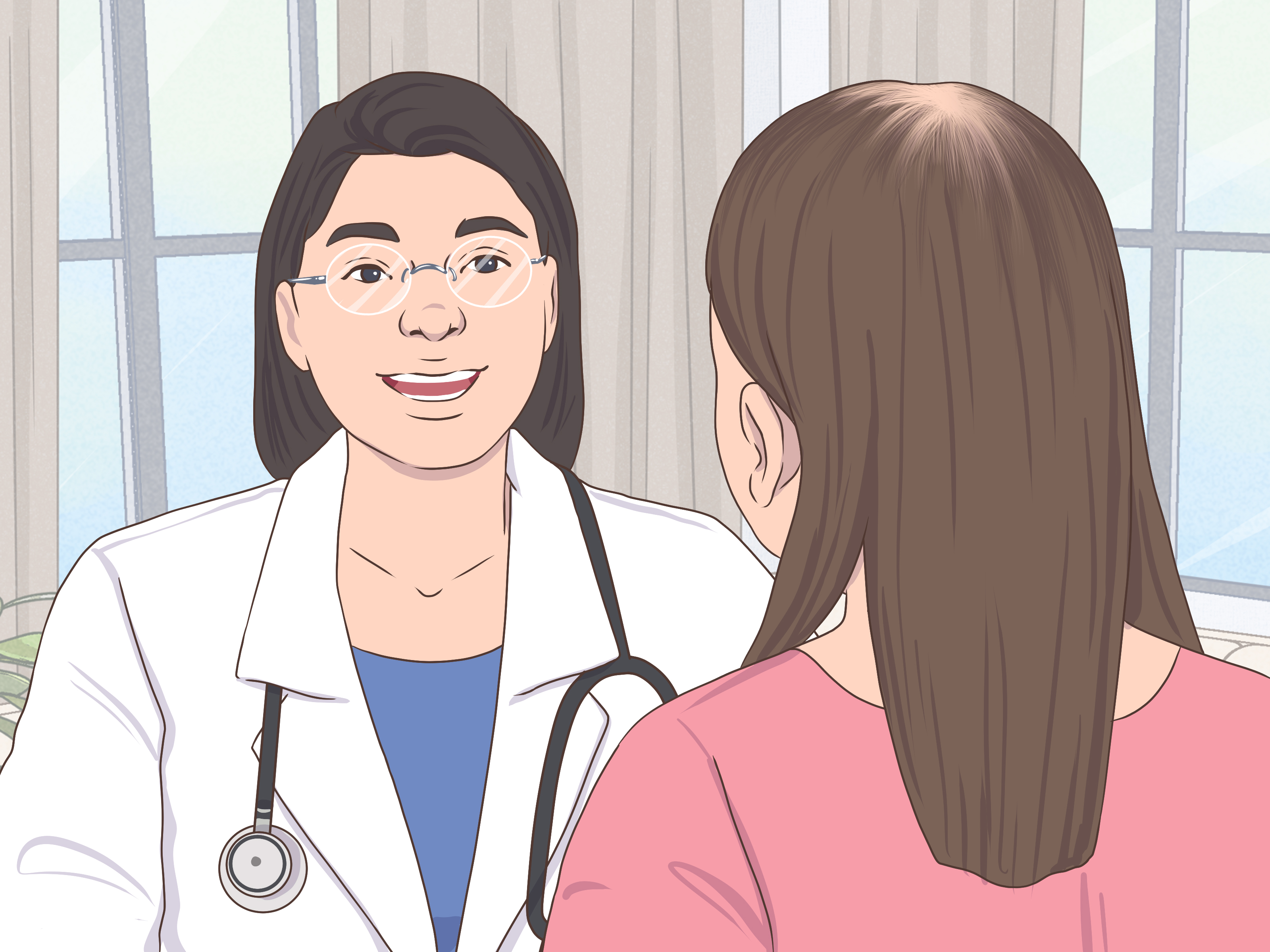
Make an appointment with a board-certified dermatologist if hair loss is sudden, severe, patchy, painful, or worsening. You should also seek help if you notice scalp redness, scaling, sores, pus, burning, or shiny scar-like areas. These symptoms may signal inflammation or scarring hair loss, where early treatment can protect follicles before damage becomes permanent.
A dermatologist may perform a scalp exam, pull test, dermoscopy, blood work, or scalp biopsy. They may ask about family history, diet, stress, pregnancy, periods, medications, hair styling, and recent illness. This may feel like an interrogation, but every answer helps narrow the cause.
Simple Weekly Hair Loss Prevention Routine
Wash Day
Use a shampoo that fits your scalp, not just your hair ends. If your scalp is oily or flaky, regular cleansing may help reduce buildup. Condition the mid-lengths and ends to prevent breakage. Detangle gently and avoid tight styling afterward.
Style Day
Choose low-tension styles. If you wear braids, extensions, buns, or ponytails, make sure they do not cause pain. Use soft hair ties, avoid metal clasps, and give your edges a vacation. They have been through enough.
Treatment Day
If using minoxidil or a prescribed scalp treatment, apply it as directed. Consistency beats intensity. Using three times the recommended amount will not grow hair three times faster; it may just irritate your scalp and annoy your wallet.
Check-In Day
Take photos once a month in the same lighting and angle. Hair changes slowly, and daily mirror checks can make you feel like nothing is happening. Monthly photos provide a more accurate view of progress.
Common Myths About Women’s Hair Loss
Myth: Washing Your Hair Makes It Fall Out
Washing does not cause true hair loss. It simply releases hairs that were already ready to shed. Skipping washes may make shedding look worse because more loose hairs come out at once.
Myth: Hats Cause Baldness
Normal hat wearing does not cause hair loss. Extremely tight headwear that pulls constantly could contribute to breakage or traction, but everyday hats are not villains. Your baseball cap can relax.
Myth: Hair Oils Can Cure Bald Spots
Some oils may reduce dryness or breakage, but they do not reverse genetic hair loss, autoimmune alopecia, thyroid disease, or scarring conditions. Oils can be part of hair care, not a substitute for diagnosis.
Myth: Only Older Women Lose Hair
Women can experience hair loss in their teens, twenties, thirties, and beyond. Genetics, stress, illness, postpartum changes, styling practices, and medical conditions do not check your birth certificate before causing trouble.
Experience Notes: What Women Often Learn While Dealing With Hair Loss
One of the most common experiences women describe is the emotional whiplash. At first, you tell yourself it is just seasonal shedding. Then the shower drain starts looking like a small woodland creature moved in, and suddenly every mirror becomes a forensic investigation. Many women wait months before seeking help because they feel embarrassed, worried they are overreacting, or convinced the problem will fix itself by next Tuesday.
The first lesson is that tracking matters. A woman who notices thinning after a stressful move, for example, may assume she has permanent hair loss. But when she looks back, she may realize the shedding began about three months after the stressful event, which fits telogen effluvium. Another woman may notice her part widening slowly over several years, which points more toward female pattern hair loss. These patterns matter because the treatments are different.
The second lesson is that hair care habits can quietly contribute to the problem. Tight ponytails for workouts, heavy extensions for volume, daily heat styling for “just five minutes,” and slick buns that pull the temples can gradually damage hair. Many women do not connect scalp tenderness with future thinning. Pain is not the price of beauty. It is a warning sign with better grammar.
The third lesson is that treatment requires patience. Minoxidil, for example, is not a weekend project. Some women quit after a month because shedding seems worse, not realizing temporary early shedding can happen. Others use it inconsistently and then decide it “doesn’t work.” Hair follicles respond slowly, and a fair trial often means daily use for at least six months unless side effects occur.
The fourth lesson is that supplements are not always the answer. Many women buy biotin, collagen, iron, vitamin D, zinc, and hair gummies before getting blood work. Sometimes testing reveals low ferritin or thyroid changes; other times, labs are normal and the real issue is genetic thinning or traction. Testing saves money, time, and cabinet space.
The fifth lesson is that early professional help can be empowering. A dermatologist can identify signs that are easy to miss, such as miniaturized hairs, inflammation, or scarring. For many women, getting a diagnosis brings relief because the mystery finally has a name. Even when hair does not fully return to its previous density, the right plan can slow shedding, improve coverage, and restore confidence.
Finally, women often learn to separate hair health from self-worth. Thinning hair can be frustrating, but it is not a personal failure. It does not mean you are unhealthy, unattractive, or aging “badly.” It means your body is communicating. Listen early, respond kindly, and build a treatment plan based on evidence instead of panic. Your follicles deserve science, not shame.
Conclusion
Preventing women’s hair loss starts with understanding the cause. Gentle styling, balanced nutrition, stress support, scalp care, and avoiding tight hairstyles can reduce preventable damage. For true hair loss conditions, evidence-based treatments such as topical minoxidil, prescription medications, PRP, laser therapy, corticosteroids, or correction of deficiencies may help depending on the diagnosis.
The best move is not to panic-buy every product with “growth” on the label. Start with your pattern of hair loss, your health history, and your scalp symptoms. If shedding is sudden, patchy, painful, or persistent, see a dermatologist. Hair growth takes time, but with the right plan, many women can slow loss, improve density, and stop treating the shower drain like a daily horror movie.