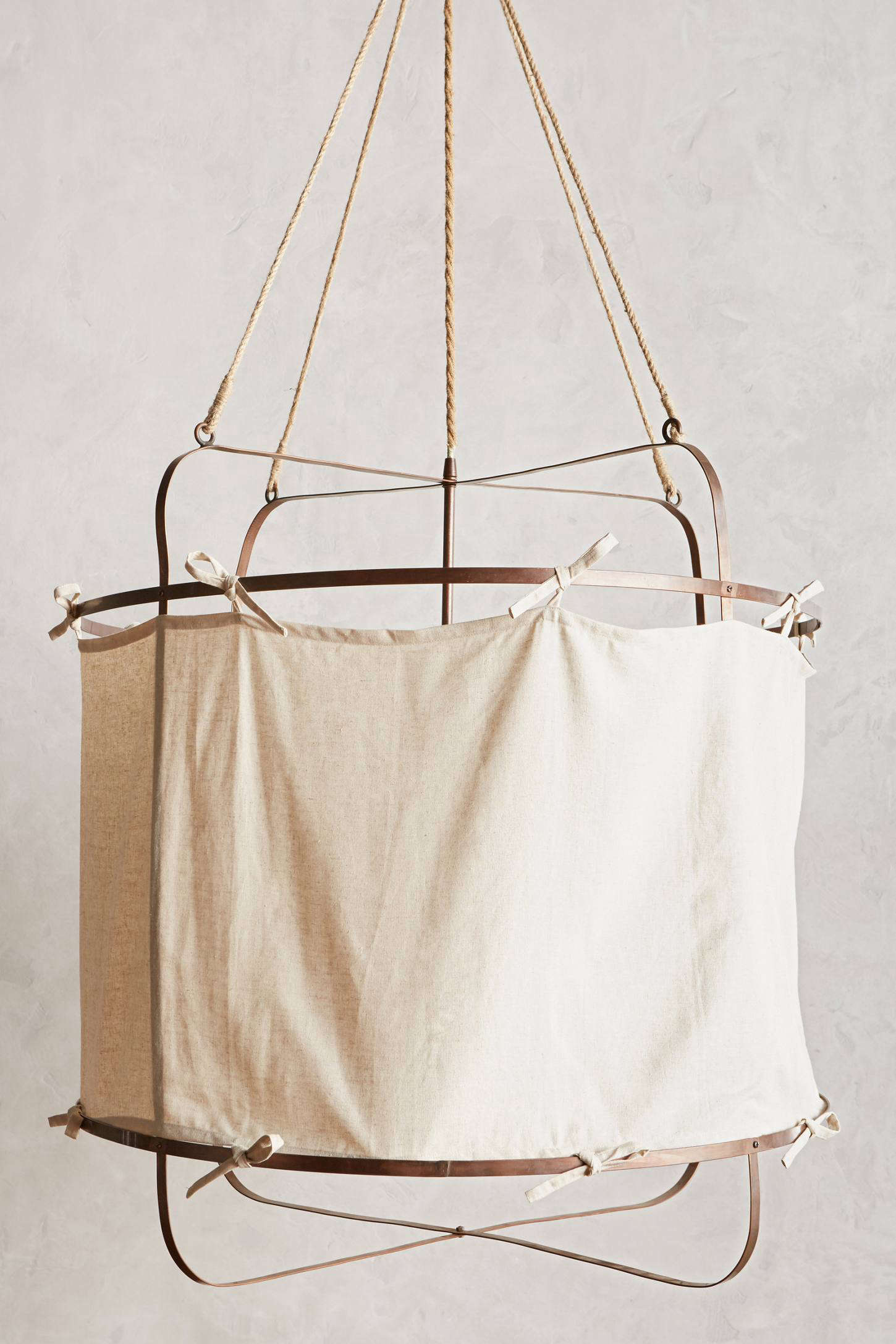
A Hooped Linen Chandelier sounds like something a charming French grandmother would hang above a farmhouse table while calmly judging your table-setting skills. In reality, it is one of the most quietly stylish lighting choices for modern homes: soft, sculptural, warm, and relaxed without looking unfinished. It brings together the airy texture of linen, the rounded geometry of a hoop frame, and the kind of diffused glow that makes dinner look better, skin look kinder, and takeout feel slightly more intentional.
Unlike crystal chandeliers that announce themselves with a dramatic “look at me,” a hooped linen chandelier whispers. It works because it does not fight the room. It softens sharp lines, warms up white walls, and adds dimension without visual clutter. Whether placed over a dining table, in a breakfast nook, above a kitchen island, or in a cozy bedroom, this fixture gives a room that finished-but-not-fussy feeling designers are always chasing.
What Is a Hooped Linen Chandelier?
A hooped linen chandelier is a ceiling-mounted light fixture built around a circular or rounded frame, usually wrapped or covered with linen fabric. The “hooped” structure gives it shape, while the linen shade filters light so the glow feels gentle instead of harsh. Some versions use a simple drum-like silhouette; others resemble a basket, lantern, or vintage laundry hoop. The result is a fabric shade chandelier that blends rustic charm with modern simplicity.
One well-known example, the Anthropologie-style Hooped Linen Chandelier, is described as handmade with linen and copper-plated metal. Its design has been compared to a provincial French laundry basket, which is exactly the sort of sentence that makes home decor sound more romantic than laundry has any right to be. Depending on the size, these fixtures may include one or several light sockets and are typically hardwired, meaning professional installation is recommended.
Why Linen Works So Well in Lighting
Linen is one of those materials that looks casual and expensive at the same time. It has texture, but not too much. It feels natural, but not rustic in a theme-park way. When used as a chandelier shade, linen diffuses light through its woven fibers, creating a soft ambient glow. This is why a linen chandelier feels especially comfortable in rooms where people gather, eat, talk, read, or pretend not to check their phones during family dinner.
Compared with bare bulbs or glass fixtures, a linen shade softens shadows and reduces glare. Compared with metal shades, it feels warmer and more relaxed. This makes the hooped linen chandelier a great middle-ground fixture: decorative enough to be noticed, calm enough to live with every day.
Design Style: Where a Hooped Linen Chandelier Fits Best
The beauty of a hooped linen chandelier is its flexibility. It can lean coastal, farmhouse, cottage, Scandinavian, traditional, or even modern depending on the surrounding furniture and finishes.
Coastal Interiors
In coastal homes, the linen shade feels breezy and natural. Pair it with pale oak, woven chairs, white walls, jute rugs, and blue-gray accents. The hoop shape keeps the room from becoming too flat, while the linen adds a soft texture that echoes sailcloth, beach umbrellas, and relaxed seaside living.
Modern Farmhouse Spaces
For modern farmhouse design, a hooped linen chandelier is less predictable than a black metal cage chandelier and softer than an industrial pendant. It works beautifully above a reclaimed wood dining table, especially when balanced with simple ceramics, iron hardware, and warm white bulbs.
French Country Rooms
This is where the fixture really gets to show off. The round linen form feels old-world without becoming ornate. Add cane-back chairs, antique brass, stoneware pitchers, and slightly imperfect wood finishes. Suddenly your dining room looks like it should be serving roast chicken and fresh bread, even if dinner is frozen pizza.
Minimalist and Scandinavian Homes
Minimalist rooms can sometimes look a little too perfect, like nobody is allowed to sit down. A linen hoop chandelier adds warmth without breaking the clean design language. Its rounded form softens straight furniture lines, while the neutral shade keeps the room calm and uncluttered.
Best Rooms for a Hooped Linen Chandelier
Dining Room
The dining room is the natural home for this fixture. A hooped linen chandelier centered over the table creates intimacy and anchors the space. For most dining rooms, the chandelier should feel proportional to the table rather than the entire room. A fixture that is too small looks timid; one that is too large makes guests feel like they are eating under a decorative parachute.
Breakfast Nook
A smaller hooped linen chandelier can make a breakfast nook feel intentional instead of like the leftover corner where chairs went to retire. It adds charm to built-in benches, round café tables, and casual family eating areas.
Bedroom
In a bedroom, the linen shade creates a cozy, softened light that works well with layered bedding and natural textures. Choose a size that leaves plenty of head clearance. No one wants to start the morning by bumping into tasteful lighting.
Entryway
In an entryway, a hooped linen chandelier gives guests an immediate sense of warmth. It is less formal than crystal and more interesting than a flush mount. For taller ceilings, the rounded silhouette can fill vertical space without feeling heavy.
How to Choose the Right Size
Scale is everything. A chandelier can be gorgeous and still look wrong if the size is off. For dining tables, a common design guideline is to choose a chandelier roughly one-half to two-thirds the width of the table. For example, a 48-inch-wide table may work well with a chandelier around 24 to 32 inches wide. A larger table can support a wider fixture, especially if the room has high ceilings or substantial furniture.
Another useful room-based rule is to add the length and width of the room in feet, then use that number in inches as a starting point for chandelier diameter. A 12-by-14-foot room, for instance, points to a chandelier around 26 inches wide. This is not a law handed down by the lighting gods, but it is a helpful sanity check before buying something wildly oversized because it looked “cute” online.
How High Should It Hang?
Over a dining table, many designers recommend hanging the bottom of a chandelier about 30 to 36 inches above the tabletop for an 8-foot ceiling. If the ceiling is higher, the chandelier can usually be raised slightly. The goal is to create a cozy pool of light without blocking sightlines. You should be able to see the person across from you, even if they are explaining their fantasy football strategy in unnecessary detail.
In open rooms, hallways, or bedrooms where people walk underneath the fixture, prioritize head clearance. A chandelier should not become an obstacle course. If the space has a low ceiling, consider a semi-flush linen fixture instead of a hanging chandelier.
Bulbs, Brightness, and Color Temperature
The linen shade does a lot of mood-setting, but the bulb still matters. Warm white bulbs, usually around 2700K to 3000K, tend to work best for dining rooms, living rooms, and bedrooms because they create a cozy golden tone. Cooler bulbs can make linen look flatter and may give the room a more clinical feeling. Unless your dining room doubles as a dental office, warm light is usually the better choice.
Pay attention to the fixture’s wattage limit. Many linen chandeliers specify a maximum wattage per socket, such as 40 watts. LED bulbs are useful here because they can provide good brightness while using less energy and producing less heat than traditional incandescent bulbs. If you want mood control, choose bulbs clearly labeled as dimmable and pair them with a compatible dimmer switch.
Installation and Safety Considerations
Most hooped linen chandeliers are hardwired, which means they connect directly to the home’s electrical system. Professional installation is the safest choice, especially if the fixture is heavy, the ceiling box is old, or the chandelier is being installed where no fixture existed before.
Look for safety listings such as UL listing when buying a chandelier in the United States. A listed fixture has been tested according to recognized safety standards. This is especially important for fabric shade chandeliers because the material sits near electrical components and bulbs. Always follow the manufacturer’s instructions for bulb type, wattage, mounting hardware, and compatible locations.
How to Style a Hooped Linen Chandelier
A hooped linen chandelier looks best when it has a little breathing room. Let the fixture be the soft focal point rather than surrounding it with too many competing textures. If the shade is natural linen, pair it with warm woods, stone, ceramic, unlacquered brass, aged bronze, matte black, or soft white walls.
For a dining room, try a rectangular wood table, upholstered or woven chairs, a simple centerpiece, and warm bulbs. For a bedroom, use linen bedding, a wood nightstand, and wall sconces or table lamps at lower levels. Lighting looks best when layered, so do not expect one chandelier to do every job. It can set the mood, but task lighting still deserves a supporting role.
Cleaning and Maintenance
Linen shades need gentle care. Dust can settle into the weave, so regular light cleaning is better than waiting until the fixture looks like it has been living in an attic with a family of spiders. Use a microfiber cloth, feather duster, or a cool, low setting on a hair dryer to remove loose dust. If spot cleaning is needed, use a barely damp cloth with mild soap and avoid soaking the fabric.
Never spray cleaner directly onto the shade. Too much moisture can distort linen, leave water marks, or loosen the structure. Before cleaning any chandelier, turn off the power and let bulbs cool completely. This is the unglamorous part of home styling, but it is better than learning electrical safety through interpretive dance.
Pros and Cons of a Hooped Linen Chandelier
Pros
A hooped linen chandelier adds instant warmth, texture, and visual softness. It works with many decorating styles and creates flattering ambient light. The rounded shape feels graceful and timeless, while the linen shade prevents the fixture from looking too formal. It is especially strong in dining rooms, bedrooms, breakfast nooks, and relaxed living spaces.
Cons
Linen can collect dust, and fabric shades are not ideal for damp spaces unless the fixture is specifically rated for that environment. The shade may also reduce brightness compared with exposed bulbs, so bulb choice matters. In kitchens with heavy cooking grease, fabric lighting can require more frequent care. If you fry bacon daily, your chandelier may quietly file a complaint.
Is a Hooped Linen Chandelier Worth It?
For homeowners who want warmth, texture, and a relaxed designer look, a hooped linen chandelier is absolutely worth considering. It is not the flashiest lighting choice, but that is part of its appeal. It makes a room feel softer, more welcoming, and more complete without shouting for attention.
The best version for your home depends on scale, ceiling height, bulb compatibility, and how much maintenance you are willing to do. Choose carefully, install safely, and use warm dimmable bulbs where possible. The result is a chandelier that does not merely light the roomit changes the mood of the room.
Real-Life Experience: Living With a Hooped Linen Chandelier
The first thing you notice after installing a hooped linen chandelier is not the fixture itself. It is the light. The room stops feeling like it is being lit from above and starts feeling like it is glowing from within. That sounds dramatic, but anyone who has replaced a harsh builder-grade fixture with a fabric shade chandelier knows the difference is real. Suddenly the dining table looks warmer, the walls look softer, and even ordinary weeknight meals feel slightly more ceremonial.
In everyday use, the hooped linen chandelier is pleasantly low-key. It does not demand a perfectly styled room. A vase with grocery-store flowers looks charming beneath it. A stack of mail looks less tragic. A bowl of pasta feels restaurant-adjacent, even if the sauce came from a jar. The linen shade gives everything a forgiving filter, which is useful because real homes include crumbs, backpacks, mismatched mugs, and at least one chair that becomes a laundry annex.
One practical lesson is that dimming makes the fixture much more versatile. At full brightness, it can handle dinner, homework, and board games. Dimmed low, it becomes a mood light for slow evenings, quiet conversations, or pretending you are the type of person who always lights candles. Warm LED bulbs are especially helpful because they keep the shade from feeling too yellow while still preserving that cozy glow.
Another experience worth mentioning is scale. A linen chandelier often looks larger in person than expected because fabric has visual volume. Before installing one over a table, it helps to mock up the diameter with painter’s tape or cardboard. This sounds silly until you avoid buying a chandelier that makes your dining room look like it is wearing a hat. The right size should feel generous, not bossy.
Cleaning is simple but not optional. A quick dusting every week or two keeps the linen looking fresh. If the fixture hangs near a kitchen, it may need more attention because fabric can attract airborne grease. The good news is that linen ages gracefully when cared for gently. It does not need to be spotless to look beautiful; in fact, part of its appeal is that relaxed, natural texture.
The best part of living with a hooped linen chandelier is how easily it bridges styles. You can change the table, chairs, rug, curtains, or wall color, and the chandelier still belongs. It is not locked into one trend. It can look coastal in summer, cozy in winter, farmhouse with wood furniture, and modern with clean-lined pieces. That flexibility makes it a smart investment for people who enjoy refreshing their rooms without replacing every major element.
In short, the hooped linen chandelier earns its place by being useful, beautiful, and emotionally persuasive. It makes people want to sit down. It makes rooms feel cared for. And in a world full of lighting that is either too bland or too dramatic, this fixture finds the sweet spot: elegant, comfortable, and just charming enough to make you look like you planned the whole room from the beginning.
Conclusion
A Hooped Linen Chandelier is more than a decorative ceiling light. It is a design tool for creating warmth, balance, and atmosphere. Its linen shade softens illumination, its hoop structure adds sculptural interest, and its versatile style works across coastal, farmhouse, French country, Scandinavian, and modern interiors. Choose the right size, hang it at the right height, use warm bulbs, and care for the fabric gently. Do that, and this humble-looking chandelier can become the quiet star of the room.