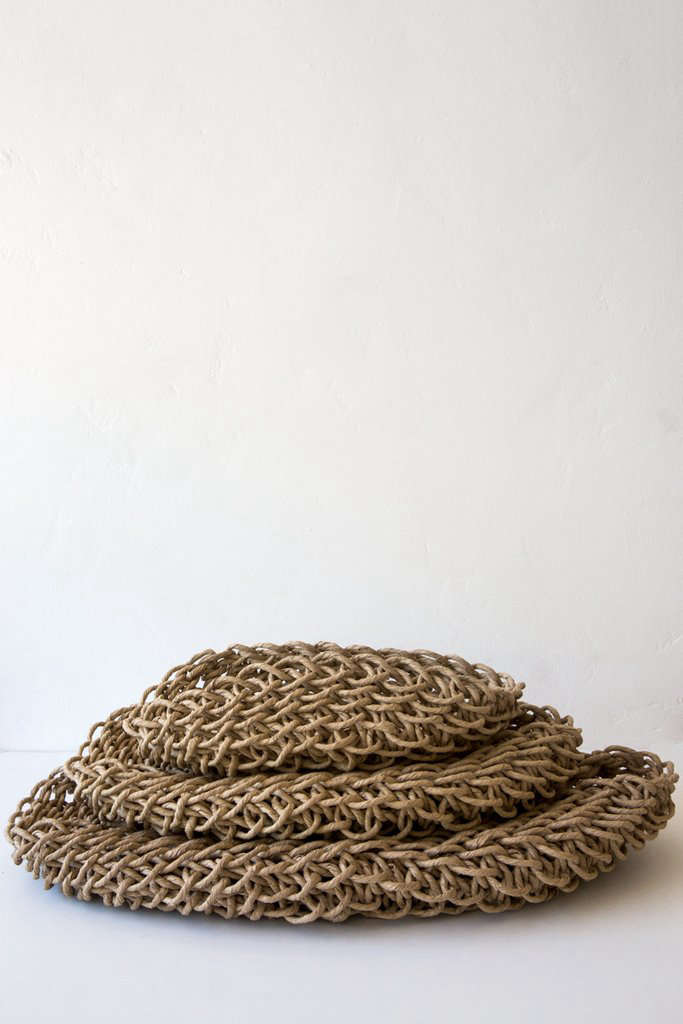
Some kitchen accessories whisper. Some politely sit in a corner and hold onions. The Best Before Tuti Fruiti Basket does neither. It walks into the room wearing a fruit-colored grin, drops a handful of lemons on the counter, and says, “Yes, I am useful, but please admire my texture first.”
This charming paper basket sits at the intersection of sustainable home decor, everyday storage, and handmade craft. It is not the kind of object that disappears into the background. Instead, it turns a simple pile of apples, oranges, avocados, or mail-you-meant-to-open-last-Tuesday into a small countertop still life. That is the magic of a well-designed basket: it organizes without looking bossy.
The name “Tuti Fruiti” is often seen in product listings, while the maker’s own collection also uses the more familiar “Tutti Frutti” styling. Either way, the spirit is clear: this is a fruit basket with personality. Designed by Best Before, a brand known for handmade objects using natural and environmentally friendly materials, the basket reflects a larger movement toward sustainable, tactile, artisan-made pieces in the modern home.
What Is the Best Before Tuti Fruiti Basket?
The Best Before Tuti Fruiti Basket is a decorative and functional paper basket intended for everyday storage, especially fruit. A U.S. product listing placed it in the kitchenware and food storage category, while a lifestyle feature described it as a cute, eco-friendly countertop basket made from 100% recycled paper and sized well for lemons, apples, and other small kitchen goods.
That combination matters. A fruit basket should not only look good in a photograph. It should earn its little patch of counter space. The Tuti Fruiti Basket does that by being light, textural, and visually warm. Unlike a heavy ceramic bowl or a cold metal wire basket, recycled paper cord brings softness to the kitchen. It looks handmade because it is rooted in handwork, not because a factory machine added “artisan texture” after lunch.
The Best Before Design Philosophy
Best Before’s collections are built around handmade objects, natural materials, and traditional craftsmanship. The brand’s designers, Corinne Muller and Piotr Oleszkowicz, focus on objects that connect daily use with craft heritage. Their work includes salt, paper baskets, paper lights, felt, wood, cotton, capim dourado, and glass.
The paper basket collection is especially interesting because it uses recycled paper and draws on the tradition of paper-cord macramé. Best Before describes this craft as once being an emblematic Korean practice, a popular way to transform used paper into useful objects. In a world full of “storage solutions” that look like they were designed during a very serious spreadsheet meeting, that background gives the basket a story worth telling.
Why Recycled Paper Works So Well
Recycled paper is not just a buzzword you sprinkle over a product description like parsley. In the United States, paper and paperboard have historically made up one of the largest categories of municipal solid waste. Recycling paper keeps material in circulation, reduces demand for virgin fiber, and helps lower landfill pressure.
For a small household object like the Best Before Tuti Fruiti Basket, the environmental impact is not about saving the planet single-handedly. No fruit basket should be given that much responsibility. The value is in the mindset it supports: choose durable, beautiful items made from thoughtful materials, use them often, and avoid disposable clutter. A basket that makes you want to keep your counter organized is already doing more emotional labor than most plastic bins.
A Basket That Makes Fruit Look Intentional
Fruit storage is one of those tiny domestic details that can make a kitchen feel either calm or chaotic. A few oranges in a handsome basket look wholesome and inviting. The same oranges rolling around beside the coffee maker look like they are trying to escape. The Best Before Tuti Fruiti Basket gives fruit a defined home, which makes the entire counter feel more composed.
It works best for produce that is happy at room temperature for a while: lemons, limes, oranges, apples, firm pears, bananas, onions, garlic, and decorative gourds. For softer or highly perishable items such as berries, cut fruit, mushrooms, herbs, or bagged greens, refrigerator storage is the safer choice. A beautiful paper basket is a stage, not a cold storage facility.
Best Fruits to Display
Citrus is the easiest win. Lemons and oranges add instant color, last reasonably well, and make the basket look like it belongs in a sunlit California kitchen even if your actual kitchen lighting is doing its best impression of a basement office. Apples also work nicely because they bring shape and color without requiring delicate treatment.
Bananas can be stored nearby but should be watched because they release ethylene gas, which speeds ripening in some other produce. Avocados are great while ripening, but once soft, they should be moved to the refrigerator if you are not ready to use them. Tomatoes can sit out for flavor, but they can also stain, so use a liner if they are very ripe.
How to Style the Best Before Tuti Fruiti Basket
The beauty of this basket is that it does not need a complicated styling plan. Place it where your eye naturally lands: near a cutting board, beside a coffee station, on an open shelf, or in the center of a small breakfast table. Add fruit in odd numbers for a relaxed look. Three lemons and two apples almost always look better than a military formation of eight identical oranges.
For a minimal kitchen, choose one fruit color at a time. A basket full of green apples feels crisp and modern. Lemons feel cheerful. Red apples feel classic. For a more eclectic kitchen, mix citrus, pears, and bananas for a casual market-basket look. The basket’s texture keeps the arrangement grounded, so even a colorful mix does not feel messy.
Beyond Fruit: Smart Everyday Uses
Although it shines as a fruit basket, the Tuti Fruiti Basket is flexible. Use it to hold cloth napkins, wrapped bread, tea towels, seed packets, small toys, entryway keys, or craft supplies. In a guest room, it can hold rolled washcloths and travel-size toiletries. On a desk, it can become a catchall for notebooks and chargers, though it may silently judge your cable situation.
The key is to keep the contents light and dry. Because the basket is made from recycled paper, it should be treated more like a textile object than a washable bowl. It is not the place for damp produce, wet flowers, or anything oily. Use a small cloth liner when needed, and give fruit a quick inspection before it goes in.
Care Tips for a Recycled Paper Basket
Paper baskets are wonderfully tactile, but they are not indestructible. Keep the Best Before Tuti Fruiti Basket away from standing water, heavy spills, and humid corners. If crumbs or dust collect inside, shake it gently or use a soft dry cloth. A small handheld vacuum on low suction can also help, provided you do not attack the basket like you are cleaning a car floor mat.
Avoid soaking, scrubbing, or using harsh cleaners. If a fruit leaks, remove the fruit immediately, blot the spot with a barely damp cloth, and let the basket air dry completely. To prevent trouble, check stored fruit every couple of days. One forgotten peach can turn from “farmers market chic” to “science fair project” with alarming speed.
Best Before, Best If Used By, and the Food Waste Connection
The name “Best Before” has a playful double meaning when the object is used for fruit. In food labeling, “best if used by” generally refers to quality rather than automatic spoilage. Consumers often throw away food too early because date labels are confusing, and U.S. agencies have encouraged clearer date labeling to reduce unnecessary waste.
A countertop basket can help with that problem in a humble way. When fruit is visible, people are more likely to eat it before it spoils. Hidden produce becomes refrigerator archaeology. Visible produce becomes breakfast, snacks, salad, cake, or at least a smoothie with heroic intentions.
How to Reduce Fruit Waste at Home
Start by buying what you realistically eat, not what your fantasy self eats. Fantasy self buys twelve pears, two pineapples, and a papaya on a Tuesday. Real self eats toast and forgets the papaya exists. Use the Best Before Tuti Fruiti Basket as a visual inventory system. If the basket is full, pause before buying more fruit.
Put ripest items on top. Move soft fruit to the refrigerator. Freeze overripe bananas for baking or smoothies. Turn tired citrus into juice, zest, or cleaning vinegar. Roast bruised apples with cinnamon. The basket does not solve food waste by itself, but it makes the problem visible before it becomes compost with a dramatic backstory.
Why Handmade Storage Feels Different
Handmade storage pieces bring irregularity, and irregularity brings warmth. A mass-produced plastic bin can be useful, but it rarely creates affection. The Best Before Tuti Fruiti Basket feels different because it shows the trace of craft. Its texture, material, and form suggest hands, time, and tradition.
That is why pieces like this work so well in modern interiors. Many kitchens are now dominated by smooth surfaces: quartz counters, stainless appliances, flat cabinets, glass jars, and polished faucets. A recycled paper basket interrupts all that sleekness with softness. It adds the visual equivalent of a linen shirt: relaxed, useful, and quietly stylish.
Who Should Buy the Best Before Tuti Fruiti Basket?
This basket is ideal for people who care about sustainable home decor, small-space organization, and artisan-made kitchen accessories. It is especially appealing if you like objects that do more than one job. It can store fruit, decorate a shelf, soften a modern kitchen, and make you feel slightly more organized than you were five minutes ago.
It may not be the best fit for someone who wants dishwasher-safe storage or rugged outdoor use. If your household includes toddlers who believe all baskets are hats, drums, or boats, place it somewhere safe. If your kitchen is very humid, use it for dry goods or linens rather than fresh produce.
Specific Examples for Everyday Use
In a small apartment kitchen, place the basket on top of the refrigerator with lemons, garlic, and onions. It adds height and texture without taking up prep space. In a family kitchen, keep apples and oranges inside so kids can grab snacks without rummaging through drawers. In a home office, use it for paper clips, sticky notes, and charging cables, creating a small joke about a recycled paper basket holding the chaos of modern technology.
For entertaining, fill it with citrus and place it beside sparkling water, cocktail tools, or a brunch spread. The basket instantly makes the setup feel more considered. It is the kind of detail guests notice without knowing exactly why the room feels nicer.
Buying and Value Considerations
When the Best Before Tuti Fruiti Basket appeared in curated U.S. design listings, it was priced as a premium handmade kitchenware item rather than a bargain-bin basket. That price reflects material, craft, import, curation, and design value. In other words, you are not just buying a container. You are buying a small object with a point of view.
Before purchasing, consider size, color, intended use, and care requirements. Natural paper tones blend beautifully with wood, stone, linen, and white kitchens. Black or darker versions can look graphic and modern. If you plan to use it mostly for fruit, check that the size matches your household habits. A tiny basket is adorable until you try to store a week’s worth of oranges in it.
Experience: Living With a Best Before Tuti Fruiti Basket
The first thing you notice when using a basket like this is how quickly it changes the mood of the counter. Before the basket, fruit tends to exist in temporary zones: a grocery bag on the floor, a bowl that is too shallow, or the mysterious corner where bananas go to become banana bread candidates. After the basket, the fruit has a home. That sounds small, but small domestic improvements are the ones we interact with every day.
In real use, the Best Before Tuti Fruiti Basket feels most satisfying when it is not overloaded. Five lemons, three apples, and a pear look charming. Fifteen apples look like you are opening a tiny roadside stand. The open, handmade character of the basket benefits from a little breathing room. The negative space lets the texture show, and the whole arrangement feels intentional rather than stuffed.
One of the best habits is to treat the basket as a weekly reset point. After grocery shopping, place room-temperature fruit inside and rotate older fruit to the top. On Wednesday, do a quick check. Is one avocado getting soft? Move it to dinner duty. Are the bananas freckled? Freeze them or make muffins. Is a lemon looking tired? Zest it before juicing. The basket becomes a friendly reminder system, less annoying than a phone notification and much better looking.
The tactile quality also matters. Recycled paper cord has a warmth that plastic storage rarely offers. When you pick it up, it feels light but crafted. That makes it easy to move from counter to table for brunch or snacks. A basket of citrus beside pancakes, coffee, and a jar of jam makes breakfast feel planned, even if the plan was mostly “please let there be coffee.”
Another pleasant surprise is how well it works outside the kitchen. In an entryway, it can hold sunglasses, mail, and keys. In a bathroom, it can store dry washcloths. In a nursery or child’s room, it can corral soft toys or blocks, as long as it is not treated roughly. On a bookshelf, it adds a rounded, organic shape that breaks up rows of hard book spines.
The only real caution is moisture. This is not a rinse-and-repeat object. You learn quickly to dry fruit before placing it inside and to avoid anything that might leak. A thin cloth napkin liner is helpful if you use it for produce with delicate skins. With that small adjustment, the basket remains easy to live with.
Over time, the Best Before Tuti Fruiti Basket feels less like a decorative purchase and more like a quiet household ritual. It encourages you to buy thoughtfully, display beautifully, eat what you have, and appreciate materials with a second life. It proves that sustainable design does not have to look stern or beige or like it came with a lecture. Sometimes it can simply be a cheerful recycled paper basket full of lemons, looking smug because it knows it made the kitchen better.
Conclusion
The Best Before Tuti Fruiti Basket is a small object with a surprisingly rich story. It brings together recycled paper, handcraft, Korean paper-cord tradition, modern kitchen styling, and practical fruit storage. It is useful without being boring and decorative without being fussy. That balance is why it works so well in real homes.
For anyone trying to make a kitchen feel warmer, greener, and more intentional, this basket is an easy piece to love. It stores fruit, reduces visual clutter, and reminds us that everyday objects deserve good design too. After all, if apples have to sit somewhere, they may as well sit somewhere fabulous.