Free time is a strange little gift. One minute it feels like a luxury. The next minute you are 47 minutes deep into watching a stranger organize a refrigerator on the internet, wondering whether your own life needs clear acrylic bins and emotional supervision. The truth is, free time is not just “empty space” between work, school, errands, and sleep. It is where your habits quietly build the person you are becoming.
That does not mean every spare second must become a productivity contest. Nobody needs to turn brushing their teeth into a personal branding opportunity. Useful free time is not about squeezing your soul into a spreadsheet. It is about choosing activities that give something back: better health, sharper thinking, stronger relationships, practical skills, calmer moods, or simply a cleaner, less chaotic life.
When used well, even small pockets of time can help you feel more capable and less scattered. A 20-minute walk, a chapter of a book, a simple budget review, a phone call to someone you love, or a few minutes of stretching can do more for your future than another round of scrolling through arguments between people you will never meet.
This guide explores five useful ways to fill your free time without becoming a joyless robot. These ideas are realistic, flexible, and suitable for students, busy professionals, parents, retirees, and anyone who has ever said, “I don’t have time,” while somehow knowing the complete plot of three streaming shows.
Why Useful Free Time Matters
Free time affects more than your schedule. It shapes your energy, mood, confidence, relationships, and sense of purpose. Research and expert guidance from health, education, and civic organizations consistently point in the same direction: people benefit from staying physically active, mentally engaged, socially connected, creatively involved, and financially aware.
The key is intention. Useful free time does not need to be complicated. It simply needs to be chosen on purpose. Instead of asking, “How do I kill time?” ask, “What would make my life 1% better today?” That tiny shift turns free time from a random leftover into a tool.
Here are five practical ways to make your free time more meaningful, productive, and enjoyable.
1. Move Your Body Before Your Couch Files a Missing Person Report
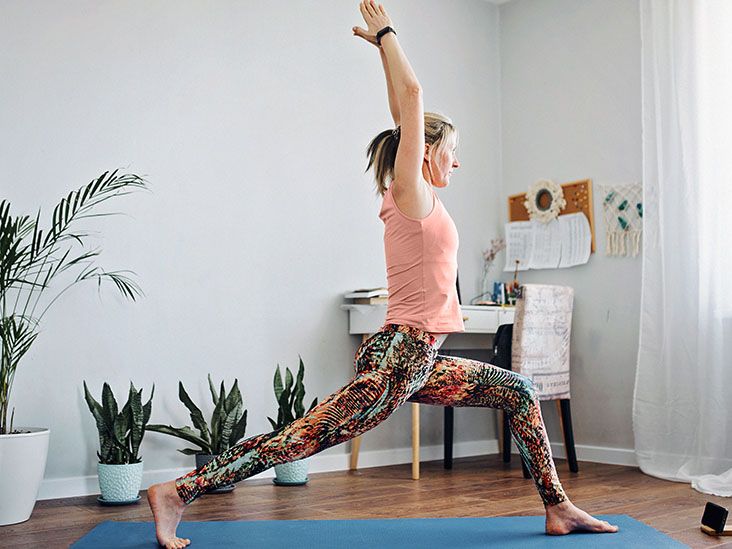
One of the best ways to use free time is physical activity. This does not mean you must join an expensive gym, buy neon shoes, or start speaking in protein-shake vocabulary. Movement can be simple: walking, cycling, dancing, stretching, swimming, gardening, bodyweight exercises, or taking the stairs instead of treating elevators like emotional support machines.
Health experts commonly recommend that adults aim for regular moderate physical activity each week, along with muscle-strengthening activities. The reason is simple: movement supports heart health, brain function, sleep quality, mood, strength, balance, and long-term independence. In plain English, your body likes being used for more than transporting snacks from the kitchen to the sofa.
Easy Ways to Add Movement to Your Free Time
Start small. A 10-minute walk after dinner is better than a perfect workout plan that exists only in your imagination. You can also try a “movement menu” so exercise feels less like punishment and more like choosing from a diner where everything is good for you.
- Take a brisk walk while listening to a podcast or audiobook.
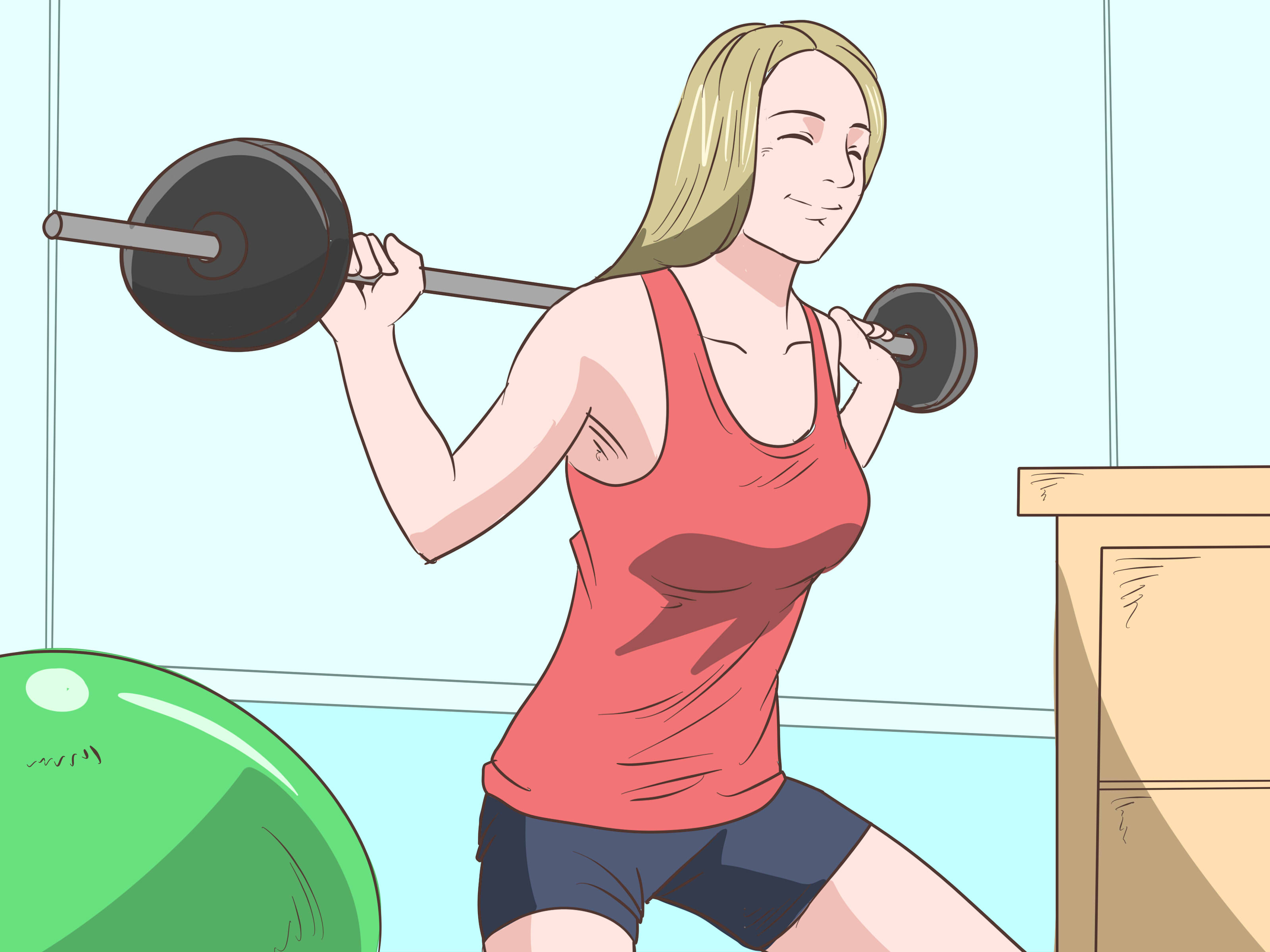
- Do a 15-minute home workout with squats, wall pushups, and planks.
- Stretch while watching TV instead of becoming one with the couch.
- Try dancing, yoga, hiking, swimming, or recreational sports.
- Use short breaks to stand, walk, or climb stairs.
The secret is consistency, not intensity. If you hate running, do not run. There is no award for choosing the exercise you dislike most. Pick something you can repeat. Useful free time works best when it is sustainable.
2. Learn Something That Makes Future You Smarter
Learning is one of the most useful ways to spend free time because it compounds. A little learning today can become a better job opportunity, a smarter decision, a richer conversation, or a new hobby tomorrow. Reading, taking courses, practicing a language, learning an instrument, studying personal finance, or improving digital skills can all keep your mind active and your options open.
Lifelong learning is especially valuable because the world refuses to sit still. Technology changes. Careers change. Even microwaves have more buttons than some old computers. Using free time to learn helps you adapt instead of feeling like life updated its software without telling you.
What Should You Learn?
The best topic depends on your goals. If you want career growth, learn skills related to your field: writing, communication, data analysis, coding basics, project management, design, sales, or leadership. If you want personal growth, try history, psychology, cooking, first aid, public speaking, or a new language. If you want brain exercise, read books, solve puzzles, play strategy games, or practice music.
You do not need to enroll in a full degree program to benefit. Many useful learning sessions can fit into small pockets of time.
- Read 10 pages of a nonfiction book each day.
- Watch one practical tutorial and take notes.
- Practice a language app for 15 minutes.
- Take a free or low-cost online course.
- Visit your local library for workshops, books, and community programs.
To make learning stick, use the “learn and apply” rule. Do not just consume information like intellectual popcorn. Use it. If you learn a cooking technique, make dinner. If you study budgeting, create a budget. If you watch a writing lesson, write one paragraph. Application turns free time into progress.
3. Build Relationships and Help Other People
Useful free time is not always about self-improvement. Sometimes the most valuable thing you can do is send a message, make a call, show up, volunteer, mentor someone, or help a neighbor carry groceries before they begin questioning their life choices in the parking lot.
Strong social connections are linked with better well-being, and volunteering can create a sense of purpose while strengthening communities. Helping others also has a sneaky bonus: it pulls you out of your own mental loop. When your brain is replaying the same worry for the 300th time, service can gently remind you that the world is bigger than your inbox.
Simple Ways to Be Useful to Others
You do not need to start a nonprofit by Tuesday. Small acts count. Useful social time can be as simple as checking on a friend, helping a younger sibling with homework, visiting an older relative, joining a neighborhood cleanup, donating usable items, or volunteering at a food pantry, library, school, shelter, animal rescue, or community event.
- Call someone you care about instead of only reacting to their posts.
- Volunteer once a month for a local cause.
- Offer practical help: tutoring, rides, meals, repairs, or errands.
- Join a club, class, sports group, faith community, or civic organization.
- Write a thoughtful thank-you note to someone who helped you.
If you feel awkward reaching out, use a simple script: “Hey, I had a little free time and thought of you. How are you really doing?” That sentence is not fancy, but it is human. In a world full of automated notifications, genuine attention is practically a superpower.
4. Create Something Instead of Only Consuming
There is nothing wrong with watching shows, scrolling, gaming, or relaxing online. The problem begins when all your free time turns into consumption and none of it becomes creation. Creating something gives your mind a different kind of satisfaction. You are not just absorbing the world; you are adding to it.
Creative activities can include writing, drawing, painting, photography, music, cooking, gardening, woodworking, crafting, sewing, decorating, making videos for fun, building a personal website, or designing something useful for your home. Creativity is not reserved for people wearing scarves indoors and saying things like “the piece explores tension.” Creativity is problem-solving with personality.
Why Creative Free Time Is Useful
Creative hobbies can reduce stress, improve mood, support mental flexibility, and help you express thoughts that are difficult to explain in ordinary conversation. They also build patience. Nobody becomes good at watercolor, guitar, baking, or writing by yelling “why are you like this?” at the project. Well, not only by yelling.
Try the 30-minute creation rule. Instead of waiting for inspiration to arrive dramatically through a window, set a timer and make something imperfect. Write a rough blog post. Sketch badly. Cook a new recipe. Rearrange a shelf. Take photos during a walk. Start a small container garden. The goal is not instant excellence; the goal is participation.
- Write a journal entry, short story, poem, or personal essay.
- Cook one new meal each week and save your favorite recipes.
- Try a craft such as knitting, painting, pottery, or simple woodworking.
- Take photos of ordinary objects and practice composition.
- Start a small creative project you can finish in one weekend.
Creating also gives you evidence that you can finish things. In a noisy world where many tasks never seem complete, a finished loaf of bread, repaired chair, clean photo album, or handmade gift feels wonderfully solid.
5. Organize Your Life: Money, Space, Plans, and Peace of Mind
Some of the most useful free-time activities are not glamorous. Nobody usually posts a dramatic selfie captioned, “Just reviewed my insurance documents. Feeling unstoppable.” But organizing your life can remove stress before it becomes a five-alarm emotional kitchen fire.
Use free time to handle the small tasks that make daily life smoother: budgeting, meal planning, cleaning, decluttering, updating your calendar, preparing for the week, backing up important files, organizing passwords, reviewing subscriptions, planning appointments, or setting goals. These are not exciting activities, but neither is searching for your tax document at midnight while whispering threats at a drawer.
Practical Life Admin Tasks Worth Doing
Start with the areas that create the most friction. If mornings are chaotic, prepare clothes, breakfast, and bags the night before. If money feels vague, track spending for one week. If your home feels overwhelming, declutter one drawer. If your schedule feels wild, plan the next seven days on paper or a calendar app.
- Create a simple monthly budget and review it once a week.
- Cancel subscriptions you no longer use.
- Set one short-term and one long-term financial goal.
- Clean one small area: a desk, drawer, shelf, or digital folder.
- Plan meals, appointments, exercise, and study time for the week.
- Build a bedtime routine that supports better sleep.
Life organization is useful because it reduces decision fatigue. When your environment and schedule are less chaotic, you spend less energy reacting and more energy living. Think of it as giving your future self a tiny personal assistant, except the assistant is you wearing yesterday’s sweatpants.
How to Choose the Best Useful Activity for Your Free Time
The best activity depends on what you need most. If you feel sluggish, move. If you feel bored, learn. If you feel lonely, connect. If you feel stressed, create or practice mindfulness. If you feel overwhelmed, organize. Free time becomes powerful when it answers a real need instead of simply filling silence.
A helpful method is the “energy check.” Before choosing an activity, ask yourself three questions:
- What do I have energy for? Choose a realistic activity, not a fantasy version of yourself.
- What would make tomorrow easier? Pick one task that removes future stress.
- What would make me feel proud tonight? Choose something small enough to finish.
This method prevents overplanning. Many people ruin useful free time by designing a heroic schedule that would exhaust a professional athlete, a monk, and a tax accountant at the same time. Keep it simple. One useful thing is enough to change the tone of a day.
Useful Free Time Does Not Mean Every Minute Must Be Productive
Let’s be clear: rest is useful. Sleep is useful. Sitting quietly is useful. Laughing with friends is useful. Watching a movie can be useful if it helps you relax, bond, or enjoy life. The goal is not to eliminate fun. The goal is to stop confusing numbness with rest.
Real rest leaves you feeling restored. Mindless overconsumption often leaves you feeling foggy, guilty, or weirdly tired even though you technically did nothing. A good free-time routine includes both growth and recovery. You are a person, not a charging cable with calendar invites.
A Simple Weekly Free-Time Plan
If you want a practical starting point, try this balanced weekly plan:
- Monday: Walk for 20 minutes and plan your week.
- Tuesday: Read or take an online lesson for 30 minutes.
- Wednesday: Call a friend, relative, or mentor.
- Thursday: Work on a creative hobby for 30 minutes.
- Friday: Review spending, clean one small area, or prepare for the weekend.
- Saturday: Volunteer, explore nature, cook something new, or attend a community event.
- Sunday: Rest, reflect, and set one intention for the next week.
This schedule is not a prison. Swap activities as needed. The point is rhythm, not perfection. A useful life is built through repeatable habits, not dramatic bursts of motivation followed by three weeks of pretending the plan never existed.
Extra Experiences: Real-Life Ways People Turn Free Time Into Something Useful
One of the easiest ways to understand useful free time is to look at ordinary experiences. Most people do not transform their lives in one grand cinematic montage. They do it in small, almost boring moments that slowly become powerful.
Consider a college student who has one hour between classes. At first, that hour disappears into scrolling, snacks, and panic about assignments not yet started. Then she tries a simple rule: 30 minutes for schoolwork, 20 minutes for walking, and 10 minutes for messages. Within a few weeks, she is less behind, less tired, and less dependent on midnight miracles. Her free time did not increase. Her intention did.
Or picture an office worker who feels mentally drained after work. He does not have the energy for a huge side project, so he starts cooking dinner twice a week instead of ordering takeout. At first, the meals are humble. One chicken dish looks like it survived a minor kitchen weather event. But over time, he saves money, eats better, learns new recipes, and gains confidence. Useful free time often begins with a slightly burned pan and a willingness to try again.
Another example is a retiree who wants more structure. She begins volunteering at a local library once a week. The task is simple: help organize books and greet visitors. But the experience adds social connection, movement, routine, and purpose. She starts recognizing regular visitors. Conversations grow. Her week gains a new anchor. Useful free time can be especially powerful when it connects personal interests with community needs.
A young parent might use free time differently. With limited energy and unpredictable schedules, a giant self-improvement plan is unrealistic. Instead, he chooses micro-habits: stretching while the baby plays, listening to educational podcasts during chores, preparing lunches at night, and reading two pages before sleep. None of these habits is dramatic, but together they create a sense of control. In busy seasons, useful free time must be gentle or it will not survive contact with real life.
Then there is the person who feels stuck, bored, and creatively dry. She decides to spend Sunday afternoons making things badly on purpose: bad sketches, bad poems, bad photos, bad homemade pasta. The “badly on purpose” rule removes pressure. Eventually, some of the work becomes not bad. A few pieces even become good. More importantly, she remembers that creativity is not a trophy awarded to special people. It is a muscle built by using it.
Useful free time also works when applied to money. A man who avoids looking at his bank account finally spends 25 minutes every Friday reviewing expenses. The first session is uncomfortable, like making eye contact with a raccoon in your kitchen. But after a month, he notices patterns: unused subscriptions, impulse food delivery, small purchases that quietly multiply. He cancels what he does not need, sets a savings goal, and feels less anxious because the mystery is gone.
The best lesson from these experiences is that useful free time should fit your life, not someone else’s highlight reel. A useful activity for one person might be joining a running club. For another, it might be taking a nap because they are exhausted and becoming emotionally dangerous near customer service representatives. Wisdom is knowing the difference.
When choosing how to spend your own free time, start with one honest question: “What part of my life needs care right now?” If your body needs care, move. If your mind needs care, learn. If your heart needs care, connect. If your stress needs care, create, meditate, or rest. If your future needs care, organize. This approach makes free time feel less like a test and more like a conversation with yourself.
Conclusion
Free time is more than leftover minutes. It is a daily opportunity to become healthier, wiser, calmer, kinder, and more prepared. You do not need a perfect routine, expensive tools, or a personality transplant. You only need to choose one useful thing often enough that it becomes part of who you are.
Move your body. Learn something. Help someone. Create something. Organize your life. Rest when you need rest. Laugh often. Stop waiting for a magical future version of yourself who wakes up at 5 a.m. glowing with discipline and drinking green liquid voluntarily. Start with the version of you that exists today.
Useful free time is not about doing more for the sake of doing more. It is about spending your hours in ways that give life back to you. And that, unlike a four-hour scroll session, is something you will rarely regret.
Note: This article is written for general lifestyle and educational purposes. Readers should adapt the ideas to their health, schedule, budget, and personal responsibilities.