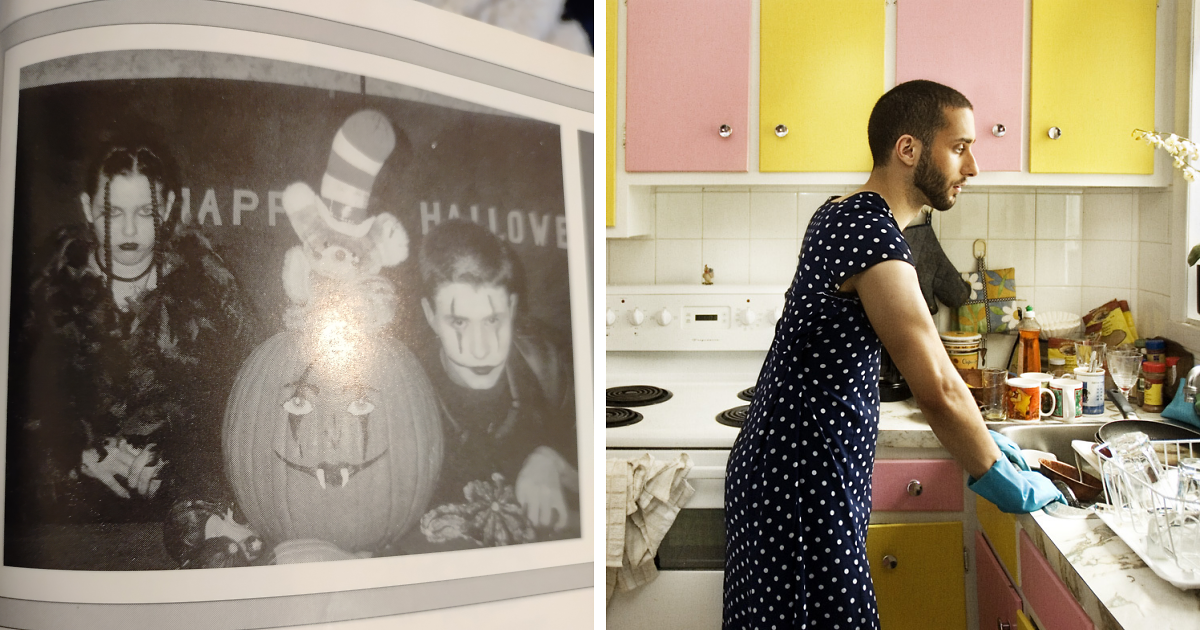
There are two kinds of people on the internet: people who admit they love cringy images, and people who pretend they are “above that” while secretly zooming in on every awkward family photo, badly timed selfie, cursed cake inscription, and mall mannequin that looks like it has seen the end of civilization. The phrase “Hey Pandas, I Want You To Share Some Cringy Images” sounds like a casual community prompt, but it taps into something much bigger: our collective obsession with secondhand embarrassment.
Cringy images are not just random weird pictures. They are tiny visual stories. A poorly cropped wedding sign, a restaurant menu with terrifying grammar, an inspirational quote printed on the wrong background, a social media post that tried to be cool and accidentally became fossil evidencethese images make us wince, laugh, and whisper, “Oh no, buddy.” They live at the intersection of humor, awkwardness, digital culture, and human error.
In online communities like Bored Panda, Reddit-style discussion threads, meme pages, and social platforms, cringy images often become a group activity. Someone shares an image. Others react. A joke snowballs. Suddenly, a small awkward moment becomes a miniature internet event. But while cringe can be funny, it also comes with a responsibility: not every embarrassing image deserves to be shared, and not every laugh is harmless.
What Makes an Image “Cringy”?
A cringy image is usually funny because something feels socially off. The person in the photo may be trying too hard. The design may be painfully bad. The caption may have the emotional subtlety of a foghorn. The situation may be so awkward that your soul attempts to exit your body through your left shoulder.
Cringe often appears when there is a gap between intention and result. Someone wanted to look romantic, professional, edgy, inspirational, or luxuriousbut the final image screams “group project completed five minutes before class.” That mismatch is what makes viewers react. We are not only seeing the image; we are imagining the social moment around it.
Common Types of Cringy Images
Some cringy images are harmless and silly. Others can cross into bullying or privacy violations. The best cringe content is usually about situations, design fails, public signs, awkward products, odd decorations, or accidental comedynot humiliating private individuals.
- Awkward social media posts: Overly dramatic captions, accidental oversharing, or attempts at deep wisdom that land like a pancake on wet pavement.
- Design fails: Signs, logos, shirts, cakes, ads, or packaging with unfortunate wording or visual placement.
- Fashion experiments: Outfits that are bold, confusing, and possibly designed by a committee of caffeinated raccoons.
- Family photo chaos: Old portraits, strange poses, matching outfits, and backgrounds that deserve their own documentary.
- Corporate cringe: Brands trying to sound young online and accidentally producing “How do you do, fellow kids?” energy.
- Accidental optical illusions: Images that look wrong at first glance, then become funny once your brain reloads.
Why Do We Love Cringy Images So Much?
Cringy images are popular because they create an instant emotional reaction. You do not need a long explanation. One glance and the body responds: laugh, wince, gasp, scroll back up, send to a friend. That speed makes cringe perfect for modern internet culture, where attention spans are shorter than the life expectancy of a cookie near a teenager.
There is also a social side to cringe. Sharing a cringy image says, “Please witness this with me.” It turns a private reaction into a group experience. People bond over awkwardness because awkwardness is universal. Everyone has worn the wrong thing, said the wrong sentence, posed strangely in a photo, or posted something online that now deserves to be buried under several layers of password protection.
Cringe Is Secondhand Embarrassment
Psychologists often discuss embarrassment as a social emotion. It helps people understand norms, repair awkward moments, and recognize when something has gone sideways in public. Cringe is closely related because it lets us feel embarrassment on behalf of someone else. We are not the person in the photo, but our brain still says, “I would like to leave this room immediately.”
That is why cringe can be oddly addictive. It is uncomfortable but safeat least when the image is harmless. We experience the emotional spark without actually being the person who wore a cape to a work meeting or printed “Happy Birthday Brian” on a cake for someone named Brandon.
The Internet Turned Cringe Into a Community Sport
Before social media, cringe lived in family albums, local newspapers, school yearbooks, and that one box of photos your aunt insists on opening during holidays. Now, cringe travels globally in seconds. A strange sign in Ohio, a cursed chair from a thrift store, or a motivational poster with the wrong stock photo can become entertainment for millions.
Platforms built around images have made this even easier. People now collect visual oddities the way previous generations collected stamps, except stamps rarely said “Live, Laugh, Lasagna” in glitter font. Online communities invite people to share, vote, comment, remix, and react. That participation keeps cringe alive.
Why “Hey Pandas” Works as a Prompt
The “Hey Pandas” style feels friendly and conversational. It does not sound like a corporate survey. It sounds like someone pulling up a chair and saying, “Okay, show me the weird stuff.” That relaxed tone encourages participation, especially when the topic is light, funny, and visual.
But a good community prompt needs boundaries. Asking users to share cringy images can be fun when the focus stays on public, harmless, non-invasive content. It becomes risky when people upload private photos, minors, medical situations, personal drama, or images meant to mock someone who did not consent to becoming internet entertainment.
How to Share Cringy Images Without Being a Digital Goblin
Cringe content works best when it punches up, sideways, or at an objectnot down at a vulnerable person. A misspelled restaurant sign? Usually fair game. A bizarre product photo? Excellent. A public ad campaign that tried too hard? Bring popcorn. But a private photo of a classmate, coworker, child, patient, or stranger in distress? Absolutely not.
The golden rule is simple: if the person in the image would feel harmed, exposed, threatened, or humiliated, do not share it. The internet has a long memory and terrible manners. What seems funny for five minutes can follow someone for years.
Safe Cringe Sharing Checklist
- Remove personal information: Blur names, addresses, school logos, license plates, phone numbers, and usernames.
- Avoid private individuals: Do not upload images of people who did not agree to be shared, especially minors.
- Focus on objects or public design: Signs, packaging, decorations, menus, and ads are safer than personal photos.
- Do not encourage harassment: A joke should not become a pile-on.
- Check the context: Sometimes an image looks cringy only because the viewer does not understand the situation.
- Keep it funny, not cruel: The best cringe makes people laugh without making one person the target of a digital tomato-throwing festival.
Examples of Cringy Images That Are Funny Without Being Mean
Cringe does not have to be cruel. Some of the funniest examples are about objects, not people. Imagine a bakery cake that says, “Sorry You Got Fired” in cheerful pink frosting. It is awkward, but nobody needs to be publicly identified. Or picture a motivational office poster that reads, “Teamwork Makes the Dream Work” beside a photo of one exhausted employee doing everything alone. That is workplace poetry, unfortunately.
Other safe examples include a restaurant sign advertising “Fresh Human Coffee,” a store mannequin dressed like it survived a tornado in a scarf factory, or a wedding decoration where the romantic initials accidentally spell something deeply unromantic. These images make us laugh because the mistake is visible, absurd, and low-stakes.
Cringe Categories That Always Deliver
Typography disasters are elite cringe material. When words are spaced badly, printed vertically in the wrong order, or placed over a chaotic background, the message becomes accidental comedy. A shirt meant to say “Choose Joy” might read “Choo Sejoy,” which sounds like a minor Star Wars character.
DIY fails are another treasure chest. Homemade decorations, craft projects, repairs, and cakes often begin with confidence and end with a photo captioned, “Well, we tried.” The charm is in the effort. A lopsided gingerbread house or a painted chair that looks haunted can be cringy and lovable at the same time.
Corporate youth-speak may be the purest form of modern cringe. When brands force slang into ads, the result often feels like a dad wearing sunglasses indoors and asking if the meeting is “lit.” It is not offensive; it is just spiritually itchy.
Why Cringy Images Go Viral
Cringy images are highly shareable because they are easy to understand. They do not require a lecture, a chart, or a 42-minute video essay. A good cringe image delivers the setup, punchline, and emotional reaction all at once. That makes it perfect for feeds where users move quickly from one post to the next.
They also invite commentary. People love adding captions, imagining backstories, or debating whether something is actually cringy or secretly iconic. One viewer sees a disaster. Another sees art. A third says, “Wait, I own that exact shirt,” and the room gets very quiet.
The Role of Relatability
The most powerful cringy images often remind us of ourselves. We laugh because we recognize the energy. Maybe we once posted a dramatic status update with song lyrics. Maybe we had a phase involving fingerless gloves, unnecessary eyeliner, or inspirational quotes over sunset photos. Cringe becomes funny because it is close enough to touch.
That closeness is why older personal photos can be hilarious when shared voluntarily. A person posting their own awkward prom picture or childhood fashion disaster is different from someone exposing another person without permission. Self-aware cringe says, “Look how human I was.” Non-consensual cringe says, “Let’s laugh at someone who didn’t sign up for this.” Only one of those belongs in a healthy online community.
The Privacy Problem: When Funny Becomes Harmful
Modern images can contain more information than people realize. A photo may reveal a face, location, workplace, school, house number, medical detail, or private relationship. Even when the main subject seems harmless, the background can spill personal information like a backpack with a broken zipper.
That matters because viral content is difficult to control. Screenshots travel. Reposts remove context. A joke can move from one friendly thread to a hostile corner of the internet. Once that happens, the original uploader may not be able to undo the damage.
Digital Footprints Are Stickier Than They Look
A digital footprint is the trail people leave online through posts, photos, comments, searches, and shared content. Cringy images can become part of that trail, especially if they include identifiable people. What feels like a harmless post today may become embarrassing later when seen by classmates, relatives, teachers, employers, or future audiences who do not understand the original joke.
That does not mean everyone should become terrified of posting anything. It means we should be thoughtful. The internet is not a private living room; it is more like a living room with 700 windows and a raccoon live-streaming from the ceiling fan.
How to Build a Better Cringe Thread
If you want to create a fun “Hey Pandas, share cringy images” discussion, make it easy for people to participate responsibly. Start with a friendly introduction, explain what kind of images are welcome, and set clear limits. The best cringe threads feel playful, not predatory.
Good Community Rules for Cringy Image Posts
- Share only images you own, made yourself, or found in clearly public contexts.
- Do not post private people, children, classmates, coworkers, patients, or vulnerable individuals.
- Blur identifying details before uploading.
- No hate, harassment, or body-shaming.
- Make the joke about the situation, not someone’s identity.
- When in doubt, choose a picture of a weird sign instead. Weird signs never file emotional damage claims.
These rules protect the tone of the thread. They also make the content better. When people know the boundaries, they get more creative. Instead of relying on cheap humiliation, they find clever visual oddities: cursed furniture, tragic graphic design, overconfident menus, suspicious mascots, and decorations that look like they were assembled during a mild haunting.
Writing Captions for Cringy Images
A good caption can turn a mildly awkward image into comedy gold. The trick is to avoid overexplaining. Let the image breathe. The best captions often sound like a friend reacting in real time.
Caption Ideas That Work
- “Somewhere, a graphic designer felt a chill and did not know why.”
- “This cake has the emotional range of a customer service hold message.”
- “The sign said what it said, and I am choosing fear.”
- “This outfit walked so regret could run.”
- “I have questions, but I’m afraid the answers come with coupons.”
- “Design meeting ended early that day, clearly.”
Humor lands better when it feels witty rather than nasty. A caption should invite people into the joke, not point a spotlight at someone’s worst day.
When Cringe Becomes Nostalgia
One of the sweetest parts of cringe culture is nostalgia. Old photos that once made people hide under a blanket can become beloved evidence of growth. The hairstyle was questionable. The pose was dramatic. The outfit involved three belts and no clear plan. But the memory is real.
Personal cringe can be a reminder that everyone is unfinished. We all move through phases. We all try on identities. We all make choices that future versions of ourselves will judge with the calm brutality of a museum curator. That is not failure. That is being alive.
Personal Experiences With Cringy Images
Everyone has a personal archive of cringy images, even if they pretend otherwise. Mine would begin with the classic school photo era: stiff shoulders, forced smile, background that looked like a laser storm, and hair arranged with the confidence of a small weather event. At the time, it probably felt normal. Years later, it becomes a museum exhibit titled “Child With No Control Over Styling Decisions.”
Then there are the early social media years, when people treated every profile picture like a dramatic album cover. The camera angle came from outer space. The caption involved mysterious sadness. The filter made everyone look like they were living inside a cup of iced tea. Nobody simply posted “Had a good day.” We posted lyrics, symbols, and emotional riddles like we were leaving clues for a detective.
Family photos add another layer. Matching outfits always seemed cute in theory, but history has shown that a family dressed entirely in denim can look less like a portrait and more like a committee meeting at a cowboy wallpaper company. Holiday photos are even better. Someone is blinking, someone is holding a pet that wants legal representation, and someone in the back has clearly given up on the concept of joy.
Cringy images from work or school can also become legendary, as long as they are shared kindly. A presentation slide with too many fonts. A handmade poster where the spacing creates an accidental new word. A team-building photo where half the group is smiling and the other half looks like they just heard the Wi-Fi password expired. These moments are funny because they reveal the gap between polished intention and human reality.
The best experience with cringy images is when people share their own. Self-submitted cringe has warmth. It says, “I survived this version of myself, and now we may laugh together.” That is very different from exposing someone else. When a person chooses to share their awkward prom pose, failed craft project, or old fashion disaster, the humor becomes generous. It is not a trap; it is an invitation.
I once saw a thread where people shared their most questionable DIY attempts. There were cakes leaning like tired buildings, Halloween costumes made from cardboard and hope, and home repairs that looked like modern art installations. The comments were funny, but mostly kind. People were not mocking effort; they were celebrating the glorious mess of trying. That is the ideal spirit of cringy image culture.
Another unforgettable category is “parents discovering technology.” Screenshots of accidental selfies, sideways videos, or captions typed entirely in the search bar can be hilarious, but they should be shared with permission. The humor comes from the universal learning curve, not from humiliating someone. Everyone has been new at something. Some people just happen to document it with the front camera pointed directly at their forehead.
In the end, cringy images remind us that perfection is boring. The internet is full of polished photos, edited videos, and carefully posed lifestyles. Cringe cuts through all of that with a crooked smile and a badly printed banner. It says, “People are weird, mistakes happen, and sometimes the cake decorator misunderstood the assignment.” That honesty is refreshing.
So yes, share cringy imagesbut share them with care. Choose images that make people laugh without harming someone. Blur details. Respect privacy. Celebrate awkwardness instead of weaponizing it. The funniest cringe is not cruel; it is human. And honestly, humanity has always been a little blurry, badly captioned, and wearing the wrong hat for the occasion.
Conclusion
“Hey Pandas, I Want You To Share Some Cringy Images” is more than a funny prompt. It is a doorway into internet humor, visual storytelling, social awkwardness, and digital responsibility. Cringy images work because they are fast, emotional, relatable, and often absurd. They give people a chance to laugh at mistakes, design fails, old trends, and the wonderfully strange evidence of human creativity gone slightly off-road.
But the best cringe content follows one important rule: be funny without being harmful. Share public oddities, design disasters, awkward objects, and your own embarrassing throwbacks. Avoid exposing private people, sensitive moments, or anyone who did not consent to becoming entertainment. When cringe is handled with humor and empathy, it becomes more than mockery. It becomes a shared reminder that everyone is awkward sometimesand that is exactly what makes the internet so weirdly alive.
SEO Tags
Note: This article is written for web publication in standard American English and is based on synthesized information about online communities, cringe humor, privacy, digital footprints, and responsible image sharing.