Shyness can feel like standing behind a glass wall. You can see the conversation, the opportunity, the friendship, the joke everyone is laughing atbut somehow your mouth has packed a suitcase and moved to another ZIP code. The good news? Confidence is not a magical personality trait handed out at birth to people with great hair and firm handshakes. It is a skill. More accurately, it is a stack of small skills you can practice until social situations feel less like a pop quiz and more like a normal Tuesday.
Learning how to go from shy to confident does not mean becoming loud, fake, or the person who says “Let’s do icebreakers!” at meetings. Please, society has suffered enough. It means feeling more comfortable being yourself around others. It means speaking up when you have something to say, meeting new people without rehearsing every possible sentence in advance, and trusting that one awkward pause will not be entered into the historical record.
This guide shares 17 proven strategies to build social confidence, reduce self-consciousness, and develop stronger communication skills. Whether you are shy at work, nervous in groups, hesitant on dates, or simply tired of overthinking every “hello,” these practical steps can help you move forwardone brave, slightly uncomfortable, very human moment at a time.
What Shyness Really Is
Shyness is a feeling of nervousness, awkwardness, or self-consciousness in social situations. It often appears when you meet new people, speak in groups, receive attention, or worry about being judged. Shyness is not a flaw. It is not weakness. It is your nervous system trying to protect you from embarrassment, rejection, or uncertaintyeven when the actual danger is just a cashier asking whether you want a receipt.
There is also a difference between shyness, introversion, and social anxiety. Introversion means you may prefer quieter environments or need alone time to recharge. Shyness involves fear or discomfort in social interaction. Social anxiety can be more intense and persistent, causing people to avoid everyday situations because they fear humiliation or judgment. If your fear feels overwhelming or disrupts work, school, relationships, or daily life, professional support can make a major difference.
How to Go From Shy to Confident: 17 Proven Strategies
1. Start With Self-Acceptance, Not Self-Attack
Many shy people try to shame themselves into confidence. They think, “Why am I like this?” or “Everyone else is normal.” Unfortunately, self-criticism does not create courage; it creates more tension. Confidence grows faster when you begin with acceptance: “I feel shy, and I can still take one small step.”
Try replacing harsh inner talk with realistic inner coaching. Instead of “I’m terrible at conversations,” say, “I’m practicing conversations.” Instead of “I looked awkward,” say, “I showed up, and that counts.” Self-acceptance does not mean staying stuck. It means creating a safe mental place from which change becomes possible.
2. Define What Confidence Means for You
Confidence does not look the same for everyone. For one person, it may mean giving a presentation without panicking. For another, it may mean joining a group lunch, asking a question in class, introducing themselves at an event, or telling a barber the haircut is not quite right before leaving with “accidental mushroom chic.”
Write down your personal definition of confidence. Be specific. “I want to be more confident” is a nice wish. “I want to speak once during team meetings” is a workable goal. When confidence becomes measurable, it becomes trainable.
3. Build a Confidence Ladder
A confidence ladder is a list of social challenges ranked from easiest to hardest. This idea comes from exposure-based approaches: instead of throwing yourself into the scariest situation first, you practice gradually. Small steps teach your brain that discomfort is survivable.
Your ladder might look like this: smile at a neighbor, say good morning to a coworker, ask a store employee a question, make small talk with a barista, share an opinion in a meeting, attend a networking event for 30 minutes, then give a short presentation. Each step builds evidence that you can handle more than your fear predicts.
4. Practice Tiny Social Reps Every Day
Confidence is like a muscle. If you only use it once every six months at a wedding reception, it will wobble. Daily social reps help you become more comfortable. These reps should be small enough that you actually do them.
Say “Have a good one” to the cashier. Ask a coworker how their weekend was. Compliment someone’s coffee mug. Send one friendly message. Make eye contact for one extra second. None of these actions needs to be dramatic. You are not auditioning for Broadway; you are teaching your brain that connection is safe.
5. Shift Attention Outward
Shyness often turns attention inward. You monitor your voice, your face, your hands, your posture, your word choice, and whether your laugh sounded like a malfunctioning printer. The more you monitor yourself, the more nervous you feel.
Try shifting your attention outward. Focus on the other person’s words, tone, interests, and emotions. Give yourself a mission: learn one new thing about them. This reduces self-consciousness and makes conversation easier because you are no longer trying to perform confidence; you are practicing curiosity.
6. Use the “Two-Question Rule”
If you struggle with small talk, use a simple formula: ask two follow-up questions before changing the topic. For example, if someone says they went hiking, ask, “Where did you go?” and “Was it a tough trail?” This keeps the conversation moving without forcing you to become a stand-up comedian with weather updates.
Good follow-up questions show interest and reduce pressure. You do not need brilliant lines. You need presence. Most people enjoy talking to someone who listens well.
7. Prepare Conversation Starters in Advance
Preparation is not cheating. It is social sunscreen. Before an event, prepare three simple topics: something you watched, something you read, something happening locally, a hobby, a work-related observation, or a light question like, “How do you know the host?”
Keep your starters natural and flexible. The goal is not to memorize a script like a nervous robot. The goal is to give your mind a few stepping stones so it does not freeze at the edge of the conversation pond.
8. Challenge Mind Reading
Shy people are often excellent mind readersexcept the readings are usually wrong and weirdly mean. You may assume, “They think I’m boring,” “Everyone noticed I blushed,” or “That pause means they hate me.” These thoughts feel true, but feelings are not always facts.
Challenge mind reading with evidence. Ask: “What proof do I have?” “Is there another explanation?” “What would I tell a friend who thought this?” Maybe the person looked away because they were tired. Maybe the pause was normal. Maybe nobody noticed the tiny mistake you have been mentally replaying like a director’s cut.
9. Improve Body Language Gently
Confident body language can influence how others perceive you and how you feel inside. You do not need to swagger into rooms like a movie villain entering a boardroom. Start with basics: stand tall, relax your shoulders, keep your arms uncrossed, face the person speaking, and make comfortable eye contact.
Practice open posture for a few minutes before social situations. Take slow breaths and let your face soften. Small physical adjustments can send your nervous system a message: “We are not being chased by wolves. We are just attending brunch.”
10. Learn Assertiveness, Not Aggression
Assertiveness means expressing your needs, preferences, and boundaries clearly while respecting others. It is not being rude, pushy, or loud. For shy people, assertiveness can feel uncomfortable at first because it requires visibility.
Practice simple assertive sentences: “I’d prefer Friday.” “I’m not available then.” “I have a different perspective.” “Could you clarify that?” “No, thank you.” These phrases are short, polite, and powerful. Confidence grows when you prove to yourself that your voice deserves space.
11. Rehearse Difficult Moments
Role-playing may feel silly, but it works because your brain benefits from rehearsal. Practice introducing yourself, answering common questions, asking for help, disagreeing respectfully, or starting a conversation. You can rehearse with a trusted friend, therapist, coach, or even alone.
Do not aim for perfection. Aim for familiarity. The first time you say something should not always be during the scariest moment. Rehearsal turns unknown territory into a path you have walked before.
12. Stop Waiting to Feel Ready
One of the biggest confidence myths is that confident people feel ready before they act. Often, they act while feeling uncertain. Confidence usually arrives after action, not before it. If you wait until anxiety disappears, you may wait a very long timeand anxiety will be sitting beside you, eating popcorn.
Use the phrase: “I can do this while nervous.” You can ask a question while nervous. You can attend the event while nervous. You can introduce yourself while nervous. The goal is not zero fear. The goal is brave behavior.
13. Reduce Avoidance
Avoidance feels good in the short term. Canceling plans, staying silent, or hiding behind your phone lowers anxiety immediately. But over time, avoidance teaches your brain that social situations are dangerous. That makes shyness stronger.
Start noticing your avoidance habits. Do you leave early? Pretend to text? Avoid eye contact? Skip opportunities? Choose one pattern to change gently. Stay five minutes longer. Ask one question. Put the phone away for part of the conversation. Progress comes from staying present long enough to learn that you can cope.
14. Celebrate Small Wins
Shy people often dismiss progress. You might say, “I only made one comment,” or “I only stayed for 20 minutes.” Remove the word “only.” One comment is progress. Twenty minutes is practice. Smiling at someone when you usually look away is a win.
Keep a confidence log. Write down small victories every day: “Asked a question.” “Answered the phone.” “Introduced myself.” “Did not replay the conversation for three hours.” Your brain needs proof that change is happening. Give it receipts.
15. Build Competence in One Area
Confidence often grows from competence. Choose one skill that matters to you and improve it: public speaking, writing, fitness, cooking, interviewing, storytelling, leadership, humor, or a hobby. As you become more capable in one area, your self-trust expands.
This does not mean you must become exceptional to deserve confidence. It means practice creates evidence. When you see yourself improving at something, you start believing improvement is possible elsewhere too.
16. Spend Time With Encouraging People
Your social environment matters. If you spend time with people who interrupt, mock, criticize, or treat vulnerability like a competitive sport, confidence may shrink. Look for people who make conversation feel safe, balanced, and kind.
Supportive people do not erase shyness, but they make practice easier. Join low-pressure communities: book clubs, fitness classes, volunteering groups, hobby meetups, professional workshops, or online communities that lead to healthy real-world interaction. Confidence grows faster in environments where you are allowed to be a beginner.
17. Get Professional Help When Shyness Becomes Overwhelming
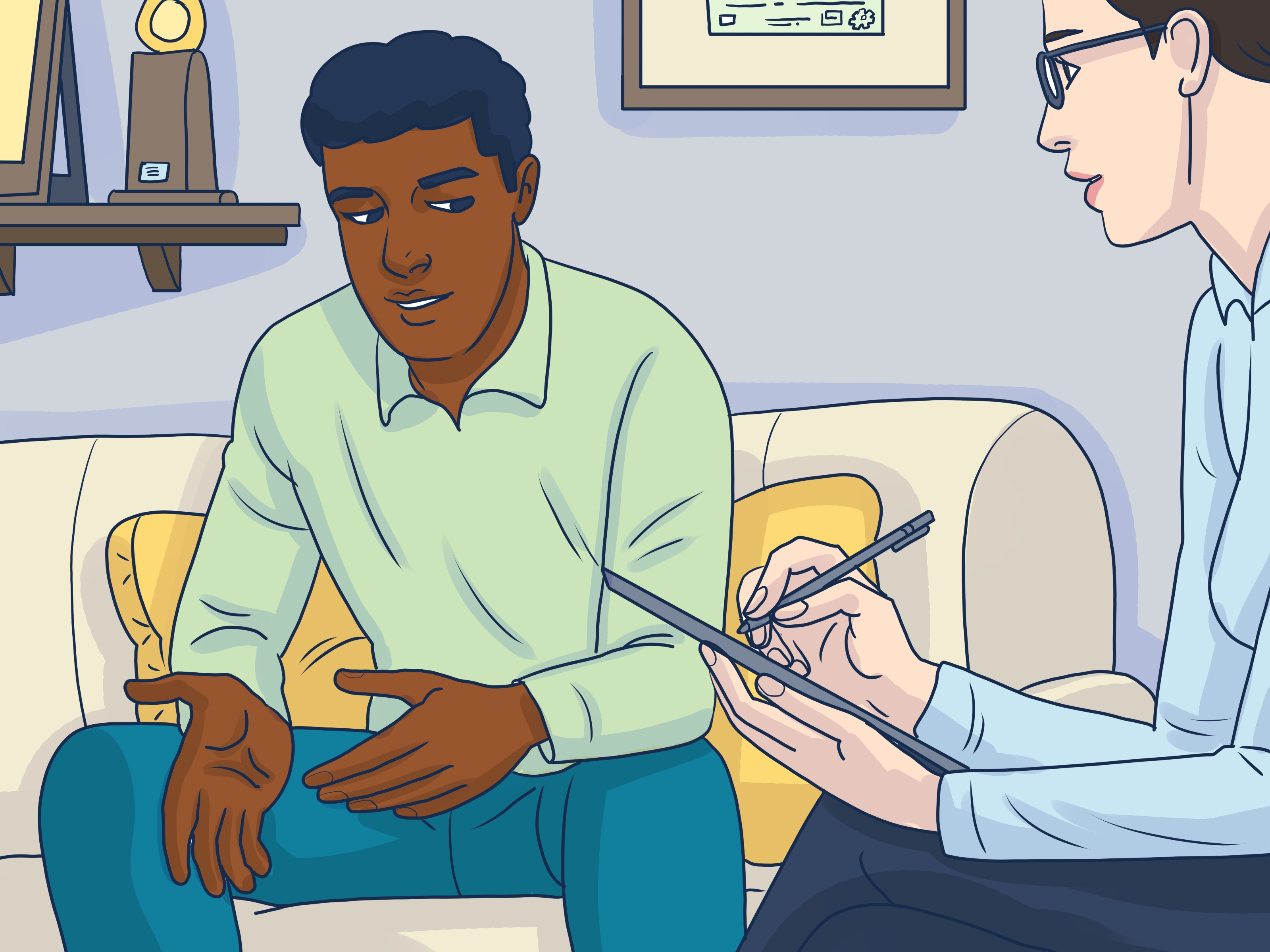
If shyness causes intense fear, panic, isolation, missed opportunities, or major distress, consider talking with a mental health professional. Cognitive behavioral therapy, exposure-based strategies, social skills training, and sometimes medication can help people manage social anxiety and build confidence.
Seeking help is not admitting defeat. It is getting a guide for terrain that has been difficult to cross alone. You would not judge someone for hiring a coach to learn tennis, yet many people expect themselves to master anxiety with pure willpower. Support is not weakness; it is strategy.
Common Mistakes That Keep Shy People Stuck
Trying to Become Someone Else
The goal is not to transform into the loudest person in the room. Quiet confidence is real. You can be thoughtful, calm, introverted, and confident at the same time. Authentic confidence feels like being more yourself, not performing a personality costume.
Overpreparing Until You Never Act
Preparation helps, but endless preparation becomes avoidance in a fancy hat. Reading about confidence is useful; practicing confidence is what changes your life. Choose one strategy and use it today.
Expecting Every Interaction to Go Smoothly
Awkward moments happen to everyone. Confident people are not awkwardness-free; they simply recover faster. If a conversation gets clunky, smile, breathe, ask a question, or move on. A weird sentence is not a life sentence.
Real-Life Examples of Building Confidence
The Quiet Coworker
Imagine someone named Maya who rarely speaks during meetings. Her confidence ladder begins with writing one idea before each meeting. In week one, she simply listens. In week two, she asks one clarifying question. In week three, she shares one prepared point. After two months, she is not suddenly giving motivational speeches in the break room, but she is contributing regularly. That is confidence.
The Nervous Student
Now picture Jordan, a college student who avoids group projects because introductions feel terrifying. Jordan starts practicing tiny social reps: saying hello to classmates, asking about assignments, and attending office hours. Eventually, group work feels less threatening because it is no longer unfamiliar. Confidence grows through repetition.
The Socially Anxious Friend
Consider Alex, who wants deeper friendships but cancels plans at the last minute. Alex sets a smaller goal: attend for 30 minutes instead of the whole night. At the event, Alex asks two people simple questions and leaves on time. The night is not perfect, but it is successful. Confidence is built by keeping promises to yourself.
of Personal-Style Experience: What the Journey From Shy to Confident Often Feels Like
Going from shy to confident rarely feels like a movie montage. There is no dramatic soundtrack, no sudden wardrobe upgrade, and no magical moment where you kick open a door and announce, “I am socially powerful now.” In real life, it usually feels smaller, messier, and much more meaningful.
At first, confidence may feel fake. You say hello even though your stomach flips. You ask a question even though your voice sounds softer than you planned. You attend the event but spend the first ten minutes pretending to read a label on a bottle of sparkling water with the focus of a museum scholar. That is normal. Early confidence often feels like acting because your nervous system has not caught up with your decision yet.
Then something interesting happens. You survive. The cashier does not laugh when you ask where the oatmeal is. The coworker does not roll their eyes when you share an idea. The person at the party does not walk away because you asked what they do for fun. Some conversations are warm. Some are forgettable. A few are awkward enough to make you stare at the ceiling later and whisper, “Why did I say it like that?” But even those moments become less powerful over time.
One of the biggest lessons is that confidence is not about controlling everyone’s opinion of you. That is impossible, and frankly, exhausting. Confidence is about trusting yourself to handle whatever happens. If someone is friendly, great. If someone is distracted, you do not collapse. If a joke does not land, you continue breathing like a champion. If you blush, stumble, or lose your words, you remind yourself that being human in public is not a crime.
Another experience many people notice is that social skills improve through attention, not pressure. When you stop obsessing over how you appear, you start noticing other people more clearly. You hear what they care about. You catch details. You ask better questions. You realize that many people are also nervous, distracted, or hoping to be liked. This can soften the whole social world. Suddenly, conversation is not a stage. It is a shared space.
Confidence also changes your relationship with opportunity. Shyness often says, “Don’t try unless you can guarantee success.” Confidence says, “Try because growth requires evidence.” You apply for the role. You introduce yourself. You join the class. You speak up before the moment passes. Not every attempt changes your life, but every attempt changes your self-image. You become someone who participates.
The journey is not perfectly upward. Some days you will feel bold; other days you will feel like your old shy self has returned wearing sunglasses and carrying snacks. That does not mean you failed. Confidence is a practice, not a permanent mood. The more you practice, the easier it becomes to return to brave behavior.
Eventually, you may discover that confidence is quieter than you expected. It is not always charisma or applause. Sometimes it is ordering what you actually want. Sometimes it is saying, “I disagree.” Sometimes it is walking into a room, feeling nervous, and staying anyway. That kind of confidence is real, durable, and available to you one step at a time.
Final Thoughts: Confidence Is Built, Not Born
Learning how to go from shy to confident is not about deleting your personality. It is about expanding your comfort zone so fear no longer makes all your decisions. You can start small, practice often, challenge unhelpful thoughts, use gradual exposure, improve communication skills, and surround yourself with people who make growth feel possible.
The shy part of you may still show up sometimes. Let it. You do not need to fight it dramatically in the parking lot. Just thank it for trying to protect you, then take the next step anyway. Confidence is not the absence of nerves. It is the decision to participate in your own life, even when your nerves come along for the ride.
Note: This article is for educational purposes only. If shyness or social anxiety causes severe distress, panic, isolation, or major interference with daily life, consider speaking with a licensed mental health professional.