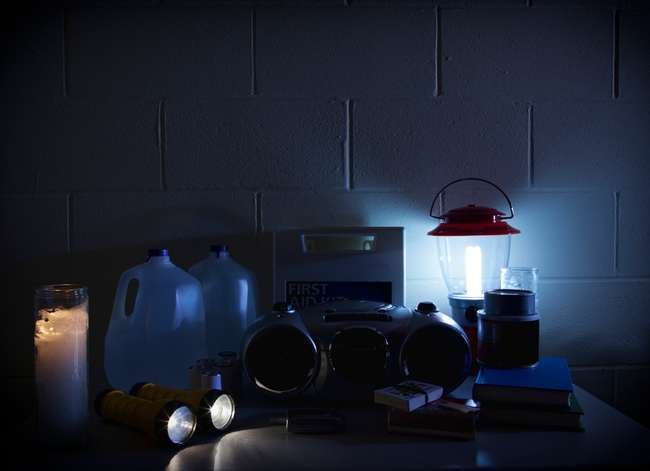
When the power goes out, modern life gets hilariously primitive in about six minutes. The Wi-Fi disappears. The fridge starts its quiet countdown. Someone asks where the flashlight is, and everyone suddenly becomes an expert at blaming everyone else. A blackout can be a minor annoyance, or it can turn into a messy, expensive, uncomfortable ordeal if the outage drags on for hours or days.
That is why smart power outage preparedness is less about panic-buying ten thousand batteries and more about building a practical, easy-to-grab system. The right power outage essentials can help you stay safe, protect your food, keep critical devices running, and avoid the classic mistakes people make when the lights go out. The goal is not to turn your house into a bunker. The goal is to make sure your household can function calmly and safely until electricity returns.
This guide breaks down the 15 things you should have ready for a power outage, along with examples, common mistakes, and a reality-based look at what blackouts actually feel like. Think of it as a home emergency checklist with better manners and fewer doomsday vibes.
Why Preparing for a Blackout Matters
A power outage affects more than lighting. It can disrupt refrigeration, cooking, heating and cooling, internet access, phone charging, medication storage, security systems, medical equipment, water access in some homes, and even the ability to open certain garage doors or electronic locks. That means a blackout is not just inconvenient. It can create health and safety risks surprisingly quickly.
The best outage kit is not one giant mystery bin shoved behind holiday decorations. It is a set of supplies you can find fast, use safely, and maintain without needing a treasure map. With that in mind, here are the items worth having at the ready before the next storm, grid failure, or “why is the whole block dark?” moment arrives.
15 Things to Have at the Ready in Case the Power Goes Out
1. Flashlights and Headlamps
A reliable flashlight is the first MVP of any blackout. Battery-powered flashlights and headlamps are safer than candles, easier to use, and much less likely to turn a power outage into a fire emergency. Headlamps are especially handy when you need both hands free to check a breaker, carry supplies, or locate the dog, who has somehow chosen this exact moment to become invisible.
Keep at least one flashlight in every bedroom, one in the kitchen, and one near your main electrical panel. Store them where people can reach them in the dark, not buried in a junk drawer under expired coupons and mystery screws.
2. Extra Batteries and Fully Charged Power Banks
A flashlight without working batteries is just a very disappointing paperweight. Stock the battery sizes your devices actually use, label them, and check expiration dates a couple of times a year. At the same time, keep portable power banks charged for phones, tablets, and small electronics. In a long outage, communication matters as much as lighting.
It is also smart to keep charging cords together in one pouch. During a blackout, people will absolutely insist that they “just had” the cable they now cannot find. Beat the chaos before it starts.
3. Drinking Water
Water is one of the most important items in any emergency outage kit. If a storm or utility problem affects water service, you may need bottled or stored water for drinking, basic food prep, and hygiene. A good household rule is to store enough water for several days, and more if you live in an area where outages often overlap with severe weather.
Small bottles are convenient, but larger containers are often more cost-effective. If you store water long term, rotate it as recommended and keep it in a cool, clean place. No one wants their emergency water tasting like the inside of a hot garage.
4. Nonperishable Food and a Manual Can Opener
When the stove, microwave, and takeout options all fail at once, shelf-stable food becomes your best friend. Keep a supply of foods that require little or no cooking, such as peanut butter, crackers, granola, nuts, canned beans, tuna, soups, dried fruit, shelf-stable milk, and ready-to-eat snacks. Pick foods your household will actually eat. Emergency sardines do not count if everyone in the house would rather starve dramatically.
And yes, you also need a manual can opener. It is the tiny hero of blackout planning and the item most people realize they forgot only after they are staring at a can of soup like it personally betrayed them.
5. A Cooler, Ice Packs, and Appliance Thermometers
One of the biggest blackout mistakes is casually opening the fridge every ten minutes to “check on things.” During a power outage, cold storage becomes a timing game. A cooler with ice or frozen gel packs can help save essential refrigerated foods, especially if the outage stretches beyond a few hours. Appliance thermometers for the fridge and freezer also help you judge food safety instead of relying on vibes and wishful thinking.
This setup is especially useful for households with milk, baby formula, perishable groceries, or temperature-sensitive medication that must stay cool.
6. A Battery-Powered or Hand-Crank Radio
During a widespread outage, cell service can become unreliable, internet access can vanish, and rumors somehow multiply faster than rabbits. A battery-powered or hand-crank radio helps you get weather alerts, local emergency instructions, and updates when your usual digital channels are down.
If you live in an area prone to hurricanes, tornadoes, ice storms, or wildfire-related shutoffs, this item moves from “nice to have” to “why don’t more people own one?” quickly. Add spare batteries and store the radio with your core outage supplies.
7. First Aid Supplies and Essential Medications
Your blackout emergency kit should include a stocked first aid kit, basic over-the-counter items, and a supply of any prescription medications your household relies on. Outages can make trips to the pharmacy difficult, and severe weather can close roads or stores when you need them most.
Think beyond bandages. Include pain relievers, allergy medication, antiseptic wipes, gloves, and anything specific to your household’s needs. If someone in the home uses refrigerated medication, ask the prescribing provider ahead of time what to do during an extended outage and what temperature limits matter most.
8. A Backup Plan for Medical Devices
If anyone in your home depends on electricity for health or mobility, this item is not optional. CPAP machines, home oxygen equipment, power wheelchairs, suction devices, and similar tools require advance planning. A prolonged outage is much harder when essential care depends on a wall outlet.
Plan for backup batteries, external power stations, an alternate location, or another approved solution recommended by the device manufacturer or healthcare provider. Keep emergency contact numbers on paper and know where your nearest support options are if power stays out longer than expected.
9. Paper Copies of Important Contacts, Documents, and Instructions
People assume their phone contains everything they need until the battery hits 4 percent and the signal disappears. Keep printed copies of key phone numbers, emergency contacts, insurance information, medication lists, and household instructions in a waterproof folder. Add your utility company number, pediatrician, pharmacy, landlord or building manager, and nearby relatives or neighbors.
This simple folder can save enormous stress. It is also a smart place to keep some cash, because electronic payment systems and ATMs do not always cooperate during large outages.
10. Cash in Small Bills
A blackout can knock out card readers, gas station pumps, and ATMs. A modest stash of cash in small denominations can help you buy fuel, food, ice, or basic supplies when digital payment systems are down. You do not need a movie-villain suitcase full of money. You just need enough to handle a couple of days of essentials.
Store it securely and check it once in a while so it does not become your home’s most forgotten “decorative emergency accessory.”
11. Warm Layers, Blankets, and Seasonal Comfort Supplies
The danger of an outage depends heavily on the weather. In winter, lost heat can become a real health issue. In summer, no air conditioning can make indoor spaces miserable or unsafe. Keep blankets, sleeping bags, hats, socks, extra layers, and weather-appropriate comfort items together so they are easy to grab.
In hot climates, include battery-powered fans, cooling towels, and extra water. In cold climates, think thermal layers, insulated blankets, and draft-blocking basics. Comfort is not fluff during an outage. It helps people stay calm, rest better, and make better decisions.
12. Smoke Alarms, Carbon Monoxide Alarms, and a Fire Extinguisher
Power outages often bring risky behavior: candles, grills used too close to the house, generators placed in the wrong spot, and improvised heating ideas that sound clever until the fire department disagrees. Working smoke alarms and carbon monoxide alarms with battery backup are essential. A fire extinguisher belongs in an easy-to-reach place, not hidden behind paint cans in the garage.
If your outage prep involves any backup power or alternate heat source, this safety layer is nonnegotiable. Preparedness is great. Preparedness with functioning alarms is better.
13. Surge Protection and an Unplug Strategy
When electricity returns, it may not glide back in like a polite guest. Power surges can damage electronics and appliances. Use surge protectors for sensitive devices, and know which appliances to unplug during an outage if the situation seems unstable. Televisions, gaming systems, computers, and major kitchen appliances are all worth protecting.
Leave one lamp turned on so you know when power returns, but otherwise avoid turning everything back on at once. Your home does not need to re-enter the modern age in a single dramatic moment.
14. A Safe Backup Power Source
If your budget allows, a portable power station or properly used generator can make a huge difference in an extended outage. A power station may be enough for phones, lights, internet equipment, or small medical devices. A generator can support more, but it also comes with serious safety rules. It must be used outdoors and positioned well away from doors, windows, and garages. Fuel storage, cords, ventilation, and maintenance all matter.
This is one area where “close enough” is a terrible strategy. If you invest in backup power, learn how to use it before the weather turns ugly.
15. Supplies for Babies, Pets, and Anyone With Extra Needs
A home outage plan should match the real people and animals who live there. That means diapers, wipes, formula, pet food, bottled water, litter, comfort items, mobility aids, spare glasses, hearing aid batteries, and anything else your household uses daily. Emergency planning gets much easier when it is personal instead of generic.
Do a quick thought experiment: if the power went out tonight for 48 hours, what would your household run short on first? That answer should tell you exactly what belongs in this part of the kit.
Common Power Outage Mistakes to Avoid
Even well-meaning households make the same errors over and over. One of the biggest is relying too much on the refrigerator without a backup cooling plan. Another is using candles everywhere because they seem cozy right up until they are not. People also underestimate how quickly phones die when everyone is checking updates nonstop, and they forget that outages affect cash access, medication refills, and simple communication.
Another common problem is treating outage prep like a one-time purchase. Real readiness means maintenance. Check batteries. Rotate food and water. Replace expired medications. Test alarms. Recharge power banks. Review the plan with your household so everyone knows where supplies are and what to do. A blackout is not the ideal time for a family meeting that begins with, “Wait, where did we put the emergency bin?”
What Real Power Outage Experience Teaches You
People often imagine a blackout as one cinematic hour of dramatic flashlight shadows and then, poof, everything is normal again. Real outages are usually less glamorous and more educational. The first hour feels manageable. Phones still have battery. The house still holds its temperature. Everyone says things like, “This probably won’t last long.” That sentence has the same energy as “We won’t need sunscreen.” It is usually wrong.
By hour three, the inconvenience becomes more specific. Someone wants coffee. Someone else wants to know if the frozen food is still okay. The kids discover that boredom expands to fill any available space. If the outage happens at night, you suddenly realize how many routines depend on electricity without ever announcing it. Outdoor lights, the garage door opener, device chargers, the microwave clock, the internet router, the white-noise machine, the bedside lamp, and half the kitchen all vanish at once.
By the next morning, the households that prepared even a little look very different from the ones that did not. The prepared home has flashlights in obvious places, a cooler already packed with ice, breakfast options that do not require a stove, and phones charging from backup batteries. The unprepared home is conducting archaeology in a hall closet while arguing over whether crackers count as dinner leftovers.
Extended outages also reveal how emotional preparedness matters. A family that has a plan tends to stay calmer. They know who checks the breaker, who listens for updates, which food gets eaten first, and when it is time to move refrigerated items to a cooler. They know where the blankets are. They know the pets have enough supplies. They know the medication bag is ready. That knowledge lowers stress more than people expect.
Another real-world lesson is that comfort has value. A simple lantern in the kitchen, a charged fan in summer, dry socks in winter, and a radio delivering useful information can make a house feel steady instead of chaotic. These are not luxury items during an outage. They are morale tools. And morale matters when the neighborhood is dark, the forecast is unclear, and everyone is slightly annoyed at the utility company.
Many people also learn that a blackout turns neighbors into an actual community again. Someone shares ice. Someone has a working camp stove used safely outdoors. Someone checks on an older resident down the block. Someone has extra batteries. Preparedness works best when it is not purely individual. A well-prepared household is safer, but a well-prepared block is stronger.
The biggest takeaway from real outage experience is simple: the goal is not perfection. You do not need a warehouse of supplies or a luxury generator setup to be ready. You need the basics, a little planning, and the discipline to keep key items stocked. The households that weather outages best are rarely the fanciest ones. They are the ones that took boring preparation seriously before it became urgent.
Final Thoughts
A power outage can be inconvenient, uncomfortable, or dangerous depending on the season, the length of the outage, and the needs of your household. The smartest move is to prepare before the lights go out. A practical power outage checklist built around lighting, communication, food safety, medical needs, backup power, and household comfort can turn a stressful blackout into a manageable disruption.
Start with the essentials, store them where you can reach them fast, and review the kit regularly. When the next outage hits, you will not be the person wandering through the dark looking for a flashlight with 2 percent phone battery and a can of beans you cannot open. That alone is a beautiful kind of preparedness.