Depression is a master of bad marketing. It takes ordinary pain, wraps it in doom, and sells it back to the mind as “truth.” It whispers that nothing will improve, that getting help is weakness, and that even the brightest victories do not count. Senator John Fetterman’s struggle with mental health brought those lies into the national spotlight, not as a political talking point, but as a deeply human story about illness, treatment, recovery, and the courage to say, “I need help.”
Fetterman, the Democratic senator from Pennsylvania, was already one of the most recognizable figures in American politics before his mental health treatment became public. At 6-foot-8, with his shaved head, goatee, tattoos, hoodies, and plainspoken style, he did not exactly blend into the Senate wallpaper. But behind the public image was a harder reality: a 2022 stroke, a bruising Senate campaign, auditory-processing challenges, and a serious episode of clinical depression that led him to seek inpatient treatment at Walter Reed National Military Medical Center in early 2023.
His story matters because depression does not care whether you have won an election, earned a title, built a family, or look “strong” from the outside. It can affect mayors, senators, parents, students, veterans, athletes, executives, and the neighbor who always remembers to bring the good dip to the block party. The lesson is not that public figures are fragile. The lesson is that mental health is health, and treatment can be life-changing.
Who Is John Fetterman, and Why Did His Mental Health Story Resonate?
John Fetterman built his political identity far from the polished consultant-speak of Washington. Before becoming a U.S. senator, he served as mayor of Braddock, Pennsylvania, a small former steel town outside Pittsburgh. Later, he became Pennsylvania’s lieutenant governor and then won a nationally watched U.S. Senate race in 2022. His brand was direct, unconventional, and sometimes meme-powered. In other words, he was not the guy people expected to deliver a careful, focus-grouped speech about vulnerability.
That is partly why his public openness about depression landed with such force. In February 2023, his office announced that he had checked into Walter Reed for treatment of clinical depression. The statement explained that he had experienced depression at different points in his life, but that it had become severe in the weeks before he sought care. At the time, Fetterman had only recently entered the Senate after a campaign shaped by his recovery from a stroke.
The public reaction was notable. Many politicians, mental health advocates, medical professionals, and ordinary Americans praised the decision to seek treatment. In a culture that still sometimes treats mental illness like a character flaw, Fetterman’s choice challenged an old and stubborn myth: that strong people simply “push through” depression. In reality, strong people call the doctor, follow the treatment plan, and let other people help carry the groceries when life has become a Costco-size emotional load.
The Timeline: Stroke, Senate Victory, and Clinical Depression
The 2022 Stroke
During his 2022 Senate campaign, Fetterman suffered a stroke. He later returned to the campaign trail, but the stroke left him with auditory-processing difficulties, meaning he could sometimes struggle to process spoken words in real time. He used captioning and transcription technology to help him communicate and perform his duties. That detail is important because recovery from a major health event can affect more than the body. It can reshape sleep, confidence, relationships, work routines, and the way a person sees the future.
Winning Did Not Make Depression Disappear
Fetterman won the 2022 Senate race, flipping a key Pennsylvania seat. From the outside, victory looked like a neat Hollywood ending: dramatic health scare, tough campaign, election night win, roll credits. But depression does not always read the script. In later interviews, Fetterman explained that the emotional reality after the win was far more complicated. The applause was real, but so was the fog.
That contrast is one of the most important parts of the story. Depression can distort achievement. It can make success feel hollow, relationships feel distant, and daily tasks feel strangely heavy. A person may look productive while privately feeling disconnected. This is why telling someone with depression to “just be grateful” is usually about as helpful as telling a flat tire to remember all the good roads it has traveled.
Seeking Inpatient Treatment at Walter Reed
In February 2023, Fetterman entered Walter Reed for inpatient treatment. His medical team later described gradual improvement, including better sleep, improved eating and hydration, stronger motivation, and better engagement with others. By the time he was discharged in late March 2023, his office said his depression was in remission.
The word “remission” is powerful. It does not mean a person has been magically upgraded into a permanently cheerful sitcom neighbor. It means symptoms have improved enough that the illness is no longer controlling daily life in the same way. For many people with depression, remission comes through a combination of medical care, therapy, lifestyle support, rest, education, and honest follow-up. Recovery is often less like flipping a light switch and more like slowly cleaning a window until the room gets brighter.
Understanding the Lies Depression Tells
The phrase “the lies of depression” is not just poetic; it is practical. Depression can change how the brain interprets reality. It can make temporary pain feel permanent, normal mistakes feel unforgivable, and available help feel useless. The danger is not only sadness. The danger is believing the distorted story depression tells.
Lie #1: “You Are the Only One”
Depression often isolates people by convincing them their struggle is uniquely shameful. But major depression affects millions of American adults. Mental health challenges are common across age groups, income levels, careers, and political identities. Fetterman’s story helped remind people that depression can appear in the life of someone who is visible, accomplished, married, elected, and surrounded by staff. No one is too successful to need support.
Lie #2: “Getting Help Means You Failed”
This may be depression’s most annoying lie, and frankly, it deserves to be left on read. Seeking help is not failure. It is treatment. If someone breaks a bone, we do not ask them to prove their moral toughness by avoiding an X-ray. If someone has pneumonia, we do not clap because they refused antibiotics. Mental health care deserves the same common sense.
Fetterman’s decision to seek inpatient care was not a retreat from responsibility. It was a step toward being able to live, work, and serve with greater stability. In public life, that kind of honesty can reduce stigma for people who are far from politics but very close to pain.
Lie #3: “You Should Be Able to Handle It Alone”
Depression loves to turn self-reliance into a trap. Support from spouses, friends, doctors, therapists, colleagues, and family members can be essential. Fetterman’s wife, Gisele, publicly expressed pride that he asked for help. Her reaction pointed to a truth many families learn the hard way: loved ones can encourage, support, and stay present, but the person struggling still deserves professional care.
Lie #4: “If You Look Strong, You Must Be Fine”
Fetterman’s physical presence has always been part of his public image. He looks like someone who could carry a refrigerator, argue with a steel beam, and win. But physical size, career success, humor, and toughness do not prevent depression. A person can be loud in public and hurting in private. They can laugh at dinner and struggle at breakfast. They can show up for everyone else while quietly running on fumes.
Post-Stroke Depression: The Health Context Behind the Headlines
Fetterman’s depression also opened a wider conversation about post-stroke depression. Medical experts have long recognized that depression is common after stroke. The reasons can be biological, emotional, and practical. A stroke can affect brain function, physical ability, speech, hearing, independence, and identity. Suddenly, the body that once felt familiar may feel unpredictable. That is a lot for any human being to process, even one with excellent doctors and a hoodie collection strong enough to deserve its own caucus.
Post-stroke depression is not simply “feeling bummed out” after a health scare. It can affect rehabilitation, motivation, relationships, and overall recovery. This is why screening and treatment matter. When depression is recognized early, patients and families can build a stronger care plan. That plan may include therapy, medication, sleep support, physical rehabilitation, social connection, and regular monitoring by health professionals.
Fetterman’s use of assistive technology after his stroke also matters. Captioning and transcription tools helped him process spoken communication. Instead of treating accommodations as embarrassing, his story showed that tools are not shortcuts; they are bridges. Glasses help people see. Ramps help people enter buildings. Captions help people communicate. None of these things make a person less capable. They make participation possible.
Why Public Honesty About Depression Reduces Stigma
In American culture, stigma still keeps many people silent. Some worry they will be judged at work. Others fear being seen as unreliable. Men, in particular, are often taught to translate every emotion into either silence or “I’m fine,” which is a very short sentence doing way too much unpaid labor.
When a sitting senator publicly receives treatment for depression and returns to work, it chips away at the idea that mental illness must be hidden. It also complicates the lazy stereotype that mental health care is only for people who cannot function. In reality, many people seek care because they want to function better, love better, parent better, study better, lead better, and stop pretending that burnout is a personality.
Fetterman’s story did not erase stigma overnight. No single interview, news cycle, or personal revelation can do that. But it gave people language. It made depression less abstract. It showed that a person can be both vulnerable and responsible, both ill and capable, both in treatment and in public service.
The Role of Social Media: Fuel, Fire, and Emotional Static
Fetterman later spoke about the impact of social media during his mental health struggles. That part of the story is painfully relatable. Social media can be useful, funny, informative, and occasionally the place where someone teaches you how to clean a dishwasher filter you did not know existed. But it can also be a high-speed machine for comparison, criticism, rumor, and emotional overload.
For public figures, the pressure is extreme. Every facial expression can become commentary. Every health update can become speculation. Every family member can become a target for strangers with Wi-Fi and no manners. But even people outside politics can feel the same emotional static. A teen scrolling through perfect lives, a worker reading angry comments, or a parent watching everyone else’s “highlight reel” can absorb more negativity than they realize.
One practical takeaway is simple: mental health boundaries online are not weakness. Muting, blocking, logging off, taking app breaks, and refusing to read cruel comments are not acts of denial. They are basic emotional hygiene. Nobody would stand in a room while strangers shouted insults for two hours and call it “staying informed.” The internet should not get a special exemption.
What Fetterman’s Recovery Story Teaches About Treatment
Treatment for depression is not one-size-fits-all. Some people benefit from talk therapy. Some need medication. Some need inpatient care during a severe episode. Some need lifestyle changes, medical evaluation, better sleep, reduced stress, or treatment for related conditions. Many need a combination. The key is that depression is treatable, and the first plan does not have to be the final plan.
Fetterman’s reported improvement at Walter Reed included basic but essential signs of recovery: sleep, nutrition, hydration, motivation, self-attitude, and engagement with others. These details may sound ordinary, but depression often attacks ordinary life first. Showering, eating, answering texts, opening mail, or leaving the house can become difficult. Recovery often begins by rebuilding those small daily anchors.
Another lesson is education. Fetterman reportedly read about depression during treatment and asked questions. That matters. Learning about depression can help people separate symptoms from identity. Instead of “I am broken,” a person can begin to say, “I am experiencing symptoms, and symptoms can be treated.” That shift may sound small, but it can change everything.
How Families Can Support Someone with Depression
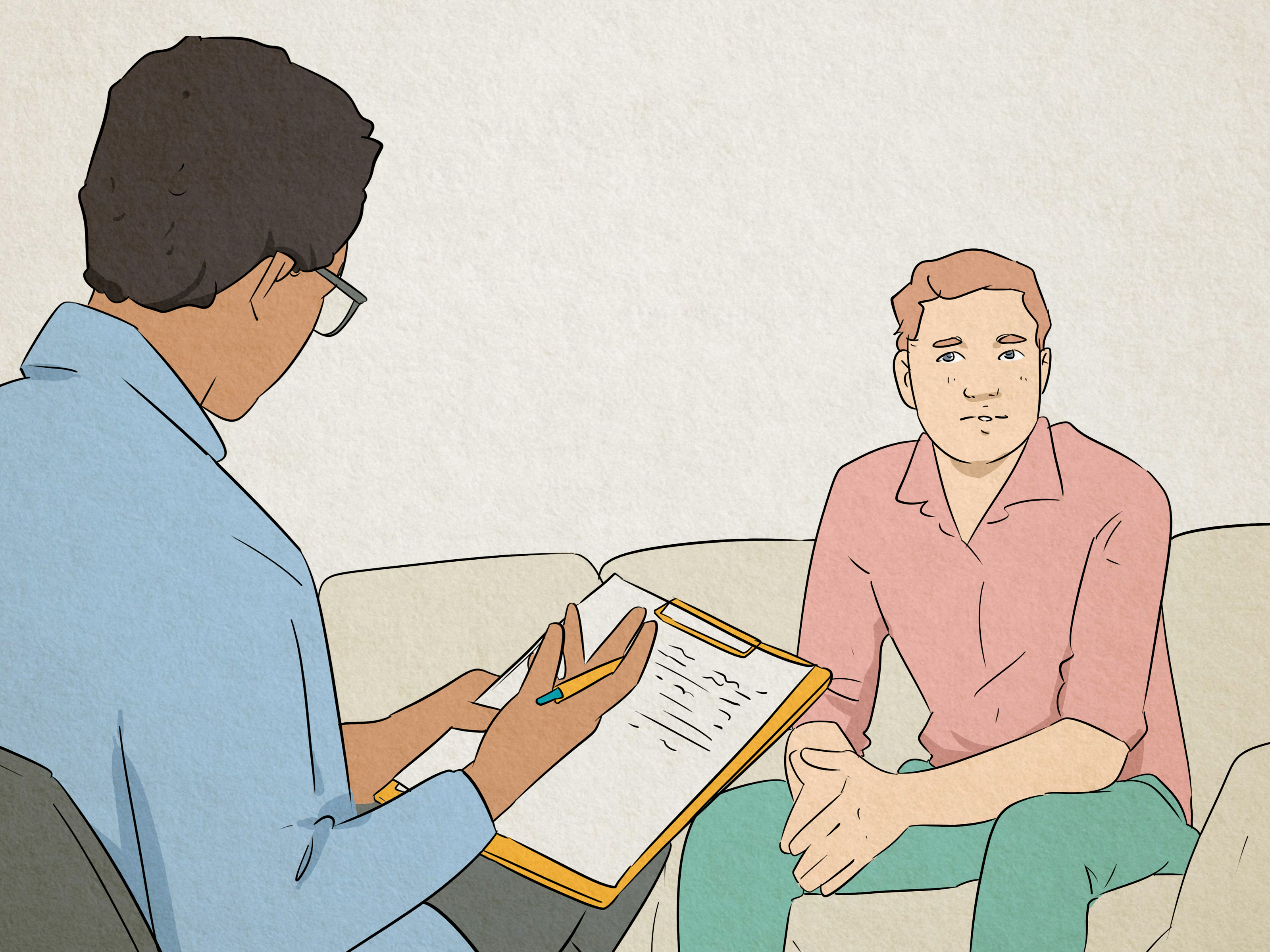
Families often want to help but do not know where to begin. The instinct may be to cheerlead, fix, lecture, or panic-Google at 2 a.m. A more useful approach is steady support: listen without minimizing, encourage professional help, assist with appointments when appropriate, and keep daily communication gentle but consistent.
It is also important for loved ones not to take responsibility for “curing” someone. Support matters, but depression usually requires more than affection. Family members can help create a safer environment, reduce shame, and encourage care, but they are not substitutes for trained professionals. Love is powerful, but it should not have to do the job of an entire medical team while also remembering whose turn it is to buy paper towels.
Leadership, Vulnerability, and the New Definition of Strength
Fetterman’s mental health journey invites a larger question: what does strength look like? For a long time, American leadership was often packaged as invulnerability. Leaders were expected to project certainty, endurance, and emotional armor. But that model is outdated. Real strength includes judgment. It includes knowing when the body and mind need care. It includes telling the truth before silence becomes dangerous.
This does not mean every personal struggle must become public. Privacy is still valid. No one owes the internet a medical diary. But when a public figure chooses openness, it can make room for others to seek help privately. Fetterman’s story is not a command for everyone to disclose their diagnosis. It is proof that disclosure, when chosen, does not have to end a career or erase credibility.
Practical Lessons for Anyone Facing Depression
The first lesson is to treat symptoms seriously. Persistent loss of interest, changes in sleep or appetite, low energy, concentration problems, deep guilt, hopelessness, or withdrawal from daily life are not character flaws. They are signals. A primary care doctor, therapist, school counselor, psychiatrist, or trusted health professional can help evaluate what is happening.
The second lesson is to act earlier than your pride wants you to. Many people wait until they are barely functioning before seeking help. Fetterman himself later expressed regret that he had not addressed depression sooner. That regret is common. Depression often persuades people to delay care, then punishes them for being delayed. Very rude behavior, honestly.
The third lesson is to build a recovery team. That team might include a doctor, therapist, supportive relatives, friends, faith leaders, teachers, coaches, or coworkers. The team does not need to be huge. It needs to be safe, informed, and willing to take the situation seriously.
Finally, urgent distress deserves urgent support. If someone feels in immediate danger or unable to stay safe, they should contact local emergency services or a crisis support line right away. Asking for help in a crisis is not dramatic. It is protective.
Additional Experiences and Reflections: What Overcoming Depression Can Look Like in Real Life
The most useful thing about Fetterman’s story may be that it gives ordinary people a framework for understanding their own experiences. Depression rarely arrives wearing a name tag that says, “Hello, I am a treatable medical condition.” More often, it sneaks in as exhaustion, irritability, numbness, missed calls, unfinished dishes, unread messages, and the strange feeling that the world has moved a few feet farther away. People may not say, “I am depressed.” They may say, “I’m just tired,” “I’m not myself,” or “I’ll deal with it later.”
Many people recognize the pattern only in hindsight. A student realizes they stopped enjoying music, sports, or friends. A parent notices they have been going through the motions for months. A worker who once handled pressure well starts staring at simple emails like they are written in ancient squirrel language. These experiences do not mean someone is lazy or weak. They mean something deserves attention.
One common experience is the gap between appearance and reality. From the outside, a person may seem successful. They may get good grades, hold a job, care for children, lead meetings, or win elections. Inside, they may feel detached from those accomplishments. That is one of depression’s cruel tricks: it can let a person keep performing while quietly draining meaning from the performance. Fetterman’s story showed that even a major public victory did not automatically create emotional wellness. Success can be real and depression can still be real at the same time.
Another common experience is the relief that comes when depression is finally named. A diagnosis does not fix everything instantly, but it can reduce confusion. It gives shape to the problem. It helps people stop arguing with themselves and start building a plan. The moment someone says, “This is depression, and it can be treated,” the future may become less foggy. Not easy, necessarily, but less mysterious.
Recovery often begins with very small wins. Sleeping a little better. Eating breakfast. Taking a walk. Answering one message. Making an appointment. Telling one trusted person the truth. These actions can look unimpressive from the outside, but inside depression they can be Olympic-level events. The medal ceremony may only involve clean socks and a glass of water, but it still counts.
Families and friends also learn through experience. They learn that pushing too hard can backfire, but silence can feel lonely. They learn to ask direct, caring questions. They learn to offer practical help: driving to an appointment, making food, sitting nearby, reducing noise, or helping organize next steps. They learn that encouragement works best when it sounds less like “snap out of it” and more like “I’m here, and we’ll take the next step together.”
Workplaces and schools can learn from this, too. Mental health support should not depend on whether someone is famous enough to receive sympathy. Flexible communication tools, medical leave, counseling access, disability accommodations, and stigma-free conversations can help people remain connected while they recover. Fetterman’s use of captioning after his stroke is a reminder that accommodations are not special treatment. They are practical tools that allow people to contribute.
The deepest experience related to overcoming depression is not becoming cheerful every minute. That is not recovery; that is a cereal commercial. Real recovery is regaining choice. It is being able to answer the phone, go outside, laugh without forcing it, work with support, rest without shame, and recognize depressive thoughts as symptoms rather than commands. Fetterman’s struggle with mental health became public because he is a senator, but the meaning of the story is much broader: depression lies, treatment helps, and asking for help can be the beginning of getting your life back.
Conclusion: Depression Lies, but Recovery Tells the Truth
Senator John Fetterman’s struggle with mental health is not just a political biography chapter. It is a public case study in the reality of depression, the importance of treatment, and the power of refusing shame. His journey from stroke recovery to clinical depression treatment at Walter Reed showed that illness can reach even the most visible and seemingly tough people. It also showed that care can work.
The lies of depression are persuasive, but they are not final. Depression may say help will not matter. Treatment says otherwise. Depression may say you are alone. Millions of people prove otherwise. Depression may say strength means silence. Fetterman’s story suggests a better definition: strength is telling the truth early enough for help to arrive.