Air fryers are the golden children of modern kitchens. They crisp, roast, reheat, and rescue weeknight dinners with the speed of a tiny countertop superhero. But even superheroes have limits. And your air fryer, for all its crunchy magic, is still just a very enthusiastic blast of hot air in a small chamber. Translation: not everything belongs in there.
If you have ever tossed something into the basket and ended up with smoke, sludge, scorched paper, or a dinner that looked emotionally unavailable, you are not alone. The truth is that air fryers are excellent at cooking foods that benefit from fast, dry, circulating heat. They are much less talented with foods that need water, gentle heat, protection from drying out, or a little less drama.
This guide breaks down the 7 things you should never put in your air fryer, plus why they fail, what can go wrong, and what to cook instead. Consider it your shortcut to better food, easier cleanup, and fewer moments of staring through the basket window like, “Well, that escalated quickly.”
Why Some Foods Fail in an Air Fryer
Before we get to the list, it helps to understand how an air fryer works. It cooks by blasting hot air around food at high speed. That is why it does a beautiful job with fries, wings, roasted vegetables, and frozen snacks. Dry surfaces brown well. Compact foods crisp nicely. Smaller pieces cook fast.
But foods that are too wet, too loose, too delicate, too large, or too reliant on boiling liquid are poor matches. Some make a mess. Some cook unevenly. Some dry out. Some can even create a safety issue if they drip, smoke, or blow into the heating element.
In other words, the air fryer is not broken. It is just being asked to do the culinary equivalent of mowing the lawn with a hair dryer.
1. Wet Batter
Why it is a bad idea
If you are dreaming of beer-battered fish, tempura vegetables, or homemade onion rings with a liquid coating, pause that dream. Wet batter does not set instantly in an air fryer the way it does in hot oil. Instead, it slides, drips, and often ends up clinging to the basket or dropping into the bottom of the machine.
The result is usually a sad little food identity crisis: part soggy, part burned, part stuck to metal. It is also harder to clean, and in some cases the dripping batter can create smoke or reach areas you really do not want crusted shut.
What to do instead
Choose a dry breading system instead. Think flour, beaten egg, then panko or seasoned breadcrumbs. That kind of coating can crisp beautifully in an air fryer because it has structure before the heat hits it.
Example: Breaded chicken cutlets? Great. Shrimp tempura dipped in loose batter? That is a “nope” with extra cleanup.
2. Loose Leafy Greens and Super-Light Ingredients
Why they go rogue
Leafy greens like spinach, plain kale, bok choy, and Swiss chard are so light that the fan can whip them around the basket. That means uneven cooking, scorched edges, and the possibility of leaves flying up where they should not go. This is one reason people end up with air fryer smoke when they swear they “only made vegetables.”
Now, yes, kale chips exist. But they usually require oil, careful monitoring, and sometimes accessories that keep the leaves from taking flight. For everyday cooking, loose greens are more hassle than reward.
What to do instead
Roast sturdier vegetables in the air fryer: broccoli, cauliflower, zucchini, Brussels sprouts, mushrooms, or green beans. Save delicate greens for sautéing, steaming, braising, or baking on a sheet pan where they can settle down and act like adults.
Example: Air-fried broccoli gets crispy tips and tender centers. A handful of plain spinach in the basket gets a personality disorder.
3. Raw Rice, Pasta, and Other Uncooked Grains
Why this does not work
Rice, pasta, quinoa, oats, and similar grains need water to cook properly. An air fryer is designed for dry heat, not boiling. Even if you place a small pan inside the basket, you are still fighting the design of the machine. Water may not heat as efficiently as it does on the stovetop, and the results are often uneven, gummy, or undercooked.
This is one of the most common misconceptions about foods not to cook in an air fryer. If it normally cooks by simmering, bubbling, steaming, or soaking, the air fryer is probably the wrong tool.
What to do instead
Cook grains the usual way on the stove, in a rice cooker, or in a pressure cooker. Then use the air fryer for leftovers if you want texture. Cooked rice can become crispy fried rice. Cooked pasta can be turned into crunchy pasta chips. Raw grains? Not invited.
Example: Leftover rice in a small pan with a little oil can crisp nicely. Raw rice with hopes and prayers will not.
4. Popcorn Kernels
Why popcorn and air fryers are a terrible couple
Popcorn sounds like it should work. Hot air pops corn, right? In theory, yes. In practice, most basket-style air fryers are not designed for it. Kernels can blow around, fail to pop evenly, or get lodged in places they should not be. Some sources also warn that loose kernels can create a fire hazard if they contact heating components.
So while the idea feels clever, the reality is usually a mix of half-popped kernels, burnt bits, and regret.
What to do instead
Use a stovetop popper, a microwave popcorn bowl, or a dedicated popcorn machine. Your movie night deserves better than an appliance mutiny.
Example: Air fryer popcorn often gives you five popped kernels, ten angry kernels, and one kitchen cleanup you did not budget for.
5. Naked Cheese and Overly Cheesy Dishes
Why cheese turns into chaos
Cheese melts fast. In an air fryer, it often melts before it browns, meaning it can ooze through the rack, glue itself to the basket, and create a greasy, smoky mess. This is especially true for shredded cheese, sliced cheese, cheese dips, and casseroles with loose melted cheese on top.
That does not mean all cheese is banned forever. Breaded frozen mozzarella sticks, halloumi, or bread cheese can work because the cheese is either protected or structurally firm enough to hold its shape for a while. But tossing plain cheese into the basket is like inviting a toddler to finger-paint your appliance.
What to do instead
Use the air fryer for cheese that has a coating or high melting-point structure. Make grilled cheese in a pan. Melt queso on the stove. Bake cheesy casseroles in the oven where the cheese can bubble without trying to escape through metal grates.
Example: Frozen breaded mozzarella sticks? Usually yes. A mound of shredded cheddar on top of raw potatoes in the basket? Absolutely not.
6. Large Bone-In Cuts and Whole Roasts
Why bigger is not better here
Air fryers need space around food so hot air can circulate. Large bone-in cuts, thick roasts, and whole chickens can block airflow, leading to uneven cooking. The outside can brown too quickly while the inside lags behind. That is annoying for texture and potentially risky for food safety if you assume color equals doneness.
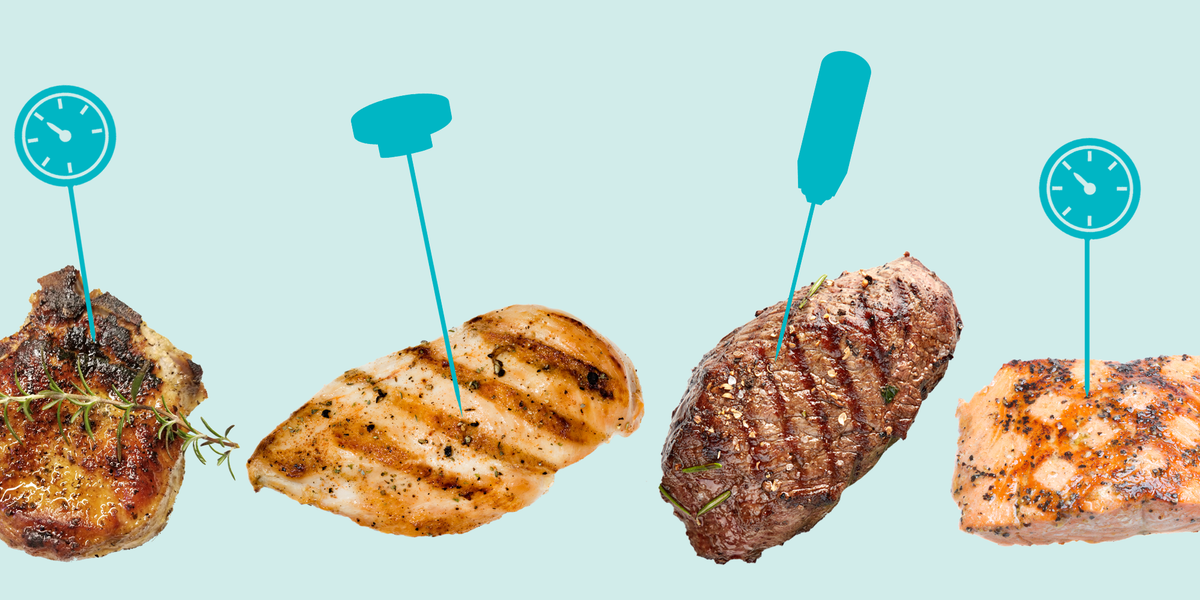
With poultry and other meats, you should always rely on a food thermometer, not guesswork. Smaller items like chicken wings, drumsticks, tenders, pork chops, and salmon portions tend to do much better because the hot air can actually reach them from multiple sides.
What to do instead
Use the oven for whole chickens, bone-in roasts, brisket, pork shoulder, and other large cuts that need more even heat or a longer, gentler cooking environment. Use the air fryer for smaller portions and quicker-cooking proteins.
Example: A basket of chicken wings comes out glorious. A giant roast wedged into the basket comes out like two different dinners that do not speak to each other.
7. Paper Towels, Wax Paper, Loose Parchment, Plastic, and Other Not-Safe Liners
Why liner mistakes matter
This one is less about taste and more about air fryer safety tips. Because an air fryer uses strong circulating air, lightweight paper can shift around. If paper towels, wax paper, loose parchment, or other flimsy materials move upward, they can get too close to the heating element and scorch or burn.
Plastic is also a hard no. It is not designed for that kind of heat, and melting plastic has no place near your dinner. Regular paper products, cardboard, and random “it should be fine” containers should stay far away from the basket.
Parchment paper is a special case. Some manufacturers and cooking experts say it can be used safely if it is cut to fit, rated for heat, and weighed down with food. But placing loose parchment in a preheating basket is a bad idea. If you are not careful, a convenient cleanup trick becomes an accidental fire starter.
What to do instead
Use accessories specifically made for air fryers, such as perforated parchment liners, silicone liners, or approved metal inserts. Whatever you use, make sure it does not block airflow and is secured by the food.
Example: A silicone liner designed for air fryers can be helpful. A paper towel in the basket is basically asking the hot fan to make poor choices.
Quick Air Fryer Rules for Better Results
- Choose foods that like dry, high heat.
- Leave room for air to circulate.
- Skip foods that need boiling, steaming, or slow braising.
- Use a thermometer for meat and poultry.
- Be cautious with grease, loose coatings, and anything that can blow around.
- Do not crowd the basket just because dinner is running late and optimism is free.
Final Thoughts
The air fryer is not a scam, a gimmick, or a tiny stainless-steel diva. It is actually great at what it is designed to do. The problem starts when we expect it to deep-fry, boil pasta, bake a layer cake, roast a turkey, melt cheese perfectly, and somehow also wash itself.
If you remember one thing, let it be this: the best foods for an air fryer are compact, dry on the outside, and happy to be blasted with hot circulating air. The worst foods are loose, wet, delicate, extra greasy, or dependent on liquid. Learn that rule once, and your meals get better fast.
So go ahead and make the fries, wings, salmon bites, roasted vegetables, and reheated pizza. Just leave the wet batter, raw rice, popcorn kernels, and rogue paper products out of the basket. Your food will taste better, your cleanup will be easier, and your smoke alarm might finally stop trying to build a personal brand.
Kitchen Experiences: What Really Happens When You Ignore the Rules
If you have used an air fryer for more than a week, chances are you have had at least one “I was experimenting” moment. That is usually the polite phrase people use right before describing an appliance disaster. And honestly, the experiences around the foods above are what make these rules stick.
One of the most common air fryer regrets starts with wet batter. Someone thinks, “This worked at a restaurant, so it should work in my kitchen.” Then they dip fish in a beautiful golden batter, set it in the basket, and watch the coating slide off like it just gave up on life. Instead of a crisp shell, the batter drips through the grate and bakes onto the bottom. The fish survives. The cleanup becomes a character-building exercise.
Leafy greens cause a different kind of chaos. They look harmless. They are healthy. They are practically wearing halos. Then the fan kicks on, a kale leaf lifts into the air like a tiny green kite, and suddenly you are peeking through the drawer wondering why your “quick veggie side” smells like toasted lawn clippings. Can kale chips work? Yes. Do they require more attention than most people expect? Also yes.
Then there is the rice mistake. Many people assume that if an air fryer can cook potatoes, chicken, and leftover pizza, surely it can handle rice. The logic is understandable. The result is not. The rice sits there in its little pan of water, barely progressing, while the top dries out and the bottom thinks about boiling but never quite commits. By the time you give up, you have created something between crunchy confetti and paste.
Popcorn is where confidence usually meets physics. The first few pops give people hope. Then the rest of the kernels either fail to pop or rattle around like tiny marbles in a wind tunnel. Even when it sort of works, it rarely works well enough to justify the mess. It is one of those kitchen experiences that turns a simple snack into a very strange science fair.
Cheese disasters deserve their own museum wing. A slice of cheese on bread might seem innocent, but once the fan gets involved, melted cheese starts escaping into every gap it can find. The smell is incredible for about 20 seconds. Then it becomes a smoky reminder that cleaning hardened cheese off a hot basket is nobody’s dream hobby. People usually learn this lesson exactly once.
Large cuts of meat bring a more subtle disappointment. They often look fine on the outside. Beautiful, even. Maybe even a little smug. But then you cut into the center and realize the air fryer cooked the exterior like it was in a race while the interior was still stretching in the locker room. That is why smaller cuts are so much more reliable. You get crispness and even cooking, which is the whole point.
And finally, there is the liner mistake. A paper towel, a loose sheet of parchment, or some random container can feel like a clever shortcut until the fan turns it into a problem. Few kitchen moments are more humbling than realizing your “cleanup hack” is now the reason you are standing in front of the appliance with oven mitts and a deeply concerned expression.
The good news is that these experiences teach people fast. Once you know what your air fryer loves, it becomes one of the most useful tools in the kitchen. It thrives on foods that are sturdy, well-spaced, and ready to crisp. Learn its strengths, respect its limits, and your air fryer will reward you with golden results instead of tiny countertop drama.