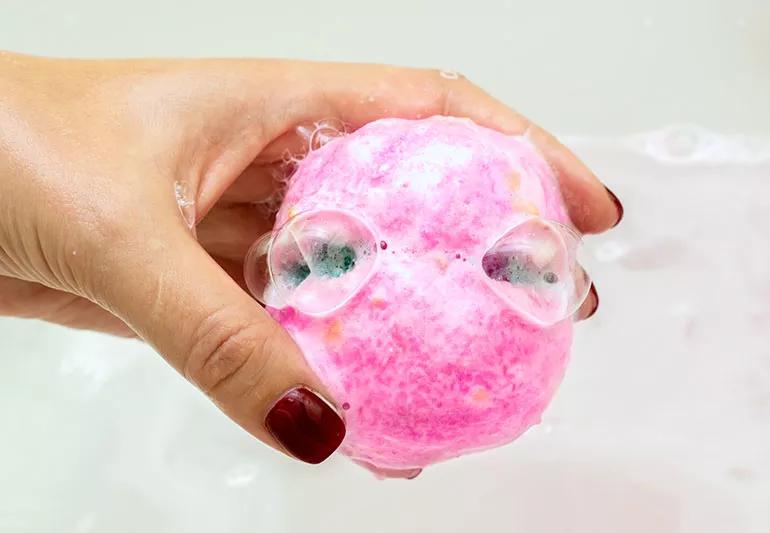
Bath bombs look like tiny planets of self-care: colorful, fizzy, scented, and dramatic enough to make your bathtub feel like it just won a spa day. But if you have ever stepped out of a bath feeling itchy, dry, or oddly irritated, you may have wondered the very reasonable question: Are bath bombs safe for your skin?
The honest answer is: bath bombs can be safe for many people when used occasionally and chosen carefully, but they are not automatically skin-friendly for everyone. Their safety depends on the ingredients, your skin type, how often you use them, how long you soak, and whether you rinse and moisturize afterward. For people with sensitive skin, eczema, allergies, frequent dryness, or irritation in delicate areas, bath bombs can sometimes turn “relaxing soak” into “why am I itchy?” faster than you can say lavender sparkle cloud.
This guide breaks down what bath bombs are made of, which ingredients may irritate skin, who should be cautious, and how to enjoy a fizzy bath without making your skin file a formal complaint.
What Are Bath Bombs Made Of?
Most bath bombs rely on a simple fizzy reaction. The classic base usually includes baking soda and citric acid. When they hit water, they react and release carbon dioxide bubbles, creating that satisfying fizz. On their own, these ingredients are not the biggest concern for most people. The trouble usually comes from the “fun extras.”
Common Bath Bomb Ingredients
Bath bombs may include:
- Fragrance or essential oils
- Artificial dyes or colorants
- Glitter, mica, or decorative particles
- Preservatives
- Foaming agents
- Moisturizing oils such as coconut oil, almond oil, or shea butter
- Botanical extracts, dried flowers, or herbs
- Salts such as Epsom salt or sea salt
Some of these ingredients can make a bath more enjoyable. Others can be irritating, especially when they sit on the skin during a long soak. A bath bomb is not just touching your arm for three seconds; it dissolves into water that surrounds your entire body. That gives potential irritants more time and more surface area to cause trouble.
So, Are Bath Bombs Actually Bad for Your Skin?
No, bath bombs are not automatically bad. Many people use them occasionally with no issue. But “safe for most people” does not mean “perfect for every skin type.” Dermatologists often warn that fragrances, dyes, and additives can trigger irritation or allergic reactions, especially in people with sensitive or dry skin.
Think of bath bombs like dessert for your bath. A cupcake now and then? Delightful. Cupcakes for breakfast, lunch, and dinner? Your body may eventually ask to speak with management. Bath bombs are best treated as an occasional treat, not a daily skin-care routine.
Ingredients Most Likely to Irritate Skin
1. Fragrance
Fragrance is one of the biggest reasons bath bombs can irritate skin. A product may smell like “midnight rain on a peaceful mountain,” but your skin may interpret that as “chemical surprise party.” Fragrance mixtures can include many scent compounds, and labels may not list every individual fragrance ingredient.
People with eczema, allergies, rosacea-prone skin, or generally reactive skin should be especially careful. Even natural fragrances and essential oils can cause irritation. “Natural” does not always mean gentle. Poison ivy is natural too, and nobody is inviting it to brunch.
2. Artificial Dyes
Dyes make bath water look magical, but they may bother sensitive skin. Bright colors can also leave residue on the tub or skin. While approved cosmetic colorants are regulated, irritation can still happen depending on the formula and the person using it.
If your skin often reacts to colored soaps, heavily tinted body washes, or fragranced lotions, a neon bath bomb may not be your best bathtub buddy.
3. Essential Oils
Essential oils sound soothing, and some people love them. However, they are concentrated plant extracts. In bath products, they need proper dilution and even dispersion. If oil droplets float on the water instead of mixing well, they may contact the skin in concentrated patches.
Lavender, peppermint, eucalyptus, citrus, tea tree, and cinnamon-type oils can be irritating for some people. Citrus oils may be especially problematic for reactive skin. If you already know you react to essential oils in lotions or diffusers, skip bath bombs that contain them.
4. Glitter and Decorative Additives
Glitter makes the bath look like a mermaid hosted a disco. Unfortunately, decorative particles can cling to the skin, irritate delicate areas, or leave residue behind. Even biodegradable glitter or shimmer may not be ideal for people with sensitive skin.
5. Harsh Foaming Agents
Some bath bombs include surfactants to create bubbles or foam. These can be fun, but certain cleansing or foaming agents may strip natural oils from the skin. If your skin feels tight or squeaky-clean after bathing, that is often a sign your skin barrier is not thrilled.
Who Should Be More Careful With Bath Bombs?
People With Sensitive Skin
If your skin reacts easily to new products, bath bombs deserve caution. Choose fragrance-free, dye-free products with short ingredient lists. Avoid anything that looks like it could double as a craft project.
People With Eczema or Atopic Dermatitis
Eczema-prone skin has a more vulnerable skin barrier. Hot water, fragrance, dye, and long baths can all contribute to dryness or flare-ups. If you have eczema, a plain lukewarm bath followed by moisturizer is usually safer than a heavily scented bath bomb.
People With Dry or Cracked Skin
When the skin barrier is already dry or cracked, irritating ingredients can sting or worsen discomfort. A bath bomb may feel luxurious in the moment but leave the skin drier later, especially if the bath is hot or long.
People Prone to Irritation in Delicate Areas
Fragranced bath products can irritate external genital skin and may contribute to discomfort that can feel similar to urinary or yeast-related irritation. This does not mean every bath bomb causes a problem, but people who notice irritation after scented baths should stop using them and switch to plain, gentle bathing products.
Children
Kids often love colorful bath bombs, especially ones with toys inside. But children’s skin can be sensitive, and surprise toys can encourage longer soaking. For kids, choose fragrance-free, dye-free options made for sensitive skin, and avoid frequent use.
How to Choose a Skin-Friendly Bath Bomb
The safest bath bomb is usually the least dramatic one. That may be tragic for your inner spa goblin, but excellent news for your skin.
Look for “Fragrance-Free,” Not Just “Unscented”
“Fragrance-free” generally means no added fragrance. “Unscented” can sometimes mean the product contains masking ingredients to hide odor. If your skin is sensitive, fragrance-free is the better phrase to look for.
Choose Dye-Free Formulas
A plain white or lightly colored bath bomb may not look as exciting on social media, but your skin does not care about Instagram. Dye-free formulas reduce one common irritation risk.
Avoid Glitter and Heavy Botanicals
Dried petals, herbs, and glitter may look beautiful, but they can leave residue on the skin and tub. They may also be harder to fully rinse away. A simpler formula is usually better.
Check for Moisturizing Ingredients
Some bath bombs include skin-softening ingredients such as colloidal oatmeal, shea butter, or gentle plant oils. These can help offset dryness, though they do not automatically cancel out irritation from fragrance or dye.
Read the Ingredient List
A long ingredient list is not always bad, but if you see multiple fragrances, dyes, essential oils, shimmer agents, and mystery botanicals, proceed carefully. Short, simple formulas are easier to evaluate.
How to Use Bath Bombs More Safely
Do a Patch Test First
Before using a new bath bomb, rub a small dissolved amount on a small area of skin, such as the inner arm. Wait 24 hours if you are prone to reactions. If redness, itching, burning, or bumps appear, skip the full bath.
Keep the Bath Lukewarm
Hot water can strip natural oils and worsen dryness. Warm water is more skin-friendly. Your bath should feel relaxing, not like you are being gently turned into soup.
Limit Soak Time
A 10- to 15-minute soak is usually enough. Long baths increase exposure time and can dry out the skin, especially when fragrances, salts, or surfactants are involved.
Use Bath Bombs Occasionally
For most people, occasional use is more reasonable than daily use. If you notice dryness or irritation after using bath bombs, reduce frequency or stop completely.
Rinse Afterward
After your bath, rinse your body with clean lukewarm water. This helps remove leftover fragrance, dye, oils, and particles from the skin.
Moisturize Immediately
Apply a fragrance-free moisturizer while your skin is still slightly damp. This helps lock in hydration and support the skin barrier.
Signs a Bath Bomb Is Not Agreeing With Your Skin
Stop using bath bombs if you notice:
- Itching
- Redness
- Burning or stinging
- Dry patches
- Rash
- Hives
- Flaking or peeling
- Irritation in delicate areas
If symptoms are mild, rinse the skin, stop using the product, and apply a gentle moisturizer. If symptoms are severe, spreading, painful, or do not improve, contact a healthcare professional or dermatologist.
Are Homemade Bath Bombs Safer?
Homemade bath bombs can be safer if you control the ingredients and keep the formula simple. However, homemade does not automatically mean safe. Adding too much essential oil, strong colorants, or scratchy botanicals can still irritate skin.
A gentle DIY bath bomb might use baking soda, citric acid, a small amount of a mild oil, and no fragrance or dye. If the goal is sensitive-skin comfort, boring is beautiful. Your bathtub does not need to look like a unicorn sneezed in it.
Better Bath Alternatives for Sensitive Skin
If bath bombs bother your skin, try gentler options:
- A plain lukewarm bath followed by moisturizer
- Colloidal oatmeal bath products
- Fragrance-free bath oils designed for sensitive skin
- Gentle, fragrance-free cleansers
- Short baths instead of long soaks
For eczema-prone skin, colloidal oatmeal is often a better choice than fragrance-heavy bath products. It can help soothe dryness and itching without the sensory fireworks.
Common Myths About Bath Bombs
Myth 1: If It Is Natural, It Is Safe
Natural ingredients can still cause allergic reactions. Essential oils, botanicals, and plant extracts are common examples. Skin does not hand out free passes just because an ingredient came from a leaf.
Myth 2: Smaller Bath Bombs Are Always Safer
Size does not guarantee gentleness. A small bath bomb can still contain concentrated fragrance, dye, or essential oils.
Myth 3: Moisturizing Oils Cancel Out Irritation
Oils can soften skin, but they do not erase the irritation potential of fragrance, dyes, or harsh additives. A bath bomb can be both moisturizing and irritating at the same time. Skin is complicated like that.
Myth 4: If It Is Sold in Stores, It Cannot Irritate Skin
Cosmetics are expected to be safe when used as directed, but individual reactions still happen. A product can be legally sold and still be wrong for your skin.
Practical Examples: Which Bath Bomb Would You Choose?
Example 1: The Glittery Rainbow Bomb
This one smells like tropical candy, turns the water purple, contains shimmer, and has dried flowers. Fun? Absolutely. Best for sensitive skin? Probably not.
Example 2: The Fragrance-Free Oatmeal Bomb
This one is dye-free, fragrance-free, and made with colloidal oatmeal. It may not win a bathtub beauty pageant, but it is a much better option for dry or reactive skin.
Example 3: The Essential Oil Bomb
This one uses lavender and eucalyptus oils. Some people may tolerate it well, but anyone with fragrance sensitivity, eczema, or a history of reactions should be cautious.
500-Word Experience Section: What Using Bath Bombs Can Teach You About Your Skin
One of the most useful things about bath bombs is that they can reveal how your skin responds to fragrance, colorants, oils, and long soaking. Many people do not think of their skin as sensitive until a product makes it obvious. You may use a scented lotion once and feel fine, but soaking in scented water for 20 minutes is a different kind of exposure. The bath bomb becomes a full-body experiment, and your skin is the judge wearing tiny reading glasses.
A common experience is the “soft at first, dry later” effect. Right after a bath bomb soak, the skin may feel silky because of oils or butters in the formula. A few hours later, however, the skin may feel tight, dry, or itchy. This can happen when hot water, fragrance, and soaking time weaken the skin’s moisture barrier. The lesson is simple: how your skin feels immediately after a bath is not the whole story. Pay attention to how it feels later that night and the next morning.
Another common experience is irritation from a product that seemed harmless because it was labeled natural. Someone may choose a bath bomb with lavender buds, citrus oil, or peppermint because it sounds gentle and spa-like. Then the skin starts tingling, stinging, or turning red. That does not mean natural ingredients are bad; it means they are active substances, and some skin types dislike them. Essential oils in particular can be powerful, especially when they are not evenly dispersed in bathwater.
People with eczema often learn quickly that bath bombs are not all created equal. A colorful, scented bath bomb may trigger dryness or itching, while a fragrance-free oatmeal bath may feel soothing. The difference is not the fizz itself; it is the total formula. If your skin barrier is already vulnerable, every added fragrance, dye, and decorative ingredient increases the chance of a reaction.
There is also the bathtub residue experience. Some bath bombs leave behind color, shimmer, oil, or tiny botanical pieces. If that residue clings to the tub, it may also cling to your skin. This is why rinsing after the bath matters. It is not glamorous, but neither is scratching your legs at midnight because a glittery bath product overstayed its welcome.
The best personal strategy is to become your own skin detective. Try one new bath product at a time. Keep the bath short. Use lukewarm water. Rinse afterward. Moisturize. Then watch how your skin responds over the next 24 hours. If your skin feels calm, great. If it becomes itchy, red, dry, or irritated, your skin has given you a very clear product review: one star, would not soak again.
Conclusion: Are Bath Bombs Safe for Your Skin?
Bath bombs can be safe for many people when used occasionally, but they are not risk-free. The biggest concerns are fragrance, dyes, essential oils, glitter, harsh foaming agents, and long soaking times. If you have sensitive skin, eczema, allergies, dry skin, or irritation in delicate areas, choose fragrance-free and dye-free products or skip bath bombs altogether.
The safest approach is simple: read labels, patch test new products, keep baths lukewarm and brief, rinse afterward, and moisturize with a gentle fragrance-free cream. Bath bombs should make your bath more relaxing, not turn your skin into a drama queen with a rash.
When in doubt, choose the boring bath bomb. Your skin may not applaud, but it will probably behave better.