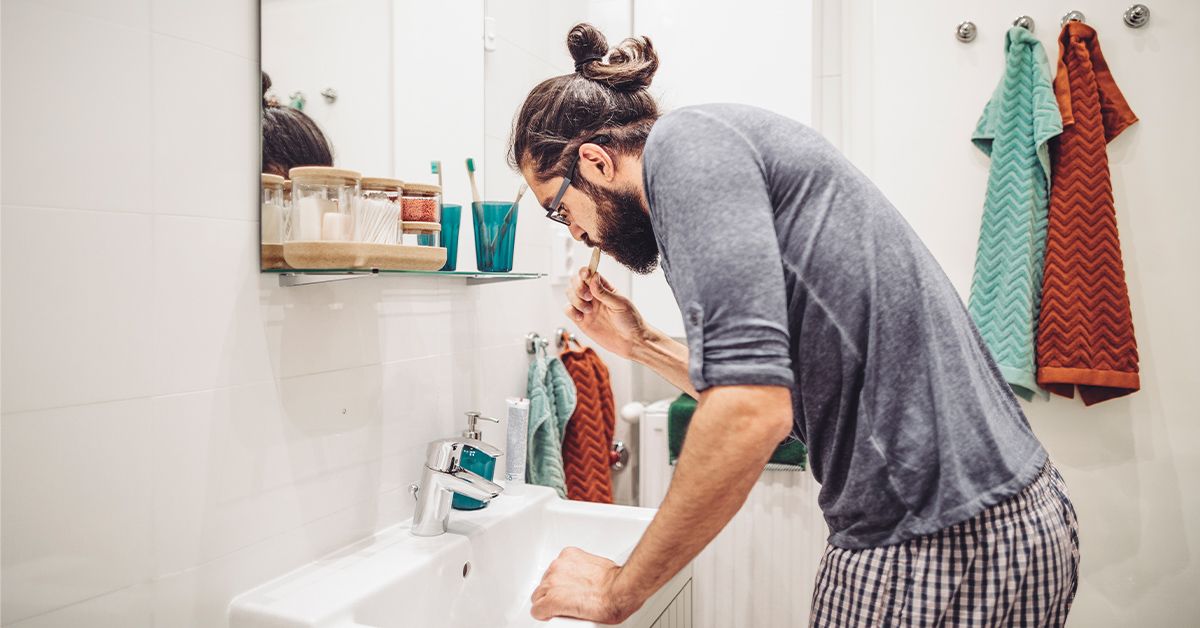
Brushing your lips with a toothbrush sounds like one of those beauty hacks invented during a bathroom mirror pep talk: simple, cheap, and suspiciously satisfying. But does it actually exfoliate your lips, or are you just giving your mouth a tiny carpet-cleaning session?
The short answer: yes, brushing lips with a toothbrush can exfoliate by loosening flaky, dead surface skin. The longer answer: it only helps when done gently, occasionally, and followed by moisture. Scrubbing dry, cracked, irritated lips like you are polishing old silver can make things worse. Lips are delicate, dramatic little divas. They want attention, but not aggression.
What Lip Exfoliation Actually Means
Lip exfoliation is the process of removing loose, dead skin cells from the surface of the lips. On the face and body, exfoliation may involve acids, scrubs, brushes, washcloths, or professional treatments. On the lips, however, the rules are softer because the lip surface is more fragile than many other areas of skin.
The visible red or pink part of the lips, called the vermilion, is different from the skin on your cheeks or chin. It does not have the same natural oil support that helps other skin areas stay comfortable. This is one reason lips can become dry, tight, flaky, and cracked so quickly, especially in cold weather, dry air, wind, sun exposure, or after repeated lip licking.
Exfoliation can make lips look smoother because it removes the tiny flakes that catch light, snag lipstick, or make balm sit unevenly. But exfoliation is not a cure for chapped lips. Think of it as sweeping crumbs off the kitchen counter. Useful, yes. But if the roof is leaking, a broom is not the whole home repair plan.
Does Brushing Lips with a Toothbrush Exfoliate?
Yes, a soft toothbrush can work as a mild physical exfoliator. The bristles help lift and loosen flaky skin when moved gently across damp lips. This may leave the lips feeling smoother and may help lip balm spread more evenly afterward.
However, the toothbrush method is not automatically better than using a damp washcloth or a simple sugar-and-balm scrub. The benefit depends on pressure, frequency, and lip condition. A soft toothbrush used lightly can be helpful. A firm toothbrush used with enthusiasm can create irritation, tiny cracks, burning, redness, or more peeling.
The goal is not to remove every flake at once. Some peeling skin may still be attached to tender tissue underneath. Forcing it off can make lips sting and bleed, and then your “self-care” routine becomes a tiny crime scene. Gentle wins. Always.
Why Lips Get Flaky in the First Place
Before blaming your lips for acting up, it helps to understand why they become dry and flaky. Chapped lips can happen for many reasons, and exfoliation only addresses the surface flakes, not always the cause.
Dry Air, Cold Weather, and Wind
Dry indoor heating, winter air, wind, and low humidity can pull moisture from the lips. Because lips do not have the same oil-producing support as regular skin, they can dry out fast. This is why your lips may feel fine indoors and then turn crispy after one windy walk to the mailbox.
Sun Exposure
Lips can burn and become irritated from sun exposure. Many people remember sunscreen for the face but forget the lips, even though the lips are exposed every time you step outside. Using a lip balm with SPF 30 or higher is a smart daily habit, especially when spending time outdoors.
Licking, Biting, and Picking
Lip licking feels helpful for about three seconds. Then saliva evaporates and leaves lips even drier. Biting or picking at peeling skin can create more irritation and slow healing. The habit is common, especially when lips feel rough, but it keeps the dry-lip cycle spinning like a hamster wheel in a beauty aisle.
Irritating Lip Products
Some lip products contain fragrances, flavors, menthol, camphor, eucalyptus, or other ingredients that may sting or tingle. That sensation is often marketed as “working,” but stinging is usually your lips filing a complaint. If a balm burns, tingles, or makes dryness worse, switch to a bland, fragrance-free option.
Skin Conditions, Allergies, and Medications
Persistent lip peeling may be related to contact dermatitis, eczema, angular cheilitis, certain medications, allergies, or other health factors. If lips stay cracked, painful, swollen, bleeding, or irritated despite gentle care, it is time to ask a healthcare professional or dermatologist for help.
How to Brush Your Lips Safely with a Toothbrush
If your lips are mildly flaky but not severely cracked, brushing can be done safely with a few simple rules. This is not the moment to use the same energy you bring to scrubbing a baking pan.
Step 1: Choose the Right Toothbrush
Use a clean, soft-bristled toothbrush. A baby toothbrush or an extra-soft toothbrush is often gentler than a regular firm brush. Do not use an old toothbrush with bent, scratchy bristles, and do not use the toothbrush right after applying harsh whitening toothpaste.
Step 2: Soften the Lips First
Wet your lips with lukewarm water or hold a warm, damp washcloth over them for a short time. This softens flakes so they lift more easily. Never exfoliate dry lips aggressively, because dry flakes are more likely to tear.
Step 3: Use Light Circular Motions
Move the toothbrush in small, gentle circles for about 10 to 30 seconds. Keep the pressure light. If the lips turn bright red, sting, or feel raw, stop. Healthy exfoliation should feel mild, not like your lips just attended boot camp.
Step 4: Rinse and Moisturize Immediately
Rinse with lukewarm water, pat dry, and apply a thick, non-irritating lip balm or ointment right away. Petroleum jelly, fragrance-free ointments, or simple balms with barrier-supporting ingredients can help seal in moisture.
Step 5: Do Not Overdo It
For most people, once a week is plenty. Some people may tolerate twice a week, but daily lip brushing is usually too much. Lips need time to recover and rebuild their surface barrier.
When You Should Not Brush Your Lips
Brushing lips is not a good idea when the lips are already injured or inflamed. Skip exfoliation if you have bleeding cracks, open cuts, a cold sore, sunburned lips, severe chapping, swelling, burning, or an active rash around the mouth.
Also avoid brushing if your lips are peeling because of a reaction to a cosmetic product. In that case, scrubbing can add more irritation. The better move is to stop the suspected product and use a bland protective ointment until the skin calms down.
If the corners of your mouth are cracked, painful, or crusted, you may be dealing with angular cheilitis or another condition that needs targeted care. A toothbrush will not fix that. It may simply annoy the problem, and irritated skin is already dramatic enough without extra assistance.
Toothbrush vs. Lip Scrub vs. Washcloth: Which Is Better?
A toothbrush is not the only way to exfoliate lips. Each method has pros and cons, and the best choice depends on your lips’ sensitivity.
Soft Toothbrush
A soft toothbrush can remove flakes quickly and precisely. It is easy to use and costs almost nothing if you already have a clean brush available. The downside is that bristles can be too rough if you press hard or exfoliate too often.
Damp Washcloth
A damp washcloth is usually gentler than a toothbrush. It works well for people with sensitive lips or mild dryness. Use lukewarm water and light pressure, then apply balm afterward.
Sugar Lip Scrub
Sugar scrubs can feel satisfying, but they can also be abrasive. Large sugar crystals, rough scrubbing, or added fragrance can irritate the lips. If using a scrub, keep it simple and gentle: fine sugar mixed with a moisturizing base, used briefly, then rinsed away.
Chemical Exfoliants
Facial acids and retinoids should generally stay away from the lips unless a dermatologist specifically recommends them. Products designed for cheeks, pores, or acne may be too irritating for lip tissue.
Best Lip Care Routine After Exfoliating
Exfoliation without moisture is like washing your car and then parking it under a bird convention. The follow-up matters.
Use a Bland Lip Balm or Ointment
After brushing your lips, apply a non-irritating balm or ointment. Look for fragrance-free, flavor-free formulas if you are sensitive. Petroleum jelly is a classic option because it helps reduce water loss by forming a protective barrier.
Apply SPF During the Day
For daytime, choose a lip balm with SPF 30 or higher when going outside. Sun protection helps prevent burning, dryness, and long-term damage. Reapply after eating, drinking, swimming, sweating, or spending extended time outdoors.
Use a Humidifier in Dry Rooms
If indoor air is dry, especially in winter or air-conditioned rooms, a humidifier can help reduce moisture loss from the lips and skin. Your lips may not send you a thank-you card, but they will act less crusty.
Drink Enough Water
Hydration supports overall skin comfort. Drinking water will not instantly heal chapped lips, but dehydration can contribute to dryness. Pair hydration with topical barrier protection for better results.
Stop the Lick-and-Pick Cycle
When you feel the urge to lick or pick your lips, apply balm instead. Keep one in your bag, desk, car, and bedside drawer. Lip balm placement is basically home organization for your face.
Ingredients to Love and Ingredients to Avoid
The right lip product can make exfoliation more effective because it supports the skin barrier afterward. The wrong product can keep lips irritated no matter how carefully you brush.
Helpful Ingredients
Good options often include petroleum jelly, mineral oil, shea butter, ceramides, dimethicone, glycerin, and other simple moisturizing or barrier-supporting ingredients. For daytime outdoor use, SPF 30 or higher is important.
Potentially Irritating Ingredients
If your lips are chapped, be cautious with menthol, camphor, eucalyptus, peppermint, cinnamon, strong flavors, fragrance, and products that create a burning or tingling feeling. Some people also react to certain preservatives, dyes, or sunscreen filters, so pay attention to patterns.
A good rule: if a product makes your lips feel worse, your lips are not being “purged.” They are being annoyed. Retire the product politely but firmly.
Common Mistakes People Make When Brushing Their Lips
Mistake 1: Brushing Too Hard
More pressure does not mean smoother lips. It often means irritation. Let the dampness and soft bristles do the work.
Mistake 2: Brushing Every Day
Daily exfoliation can damage the lip barrier. If lips become more flaky after brushing, you may be over-exfoliating.
Mistake 3: Using Toothpaste as a Lip Scrub
Toothpaste is made for teeth, not lip exfoliation. Minty, foaming, whitening, or strong-flavored toothpaste may irritate lip skin. Use water, not toothpaste, when brushing lips.
Mistake 4: Exfoliating Severely Chapped Lips
When lips are split, bleeding, or painful, moisturize and protect instead of exfoliating. Once the skin is calmer, you can consider gentle exfoliation if flakes remain.
Mistake 5: Forgetting Balm Afterward
Exfoliation removes flakes but can also leave lips more exposed. Balm or ointment afterward is not optional. It is the closing ceremony.
Does Brushing Lips Make Them Pinker or Bigger?
Brushing may temporarily increase blood flow to the lips, which can make them look slightly rosier for a short time. That does not mean it permanently changes lip color or size. The effect is temporary, like looking extra awake after splashing cold water on your face.
If brushing makes your lips look swollen, sore, or unusually red, that is not a beauty boost. That is irritation. Stop brushing and focus on calming moisture.
How Often Should You Brush Your Lips?
Most people should limit toothbrush lip exfoliation to once a week. If your lips are very sensitive, try every two weeks or use a damp washcloth instead. If your lips are healthy and tolerate it well, you might exfoliate up to twice weekly, but only with a soft brush and light pressure.
The best schedule is based on how your lips respond. Smooth, comfortable lips mean your routine is working. Burning, peeling, redness, or tightness mean you need to stop exfoliating and repair the barrier.
When to See a Dermatologist
See a dermatologist or healthcare professional if your lips stay chapped for several weeks, crack repeatedly at the corners, bleed often, swell, develop sores, or react to many products. You should also get checked if you notice persistent scaly patches, color changes, or lesions that do not heal.
Chronic lip irritation may be more than dryness. It can involve allergic contact dermatitis, eczema, infection, medication effects, sun damage, or other forms of cheilitis. A professional can help identify the real cause and suggest treatment that actually matches the problem.
Personal Experience: What Brushing Lips with a Toothbrush Feels Like in Real Life
The first time many people try brushing their lips with a toothbrush, they expect instant movie-star smoothness. The setup is usually very casual: a bathroom sink, a soft toothbrush, a suspiciously dry lower lip, and a sense of “how badly could this go?” When done gently, the result can be surprisingly pleasant. The lips feel cleaner, smoother, and less flaky, especially if there was only a thin layer of loose skin.
The best experience usually starts with warm water. Softening the lips first makes a big difference. If you skip that step and brush dry lips, the feeling can be scratchy and unpleasant, like rubbing a sweater against a sunburn. But when the lips are damp and the brush is soft, the process feels more like light buffing than scrubbing. Ten or fifteen seconds may be enough. There is no trophy for longest lip brushing session, and if there were, it would probably come with a tube of ointment.
One practical lesson is that the lips can look better immediately after gentle exfoliation, but the real test comes a few hours later. If you apply a thick balm afterward, the lips usually stay comfortable and smooth. If you skip balm, they may feel tight again quickly. That is when it becomes clear that exfoliation is only one part of lip care. Moisture and barrier protection are the main characters.
Another experience many people notice is that lipstick applies more evenly after gentle lip brushing. Matte lipstick, especially, loves to expose every flake like it is hosting a documentary called “Dry Skin: The Untold Story.” Removing loose flakes first can help color sit more smoothly. Still, if the lips are cracked or painful, matte lipstick plus exfoliation is usually too much. A creamier lip product or tinted balm is the kinder option.
There is also a learning curve with pressure. At first, it is easy to brush too hard because the toothbrush feels familiar. People are used to cleaning teeth with a little effort, but lips need a feather-light touch. A helpful trick is to hold the toothbrush near the end of the handle instead of close to the bristles. This naturally reduces pressure. Another trick is to stop before you think you need to. Lips often feel smoother once they are rinsed and moisturized, not while you are still brushing.
The less successful experiences usually happen when someone brushes already-chapped lips. If the lips are split, raw, or peeling in sheets, brushing can make them burn. In that situation, the better routine is boring but effective: apply a bland ointment, avoid licking, use SPF outside, drink water, and let the lips heal. Beauty routines do not always need drama. Sometimes the best lip care is simply leaving the poor things alone.
Overall, brushing lips with a toothbrush can be useful as an occasional maintenance step. It is not magic, and it is definitely not something to do aggressively. The most comfortable routine is simple: soften, brush lightly, rinse, moisturize, and wait several days before doing it again. When treated gently, lips can look smoother without feeling punished. And honestly, any beauty habit that works without requiring a 14-step ritual or a product with a name longer than a Wi-Fi password deserves a little appreciation.
Conclusion
Brushing lips with a toothbrush does exfoliate, but only when the brush is soft, the pressure is light, and the lips are not already cracked or inflamed. It can help remove loose flakes, smooth the surface, and prepare lips for balm or lipstick. But it is not a daily requirement, and it is not the best choice for severely chapped lips.
For healthy, comfortable lips, pair occasional gentle exfoliation with consistent moisture, SPF protection, hydration, and irritation-free products. Skip the harsh scrubbing, stop licking and picking, and remember that lips prefer cozy care over tough love.
SEO Tags
Note: This content is for general educational purposes and should not replace advice from a dermatologist, dentist, or healthcare professional, especially if lip irritation is painful, persistent, bleeding, swollen, or worsening.