Note: Rosary pea poisoning can be a medical emergency. This article is for general education and is not a substitute for real-time advice from Poison Control, emergency services, or a medical professional. In the United States, call Poison Help at 1-800-222-1222. Call 911 immediately if someone collapses, has a seizure, has trouble breathing, cannot be awakened, or becomes severely confused.
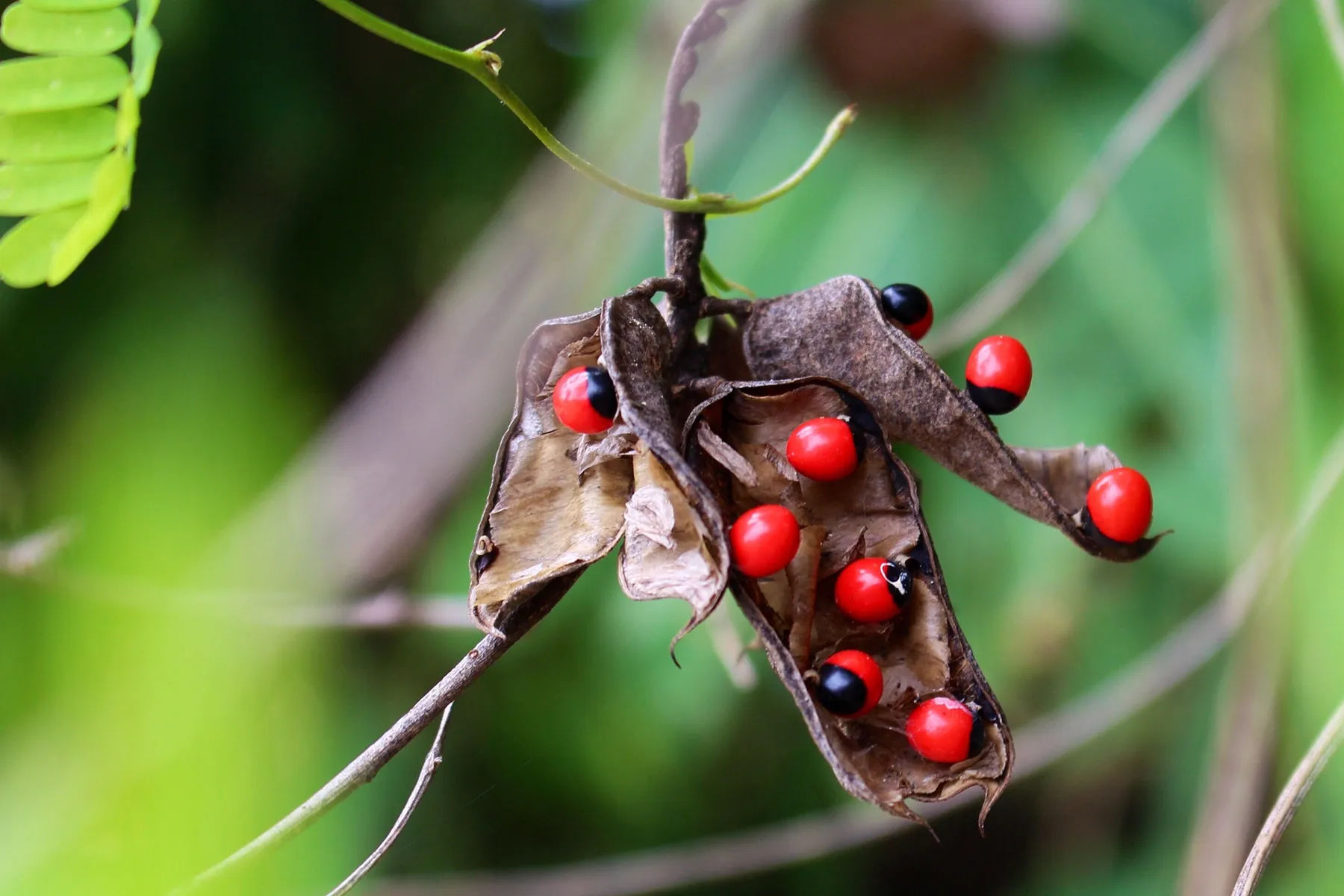
Rosary peas are tiny, shiny, and almost unfairly pretty. Their bright red color and neat black spot can make them look like candy, beads, lucky charms, or something a crafty aunt might turn into earrings. Unfortunately, this is one plant where “pretty” can come with a very serious warning label.
Rosary pea, also called Abrus precatorius, jequirity bean, crab’s eye, prayer bean, or precatory bean, contains a highly toxic protein called abrin. The seeds are sometimes used in jewelry, decorative crafts, religious beads, and imported souvenirs. A seed that remains completely intact may pose less risk than one that has been chewed, cracked, drilled, crushed, or otherwise damaged. But nobody should play detective with a potentially poisonous seed. When in doubt, treat a possible rosary pea exposure seriously and get expert help right away.
Why Rosary Pea Poisoning Is So Dangerous
The main concern is abrin poisoning. Abrin damages cells by interfering with their ability to make proteins, which are essential for normal body function. That is a very unhelpful talent for a plant to have.
Rosary pea poisoning most often happens after someone swallows a seed that was chewed or broken open. Young children may mistake the seeds for candy. Adults may accidentally swallow one from damaged jewelry or may not realize that decorative seeds are not harmless. Pets can also be at risk, especially curious dogs with a strong belief that every object on the floor is a snack.
The risk is generally higher when a seed has been damaged because the tough outer coating can otherwise limit the release of abrin. Still, a person may not know whether a seed was cracked, bitten, drilled, or damaged during handling. That is why a suspected rosary pea ingestion should never be brushed off with, “It was probably fine.” Poison Control exists so you do not have to gamble on “probably.”
What to Do Immediately After Suspected Rosary Pea Exposure
1. Stay calm, but act quickly
Panic does not improve medical decisions, but delay can make them worse. If someone may have swallowed a rosary pea, focus on getting accurate information and contacting a poison expert promptly.
Try to determine what happened: Did the person chew the seed? Did they swallow it whole? Was it part of jewelry? Was the seed crushed, drilled, or broken? Did they touch a damaged seed and then rub their eyes or put fingers in their mouth? These details can help Poison Control assess the level of concern.
2. Remove any plant material from the mouth
If plant pieces or seed fragments are still in the mouth, gently remove them if it is safe to do so. Have the person spit out any remaining material and rinse or wipe out the mouth.
Do not put your fingers deep into someone’s mouth if they are choking, vomiting, having a seizure, confused, or unable to cooperate. In that situation, call emergency services instead of attempting a dramatic kitchen-table rescue scene.
3. Do not induce vomiting
Do not make the person vomit. Do not use syrup of ipecac. Do not try salt water, mustard, baking soda, vinegar, activated charcoal from a random online store, herbal “detox” drinks, or any other internet-inspired home remedy.
Inducing vomiting can create additional risks, including choking or breathing stomach contents into the lungs. Treatment decisions depend on the person’s age, symptoms, timing, and type of exposure. That is a job for poison specialists and medical professionals, not a blender full of questionable ingredients.
4. Call Poison Control or emergency services
In the United States, call Poison Help at 1-800-222-1222. Poison specialists can tell you what to do based on the person’s age, body size, symptoms, whether the seed was chewed, and how long ago the exposure happened.
Call 911 immediately if the person has severe symptoms, including trouble breathing, fainting, seizures, severe weakness, confusion, bloody vomiting, bloody diarrhea, or inability to stay awake.
If you are outside the United States, contact your local poison center, emergency department, or emergency number. Do not wait for symptoms to become dramatic before seeking help.
5. Save useful information for medical professionals
If possible, keep the remaining seeds, packaging, jewelry, or plant material away from children and pets. A photo of the item can also be useful. Do not handle crushed or powdered material with bare hands. Avoid spreading it around the home, car, or kitchen counter.
If the person vomits, medical professionals may want to know what was expelled, but do not put yourself at risk trying to inspect or handle it. The priority is getting the affected person evaluated safely.
Symptoms of Rosary Pea Poisoning
Symptoms of rosary pea poisoning may begin within hours, but they can also be delayed. That delayed timing is one reason a person should not assume they are safe simply because they feel normal right after exposure.
Early symptoms often involve the digestive system and may include:
- Nausea
- Vomiting
- Stomach pain or cramping
- Diarrhea
- Bloody diarrhea or vomiting in severe cases
- Weakness, fatigue, headache, or dizziness
More severe abrin poisoning can lead to dehydration, low blood pressure, abnormal heart rate, confusion, hallucinations, seizures, blood in the urine, and organ injury. Severe vomiting and diarrhea are not merely inconvenient; they can cause dangerous fluid and electrolyte losses. A person who seems “just sick to their stomach” can become much sicker if dehydration and toxic effects progress.
What Happens at the Hospital?
There is no simple antidote pill that magically cancels out abrin. Hospital treatment for rosary pea poisoning is generally supportive, meaning the medical team focuses on protecting the body while the toxin is managed and complications are prevented or treated.
Depending on the situation, medical care may include monitoring vital signs, checking blood tests, treating dehydration with intravenous fluids, controlling nausea and vomiting, correcting electrolyte imbalances, monitoring kidney and liver function, and treating seizures or breathing problems if they occur.
Doctors may also consult a medical toxicologist or Poison Control specialist. The exact approach depends on the amount and type of exposure, how long ago it happened, the person’s symptoms, and whether there are signs of serious illness.
Do not assume that a whole seed means “no hospital needed” or that a cracked seed automatically means the worst outcome. The safe move is to let qualified professionals assess the actual risk.
What About Skin, Eye, or Dust Exposure?
Swallowing a damaged seed is the most common concern, but other forms of exposure matter too. If a rosary pea seed was crushed, drilled, ground, or damaged and material got onto the skin, wash the area thoroughly with soap and water.
If material gets into the eyes, remove contact lenses if possible and rinse the eyes with clean, room-temperature water for at least 15 minutes. Do not rub the eyes. After rinsing, contact Poison Control or seek medical advice, especially if there is ongoing pain, redness, blurred vision, or irritation.
If there is dust or unknown material in the air, move away from the area into fresh air. Avoid sweeping, vacuuming, or blowing the material around. Keep others away, especially children, pets, and anyone with asthma or breathing problems.
What Not to Do After Rosary Pea Exposure
When people are frightened, they often reach for familiar but unhelpful tricks. Rosary pea poisoning is not the moment for a social media “wellness hack.” Avoid these mistakes:
- Do not induce vomiting.
- Do not force food, milk, alcohol, oils, or supplements.
- Do not wait for severe symptoms before calling for help.
- Do not assume a child is safe because they say they swallowed only one seed.
- Do not rely on folk remedies, herbal mixtures, or online detox advice.
- Do not continue wearing damaged rosary pea jewelry.
- Do not let pets chew or play with decorative seeds.
How to Prevent Rosary Pea Poisoning
Prevention is much easier than explaining to an emergency nurse why decorative beads were stored next to a toddler’s snack drawer.
Avoid keeping rosary pea seeds, rosary pea jewelry, or unidentified decorative seeds in homes with small children or pets. If you already own items containing rosary peas, keep them locked away and inspect them for cracks, loose seeds, damaged coatings, or drilled holes.
Do not use rosary pea seeds in crafts, school projects, homemade jewelry, sensory bins, or decorations. Teach children not to eat plants, seeds, berries, or beads found outdoors or in craft supplies. When traveling, be cautious with souvenirs that include natural seeds or pods.
If you grow plants, learn what is in your yard or garden. Rosary pea is sometimes found in warm climates and may grow as a vine. If you are unsure about a plant, ask a local extension office, botanical garden, poison center, or qualified plant expert before handling it.
When Intentional Exposure May Be Involved
If someone intentionally swallowed rosary peas or used them to hurt themselves, treat it as both a medical emergency and a mental health emergency. Call 911 or go to the nearest emergency department. Stay with the person when it is safe to do so, remove access to additional seeds or dangerous items, and do not leave them alone.
In the United States, a person in emotional distress or suicidal crisis can call or text 988 for immediate support. Asking for help is not overreacting. It is a smart, human response to a serious situation.
Practical Experiences and Lessons From Rosary Pea Exposure Scenarios
The following examples are composite scenarios based on common poison-control questions and published medical case patterns. They are included to show why rapid professional guidance matters and should not be used as home-treatment instructions.
The Curious Toddler and the “Candy” Bead
One common scenario involves a young child finding a bright red-and-black bead from a necklace, decoration, or craft box. The child may put it in their mouth because, from a toddler’s perspective, anything shiny and smaller than a grape has clearly applied for snack status.
The caregiver may not know whether the child chewed the seed, swallowed it whole, or simply licked it. That uncertainty is exactly why calling Poison Control quickly matters. A poison specialist can ask focused questions, including the child’s age, whether the seed was damaged, whether there are missing beads, and whether symptoms have started.
The important lesson is not to wait for vomiting or stomach pain before calling. A child can seem completely fine at first, especially when symptoms are delayed. Getting expert guidance early gives the family a clearer plan and reduces the chance of missing a serious exposure.
The Damaged Necklace Situation
Another realistic scenario involves an adult wearing old jewelry made with rosary pea seeds. Over time, the seed coating may crack, a bead may split, or a hole drilled through the seed may widen. The person may notice a small red fragment in their mouth after adjusting a necklace or may find that a bead has broken in a purse, car, or drawer.
The lesson here is that decorative items can become higher-risk when they are damaged. A necklace may have looked harmless for years, but wear and tear changes the situation. Rather than repairing the piece, storing it on a vanity, or giving it to someone else, the safest choice is to keep it away from people and pets and seek local disposal guidance.
It is also important to wash hands after handling damaged seeds, especially before eating, touching the face, or caring for children. Tiny fragments can move from fingers to mouths faster than anyone expects.
The “I Swallowed It Whole, So I’m Fine” Assumption
People sometimes hear that an intact rosary pea seed may pass through the digestive system without releasing much toxin. That fact can create false confidence. The problem is that a person may not know whether the seed was intact. A seed may have cracked while chewing, been damaged during manufacturing, or broken during swallowing.
The practical takeaway is simple: do not use the “whole seed” idea as permission to ignore an exposure. Contact Poison Control and let specialists decide whether observation, medical evaluation, or emergency treatment is needed.
The Pet Exposure Problem
Dogs are especially talented at turning a decorative object into an emergency veterinary question. A dog may chew a seed necklace, grab a fallen bead, or dig around a vine outdoors. Cats can also become exposed through play, especially with dangling jewelry or plant material.
If a pet may have chewed rosary pea seeds, contact a veterinarian or animal poison service immediately. Do not try to induce vomiting unless a veterinary professional specifically instructs you to do so. Save the packaging or take a photo of the seed or jewelry if it can be done safely.
The bigger lesson is that poison prevention is not only about children. Pets investigate the world with their noses, mouths, paws, and questionable judgment. Keeping toxic seeds out of reach protects the entire household.
Final Thoughts
Rosary peas may be small, colorful, and oddly charming, but they are not harmless decorative beans. Suspected rosary pea poisoning deserves prompt expert guidance, especially after a seed has been chewed, cracked, crushed, or swallowed.
Remove remaining plant material from the mouth when safe, do not induce vomiting, contact Poison Control, and call emergency services for severe symptoms. Fast action, accurate information, and professional medical advice are far more useful than guesswork. In this case, the safest accessory is not the necklace. It is the Poison Help number saved in your phone.