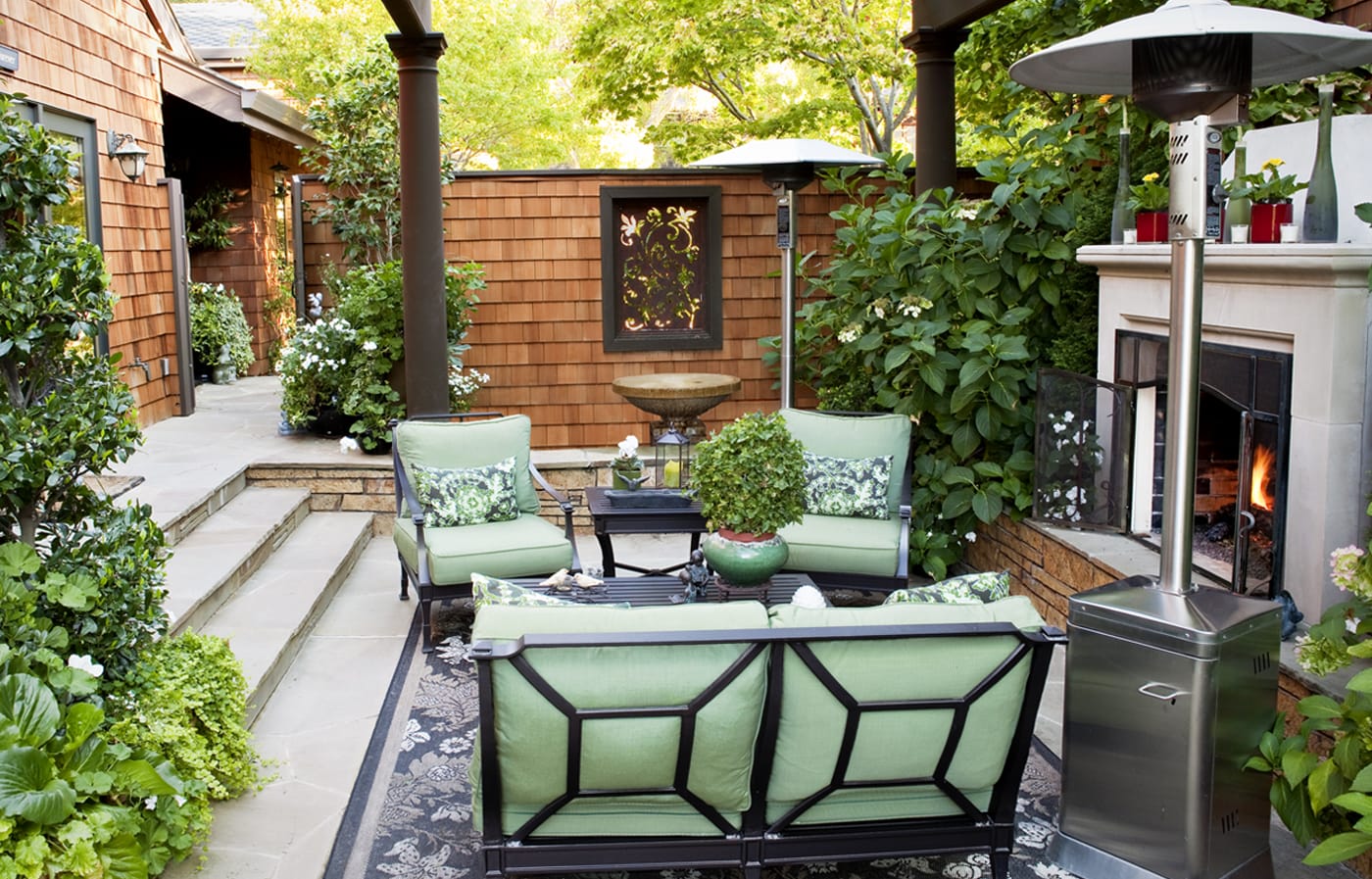
A great patio should do more than hold a grill, three mismatched chairs, and a flowerpot that has been “temporarily empty” since 2022. It should feel like a destinationa comfortable outdoor living space where morning coffee tastes better, dinner lasts longer, and even checking email seems slightly less offensive.
The most successful patio design ideas combine beauty with practical planning. Furniture must fit without blocking traffic. Plants should soften the hard surfaces without demanding the attention of a newborn. Lighting needs to create atmosphere while still helping guests locate the guacamole. Most importantly, the design should celebrate the view, whether that view is a sweeping lake, a mature garden, a city skyline, or one particularly handsome maple tree.
The following backyard patio ideas can work for large entertaining areas, compact courtyards, covered terraces, and small urban spaces. Use them individually or combine several to create a pleasant patio that looks intentional, functions comfortably, and earns every minute you spend outside.
How to Design a Patio Around Comfort and the View
Before purchasing furniture or selecting pavers, decide how you want the patio to function. A quiet reading retreat requires a different layout than an outdoor dining room for ten. Consider sunlight, wind direction, privacy, drainage, existing trees, and the view you most want to preserve. Then organize the space around those realities rather than forcing a magazine-inspired layout into a yard that clearly has other plans.
1. Aim the Main Seating Area Toward the Best View
The first rule of a view-worthy patio is surprisingly easy to ignore: point the chairs at the thing people came outside to see. Homeowners frequently arrange outdoor furniture parallel to the house because it looks tidy from the kitchen window. Unfortunately, this may leave everyone staring at the siding while a gorgeous garden, sunset, or mountain view performs behind them.
Identify the strongest sightline and make it the visual anchor. Position a sofa, lounge chairs, or built-in bench so guests naturally face that direction. Use lower furniture near the front of the view and place taller items, such as umbrellas and planters, along the sides. For a panoramic landscape, a curved seating arrangement can help everyone enjoy the scenery without turning the gathering into an outdoor lecture hall.
2. Divide the Patio Into Purposeful Zones
Large patios often feel cold when furniture floats randomly in the middle. Small patios feel cramped when every possible function is squeezed into one heroic square yard. Zoning solves both problems.
Create separate areas for dining, conversation, cooking, or quiet lounging. An outdoor rug can define a seating zone, while a change in paving pattern can distinguish the dining space. Planters, benches, or narrow console tables can act as soft dividers without building walls that interrupt the view.
On a compact patio, choose one primary purpose and one secondary purpose. A bistro table might serve as both a breakfast spot and a work surface. A storage bench can provide seating while hiding cushions, garden tools, and the outdoor toys everyone swore they would put away.
3. Choose Furniture That Matches the Scale
Patio furniture should fill the space without swallowing it. Measure the entire area, mark door swings, and preserve clear walking paths before shopping. A giant sectional may look luxurious online but considerably less luxurious when guests must climb over it to reach the house.
For smaller patios, select open-frame chairs, armless seating, folding tables, and pieces with slender legs. These designs allow light and scenery to remain visible, making the area feel more spacious. Larger patios can handle deeper sofas, substantial dining tables, and grouped lounge chairs.
Avoid relying automatically on a perfectly matched furniture set. A collected combination of wood, woven materials, and powder-coated metal often looks more personal. Keep the palette cohesive, however, so the patio feels curated rather than like a yard sale that gained permanent residency.
4. Build Shade Without Sacrificing the Scenery
A beautiful view loses some of its charm when everyone is squinting, overheating, and quietly reconsidering indoor air conditioning. Thoughtful shade makes a patio usable during more hours of the day.
Pergolas provide architectural definition while preserving an open feeling. Retractable canopies allow sunlight when desired and coverage when temperatures rise. Cantilever umbrellas are especially useful because their support poles can sit outside the main seating area. Shade sails work well for modern patios and irregular spaces.
Study the sun before choosing a permanent structure. A cover placed directly overhead may not block low western sunlight in the evening. Adjustable curtains, exterior shades, or strategically positioned trees can handle changing angles while framing rather than hiding the view.
5. Use Outdoor Rugs to Create a Room-Like Feel
An outdoor rug is one of the fastest ways to transform a collection of furniture into a recognizable living area. It adds softness, color, and visual boundaries to concrete, brick, stone, or wood surfaces.
Choose a rug large enough for at least the front legs of the main seating pieces to rest on it. A tiny rug floating under a large coffee table can make the arrangement look nervous. For dining spaces, the rug should extend far enough that chairs remain on it when pulled away from the table.
Select materials specifically rated for outdoor use, and consider how quickly the area dries after rain. Neutral stripes, subtle geometric patterns, and earthy colors support the surrounding landscape without competing with it. Bolder patterns can energize a simple patio, but the rug should complement the scenery rather than challenge every flower to a duel.
6. Layer Plants at Different Heights
Patio landscaping is most effective when plants appear in layers instead of standing in a single row of identical pots. Combine tall structural plants, medium flowering varieties, compact foliage, and trailing plants to create depth.
Place taller containers at the corners or behind seating to frame the view. Use medium-height plants near walls and railings. Let trailing vines spill from raised planters or hanging baskets. Repeating a few plant varieties throughout the patio creates rhythm and prevents the arrangement from resembling a garden center after a minor earthquake.
Choose plants suited to the patio’s actual sunlight and climate. Native species and drought-tolerant plants can reduce maintenance while supporting a natural connection to the surrounding landscape. Fragrant herbs such as rosemary, mint, thyme, or basil add sensory appeal and can conveniently improve dinner.
7. Add Privacy With Soft, Strategic Screens
Privacy does not have to mean constructing a solid wall around the patio and accidentally eliminating the very view you hoped to enjoy. Instead, block undesirable sightlines selectively.
Tall planters, ornamental grasses, lattice panels, outdoor curtains, and narrow hedges can screen neighboring windows or utility areas while leaving the landscape open. A slatted wood screen provides privacy without stopping airflow. Climbing vines trained over a trellis can create a softer, greener boundary over time.
Stand or sit in the locations where the patio will be used and identify exactly what needs concealing. Screening only those angles is usually more attractive and less expensive than enclosing the entire area. The goal is seclusion, not witness protection.
8. Create a Focal Point That Complements the View
Even a patio overlooking beautiful scenery benefits from a nearby focal point. This gives the eye somewhere to rest before traveling outward into the landscape.
A fireplace, sculptural planter, water bowl, specimen tree, tiled wall, or dramatic piece of outdoor art can anchor the design. Position the feature beside or below the major view rather than directly in front of it. A low fire pit, for example, adds warmth and atmosphere without blocking the horizon.
Choose one dominant focal point instead of assembling five unrelated attractions. A fountain, neon sign, striped umbrella, mosaic wall, and twelve-foot metal rooster may each have charisma, but together they create an outdoor identity crisis.
9. Layer Patio Lighting for Evening Ambience
Patio lighting should do more than hang overhead in one long strand. A layered system creates safer movement, highlights landscaping, and makes the outdoor space feel polished after sunset.
Use three levels of outdoor lighting
Begin with functional lighting near doors, grills, steps, and dining areas. Add ambient lighting through pendants, sconces, lanterns, or dimmable string lights. Finish with accent lighting aimed at trees, walls, planters, or architectural features.
Keep fixtures warm and restrained. Bright, cool-toned floodlights can make a patio feel like a parking lot during a security incident. Shield bulbs where possible and direct light downward to reduce glare. Solar path lights offer an easy update, while professionally installed low-voltage lighting provides more consistent illumination.
10. Select Hardscaping That Belongs With the House
The patio surface establishes the design before a single chair arrives. Brick offers warmth and traditional character. Natural stone blends beautifully with gardens and rustic architecture. Concrete can suit contemporary spaces and may be finished in numerous textures. Pavers provide flexibility and are easier to repair individually than one continuous slab.
Consider the architecture and exterior materials of the home. A patio does not need to match the house perfectly, but it should look related. Repeating a color from the roof, foundation, trim, or surrounding stonework can create visual continuity.
Also evaluate drainage, surface temperature, maintenance, and local weather. Dark materials can become extremely hot in direct sun, while overly smooth finishes may become slippery. Beauty matters, but so does reaching the lemonade without performing an accidental skating routine.
11. Include a Fire Feature for Cooler Evenings
A fire feature gives an outdoor living space a natural gathering point and extends patio use into cooler seasons. Options range from built-in masonry fireplaces to portable fire bowls and compact tabletop units.
Choose a size that fits the patio and maintain appropriate clearances from structures, furniture, branches, and combustible surfaces. Check local regulations before installing a wood-burning or gas feature. Seating should be close enough to enjoy the warmth but far enough to avoid singed eyebrows.
For patios with scenic views, select a low-profile fire pit or position a taller fireplace along a side boundary. The flames should enhance the atmosphere without becoming an expensive wall between guests and the landscape.
12. Improve Indoor-Outdoor Flow
A patio feels more inviting when it appears connected to the home rather than attached as an afterthought. Repeat indoor colors, textures, or shapes outside to strengthen that relationship.
Align the outdoor dining area with the kitchen when possible. Wide doors, unobstructed thresholds, and consistent flooring tones can visually expand both spaces. Place a console or serving station near the entrance so food, drinks, and tableware do not require repeated cross-country travel through the house.
Outdoor cushions, rugs, ceramics, and lighting can echo the home’s interior style. The materials must be weather-appropriate, but the personality should remain familiar. A traditional home may favor brick, teak, and tailored stripes, while a modern home may call for large-format pavers, sculptural furniture, and restrained planting.
13. Add a Compact Outdoor Cooking or Serving Zone
An outdoor kitchen can be impressive, but a pleasant patio does not require a commercial-grade cooking complex. A well-positioned grill, small counter, weather-resistant cabinet, or rolling beverage cart may provide everything needed for easy entertaining.
Keep cooking areas close enough to the indoor kitchen for convenience but away from the main seating so smoke does not become an uninvited guest. Include landing space beside the grill for trays and utensils. A pass-through window or serving ledge can improve flow when the patio adjoins the kitchen.
On a small patio, use a narrow bar table, folding preparation shelf, or movable cart. Flexible pieces can disappear when not needed, leaving more room for lounging and appreciating the view.
14. Finish With Personal Details, Not Clutter
The most memorable patios reflect the people who use them. Add a few details that feel personal: handmade pottery, vintage lanterns, colorful cushions, a weather-resistant sculpture, or planters collected during travels.
Limit the number of decorative themes. Coastal stripes, farmhouse signs, tropical flamingos, Southwestern textiles, and Parisian café furniture do not automatically become friends just because they are placed outdoors together.
Instead, select a simple color palette and repeat it through textiles, containers, and accessories. Store unnecessary items in a bench, deck box, or outdoor cabinet. Leaving some open space allows the eye to rest and keeps attention on the garden, water, skyline, or other natural feature that makes the patio worth the view.
Practical Experience: What Real Patio Makeovers Teach You
Patio projects often begin with exciting purchases, but the best results usually come from observing the space before buying anything. Homeowners who spend several days tracking sun, shade, wind, and household traffic tend to create more comfortable layouts than those who immediately order a complete furniture set. A chair placed in the perfect-looking corner may turn out to sit in blazing afternoon sun. A dining table positioned near the grill may also land directly in the route used by children, pets, and anyone carrying groceries.
A useful first step is to arrange inexpensive folding chairs where permanent seating might go. Live with the temporary setup for a weekend. Sit there in the morning, afternoon, and evening. Notice whether people naturally face the intended view, whether conversations feel comfortable, and whether doors can open fully. Painter’s tape, chalk, or flattened cardboard boxes can represent larger furniture pieces before they arrive. This low-tech experiment prevents high-priced mistakes remarkably well.
Another lesson is that comfort determines whether a beautiful patio gets used. Homeowners sometimes prioritize slim, sculptural chairs because they photograph beautifully, only to discover that nobody wants to occupy them for more than twelve minutes. Supportive seats, washable cushions, accessible side tables, and reliable shade usually matter more than trendy silhouettes. The ideal design should look attractive when empty and feel even better when occupied.
Successful makeovers also tend to happen in stages. Start with the foundation: clean or repair the surface, improve drainage, and confirm that electrical or gas connections are safe. Next, establish the main seating or dining arrangement. Add shade and lighting before spending heavily on decorative accessories. Plants, rugs, pillows, and art should be the final layer, not camouflage for unresolved structural problems.
Maintenance deserves honest consideration. A white-cushioned patio beneath berry-producing trees may look dreamy for approximately one afternoon. A complicated collection of thirsty container plants can turn every summer vacation into a botanical hostage negotiation. Select materials and plants based on the amount of care you will realistically provide, not the highly motivated version of yourself who exists in early spring.
Finally, the most pleasant patios evolve. Plants mature, family routines change, and outdoor furniture moves according to the season. Modular seating, movable planters, flexible umbrellas, and multipurpose tables allow the space to adapt. A patio does not have to be completely finished on opening day. In fact, spaces collected gradually often feel warmer and more authentic than those purchased in one coordinated shipment. Build the essential framework, protect the view, and leave room for the patio to develop its own personality.
Conclusion
The best patio design ideas balance scenery, comfort, and everyday usefulness. Begin by identifying the strongest view and deciding how the space will be used. From there, choose appropriately scaled furniture, organize functional zones, provide shade, and soften hard surfaces with layered plants and outdoor textiles.
Lighting, privacy screens, fire features, and personal accessories can deepen the atmosphere, but restraint remains important. A pleasant patio should not demand constant maintenance or feel crowded with decorative distractions. It should invite people to sit down, look outward, and stay longer than planned.
Note: This original article synthesizes established guidance from reputable U.S. architecture, landscaping, gardening, home-improvement, and interior-design publications. Its recommendations reflect recurring professional principles concerning patio layout, shade, lighting, materials, furniture scale, planting, privacy, and indoor-outdoor flow.