Some dinnerware shouts for attention like a Broadway understudy who finally got a speaking role. Tourne dinnerware does the opposite. It whispers. Calmly. Confidently. And somehow that makes it even harder to ignore. At Brook Farm General Store, the Tourne line became the kind of tabletop collection that design-minded people love to talk about in a very casual tone, as if they just happened to discover the perfect plate while buying string, a wooden spoon, and something artisanal they can’t pronounce.
That quiet appeal is exactly the point. Tourne dinnerware is not trying to win a costume contest. It is not covered in busy patterns, metallic drama, or decorative gymnastics. Instead, it leans into clean ceramic forms, soft glazes, and a practical everyday usefulness that feels almost radical in a world where some plates seem designed mainly for being photographed next to an expensive linen napkin.
And yet, this is not boring dinnerware. Not even close. The charm of Tourne lies in restraint. The pieces have the kind of thoughtful, no-nonsense beauty that looks just as right under a fried egg on a Tuesday morning as it does under roast chicken on a Sunday night. That balance between utility and style is what makes the line memorable, and it also explains why Brook Farm General Store became such a natural home for it.
Why Tourne Dinnerware Still Feels Fresh
Brook Farm General Store built its reputation on simple, useful, well-made goods for everyday life. That sounds easy enough until you try to do it well. Plenty of stores say they love timeless design. Far fewer actually curate objects that manage to be warm, functional, and unfussy without drifting into either sterile minimalism or fake rustic theater. Brook Farm has long occupied that sweet spot, and Tourne dinnerware fits neatly into its world.
The backstory makes the collection even more interesting. Brook Farm General Store eventually began producing its own line of products under the Tourne name because the founders wanted to sell the kinds of things they genuinely wanted to live with. That line included ceramic dinnerware, along with other home goods. In other words, Tourne was not random shelf filler. It was an extension of the store’s taste, values, and point of view.
That point of view still lands today because it honors a truth many home cooks and design lovers know in their bones: the best dinnerware is the stuff you actually want to use every day. Not the plates that sit in a cabinet waiting for a special occasion and a weather forecast promising low humidity. Not the dishes that require a care manual and emotional support. Everyday ceramics should make food look better, clean up easily, and hold up to real life.
The beauty is in the details, not the drama
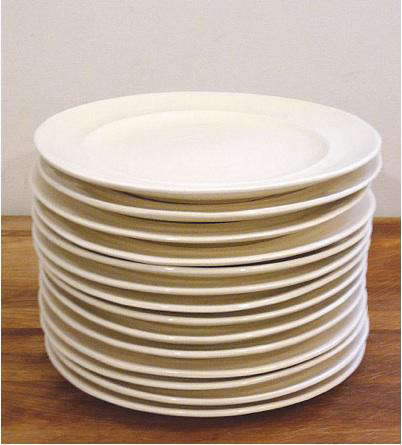
One of the smartest things about Tourne dinnerware is its limited palette. The line became known for white and cream finishes that could be mixed and matched rather than treated like separate camps in a small civil war. That pairing gives the collection visual softness. Pure white can sometimes read crisp and modern; cream adds warmth and ease. Put them together, and you get a table that feels layered without looking try-hard.
The individual pieces also show why restrained design works. The dinner plate has a generous but not oversized shape. The bowl is small enough to feel tidy and versatile, the sort of piece that earns its keep with cereal in the morning, soup at lunch, berries in the afternoon, and ice cream at night. The cups avoid fussiness too. Everything appears designed around daily rituals rather than showroom posing.
That practicality matters because pretty dinnerware can become annoying dinnerware very quickly. Tourne’s appeal is that it seems to understand kitchens as real workplaces. A plate should stack neatly. A bowl should feel comfortable in the hand. A cup should not ask you to grip it like you are defusing a tiny bomb. Tourne gets points for remembering that function is not the enemy of style; it is often the reason style survives.
What Makes This Kind of Tabletop Collection So Effective
Part of the answer is material culture, and part of it is visual psychology. Americans have spent the last several years rethinking what they want from their homes, especially in spaces used every single day. Kitchens and dining areas are no longer just pass-through zones. They are homework stations, coffee bars, late-night therapy booths, and unofficial dinner party stages. The objects that live there need to work harder than before.
That is why understated ceramic dinnerware keeps earning attention. Retail and design guidance across the U.S. continues to favor versatile everyday sets with interesting texture, a soft glaze, or a classic white base that can flex across casual meals and more dressed-up occasions. People want dishes that are durable, easy to care for, and adaptable enough to mix with heirloom pieces, thrift finds, or fresh seasonal table accents.
Tourne lands squarely in that zone. It has the kind of visual restraint that helps food take center stage, but it also has enough character to avoid disappearing. This is a big deal. The wrong plate can flatten a beautiful meal. A plate that is too shiny, too ornate, too colorful, or too aggressively shaped can compete with the food. Tourne seems to understand the golden rule of good tabletop design: the plate should support the meal, not audition over it.
White dinnerware is the little black dress of the table
There is a reason simple white and cream dishes never really leave the conversation. They are wildly flexible. They can lean farmhouse, Scandinavian, coastal, modern, vintage, rustic, or quietly elegant depending on what you pair with them. Swap in striped linen napkins and woven placemats, and the table becomes relaxed and earthy. Add polished flatware and a few tapered candles, and suddenly the exact same plate looks dinner-party ready.
This is where Tourne earns extra points. Its neutral palette invites styling without demanding it. You can build around it with color, but you do not have to. You can mix it with old china from your grandmother, salad plates from a flea market, or plain glassware you bought because it was on sale and you were feeling powerful. The collection does not punish creativity. It welcomes it.
That mix-and-match spirit is one of the reasons simple ceramics remain beloved by editors, stylists, and people who occasionally rearrange their open shelving at 10:30 p.m. just to “see how it feels.” Tourne is easy to live with because it leaves room for the rest of the room.
Brook Farm General Store and the Art of Quiet Curation
You cannot talk about Tourne without talking about Brook Farm General Store itself. The store’s aesthetic has long leaned toward the useful and enduring rather than the flashy and disposable. That matters because dinnerware never exists in isolation. The plates on your table are in conversation with the glassware, the cutlery, the textiles, the lighting, and the mood of the space. A well-curated store understands this, and Brook Farm clearly does.
What makes the store distinctive is not just that it sells homewares. Plenty of places do that. It is that Brook Farm treats the tabletop as part of a larger life philosophy: choose fewer things, choose better things, and let them age into your routines. That kind of editing is refreshing. It suggests that a home does not need to be stuffed with novelty to feel interesting. Sometimes it just needs a handful of objects that get the basics beautifully right.
Tourne dinnerware expresses that idea almost perfectly. It is not about spectacle. It is about rhythm. Breakfast, lunch, supper, snacks, soup, fruit, coffee, leftovers, birthday cake, toast at midnight, pasta after a long day, and one slightly tragic salad you make because your produce drawer is judging you. Good dinnerware should be able to handle the whole range. Tourne feels like it was built for that exact assignment.
Not rustic cosplay, not precious museum china
The best part of Tourne’s personality is that it avoids two common design traps. First, it does not try too hard to look handmade in a theatrical way. There is no exaggerated wobble, no aggressive imperfection, no “look at me, I am a plate with a backstory” energy. Second, it does not veer into preciousness. It remains approachable. Honest. Useful.
That middle path is hard to pull off. Many dinnerware lines either become too polished and generic or too artisanal and self-conscious. Tourne sits in a more interesting place. It has enough softness and character to feel human, but enough discipline to feel timeless. It is warm minimalism before warm minimalism became everybody’s favorite phrase on social media.
How to Style a Table Around Tourne Dinnerware
The easiest way to style Tourne is to let the ceramics anchor the table and build from there. Because the plates and bowls are neutral, you can use texture and natural materials to add life. Think washed linen napkins, simple glassware, wood serving boards, stainless flatware, or natural fiber placemats. The result feels layered without becoming visually noisy.
Florals are another obvious win, especially loose seasonal arrangements. Tourne does not need towering centerpieces to make an impression. In fact, smaller arrangements feel more in tune with its understated character. A few branches, wildflowers in bud vases, or even a cluster of pears in a bowl can do the job beautifully.
Color also works well when used strategically. Because white and cream are such accommodating neutrals, you can introduce dusty green, soft blue, mustard, rust, or muted black through linens or glassware. That lets the tabletop feel seasonal without forcing you to buy a whole new dinnerware collection every time the leaves change color and the candles come out.
Three easy moods for one collection
Weeknight easy: Use Tourne with plain tumblers, a cotton napkin, and a wooden salad bowl. Add a skillet at the center of the table and let dinner be gloriously unfussy.
Weekend casual: Pair the dinnerware with striped linens, a loaf of bread on a board, low flowers, and a mix of white and cream pieces to create a softly collected look.
Holiday without hysteria: Layer the plates with polished flatware, candles, textured glassware, and a modest centerpiece. The neutral ceramics help the table feel elevated without entering pageant territory.
Who Will Love Tourne Dinnerware Most?
This collection makes the most sense for people who like objects with staying power. If you want your table to feel calm, collected, and a little bit European without becoming stiff, Tourne speaks your language. It also suits anyone trying to escape the tyranny of trend-chasing. You do not need a dish set that feels “very this year.” You need one that will still look right when your paint color changes, your dining chairs rotate out, and your taste evolves a little.
It is also a strong match for small households, busy families, and enthusiastic hosts because the pieces appear designed for repeated use, not occasional display. That makes them easier to justify. A plate that works on both toast and tiramisu is doing real labor. We respect a multitasker.
And for shoppers who love Brook Farm General Store specifically, Tourne represents something more than a product line. It captures the store’s larger appeal: humble essentials, careful editing, and the belief that daily life deserves good design too.
The Experience of Living with a Table Like This
Here is where the story gets especially good, because Tourne dinnerware is not just about what the pieces look like on a shelf. It is about what happens when they enter the choreography of everyday life. The experience starts small. You pull a plate from the cupboard and notice that it looks good before anything is even on it. That sounds ridiculous until you realize how rare it is. Some plates are merely blank surfaces. Others bring a little mood to the room before breakfast has even started.
Imagine setting the table on a quiet Saturday morning. The light is decent, the coffee is doing heroic work, and the house is not fully awake yet. A cream bowl gets filled with berries. A white plate takes toast and scrambled eggs. A cup sits nearby looking unbothered and useful, exactly the kind of ceramic companion you want before conversation becomes mandatory. Nothing is precious, but everything feels gently considered. That is the magic. Tourne turns ordinary meals into slightly nicer versions of themselves without asking you to perform.
By lunchtime, the same pieces shift gears easily. A bowl holds tomato soup. A plate gets a sandwich with too much mustard, which is correct. The table does not need to be fully styled to feel pulled together. These are the kinds of dishes that give a meal a little dignity even when lunch is assembled with the urgency of a person who has three tabs open, one package at the door, and no intention of making a second trip to the grocery store.
Dinner is where the collection really earns applause. Roast vegetables look richer against soft white glaze. Pasta looks more dramatic. Salad looks less like punishment and more like a choice made by a composed adult. Candles help, of course. Candles always help. But the ceramics do a surprising amount of atmospheric lifting on their own. They create a visual calm that lets the food, the conversation, and the setting breathe.
There is also an emotional side to dinnerware that people do not talk about enough. The dishes you use every day become part of your domestic memory. You remember the bowl that held chicken soup when someone was sick. The plate that appeared during birthday cake, takeout noodles, holiday leftovers, and one heroic grilled cheese at midnight. Tourne feels built for that kind of long companionship. It does not beg for attention in the moment, but it is exactly the sort of collection that quietly becomes part of your life story.
That, ultimately, is the experience Brook Farm General Store sells so well. Not perfection. Not some unreachable magazine fantasy where no one spills anything and every napkin is ironed by saints. The experience is better than that. It is a life made more beautiful by the steady presence of well-chosen things. Tourne dinnerware fits that vision because it does not require a special occasion to matter. It improves the ordinary, which is where most of us actually live.
And honestly, that may be the highest compliment a tabletop collection can earn. A dish does not need to be flashy to be memorable. It just needs to show up, look good, feel right, and make the meal in front of you seem a little more worth lingering over. Tourne appears to do exactly that. It is the dinnerware equivalent of a person who never dominates the room but somehow makes the whole evening run better.
Final Thoughts
Tourne dinnerware at Brook Farm General Store is a reminder that tabletop design does not need loud patterns, trend bait, or unnecessary drama to leave an impression. Sometimes the most compelling collection is the one that knows when to be quiet. With its white-and-cream palette, practical forms, and lived-in elegance, Tourne offers the kind of everyday ceramic beauty that stays relevant because it was never chasing novelty in the first place.
If your dream table is one that feels warm, edited, and genuinely usable, this kind of dinnerware deserves your attention. It is not trying to be the star of the meal. It is trying to make the whole meal look and feel better. That is a different ambition, and frankly, a smarter one.
In a home world crowded with “must-have” objects that are forgotten by next season, Tourne’s appeal is reassuringly steady. It is useful. It is attractive. It is versatile. It plays well with others. And on a dining table, those are not small virtues. They are the whole game.