Worry beads may look like a simple string of beads, but do not be fooled by their humble appearance. These little objects have survived centuries of changing habits, fashions, spiritual practices, coffeehouse conversations, and restless hands. In a world where people reach for their phones every 11 seconds as if the screen contains the secrets of the universeor at least one more mildly upsetting notificationworry beads feel surprisingly fresh.
A modern take on worry beads is not about pretending we live in an old Greek village square, sipping thick coffee while debating politics with the intensity of a courtroom drama. It is about borrowing the best part of the tradition: a tactile, rhythmic, low-tech object that gives the hands something soothing to do while the mind catches its breath. Today, worry beads can be a pocket-sized mindfulness tool, a stylish accessory, a fidget-friendly alternative to doomscrolling, and even a small personal ritual for people who want calm without downloading another app.
This guide explores where worry beads come from, why they still make sense, how modern designs are changing the way people use them, and how you can turn a strand of beads into a daily habit that feels grounding, personal, andyesa little cooler than squeezing a stress ball shaped like a corporate logo.
What Are Worry Beads?
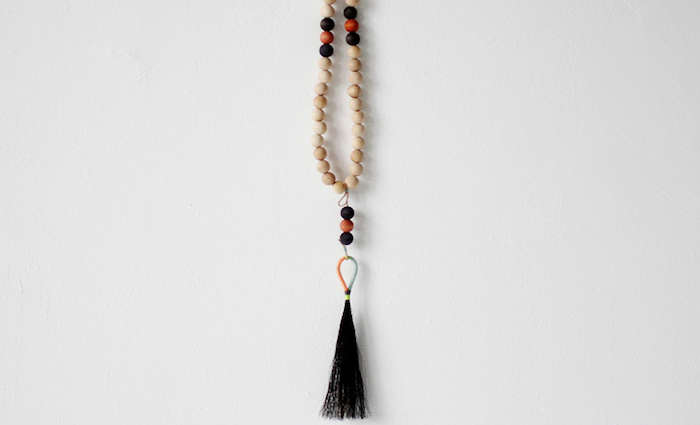
Worry beads, often associated with the Greek komboloi, are strands of beads handled with one or both hands. Traditionally, they are used to pass time, relax, and create a pleasant rhythm through movement and sound. Unlike rosaries, malas, or Islamic misbaha beads, Greek worry beads are generally not religious objects. Their purpose is more casual and cultural: a companion for idle hands, a calming object, a symbol of leisure, and sometimes a stylish personal item.
A traditional komboloi usually includes an odd number of beads, a larger “head” bead, a shield or separator, and often a tassel. The beads may be made from amber, coral, bone, horn, glass, wood, stone, or modern resin. The strand is usually longer and looser than prayer beads, allowing the beads to slide, flip, click, and roll easily between the fingers.
That looseness is important. Worry beads are not meant to sit stiffly like a bracelet that has unresolved emotional issues. They need room to move. The pleasure comes from the swing, the slide, the soft click, and the repetition. The object becomes less like jewelry and more like a tiny rhythm instrument for the nervous system.
Why Worry Beads Feel Modern Again
The comeback of worry beads makes perfect sense because modern life has turned stillness into an extreme sport. People sit in meetings, wait in traffic, answer emails, watch loading screens, attend video calls, and try to relax while receiving messages from five different apps. Our minds are overloaded, but our hands are often underemployed. That mismatch creates restlessness.
This is where worry beads fit beautifully. They provide tactile stimulation without demanding visual attention. Unlike a phone, they do not open a news feed. Unlike a fidget spinner, they do not announce themselves across the room like a tiny plastic helicopter. Unlike a wellness gadget, they do not require charging, syncing, updating, or apologizing to tech support.
Modern worry beads also connect with the popularity of mindfulness, grounding techniques, sensory tools, and intentional living. Many stress-management approaches encourage people to return attention to the present moment through breath, body awareness, and the senses. A strand of beads gives the fingers a simple sensory anchor. You can notice the texture, count the beads, match movement with breathing, or simply let the rhythm interrupt a spiral of overthinking.
Of course, worry beads are not medical treatment, and they should not be marketed as a cure for anxiety. But as a personal calming aid, they can be useful in the same way a smooth stone, textured fabric, breathing exercise, or quiet walking routine can be useful. They create a small pause. Sometimes a small pause is enough to keep the day from turning into a dramatic limited series.
A Short History: From Prayer Beads to Pocket Ritual
Beads have been used across cultures for centuries. Hindu and Buddhist malas, Catholic rosaries, Islamic misbaha, Orthodox prayer ropes, and other devotional strands help people count prayers, chants, mantras, or meditative repetitions. These objects combine touch, rhythm, memory, and meaning.
Greek worry beads are different because they moved away from formal prayer and into everyday life. The komboloi became associated with coffeehouses, social conversation, masculinity, leisure, status, and personal style. In Greek and Cypriot culture, a person might handle worry beads while walking, talking, thinking, waiting, or simply enjoying the sound and feel of the beads moving through the hand.
That transformationfrom sacred counting tool to secular companionis part of what makes worry beads so adaptable today. They can be meaningful without being solemn. They can be beautiful without being fancy. They can be calming without requiring you to sit cross-legged on a mountain at sunrise, although if you have a mountain available, congratulations on your excellent real estate situation.
What Makes a Modern Worry Bead Design?
A modern take on worry beads keeps the core idea intact while updating the materials, aesthetics, and use cases. Instead of copying tradition exactly, contemporary designers and users are asking better questions: What feels good in the hand? What fits a modern wardrobe? What can be carried discreetly? What materials are ethical, durable, and personal?
1. Materials That Feel Good, Not Just Look Good
The best worry beads are tactile first and decorative second. Smooth amber, polished wood, ceramic, glass, stone, stainless steel, recycled resin, and silicone can all work depending on the desired feel. Wood is warm and quiet. Stone feels cool and grounding. Glass creates a crisp click. Metal feels sleek but can be louder and heavier. Silicone is soft, modern, and discreet, especially for people who prefer a quieter sensory tool.
Modern buyers may also care about sustainability. Instead of ivory, coral, or rare natural materials, many people now choose responsibly sourced wood, recycled glass, lab-created stones, plant-based resin, or vintage beads. The point is not to own the most expensive strand. The point is to own one that feels right enough that you actually use it.
2. Aesthetic Choices With Personality
Traditional worry beads often have rich, earthy colors: amber, black, red, honey, brown, and deep green. Modern designs can keep that elegance or move into minimalist neutrals, matte finishes, bright color blocking, translucent resin, or even monochrome “desk object” styling.
For a professional look, choose matte black onyx, dark wood, smoky glass, or brushed metal accents. For a softer wellness feel, try sandalwood, rose quartz, white jade, or cream ceramic. For a playful design, mix oversized beads with a bold tassel or use gradient colors. If your personal style says “calm museum curator with excellent coffee,” there is a bead strand for that. If it says “creative director who owns too many tote bags,” there is also a bead strand for that.
3. Size and Weight Matter
Worry beads should be large enough to move comfortably but not so large that they feel like you are carrying a chandelier. Smaller beads are subtle and good for quiet use. Larger beads create a more satisfying slide and click. Heavier materials may feel grounding but can become tiring. A good modern set should pass the pocket test: easy to carry, easy to grip, and not likely to make everyone in the room think you brought a tiny percussion section.
4. Sound: Clicky or Quiet?
Some people love the gentle click of beads. Others need silence, especially in offices, libraries, classrooms, or shared spaces. Modern worry beads can be designed for either preference. Glass, stone, and metal create more sound. Wood, silicone, resin, and cord knots tend to be quieter. If you plan to use your beads during meetings, choose quiet materials. Your coworkers may appreciate your mindfulness journey more if it does not come with a soundtrack.
How to Use Worry Beads Today
There is no single correct way to use worry beads. That is part of their charm. Still, a few methods make them easier to incorporate into modern life.
The Quiet Slide
Hold the strand in one hand and use your thumb to move one bead at a time. Let each bead slide slowly across the cord. Pair the movement with a slow inhale and exhale. This method is subtle, making it ideal for a desk, train ride, waiting room, or moment when your inbox has chosen violence.
The Counted Breath
Move one bead with each breath. For example, inhale while touching one bead, exhale while moving to the next. You can complete one round of the strand as a short breathing ritual. This turns the beads into a physical timer that is more pleasant than staring at a meditation app countdown.
The Thought Reset
When you catch yourself worrying, assign one repeated phrase to the beads. It does not need to be dramatic. Try “one thing at a time,” “come back to now,” or “I can handle the next step.” Move one bead per phrase. The repetition gives your mind a track to follow instead of letting it sprint into imaginary disasters wearing tiny running shoes.
The Creative Warm-Up
Writers, designers, musicians, and other creative workers can use worry beads before starting deep work. Handle the beads for two or three minutes before opening a blank document or sketchbook. The tactile rhythm can mark the transition from scattered attention to focused attention. It is like knocking politely on the door of your own brain.
Worry Beads vs. Fidget Toys vs. Meditation Beads
Worry beads overlap with fidget toys and meditation beads, but they are not exactly the same. Understanding the difference can help you choose the right tool.
| Object | Main Purpose | Best For |
|---|---|---|
| Worry beads | Relaxation, rhythm, tactile focus, passing time | People who want a stylish, low-tech calming object |
| Fidget toys | Sensory stimulation and restless hand movement | People who need active tactile input for focus |
| Meditation beads | Counting prayers, mantras, affirmations, or breaths | People with spiritual, meditative, or structured practices |
| Anxiety rings | Discreet grounding through spinning or rolling motion | People who prefer wearable stress-friendly jewelry |
The modern worry bead strand sits comfortably between these categories. It can be fashionable like jewelry, practical like a fidget tool, and mindful like meditation beads. Its superpower is flexibility. It does not demand a belief system, a routine, or a personality makeover. It simply waits in your pocket until your hands need something better to do than refresh email.
How to Choose Your First Set of Worry Beads
If you are buying or making your first strand, start with comfort. Choose beads that feel pleasant against your fingers. Avoid sharp edges, overly tiny beads, or materials that irritate your skin. If you like warmth, choose wood. If you like weight, choose stone. If you like a polished heirloom look, choose amber-colored resin or glass. If you want something modern and office-friendly, choose matte silicone or smooth dark beads.
Next, consider length. A strand that is too short will not move properly. A strand that is too long may become awkward. Traditional worry beads often have enough space for the beads to slide freely. That extra cord is what allows the beads to move, flip, and click.
Finally, choose a design that you will not feel silly carrying. The best wellness object is the one you actually use. A beautiful strand left in a drawer is just décor with commitment issues.
Making Worry Beads Part of a Daily Ritual
To get the most from worry beads, connect them to moments that already exist in your day. Use them while your coffee brews, before checking messages, after parking the car, during a short walk, or at the end of the workday. The ritual does not need to be long. Two minutes can be enough to create a mental boundary.
For example, try this simple modern worry bead routine:
- Hold the beads in one hand.
- Take one slow breath before moving the first bead.
- Move one bead with each exhale.
- When your mind wanders, notice it without judgment.
- Return to the texture, weight, and rhythm of the beads.
- Stop after one full round or after two minutes.
This kind of routine works because it is simple. It does not require perfect posture, silence, incense, a new identity, or a playlist called “Deep Cosmic Healing Vibes Volume 9.” You only need a strand of beads and a willingness to pause.
A Modern Style Statement With Meaning
Worry beads also work as personal style objects. A strand hanging from a bag, resting on a desk, or carried in a jacket pocket can say something subtle about taste and temperament. It suggests slowness in a fast world. It hints at craft, culture, and touch. It also gives you something to do during awkward pauses, which is a public service no one talks about enough.
Modern designers can push worry beads into new territory with modular strands, interchangeable tassels, recycled materials, gender-neutral styling, and hybrid designs that function as both pocket objects and accessories. A minimalist black strand can feel architectural. A warm wood strand can feel organic and calming. A bright resin strand can feel playful and artistic.
The best modern worry beads do not erase tradition. They translate it. They honor the old ideaa strand of beads as a companion for the handwhile making it relevant to people who live among laptops, elevators, airports, deadlines, group chats, and calendar alerts with the emotional range of a fire alarm.
Experiences: A Modern Take on Worry Beads in Real Life
The real beauty of worry beads appears when they leave the display tray and enter ordinary life. Imagine keeping a small strand on your desk during a busy Monday. The morning begins with ambitious optimism, then immediately becomes a heroic battle against unread messages. Instead of reaching for your phone during every pause, you pick up the beads. The first few movements feel almost too simple. Slide, breathe, click. Slide, breathe, click. After a minute, your attention feels less scattered. Not magically transformedthis is not a fairy tale, and the beads are not tiny therapistsbut gently redirected.
Another common experience happens during commuting. Whether you are on a train, waiting for a rideshare, or sitting in traffic that appears to have been designed by a committee of villains, worry beads offer a quiet alternative to restless scrolling. The beads give your hand a rhythm while your eyes can rest. You may notice the weight of the strand, the temperature of the beads, the way the cord moves, or the sound they make. That sensory awareness pulls you back into the present moment. The commute may still be annoying, but now it is annoying with texture.
Worry beads can also become useful during creative work. Many people do not begin writing, designing, or planning with immediate brilliance. They begin by staring at the screen, negotiating with the cursor, and wondering whether a snack would solve everything. A short bead ritual can create a starting signal. Hold the beads, move through one round, breathe slowly, and then begin. Over time, the object becomes associated with transition: from noise to focus, from avoidance to action, from “I have no ideas” to “Fine, I have one idea, but it better behave.”
Some people use worry beads socially. They keep a strand nearby during long conversations, especially the kind that require patience, listening, or emotional steadiness. The beads help absorb nervous energy without interrupting the conversation. This can be especially helpful for people who tend to tap pens, pick at nails, spin rings, or check their phones when uncomfortable. The beads become a more intentional outlet.
There is also something satisfying about choosing beads that reflect your own story. A traveler might buy a strand from a small shop and associate it with a city, a meal, or a season of life. A maker might build a strand from inherited beads, vintage finds, or colors that represent a personal intention. Someone recovering from burnout might keep a strand as a reminder to slow down. Someone starting a new job might use one as a confidence object before meetings. These experiences give worry beads meaning beyond stress relief. They become a small personal artifact, the kind of object that quietly collects memory.
The most modern thing about worry beads may be their refusal to become complicated. They do not track your mood. They do not measure your sleep. They do not send weekly performance reports. They simply invite your hand into rhythm and your mind into a brief moment of presence. In an age obsessed with optimization, that simplicity feels almost rebellious.
Conclusion: Old Beads, New Calm
A modern take on worry beads is not about nostalgia for the past. It is about recognizing that some old tools still solve new problems beautifully. Worry beads offer texture in a touchscreen world, rhythm in a chaotic schedule, and a small ritual for people who want to feel more grounded without making wellness feel like homework.
Whether you choose a traditional komboloi, a minimalist modern strand, a handmade set of wooden beads, or a sleek pocket design, the value lies in use. Let the beads move through your fingers. Let the rhythm slow your thoughts. Let the object remind you that calm does not always need to be complicated. Sometimes it is just one bead, one breath, and one tiny pause before the next thing.