Note: This article is for general educational purposes only and should not replace medical advice. If you have depression, suicidal thoughts, or sudden mood changes while taking Ozempic, contact a licensed health care professional promptly. If you are in immediate danger, call or text 988 in the United States or seek emergency help.
Introduction: The Question Behind the Buzz
Ozempic has become one of those medications that somehow lives in three worlds at once: the doctor’s office, the dinner table, and the internet comment section. Officially, Ozempic is a prescription medication containing semaglutide, approved to help adults with type 2 diabetes improve blood sugar control and reduce certain cardiovascular risks. Unofficially, it has also become part of the larger public conversation about weight loss, appetite, cravings, and the mysterious new phrase “GLP-1.”
But for people living with depression, the big question is not trendy at all. It is deeply practical: Is Ozempic safe if you have depression?
The short answer is: for many people with depression, Ozempic may be used safely under medical supervision, but it deserves extra attention, honest mood tracking, and coordination between your prescribing clinician and mental health provider. Depression does not automatically mean Ozempic is off the table. However, it does mean you should not treat the medication like a casual wellness accessory, right next to your water bottle and that abandoned resistance band from January.
The evidence so far does not show that Ozempic commonly causes depression or suicidal thoughts. In fact, large studies and regulatory reviews have not found a clear increased risk of suicidal ideation with semaglutide or GLP-1 receptor agonists as a class. Still, individual experiences can vary. Some people report feeling better as their blood sugar, weight, inflammation, sleep, or confidence improves. Others report nausea, fatigue, appetite changes, emotional flatness, or mood dipsespecially during dose increases.
So let’s unpack the issue carefully, without panic, hype, or the internet’s favorite medical tool: dramatic guessing.
What Is Ozempic and How Does It Work?
Ozempic belongs to a class of medications called GLP-1 receptor agonists. GLP-1 is a hormone involved in blood sugar regulation, digestion, and appetite signaling. Semaglutide, the active ingredient in Ozempic, imitates some GLP-1 activity in the body.
In plain English, Ozempic helps the body respond better after meals. It can stimulate insulin release when blood sugar is high, reduce glucagon secretion, slow stomach emptying, and help many people feel full sooner. That last effect is why semaglutide became famous outside diabetes care, although Ozempic itself is not the same product as Wegovy, which uses semaglutide at a dose approved for chronic weight management.
For adults with type 2 diabetes, Ozempic can be a powerful tool. Better glucose control can reduce the daily roller coaster of highs and lows. For some people, that steadier metabolic rhythm may also improve energy, sleep, and motivation. Anyone who has tried to be cheerful while blood sugar is misbehaving knows the pancreas does not always respect the calendar.
Depression and Diabetes Often Travel Together
Before blaming or praising Ozempic for every emotional change, it is important to understand the background: diabetes and depression are already closely connected. People with diabetes are more likely to experience depression than people without diabetes. The reasons are not simple. Chronic disease management can be exhausting, blood sugar swings can affect energy and concentration, and the daily demands of medication, food choices, appointments, insurance, and lab numbers can become emotionally heavy.
Depression can also make diabetes harder to manage. When someone feels hopeless, fatigued, or overwhelmed, it may become harder to prepare meals, take medications consistently, exercise, check glucose, or attend appointments. The result can become a frustrating loop: poor mood worsens self-care, poor self-care worsens physical symptoms, and physical symptoms worsen mood. Nobody asked for this subscription, yet it keeps renewing.
This is why the question “Is Ozempic safe if you have depression?” needs a thoughtful answer. The medication is only one piece of a larger picture that may include diabetes, weight concerns, body image, stigma, sleep, stress, other medications, eating patterns, and existing mental health treatment.
Does Ozempic Cause Depression?
Current evidence does not establish Ozempic as a common cause of depression. Depression and suicidal thoughts are not listed among the most common adverse reactions in Ozempic’s standard prescribing information. The most common side effects are gastrointestinal, including nausea, vomiting, diarrhea, abdominal pain, and constipation.
That said, “not common” does not mean “impossible.” After a medication becomes widely used, rare or complicated reactions can show up in real-world reports. Some patients have described mood changes, emotional dullness, anxiety, or depressive symptoms while using GLP-1 medications. Case reports exist, but case reports cannot prove that the drug caused the mood change. They are more like smoke alarms: useful for investigation, but not always proof of fire.
Regulators have reviewed concerns about suicidal thoughts and GLP-1 medications. Current FDA conclusions do not identify an increased risk of suicidal ideation or behavior with GLP-1 receptor agonists. Still, the FDA advises patients to tell a health care professional about new or worsening depression, suicidal thoughts, or unusual mood or behavior changes. That advice is sensible. Mood symptoms should be taken seriously whether they come from medication, life stress, a medical condition, or a combination of all three wearing a trench coat.
What the Research Says About Semaglutide and Mental Health
Several large studies have been reassuring. A major analysis of patient health records found that semaglutide was not associated with a higher risk of suicidal ideation compared with other diabetes or weight-management medications. Another analysis of semaglutide clinical trials for weight management found that rates of depression symptoms and suicidal ideation or behavior were similar between semaglutide and placebo groups among participants without known major psychopathology.
More recent observational research has even suggested that some people using GLP-1 receptor agonists may have a lower risk of worsening depression or anxiety. That does not mean Ozempic is an antidepressant. Please do not replace therapy with a pen injector and a motivational quote. But it does suggest that better metabolic health, weight-related improvements, reduced inflammation, or changes in reward pathways may positively influence mood for some people.
At the same time, research has limits. Many clinical trials exclude people with severe active psychiatric conditions, recent suicidal behavior, or unstable mental health. That means the most reassuring data may not perfectly represent every person living with major depression, bipolar disorder, eating disorders, substance use disorder, or a history of self-harm. If your mental health history is complex, the right answer is not “never use Ozempic.” It is “use it with a plan.”
Why Mood Might Change While Taking Ozempic
If someone feels emotionally different after starting Ozempic, there are several possible explanations. Some may involve the medication directly; others may be indirect effects of changing appetite, eating habits, weight, glucose levels, or lifestyle.
1. Nausea and Low Food Intake Can Affect Mood
Ozempic commonly reduces appetite. For many people, that is part of its benefit. But if appetite drops too much, a person may accidentally under-eat. Low calorie intake, dehydration, skipped protein, and poor nutrition can contribute to fatigue, irritability, brain fog, and low mood. Your brain is not a decorative lamp; it needs fuel.
People who already have depression may be especially vulnerable because depression itself can reduce appetite, motivation, and meal planning. If Ozempic adds nausea to the mix, meals can turn into negotiations. The goal is not to “win” by eating as little as possible. The goal is to nourish the body while using the medication safely.
2. Blood Sugar Changes Can Feel Like Anxiety or Depression
Ozempic alone has a relatively low risk of causing hypoglycemia, but the risk can increase when it is used with insulin or sulfonylureas. Low blood sugar can cause shakiness, sweating, anxiety, confusion, irritability, fatigue, and even behavior changes. Some of those symptoms can look like a mood episode when the real villain is glucose.
If you use other diabetes medications, ask your clinician whether doses need adjustment when starting or increasing Ozempic. Keeping a record of symptoms, meals, and glucose readings can help separate emotional patterns from blood sugar patterns.
3. Rapid Weight Loss Can Be Emotionally Complicated
Weight loss is often presented as a parade where everyone is smiling and wearing smaller pants. Real life is more complicated. Body changes can bring joy, relief, attention, anxiety, grief, or pressure. Some people feel empowered. Others feel exposed. Compliments may feel goodor uncomfortable. Old body image issues may resurface.
For people with a history of depression, emotional eating, restrictive eating, binge eating, or trauma related to weight stigma, Ozempic may change more than appetite. It can change routines, coping tools, relationships, and identity. That is not a reason to avoid treatment; it is a reason to include mental health support in the treatment plan.
4. Reward and Craving Changes May Affect Pleasure
GLP-1 medications appear to influence appetite and reward pathways. Many users report fewer cravings for food, alcohol, or other highly rewarding behaviors. For some, that feels liberating. For others, it may feel like the volume has been turned down on pleasure in general.
Some patients describe emotional flatness or a “meh” feeling. Scientists are still studying whether this is directly related to GLP-1 activity in the brain, reduced dopamine reward response, lower calorie intake, fatigue, or another factor. If you notice that your usual joysmusic, hobbies, intimacy, social life, or humorsuddenly feel muted, bring it up. Do not assume you are being dramatic. Mental health symptoms deserve a seat at the appointment table.
Who Should Be Extra Careful?
Ozempic may require closer monitoring if you have current major depression, a history of suicidal thoughts or attempts, bipolar disorder, an eating disorder, severe anxiety, substance use disorder, or recent psychiatric hospitalization. It also deserves caution if you are going through a major life crisis, recently changed antidepressants, or already struggle to eat enough.
This does not mean Ozempic is automatically unsafe. It means your prescriber should know the full picture. A clinician cannot protect you from information they do not have. This is not the moment to give your medical history the “edited for television” treatment.
Questions to Ask Your Doctor Before Starting Ozempic
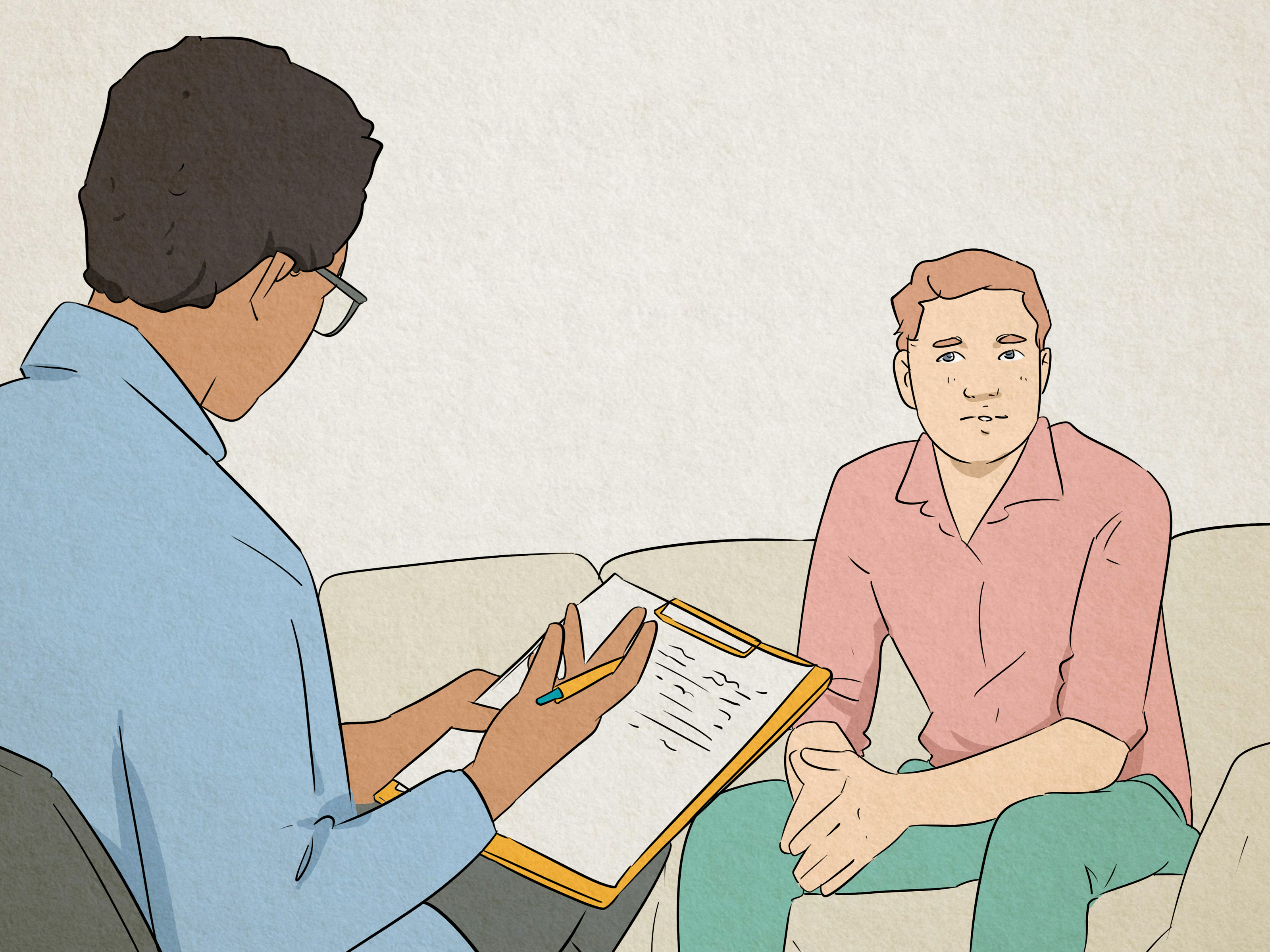
If you have depression and are considering Ozempic, a good appointment should include more than “Here is the pen; good luck.” Ask direct questions such as:
- Is Ozempic appropriate for my diabetes, weight, heart, kidney, and mental health profile?
- Could my current medications increase the risk of low blood sugar?
- How should I handle nausea, appetite loss, or trouble eating?
- What mood symptoms should I report immediately?
- Should my therapist, psychiatrist, or primary care doctor be involved?
- How often should we follow up after starting or increasing the dose?
These questions are not annoying. They are responsible. Your doctor has heard stranger things before breakfast.
How to Monitor Mood While Taking Ozempic
A simple monitoring plan can make Ozempic safer for people with depression. Before starting, write down your baseline mood, sleep, appetite, energy, anxiety level, motivation, and any suicidal thoughts. If you use a depression screening tool such as the PHQ-9 with your provider, repeat it after dose changes.
During treatment, keep a brief weekly log. You do not need a leather-bound diary under candlelight. A phone note is fine. Track the date, Ozempic dose, mood rating, appetite, nausea, sleep, glucose patterns, major stressors, and any medication changes. Patterns matter. If low mood appears after every dose increase, that is useful information. If mood crashes only when you skip meals, that is also useful.
Share the log with your clinician. Good medical decisions often come from boring data. Boring data saves people from wild guesses, and wild guesses are where the internet keeps most of its furniture.
Warning Signs You Should Not Ignore
Contact a health care professional quickly if you notice new or worsening depression, panic, agitation, emotional numbness, loss of interest in everything, major sleep changes, severe fatigue, hopelessness, or thoughts of self-harm. Seek urgent help if you feel unsafe or might act on suicidal thoughts.
Also report severe vomiting, dehydration, intense abdominal pain, symptoms of pancreatitis, allergic reactions, vision changes, or repeated low blood sugar. Physical side effects can worsen mood, and mood symptoms can make physical side effects harder to manage. The mind and body are not separate departments with separate coffee machines. They talk all day.
Can Ozempic Improve Depression?
Some people feel emotionally better after starting Ozempic, especially if diabetes control improves, weight-related pain decreases, sleep improves, or confidence returns. Feeling less controlled by hunger or cravings can also be meaningful. For a person who has spent years battling blood sugar swings or food noise, relief can feel like someone finally turned off a leaf blower inside the brain.
However, Ozempic should not be viewed as a depression treatment. If your depression improves while taking it, that is welcome. But depression still deserves evidence-based care: therapy, medication when appropriate, social support, sleep care, movement, treatment of medical contributors, and crisis planning if needed.
Practical Tips for Safer Use if You Have Depression
First, start with full honesty. Tell your prescriber about your depression diagnosis, medications, therapy, hospitalizations, suicidal thoughts, eating disorder history, and substance use. This is health information, not a character review.
Second, increase doses only as directed. Many side effects appear during dose escalation. If nausea or fatigue becomes intense, your clinician may slow the schedule, hold a dose, adjust other medications, or suggest supportive strategies.
Third, protect nutrition. Aim for balanced meals with protein, fiber, fluids, and micronutrients. If eating feels difficult, smaller meals may help. Depression plus nausea plus under-eating is a gloomy little committee; do not let it run the whole operation.
Fourth, keep mental health appointments. If you have a therapist or psychiatrist, let them know you are starting Ozempic. They can help monitor emotional changes, body image shifts, eating patterns, and motivation.
Fifth, avoid sudden stopping without guidance. Stopping may affect blood sugar, appetite, weight, and mood indirectly. If you are worried about symptoms, call your clinician and make a plan.
Experiences Related to Ozempic and Depression
The following are composite examples based on common patient scenarios. They are not individual medical advice, but they show how different the experience can be.
Experience 1: The Person Who Felt More Stable
Maria, 52, had type 2 diabetes and long-standing depression that was well managed with therapy and an antidepressant. Before Ozempic, she often felt exhausted after meals and discouraged by rising A1C numbers. Her doctor started her on a low dose and scheduled follow-ups after each dose increase.
The first month was not glamorous. She had nausea, and crackers became her temporary emotional support animal. But she kept eating small protein-rich meals, stayed hydrated, and logged her mood. After three months, her blood sugar improved, she had more energy in the afternoon, and walking after dinner felt possible again. Her depression did not disappear, but her sense of control improved. For Maria, Ozempic was not a magic wand. It was a useful tool added to an already sturdy mental health plan.
Experience 2: The Person Whose Mood Dropped After Dose Escalation
Jonah, 39, started Ozempic and felt fine at first. After a dose increase, he developed stronger nausea and began skipping breakfast and lunch. Within two weeks, he felt irritable, foggy, and unusually hopeless. He wondered if Ozempic was “making him depressed.”
When he contacted his clinician, they reviewed his food intake, glucose readings, sleep, and stress. His mood dip seemed to line up with under-eating, poor sleep, and nausea after the dose increase. His clinician slowed the titration schedule and helped him build a realistic meal plan. Jonah also checked in with his therapist. His mood improved over the next few weeks.
In Jonah’s case, the solution was not panic-stopping. It was adjusting the plan. The lesson: if your mood changes, report it early. Waiting until things are unbearable is not bravery; it is just making customer service harder for your nervous system.
Experience 3: The Person Who Felt Emotionally Flat
Denise, 46, noticed something odd after several months on a GLP-1 medication. Her cravings were lower, which she liked. But she also felt less excited about hobbies. Food was less interesting, but so were music, weekend plans, and even shows she used to love. She did not feel deeply sad. She felt muted.
She brought it up to her prescriber and psychiatrist. Together, they reviewed her depression history, medication list, nutrition, sleep, and dose timing. They discussed whether the emotional flatness was depression returning, inadequate nutrition, stress, or possibly related to the medication’s effect on reward pathways. Her care team adjusted her treatment plan and continued monitoring.
Denise’s experience shows why “safe” does not mean “ignore everything.” A medication can be broadly safe and still require personalization. Bodies are not factory settings.
Experience 4: The Person With Past Suicidal Thoughts
Anthony, 58, had type 2 diabetes and a history of severe depression with suicidal thoughts several years earlier. He wanted better glucose control but felt nervous about reports he had seen online. His doctor did not dismiss the concern. Instead, they created a safety plan before starting: Anthony would continue therapy, his spouse would know what symptoms to watch for, and he would have follow-ups at two, six, and twelve weeks.
He started Ozempic cautiously. He did not develop suicidal thoughts, but the structure mattered. The plan made him feel safer, and it gave his care team clear checkpoints. This is often the best approach for people with higher-risk mental health histories: not fear, not denial, but preparation.
Conclusion: So, Is Ozempic Safe if You Have Depression?
For many people, Ozempic can be safe if you have depression, especially when depression is stable, your clinician knows your history, and you have a plan to monitor mood. Current evidence does not show that Ozempic commonly causes depression or increases suicidal thoughts. Still, individual reactions matter. If you notice new sadness, emotional flatness, agitation, hopelessness, or suicidal thinking, contact a health care professional right away.
The smartest approach is not “Ozempic is dangerous” or “Ozempic is perfect.” The smartest approach is personalized care. Depression, diabetes, appetite, weight, sleep, and energy all overlap. Ozempic may improve some of those areas, complicate others, or do a little of both before your care team fine-tunes the plan.
Think of Ozempic as a serious medication, not a celebrity gossip topic with a prescription label. Used thoughtfully, it may be a valuable part of diabetes treatment for people with depression. Used casually, silently, or without monitoring, it can make it harder to spot problems early. The best safety tool is not fear. It is communicationwith your doctor, your mental health provider, and yourself.