Veins are the body’s return lanes, carrying blood back toward the heart. When their walls stretch, their one-way valves weaken, or a previous blood clot leaves lasting damage, traffic can back up. The result may be swelling, aching, heaviness, itching, skin discoloration, varicose veins, or slow-healing sores. In other words, your legs may start acting like rush hour with no traffic officer.
Here is the honest part: most damaged vein valves do not simply grow back to factory condition. However, the right plan can improve blood flow, reduce pressure, protect the skin, prevent complications, and close or remove veins that no longer work properly. The following 13 steps focus mainly on damaged leg veins caused by varicose veins, chronic venous insufficiency, or previous deep vein thrombosis.
What Does “Damaged Veins” Actually Mean?
Healthy leg veins contain valves that help blood move upward against gravity. If those valves become weak or damaged, blood can pool in the lower legs. This raises pressure inside the veins and may make them enlarged, twisted, or painful.
A previous deep vein thrombosis can also injure vein valves and lead to post-thrombotic syndrome, a long-term condition involving swelling, discomfort, heaviness, and skin changes.
Not every visible vein is dangerous. Small spider veins may be primarily cosmetic, while bulging varicose veins can cause symptoms or complications. Sudden swelling, warmth, redness, or pain in one leg is different: it may signal a blood clot and needs prompt medical evaluation.
How to Repair Damaged Veins in 13 Practical Steps
1. Rule Out a Blood-Clot Emergency
Before trying home care, check for warning signs of deep vein thrombosis. Seek urgent medical help for new one-sided leg swelling, pain or tenderness, unusual warmth, or red or discolored skin.
Call emergency services for sudden shortness of breath, chest pain that worsens with a deep breath, a rapid heartbeat, coughing up blood, lightheadedness, or fainting. These can be symptoms of a pulmonary embolism, which occurs when a clot travels to the lungs.
Do not massage a swollen, painful leg when a clot is possible. This is not the moment for an ambitious foam roller or a heroic spouse with strong thumbs.
2. Get a Proper Vein Evaluation
A healthcare professional may examine your legs while you stand, check your pulses, review your medications and clotting risks, and order a duplex ultrasound. This painless test can show blood flow, valve reflux, obstruction, and evidence of current or previous clots.
The results help distinguish superficial varicose veins from deeper venous disease. They can also show which veins are malfunctioning and whether a procedure might help.
If you have diabetes, foot wounds, weak pulses, cold feet, or pain with walking, your clinician may assess you for peripheral artery disease. This matters because strong compression can be unsafe when arterial blood flow is significantly reduced.
3. Identify the Cause and Set a Realistic Goal
“Repair” can mean different things depending on the problem. For mild venous reflux, the goal may be controlling swelling and preventing progression. For a venous ulcer, the priority may be healing the wound and reducing pressure in the affected leg.
When a superficial vein is severely damaged, treatment may intentionally close it so that blood reroutes through healthier veins. The unhealthy vein does not always need to be restored; sometimes it needs to be taken off the circulation team.
Ask whether your symptoms come from chronic venous insufficiency, varicose veins, a previous clot, lymphedema, heart or kidney disease, medication side effects, or another condition. Treating the wrong cause is like changing a tire because the radio sounds strange: energetic, but not especially useful.
4. Break Up Long Periods of Sitting or Standing
Remaining in one position allows blood and fluid to collect in the legs. If you work at a desk, stand up and walk briefly about once an hour. During long trips, move your ankles, straighten your knees, and take walking breaks when possible.
If your job requires prolonged standing, shift your weight, perform heel raises, and sit with your legs supported during breaks. Standing still is not the same as walking because the calf muscles are not repeatedly squeezing the deep veins.
A useful rule is “little and often.” Several short movement breaks are usually more practical than promising yourself a two-hour workout after spending ten motionless hours at work.
5. Use Walking and Calf Exercises as a Circulation Pump
The calf muscles squeeze the deep leg veins whenever you walk, helping push blood upward toward the heart. This action is sometimes called the calf-muscle pump.
Begin with a comfortable walking routine approved by your healthcare professional, especially if you have heart disease, severe swelling, an active ulcer, or possible arterial disease. Gradually increase your walking time and distance rather than attacking day one like an Olympic qualifier.
Simple seated exercises can also help. Lift your heels while keeping your toes on the floor, then lift your toes while keeping your heels down. When standing safely near a wall or sturdy chair, rise onto your toes and lower yourself slowly. Consistency matters more than drama.
6. Elevate Your Legs Correctly
Leg elevation uses gravity in your favor. Lie down and raise your legs above heart level for approximately 15 to 30 minutes, several times a day if recommended. Support your calves and ankles with pillows instead of placing all the pressure directly behind your knees.
Putting your feet on a low stool may feel pleasant, but it may not reduce venous pressure as effectively as true elevation above the heart.
Leg pain that becomes worse with elevation can indicate poor arterial circulation rather than a simple vein problem. Report that symptom to a healthcare professional instead of continuing to elevate through the pain.
7. Wear Properly Fitted Compression When It Is Safe
Graduated compression stockings apply the greatest pressure near the ankle and progressively less pressure higher on the leg. They can reduce swelling, aching, fatigue, and heaviness. Compression is also commonly used as part of treatment for venous ulcers and after certain vein procedures.
The correct length and pressure depend on your diagnosis, leg measurements, skin condition, and ability to put the garment on safely. More compression is not automatically better.
Ask a healthcare professional before using medical-grade compression, particularly if you have peripheral artery disease, numbness, fragile skin, heart failure, an active infection, or an unexplained wound.
Stockings should lie smoothly against the skin rather than being rolled into a tight band. Many people find them easiest to apply first thing in the morning, before swelling builds.
8. Work Toward a Vein-Friendly Weight and Eating Pattern
Excess body weight increases pressure in the abdominal and leg veins. It can also worsen swelling, reduce mobility, and make compression garments more difficult to use. Sustainable weight loss may reduce this mechanical strain, although it will not erase an already enlarged vein.
Build meals around vegetables, fruit, beans, whole grains, lean proteins, nuts, seeds, and unsaturated fats. Reducing highly salted processed foods may help some people limit fluid retention.
Adequate dietary fiber may reduce constipation and straining, both of which increase pressure in abdominal and pelvic veins. Water supports general health, but drinking excessive amounts will not rebuild damaged valves.
No smoothie, spice, detox tea, or supplement has been proven to restore faulty vein valves, despite what a suspiciously enthusiastic advertisement may promise.
9. Stop Smoking and Reduce Nicotine Exposure
Smoking damages the cells lining blood vessels, promotes clotting, and contributes to poor cardiovascular circulation. It can also interfere with wound healing.
Quitting will not magically erase a bulging varicose vein, but it removes a significant obstacle to vascular health. Ask about counseling, quitlines, nicotine-replacement products, or prescription treatments rather than relying on willpower alone.
If you vape or use another nicotine product, discuss it honestly with your healthcare provider. “Smoke-free” does not necessarily mean “blood-vessel-friendly.”
10. Protect the Skin and Treat Wounds Early
Long-standing venous pressure can cause stasis dermatitis. Symptoms may include itching, scaling, redness, inflammation, hardening, or brown discoloration around the ankles and lower legs.
Wash the skin gently and apply a fragrance-free thick moisturizer unless your clinician provides different instructions. Avoid scratching, harsh soaps, scented products, tight clothing, and activities that repeatedly bump or scrape the affected skin.
Open sores require professional wound care. Treatment may include gentle cleaning, moisture-balancing dressings, prescribed topical medication, compression, infection management, and correction of the underlying venous reflux.
Contact a healthcare professional for increasing redness, warmth, drainage, odor, fever, worsening pain, bleeding, or a wound that is not healing.
11. Manage Health Conditions and Medications That Affect Swelling
Diabetes, high blood pressure, obesity, reduced mobility, heart disease, kidney disease, and previous blood clots can complicate leg swelling and wound healing. Keep follow-up appointments and work toward recommended goals for blood sugar, blood pressure, cholesterol, and physical activity.
Some medications can contribute to swelling, while other drugs may be essential for preventing serious complications. Anticoagulants, for example, are often prescribed to treat or prevent blood clots.
Never stop a blood thinner, diuretic, hormone medication, or blood-pressure drug without medical guidance. Instead, ask whether your medication list could be influencing your symptoms and whether a safer adjustment is appropriate.
12. Consider Medical Procedures for Veins That Cannot Function Properly
When symptoms continue despite conservative care, a vein specialist may recommend a minimally invasive procedure.
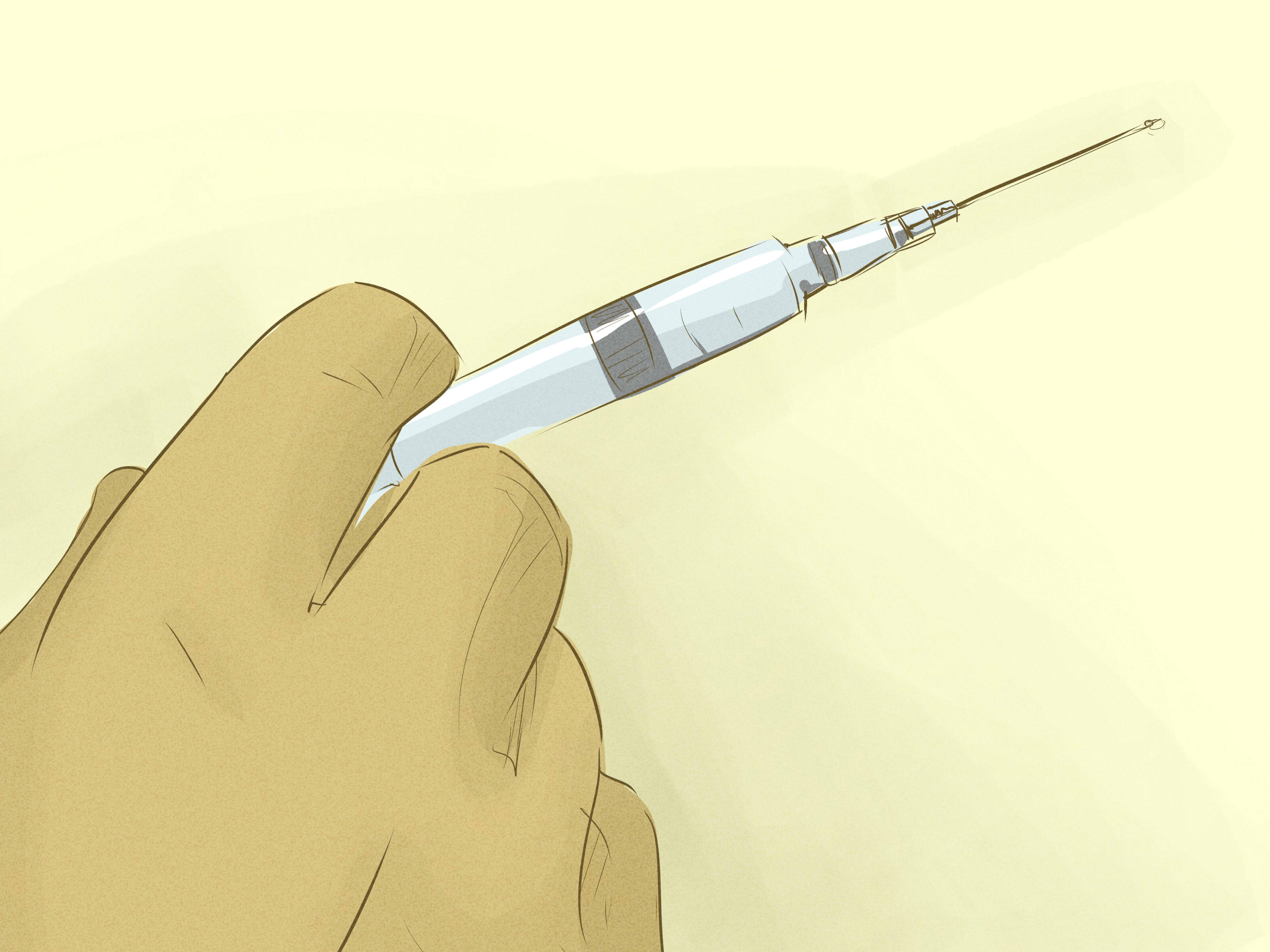
Endovenous laser ablation and radiofrequency ablation use controlled heat to close an unhealthy superficial vein. Sclerotherapy involves injecting a liquid or foam solution that irritates and closes selected varicose or spider veins.
Medical adhesive can seal certain veins without heat. Ambulatory phlebectomy removes visible surface veins through very small openings in the skin. More extensive surgery, including vein ligation or stripping, may still be used in selected cases.
Closing or removing a superficial vein does not trap blood in the leg. Blood reroutes through healthier veins that are better equipped to return it to the heart.
The best procedure depends on ultrasound findings, symptoms, vein anatomy, previous clotting, pregnancy plans, skin condition, and overall health. A treatment that is ideal for one person’s vein map may be completely wrong for another’s.
13. Follow the Recovery Plan and Prevent Recurrence
After a vein procedure, many patients are encouraged to walk soon and return to routine activities relatively quickly. However, instructions vary according to the procedure and the patient’s health.
You may need temporary compression, limits on strenuous exercise, incision care, medication, and follow-up ultrasound. Report increasing pain, severe swelling, fever, drainage, chest discomfort, or new shortness of breath immediately.
Treatment improves the veins that were addressed, but it does not erase genetics, aging, pregnancy history, prolonged standing, or every future risk. Continue moving regularly, managing your weight, protecting your skin, and using compression when prescribed.
What Not to Do When Trying to Heal Damaged Veins
Never cut, puncture, squeeze, or attempt to drain a bulging vein. Do not apply undiluted essential oils, caustic “vein-removing” creams, or tight improvised wraps to swollen legs.
Avoid taking herbal products promoted as natural blood thinners without checking for medication interactions. Some supplements can increase bleeding risk, especially when combined with prescription anticoagulants or taken before surgery.
Do not massage a painful, warm, or suddenly swollen leg until a blood clot has been ruled out. Do not cover an infected or draining wound with random household products.
Most importantly, do not assume every swollen leg is “just varicose veins.” A clot, infection, arterial disease, heart problem, kidney condition, or medication reaction can look similar enough to fool even a confident internet search.
Experience-Based Lessons: What Vein Recovery Often Feels Like
The following examples are realistic composites based on common care patterns. They do not describe specific patients.
The Desk Worker Who Started With Tiny Changes
A person with an office job may first notice ankle swelling and heavy legs near the end of the workday. The immediate response is often to buy the strongest compression socks available and declare war on gravity.
A better experience usually starts with a proper evaluation and a professionally fitted garment. Once serious causes and arterial problems are ruled out, the person builds a manageable routine: compression in the morning, a two-minute walk every hour, calf raises during phone calls, and leg elevation after work.
The improvement may be gradual rather than cinematic. Shoes feel less tight in the evening. Deep sock marks become shallower. Aching that once began at 3 p.m. may not appear until dinner, or it may disappear entirely on more active days.
The lesson is that small actions repeated every day often outperform occasional bursts of perfect behavior.
The Standing Worker Who Needed More Than Compression
Someone who spends an entire shift teaching, cooking, cutting hair, or working in retail may already consider themselves active yet still develop varicose veins.
Standing is not the same as walking. The calf pump works best when the ankle repeatedly moves. Alternating positions, taking brief walking breaks, using a foot rail, and performing heel raises may help, but persistent throbbing, swelling, or skin changes call for an ultrasound rather than endless experimentation.
If testing reveals significant reflux in a superficial vein, ablation may provide the missing piece. People are sometimes surprised that the procedure closes the unhealthy vein instead of opening it. Once the faulty route is sealed, blood uses better-functioning veins.
Bruising, tenderness, or a temporary pulling sensation may occur during recovery, but many outpatient procedures allow patients to walk on the same day under individualized instructions.
The Person With Skin Changes Who Learned Not to Wait
Brown ankle discoloration and itchy, flaky skin are easy to dismiss as ordinary dryness. Unfortunately, chronic venous pressure can inflame and weaken the skin long before an ulcer develops.
A common turning point is learning that moisturizer alone cannot correct the circulation problem, while compression alone may not calm active dermatitis. Coordinated care may include prescribed skin medication, fragrance-free moisturizer, compression after a safety assessment, walking, elevation, and treatment of underlying venous reflux.
The practical lesson is to act before the skin breaks. Once an ulcer forms, healing can require patience, regular dressing changes, fitted compression, and repeated appointments. Progress may be measured in millimeters rather than miracles.
Photographs taken at consistent intervals can help document improvement more accurately than memory.
What Usually Makes Recovery Easier
People tend to follow a vein-care plan more successfully when it fits their real lives. A compression stocking that is theoretically perfect but impossible to put on will spend its career in a drawer. A walking plan that requires an expensive gym may fail when three ten-minute neighborhood walks would succeed.
Helpful tools can include stocking donners, reminder alarms, supportive shoes, a small footrest, pill organizers, and written wound-care instructions.
It also helps to track morning and evening swelling, pain levels, walking tolerance, skin changes, and how consistently compression is worn. This turns “my legs feel weird” into useful information for the healthcare professional.
Vein recovery is rarely one dramatic fix. It is usually a partnership involving the right diagnosis, practical daily habits, skin protection, medical follow-up, and targeted treatment when damaged veins can no longer perform their job.
Conclusion
You cannot reliably rebuild damaged vein valves with a home remedy, but you can improve circulation, reduce symptoms, and protect your quality of life. Start by ruling out emergencies, obtaining the correct diagnosis, moving regularly, strengthening the calf pump, elevating your legs, and using professionally recommended compression.
Protect vulnerable skin, address smoking and excess weight, manage related medical conditions, and consider a vein procedure when conservative measures are not enough.
The smartest approach is not to chase a miracle “vein repair” product. It is to reduce venous pressure, support healthy blood return, treat complications early, and redirect blood away from veins that have stopped working properly.