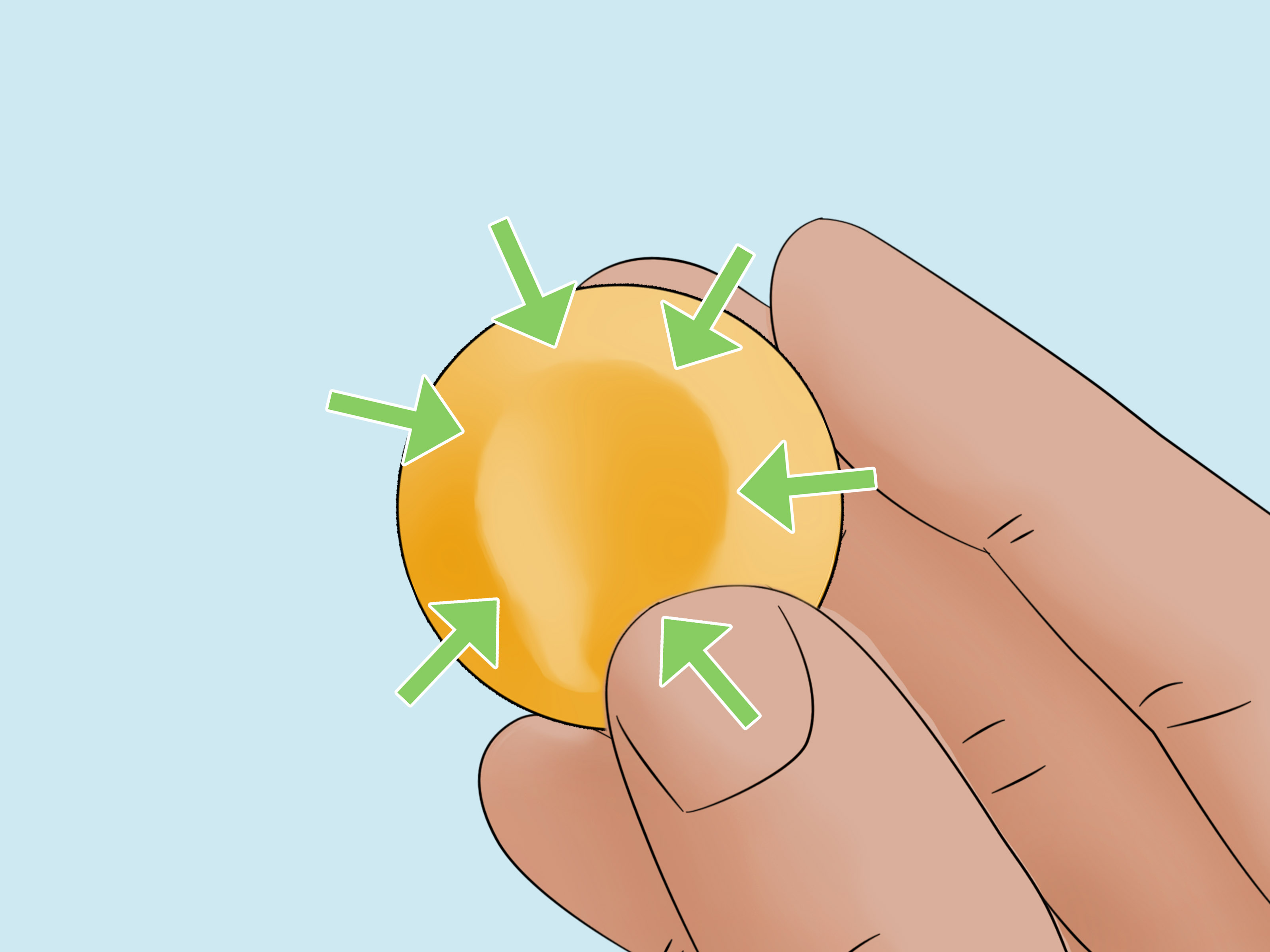
A dented ping pong ball has a special talent for appearing at the worst possible moment. One minute, you are serving like a basement-league champion; the next, your ball looks as though it lost an argument with a chair leg.
Fortunately, a ball with a simple dent may not be ready for the trash. Because a table tennis ball is hollow and filled with air, controlled heat can increase the pressure inside it and encourage the thin shell to return to its original shape. The process is simple enough to feel like a magic trick, although the real magician is basic physics wearing oven mitts.
This guide explains how to fix a dented ping pong ball using four quick methods: hot-water immersion, a controlled pour-over, a hair dryer, and a warm-and-roll technique. You will also learn which balls are repairable, which ones should be replaced, and how to test a restored ball before putting it back into play.
Modern regulation table tennis balls are generally non-celluloid plastic balls marked “40+.” United States table tennis guidance identifies the approved competition ball as a 40mm+ plastic ball, while material research shows that modern balls may differ in construction, hardness, elasticity, and bounce. That matters because a repaired ball can look round while still behaving like a tiny, unpredictable potato.
Can You Really Repair a Dented Ping Pong Ball?
Yes, provided the ball is dented rather than cracked, split, punctured, or severely crushed. The most successful repairs involve smooth, shallow dents that have not creased the plastic sharply.
Heating the sealed air inside the ball makes its molecules move more rapidly. As temperature rises, the pressure or volume of a confined gas tends to increase, depending on how much the container can flex. In a ping pong ball, the flexible shell can move outward, allowing internal pressure to push against the dent. This is a practical demonstration of the relationships described by the ideal gas law.
Heat also makes the thin plastic slightly more flexible. Together, the warmer shell and expanding air provide enough force to pop many dents outward.
A ball is usually repairable when:
- The dent is shallow or moderately deep.
- The shell has no visible hole or crack.
- The seam has not separated.
- The plastic is not sharply folded or whitened from stress.
- The ball was recently damaged and has not remained crushed for months.
Replace the ball when:
- You can hear or feel air escaping.
- There is a split along the seam.
- The dent contains a hard crease.
- The shell feels unusually soft after heating.
- The ball remains oval after several careful attempts.
- You need a reliable ball for a tournament or serious practice.
A repaired ping pong ball is best treated as a practice ball. Even a small change in roundness, wall stiffness, or seam condition can affect spin, flight, and bounce. Competition-quality balls are manufactured for consistency, and a kitchen-table repair cannot restore factory tolerances with scientific precision.
What You Need Before Starting
You will not need a toolbox, an engineering degree, or a dramatic montage featuring power tools. Depending on the repair method, gather a few basic household items:
- A heat-resistant mug or bowl
- Hot water
- A spoon, slotted spoon, or kitchen tongs
- A clean towel
- A hair dryer with adjustable heat
- A smooth cylindrical object, such as a marker with the cap attached
Inspect the ball under bright light before applying heat. Rotate it slowly and check the seam, dent, and surrounding plastic. A punctured ball cannot build internal pressure, so heating it will accomplish little beyond making a warm, damaged ball.
1. Use the Hot-Water Immersion Method
The hot-water method is the most dependable way to remove a dent from a ping pong ball. It warms the entire shell evenly and heats the trapped air without concentrating excessive heat on one tiny area. Repair guides commonly recommend submerging the ball with a spoon because it naturally floats.
Step-by-step instructions
- Heat enough water to fill a mug or small bowl.
- Remove the water from the heat before adding the ball.
- Let aggressively boiling water settle briefly so it is hot but not violently bubbling.
- Place the dented ball in the container.
- Use a spoon to hold it beneath the surface.
- Position the dent downward when possible so it receives even heat.
- Watch the dent for 10 to 30 seconds.
- Remove the ball as soon as it becomes round.
- Set it on a folded towel and allow it to cool without pressure on its sides.
Many shallow dents pop out almost immediately. A deeper dent may need another short immersion after the ball cools. Several brief attempts are safer than one extended soak.
Why it works
Hot water transfers heat evenly around the ball. The air inside warms and presses outward while the plastic becomes temporarily more flexible. Because the heat surrounds the shell, this method reduces the risk of creating one scorched or softened spot.
Common mistakes
Do not leave the ball in hot water for several minutes. Excessive heat may soften the plastic, weaken the seam, fade the printed logo, or produce an uneven shape. Do not press hard on the dent with the spoon, either. The spoon is there to submerge the ball, not conduct an archaeological excavation.
2. Try a Controlled Hot-Water Pour-Over
The pour-over method uses the same physics as immersion but gives you more control. It is useful for a shallow dent, a ball with a delicate printed design, or a situation in which you do not want to soak the entire shell.
Step-by-step instructions
- Place the dented ping pong ball in a heat-resistant mug.
- Arrange it so the dent faces upward.
- Heat water and allow vigorous boiling to stop.
- Slowly pour hot water over the dent and surrounding area.
- Rotate the ball with a spoon after several seconds.
- Repeat the pour if the dent has improved but not fully disappeared.
- Lift the ball out with a spoon and let it cool on a towel.
The key is gradual heating. Pour a small amount, observe the result, and repeat only when necessary. The repair may happen suddenly, sometimes with a quiet pop that is deeply satisfying and far more exciting than it has any right to be.
When this method works best
Choose a pour-over for small dents caused by a paddle edge, a shoe, or light furniture contact. It is less effective for a broad, deeply collapsed area because the heat may not reach the whole shell evenly enough.
Safety reminder
Handle the mug carefully and keep your fingers away from the water stream. Hot-water burns can be serious. The American Red Cross recommends cooling a burn under clean, cool running water if an accident occurs.
3. Fix the Dent With a Hair Dryer
A hair dryer provides a dry, fast alternative when you do not want to heat water. It is convenient in a game room, school gym, office, or dorm where a kettle may be less accessible than somebody’s emergency hairstyling equipment.
Step-by-step instructions
- Place the ball on a folded towel or hold it gently with heat-resistant tongs.
- Set the hair dryer to medium heat and low or medium airflow.
- Hold the nozzle approximately 6 to 8 inches from the ball.
- Move the dryer continuously rather than aiming at one point.
- Rotate the ball every few seconds to distribute heat evenly.
- Stop as soon as the dent begins to lift.
- Allow the ball to cool while supported loosely on the towel.
If nothing happens after 20 to 30 seconds, pause and inspect the shell. Let it cool before trying again. Moving the dryer closer immediately may overheat the surface before the air inside becomes warm enough to help.
Advantages of the hair-dryer method
- No drying time is required.
- You can watch the dent closely.
- The temperature can be adjusted gradually.
- It is useful for repairing several balls in succession.
Disadvantages
A hair dryer heats less evenly than water. Holding it too close can soften one side, distort the seam, or create a glossy patch. High airflow may also launch the ball across the room, transforming a repair project into a low-budget space program.
Do not substitute a heat gun. Heat guns can reach temperatures far beyond what a thin table tennis ball can tolerate. A household hair dryer on a controlled setting is the safer choice.
4. Use the Warm-and-Roll Method for a Stubborn Dent
Some dents lift partially with heat but leave a shallow depression around the edge. In that case, combine gentle warming with controlled rolling pressure aroundnot directly intothe damaged area.
Step-by-step instructions
- Warm the ball in hot water for approximately 10 seconds.
- Remove it with a spoon and dry it quickly.
- Place the ball on a folded towel.
- Lay a smooth marker, rounded pen barrel, or similar cylindrical object across the edge of the dent.
- Roll the object gently around the dent’s perimeter.
- Avoid crushing the center of the dent inward.
- Rotate the ball and repeat using very light pressure.
- Stop once the shell becomes round or begins to cool.
The goal is to relax the crease around the dent while the heated air continues pushing outward. This method is most suitable for a broad indentation with a visible rim. It is not appropriate for a crack, puncture, or sharply folded shell.
Why gentle pressure matters
Too much force may replace one dent with several smaller dents, which is less a repair and more a redesign. Use only enough pressure to smooth the surrounding plastic. When in doubt, rewarm the ball briefly instead of pressing harder.
Repair Methods You Should Avoid
Open flames
Some old repair tricks recommend holding a dented ball over a lighter, candle, or stove flame. Do not do this. Direct flame heats the shell unevenly, can scorch or ignite older celluloid balls, and may release unpleasant fumes from damaged plastic. The table tennis industry moved away from celluloid partly because of concerns associated with its flammability and transportation.
A hair dryer or hot water provides controllable heat without introducing an open flame. General fire-safety guidance also favors electric or hot-water heating methods over torches and other flame devices when warming materials.
Microwaving the ball
Never microwave a ping pong ball. Heating can be rapid and uneven, while printed inks, unknown plastics, and trapped air make the result unpredictable. The ball may deform before you have time to stop the microwave.
Puncturing and reinflating
Inserting a needle creates a permanent hole. Even if you manage to add air and seal the opening, the patch changes the ball’s mass distribution and surface. It may be acceptable for a craft project, but it is not a practical table tennis repair.
Hard thumb pressure
Pressing aggressively around a cold ball can deepen the dent or produce stress marks. Mechanical pressure should be used only after gentle warming and only around the dent’s edges.
How to Test a Repaired Ping Pong Ball
A ball that looks round is not automatically ready to play. Use three simple tests before returning it to the table.
1. The visual inspection
Hold the ball at eye level and rotate it against a bright background. Look for flat spots, an uneven seam, shiny heat damage, or a remaining crease. Compare it with a new ball when possible.
2. The tabletop roll test
Place the repaired ball on a smooth, level table and roll it slowly. A reasonably round ball should travel in a fairly straight path. If it repeatedly curves or wobbles, its shape is still uneven.
3. The bounce comparison
Drop the repaired ball and an undamaged ball from the same height onto the same hard surface. Listen to the sound and compare their rebound height. A major difference suggests that the repaired shell has altered stiffness or shape.
For casual family games, a slight variation may be harmless. For serve practice, robot training, league matches, or competition, replace the ball. Consistent bounce is essential when you are trying to improve technique rather than develop supernatural reflexes for defective equipment.
How to Prevent Ping Pong Ball Dents
Repairing a dent is easy, but not denting the ball in the first place is even easier.
- Store balls in a rigid container instead of a loose drawer.
- Keep them away from table-leg hinges and folding mechanisms.
- Do not leave them on chairs, sofas, or the floor.
- Use a ball holder during practice.
- Keep balls away from pets that consider them crunchy appetizers.
- Avoid storing them in direct sunlight or extreme heat.
- Separate premium match balls from inexpensive training balls.
A plastic food-storage container, original ball box, or purpose-made table tennis case will prevent most accidental crushing. Labeling the container also helps distinguish game equipment from craft supplies, cat toys, and whatever mysterious collection is growing in the garage.
Practical Experiences and Lessons From Common Repairs
The following experience-based scenarios reflect outcomes frequently encountered by recreational players, families, schools, and club members when restoring dented table tennis balls.
The rec-room chair incident
One common scenario begins with a perfectly usable training ball rolling underneath a folding chair. Someone shifts their weight, a quiet crunch follows, and the ball emerges with a wide dent covering nearly one-third of its surface.
A hot-water immersion usually produces the best result in this situation. The broad dent needs even heating, and pouring water only over the center may leave a circular crease around its edge. After approximately 20 seconds under hot water, the center may rise first, followed by the surrounding rim. The ball often looks surprisingly good after cooling.
However, the bounce test may reveal a slightly duller sound. Such a ball is fine for children, party games, or casual rallies, but it should not return to a serious practice bucket. The lesson is simple: cosmetic recovery and performance recovery are not always the same thing.
The tiny paddle-edge dimple
A second common dent is much smaller. A hard paddle-edge contact creates a thumbprint-sized dimple without damaging the seam. This type responds well to the controlled pour-over method.
Because the damage is localized, a small amount of hot water can repair it in seconds. The most important step is stopping immediately after the dent pops out. Continuing to pour water after the repair is complete adds heat without adding benefits.
After cooling, these lightly damaged balls frequently pass both the roll test and an informal bounce comparison. They may remain suitable for normal recreational play, although competitive players will still prefer an undamaged match ball.
The office hair-dryer rescue
Office ping pong tables generate their own ecosystem of missing paddles, improvised nets, questionable scoring systems, and balls flattened by rolling desk chairs. When no kettle is available, a hair dryer can save the lunch-break championship.
The biggest practical challenge is controlling the airflow. A loose ball may shoot off the towel, bounce behind a cabinet, and become significantly harder to repair because nobody can find it. Holding the ball gently with silicone-tipped tongs solves the problem.
Medium heat applied from several inches away generally works better than maximum heat at close range. The slower approach gives the interior air time to warm while reducing the chance of softening one side. Patience wins, which is inconvenient because office tournaments are not famous for patience.
The ball that should have been retired
The most useful repair experience sometimes comes from failure. A ball with a deep, sharply folded dent may pop outward in hot water yet retain a pale crease. During the roll test, it may wobble. During play, it may kick sideways after hitting the table.
Trying additional heat rarely restores the original shell. Instead, repeated heating can weaken the seam or make the surface uneven. At this point, replacement is the correct decision.
The old ball does not have to go directly into the garbage. It can become a craft material, science-demonstration object, paint-mixing aid, or practice target. It simply should not remain in the regular playing rotation pretending to be trustworthy.
The overall lesson
Hot water is the most consistent repair method, a hair dryer is the most convenient dry method, and gentle rolling can improve a stubborn dent after warming. Shallow dents usually respond better than deep creases. Most importantly, every repaired ball should be tested rather than judged by appearance alone.
Conclusion
Learning how to fix a dented ping pong ball can rescue a casual game and reduce unnecessary waste. Start with hot-water immersion because it heats the shell evenly and works on most ordinary dents. Use a controlled pour-over for a small dimple, a hair dryer when you need a dry solution, or the warm-and-roll method when a shallow rim remains around the damaged area.
Keep the heat moderate, avoid open flames, and never continue heating after the ball has regained its shape. Once it has cooled, inspect it carefully and perform roll and bounce tests. A restored ball may be perfect for family games and recreational practice, but a cracked, creased, or unreliable ball belongs in the craft box rather than the tournament bag.